Limbo is loved for its razor-sharp simplicity: a monochrome world, zero tutorials, zero dialogue, and an atmosphere of creeping dread that communicates everything through light, shadow, and the crack of a small boy's bones. The genius is in its restraint — every puzzle feels organic to the environment, and the horror is never loud, just relentlessly present.
When someone asks for "games like Limbo" they're really asking for one of a few things: that same moody 2D puzzle-platformer loop, that wordless atmospheric storytelling, or that specific feeling of being small and fragile in a world that wants you dead. The best matches deliver at least two of those three.
Top pick:Inside (2016, also by Playdead) is the single closest pick — it is essentially Limbo evolved in every dimension, sharing the same studio, the same silhouetted 2D world, the same physics-based environmental puzzles, and the same commitment to telling a disturbing story without a single word, while pushing the concept further with richer mechanics and one of the most unsettling finales in gaming.
Some store buttons are affiliate links — we may earn a commission at no extra cost to you.
23 games like Limbo
97%
Inside 2016
Inside is Playdead's own spiritual successor to Limbo — a wordless, side-scrolling puzzle-platformer drenched in dread and dystopian imagery. It shares the same silhouetted art direction, physics-based environmental puzzles, and slow creep of existential horror.
Key difference: Color palette and richer world-building; darker, more ambitious finale.
Best for: Limbo fans wanting more of exactly the same DNA.
Skip if: You disliked Limbo's lack of narrative explanation.
Little Nightmares is a 3D side-scrolling horror platformer set in a grotesque ship full of oversized predators. Like Limbo, it weaponizes scale, silence, and environmental dread to tell a story without a single word.
Key difference: 3D perspective and more overt monster-chase sequences.
Best for: Fans who wanted Limbo's horror pushed further.
Skip if: You dislike frequent, startling enemy encounters.
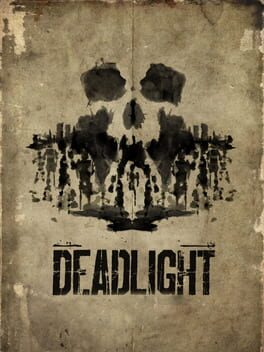
Deadlight is a dark 2D side-scrolling platformer set in a post-apocalyptic city, with silhouetted visuals and a brooding atmosphere strikingly similar to Limbo. Environmental traversal and physics-based obstacles are central to its design.
Key difference: Zombie-apocalypse setting, more action and climbing.
Best for: Limbo fans wanting its visual style with more story and action.
Skip if: You want pure puzzle focus without combat.
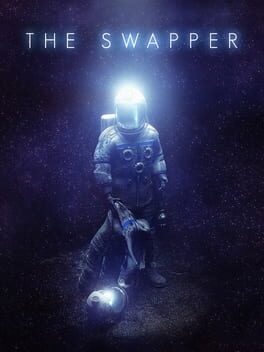
The Swapper is a dark sci-fi puzzle-platformer where you clone yourself to solve ingenious environmental puzzles aboard an abandoned space station. Its oppressive atmosphere, lonely setting, and clever mechanics directly echo Limbo's formula.
Key difference: Sci-fi setting, clone-based puzzle mechanic, more cerebral puzzles.
Best for: Players who want Limbo's puzzle depth and darkness in a new form.
Skip if: You dislike time-consuming, abstract puzzle logic.
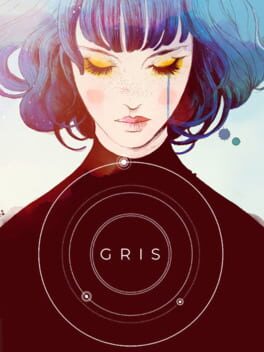
Gris is a 2D platformer told entirely through painterly visuals and music — no enemies, no dialogue, just an emotional journey through grief rendered in stunning watercolor. The wordless storytelling and atmospheric pacing mirror Limbo's approach closely.
Key difference: No danger or death; it's meditative rather than threatening.
Best for: Players drawn to Limbo's artistry over its puzzles.
Skip if: You need meaningful challenge or tension.
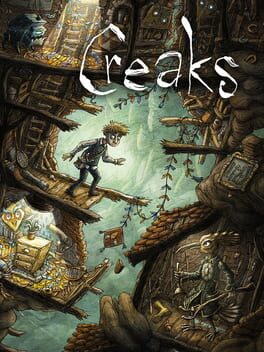
Creaks is a hand-drawn dark puzzle-platformer by Amanita Design set in a surreal mansion full of creature-based puzzles. Its eerie silhouetted art style and silent environmental storytelling are the closest aesthetic match to Limbo outside Inside.
Key difference: Creature-manipulation puzzles; more whimsical than frightening.
Best for: Limbo fans who want artful design and lateral-thinking puzzles.
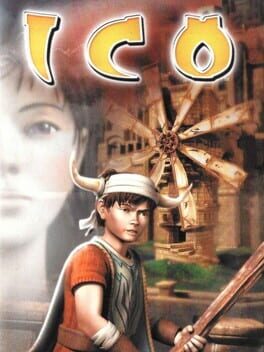
Ico is a minimalist puzzle-platformer about guiding a helpless companion through a crumbling castle, communicating almost entirely through atmosphere and body language. Its lonely, melancholy world feels spiritually akin to Limbo's desolate journey.
Key difference: 3D environments and companion-escort mechanics.
Best for: Players who love Limbo's eerie loneliness and sparse storytelling.
Skip if: You want tight modern controls and no escort AI.
PlayStation
79%
Braid 2008
Braid is a 2D indie puzzle-platformer built around time-manipulation mechanics that grow increasingly mind-bending. Its introspective, mysterious tone and clever environmental puzzles make it one of Limbo's closest genre siblings from the same era.
Key difference: Time-rewind puzzles instead of physics; more explicit (cryptic) text narrative.
Best for: Players who want brain-twisting puzzles over atmosphere.
Skip if: You want dark horror tone; Braid is melancholy but not menacing.
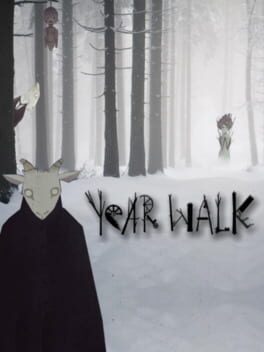
Year Walk is a dark atmospheric mystery adventure rooted in Swedish folklore, where you wander a snowy forest encountering terrifying mythological creatures. Its minimalist presentation and unsettling tone are deeply Limbo-adjacent.
Key difference: Point-and-click structure, folklore horror, very short runtime.
Best for: Players who love Limbo's folklore horror and silence.
Skip if: You want 2D platforming mechanics.
Nintendo
77%
Brothers: A Tale of Two Sons 2013
Brothers: A Tale of Two Sons is a wordless puzzle-adventure about two siblings navigating a mythic, increasingly dark world — a thematic mirror of Limbo's sibling-search premise. It uses a unique dual-analog control scheme to make each character feel distinct.
Key difference: 3D world, dual-character control, emotional story pays off explicitly.
Best for: Players who want Limbo's sibling narrative with a proper ending.
Skip if: You want 2D platforming; this is adventure-puzzle focused.
Hollow Knight is a dark, hand-drawn Metroidvania set in a decaying underground insect kingdom. While more action-oriented than Limbo, it shares the same oppressive atmosphere, sparse lore delivered through environment, and sense of lonely exploration.
Key difference: Much larger, combat-heavy Metroidvania vs. short linear puzzle-platformer.
Best for: Players ready to spend 30+ hours in a Limbo-dark world.
Skip if: You want a short, tightly curated experience like Limbo.
Ori and the Blind Forest is a gorgeous 2D platformer with emotional storytelling told through visuals and music rather than dialogue. Its precision platforming and environmental traversal echo Limbo's format, though with a warmer aesthetic and more action.
Key difference: Vivid color palette, faster action movement, uplifting tone.
Best for: Limbo fans who want beauty and warmth instead of dread.
Skip if: You want a dark or horror-tinged experience.
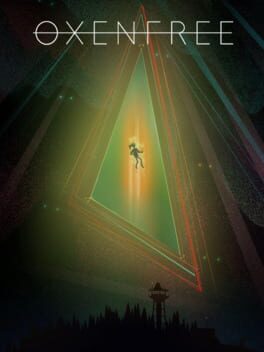
Oxenfree is a supernatural teen mystery where a group of friends accidentally open a ghostly rift on a remote island. Its eerie atmosphere, sparse 2D traversal, and dread-soaked tone share DNA with Limbo despite being dialogue-driven.
Key difference: Dialogue-heavy narrative adventure; no platforming or puzzles.
Best for: Limbo fans who want horror atmosphere with explicit character stories.
Soma is a first-person horror puzzle adventure that uses environmental storytelling and dread rather than jump scares. Its atmosphere of isolation and existential horror resonates strongly with Limbo's tone, even though it's a very different structure.
Key difference: First-person, story-heavy sci-fi horror; no platforming at all.
Best for: Players drawn to Limbo's horror and theme over its mechanics.
Machinarium is a hand-drawn point-and-click puzzle adventure set in a rusting robotic city. Its wordless storytelling, atmospheric indie aesthetic, and clever environmental puzzles give it a kinship with Limbo despite being a different genre entirely.
Key difference: Point-and-click, no platforming, lighthearted robot protagonist.
Best for: Puzzle lovers who want Limbo's indie atmosphere in a calmer package.
Skip if: You specifically want action or platforming.
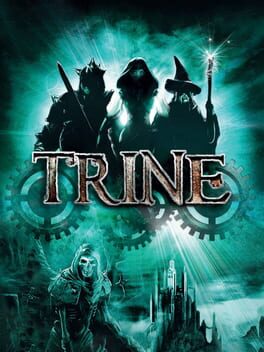
Trine is a side-scrolling puzzle-platformer where physics-based puzzles are solved using three characters with distinct abilities. It shares Limbo's 2D environmental puzzle structure but wraps it in a colorful fairy-tale aesthetic.
Key difference: Vibrant fantasy visuals, three playable characters, co-op support.
Best for: Players who want Limbo's puzzle-platformer format with co-op.
Skip if: You want dark atmosphere; Trine is whimsical.
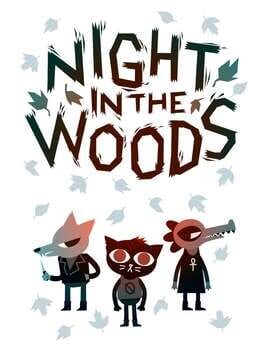
Night in the Woods is a 2D side-scrolling narrative platformer about a college dropout returning to her decaying hometown. Like Limbo, it uses a sparse 2D world and minimal dialogue to convey something deeply unsettling beneath the surface.
Key difference: Heavy dialogue and character-driven narrative; no environmental puzzles.
Best for: Limbo fans who want melancholy storytelling with relatable characters.
Skip if: You want puzzles or tension; this is almost pure narrative.
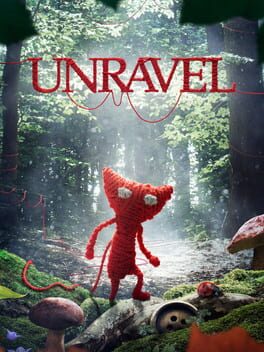
Unravel uses a yarn-ball protagonist to navigate beautiful but melancholy environments in a 2D puzzle-platformer. Its quiet emotional tone and use of physics-based environmental puzzles mirror Limbo's gentler side.
Key difference: Warm, nostalgic aesthetic; no horror or threat.
Best for: Players who want Limbo's puzzle-platformer flow in a cozy package.
Skip if: You want darkness or meaningful difficulty.
Stray is a third-person adventure where you navigate a decaying cyberpunk city as a cat. Its wordless atmospheric exploration, eerie environments, and sense of a small creature in a vast threatening world echo Limbo's feeling of vulnerability.
Key difference: 3D perspective, cat protagonist, no puzzles in the Limbo sense.
Best for: Players who love Limbo's atmosphere and exploration over puzzles.
Skip if: You want 2D side-scrolling or brain-teaser mechanics.
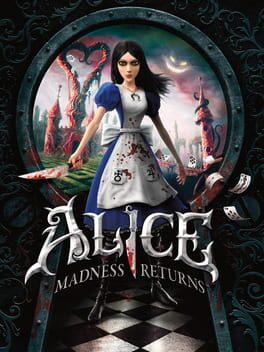
Alice: Madness Returns is a dark 2D/3D platformer set in a twisted, grotesque Wonderland full of disturbing imagery. It shares Limbo's dark fantasy horror tone and a young protagonist navigating a hostile, nightmarish world.
Key difference: Combat-heavy, colorful despite the darkness, much longer game.
Best for: Players wanting dark platforming with more action and content.
Skip if: You want minimalist puzzles; this is hack-and-slash-heavy.
Fez is a 2D indie puzzle-platformer that hides deep mysteries beneath a deceptively simple pixel-art surface. Its cryptic world-building and environmental puzzle design reward the same curious, patient mindset Limbo demands.
Key difference: Quirky color palette, rotation mechanic, no horror or danger.
Best for: Players who loved Limbo's mystery and puzzle depth.
The Vanishing of Ethan Carter is a first-person mystery adventure set in a hauntingly beautiful rural landscape full of dark secrets. Its emphasis on environmental storytelling, eerie silence, and a missing-child mystery mirrors Limbo's emotional core.
Key difference: First-person walking-sim style; no platforming or death states.
Best for: Players drawn to Limbo's mystery narrative over its platforming.
Skip if: You want interactivity beyond exploration and puzzle-solving.
The Walking Dead by Telltale is a point-and-click horror story about protecting a child through a world that has become monstrous. It shares Limbo's themes of a harrowing journey through death-filled environments and the innocence of a child at the center.
Key difference: Choice-driven narrative adventure; no platforming or action puzzles.
Best for: Players who want Limbo's emotional horror with explicit storytelling.
Color palette and richer world-building; darker, more ambitious finale.
PlayStation, PC, Mobile, Xbox, Nintendo
Little Nightmares
90%
Platform, Puzzle
3D perspective and more overt monster-chase sequences.
PlayStation, Mobile, PC, Xbox, Nintendo
Deadlight
88%
Platform, Puzzle
Zombie-apocalypse setting, more action and climbing.
PC, Xbox
The Swapper
85%
Platform, Puzzle
Sci-fi setting, clone-based puzzle mechanic, more cerebral puzzles.
PlayStation, PC, Nintendo, Xbox
Gris
83%
Platform, Puzzle
No danger or death; it's meditative rather than threatening.
Xbox, PlayStation, Mobile, PC, Nintendo
Creaks
83%
Platform, Puzzle
Creature-manipulation puzzles; more whimsical than frightening.
PlayStation, PC, Mobile, Xbox, Nintendo
Ico
80%
Platform, Puzzle
3D environments and companion-escort mechanics.
PlayStation
Braid
79%
Platform, Puzzle
Time-rewind puzzles instead of physics; more explicit (cryptic) text narrative.
PlayStation, PC, Xbox
Year Walk
78%
Adventure
Point-and-click structure, folklore horror, very short runtime.
Nintendo
Brothers: A Tale of Two Sons
77%
Puzzle, Adventure
3D world, dual-character control, emotional story pays off explicitly.
PlayStation, PC, Mobile, Xbox, Nintendo
Hollow Knight
74%
Platform, Adventure
Much larger, combat-heavy Metroidvania vs. short linear puzzle-platformer.
Xbox, PlayStation, PC, Nintendo
Ori and the Blind Forest
71%
Platform, Puzzle
Vivid color palette, faster action movement, uplifting tone.
PC, Xbox, Nintendo
Oxenfree
70%
Adventure, Indie
Dialogue-heavy narrative adventure; no platforming or puzzles.
PlayStation, PC, Mobile, Xbox, Nintendo
Soma
68%
Puzzle, Adventure
First-person, story-heavy sci-fi horror; no platforming at all.
PlayStation, PC, Xbox, Nintendo
Machinarium
67%
Puzzle, Adventure
Point-and-click, no platforming, lighthearted robot protagonist.
PlayStation, PC, Mobile, Xbox, Nintendo
What makes a game feel like Limbo?
Three elements define the Limbo experience: a side-scrolling 2D world where environment design doubles as storytelling, puzzles that use physics and observation rather than inventory items or dialogue prompts, and an atmosphere built from absence — no music sting to signal danger, no UI cluttering the dread. Inside and Little Nightmares nail all three. Braid and The Swapper capture the puzzle purity while diverging on tone. Gris and Brothers: A Tale of Two Sons keep the wordless emotional storytelling while softening the horror.
The weakest matches in any "games like Limbo" list are games that share only the 2D platformer tag — precision action games like Celeste or Super Meat Boy scratch a completely different itch, centered on reflex mastery rather than environmental puzzle-solving and dread.
Best picks for the horror atmosphere, not just the platforming
If the dread is what you're chasing more than the puzzle-platforming specifically, Soma delivers the most intense version of Limbo's existential horror in a first-person sci-fi setting — it's among the most unsettling games ever made and relies on atmosphere over jump scares. Little Nightmares is the strongest 3D interpretation of Limbo's visual language, with grotesque oversized predators and a similarly wordless narrative. For something rarer, Year Walk (additional list) translates Scandinavian folklore horror into a dark puzzle adventure that feels like Limbo filtered through a Nordic ghost story.
Hidden gems worth playing before the obvious picks
Creaks by Amanita Design is the most overlooked direct analogue to Limbo — a hand-drawn dark puzzle-platformer with silhouetted creature puzzles and wordless surrealist storytelling that most "games like Limbo" lists miss entirely. Deadlight applies Limbo's monochrome-ish 2D silhouette aesthetic to a zombie-apocalypse setting with surprising atmosphere for a 2012 mid-budget title. From the candidate pool, Machinarium is criminally underplayed — its hand-drawn robot world delivers Limbo-level indie artistry and environmental puzzle design in point-and-click form, and The Vanishing of Ethan Carter captures the missing-child dread of Limbo's premise in a hauntingly beautiful open landscape.
Inside is made by the same studio (Playdead) and shares Limbo's core DNA — silhouetted 2D puzzle-platformer, wordless storytelling, dark atmosphere, physics-based puzzles — but it's a meaningfully different and more ambitious game. The color palette is richer, the puzzles are more varied, and the narrative goes somewhere far stranger. If you loved Limbo it is the single most essential next game, but it will still surprise you.
What is a good Limbo alternative for younger players?
Unravel and Gris both use the same 2D side-scrolling puzzle-platformer format with atmospheric wordless storytelling, but replace Limbo's horror with warmth and beauty. Trine is another excellent option with fairy-tale visuals and physics-based puzzles very similar to Limbo's design — and it supports co-op play.
Are there any games like Limbo but longer?
Hollow Knight is the most substantial option — a 30–40 hour Metroidvania with Limbo-dark atmosphere, gorgeous hand-drawn art, and environmental lore told through exploration. For pure puzzle-platformer content, the Trine series offers multiple sequels. If you want Limbo's exact format stretched further, Little Nightmares II (not in the candidate pool but real) extends the first game's runtime considerably.
What games have the same black-and-white or silhouette art style as Limbo?
Inside from Playdead uses a similar silhouette aesthetic with muted color. Deadlight (on the additional list) is probably the closest visual match outside Playdead's own work. Creaks by Amanita Design also uses dark, hand-drawn silhouette visuals. Most other Limbo-likes — Little Nightmares, Ori, Gris — diverge on visual style even while matching the feel.
How long is Limbo and what games are a similar length?
Limbo takes roughly 3–5 hours on a first playthrough. Brothers: A Tale of Two Sons (3–4 hours), Gris (3–5 hours), and The Swapper (4–6 hours) are all similarly brief, focused experiences. Inside runs about 3 hours. If you've been burned by 60-hour open-world games and want something tight and curated, any of these are comparable commitments.
 97%
97%