Dark Souls earns its legendary status through a specific cocktail: deliberate, stamina-gated melee combat that punishes button-mashing; a seamlessly interconnected world that reveals its geography as a slow, rewarding discovery; and lore whispered through item descriptions and environmental detail rather than cutscenes. Death is not a failure state but a teacher.
When players ask for games like Dark Souls, they're usually chasing one or more of these pillars — the precise, high-stakes combat that rewards pattern recognition; the atmosphere of lonely, decaying grandeur; or the particular joy of a world that feels genuinely hostile and hand-crafted. This list prioritizes games that deliver those specific feelings.
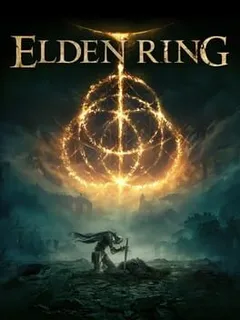
Top pick:Elden Ring is the single closest match — built by the same studio, running on an evolved version of the same engine and philosophy, it is Dark Souls expanded into an open world without sacrificing any of the precision, brutality, or cryptic beauty that defines the original.
Some store buttons are affiliate links — we may earn a commission at no extra cost to you.
Elden Ring is FromSoftware's open-world evolution of the Dark Souls formula — the same stamina-based combat, cryptic lore, and punishing boss design, now spread across a vast interconnected overworld. Every mechanic fans love about Dark Souls is present and refined.
Key difference: Open world replaces the tightly linear interconnected Lordran.
Best for: Dark Souls fans who want more scale and freedom.
Skip if: You prefer tightly compact, corridor-style level design.
Bloodborne shares FromSoftware's precise third-person action and death-penalty loop, swapping deliberate shield-based play for aggressive, high-risk parrying and trick weapons in a Victorian Gothic horror city. The atmosphere is uniquely oppressive and the lore equally cryptic.
Key difference: Fast, aggression-rewarding combat; no shields or classic fantasy setting.
Best for: Dark Souls fans craving Lovecraftian horror atmosphere.
Skip if: You rely on stamina-tanking with a shield.
PlayStation
94%
Sekiro: Shadows Die Twice 2019
Sekiro: Shadows Die Twice is a FromSoftware action game built on the same punishing learn-or-die philosophy, using a posture/deflection system instead of stamina. The boss fights are masterclasses in rhythm and readability, set in feudal Japan.
Key difference: No RPG stat-building; pure skill-gate deflection system.
Best for: Players who want the tightest, most mechanically demanding FromSoft combat.
Skip if: You enjoy build variety and character customization.
Demon's Souls is Dark Souls' direct spiritual predecessor, featuring the same methodical stamina combat, brutal boss fights, and obscure interconnected world structure — all set in the cursed kingdom of Boletaria. The archstone hub system predates Firelink Shrine.
Key difference: Hub-and-spoke world structure rather than fully interconnected map.
Best for: Historians of the genre; those who want the purest original formula.
Skip if: You need modern quality-of-life improvements.
Dark Souls III is the direct sequel, iterating on the combat with faster pacing, stunning boss spectacle, and deep callbacks to the original's lore. It refines stamina management, adds weapon arts, and features some of the series' most acclaimed boss encounters.
Key difference: Faster, more action-oriented pacing than the original.
Best for: Fans who cleared Dark Souls and want more, immediately.
Skip if: You prefer slow, weighty combat over snappier movement.
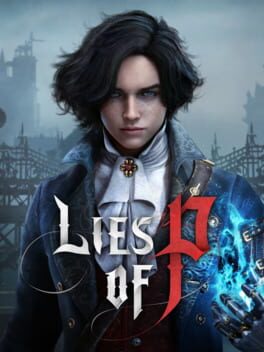
Lies of P is a masterfully crafted Soulslike set in a dark Belle Époque city overrun by mad automatons, with a weapon-assembly system and a parry-focused combat loop that rivals FromSoftware's own output in quality.
Key difference: Weapon crafting from mix-and-match parts; Pinocchio narrative frame.
Best for: Dark Souls fans who want a non-FromSoft Soulslike that punches at the same level.
Skip if: You avoid games with heavy parry requirements.
Dark Souls II continues the series' tradition of deliberate stamina-based combat and cryptic world-building, with a new kingdom and fresh mechanic wrinkles like power stancing and a more prominent death penalty to max health. It's the most experimental entry.
Key difference: More fragmented world structure; divisive hitbox feel.
Best for: Players who exhausted the original and want more content hours.
Skip if: You're sensitive to the series' most criticized mechanical inconsistencies.
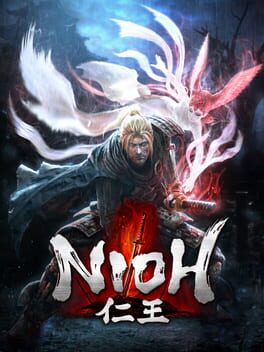
Nioh is a Soulslike set in a supernatural feudal Japan, with deep stamina-management combat layered with stances, a loot system reminiscent of Diablo, and brutal human-scale boss fights. The ki pulse mechanic adds a rhythmic layer absent from Dark Souls.
Key difference: Much deeper loot/build system with a more traditional mission structure.
Best for: Players who want soulslike difficulty plus ARPG build depth.
Skip if: You dislike mission-select structure or heavy loot management.
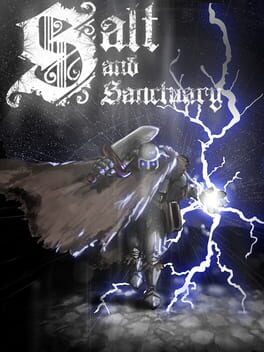
Salt and Sanctuary is a 2D hand-drawn Soulslike that transplants the souls-retrieval loop, bonfire-equivalent sanctuaries, and boss difficulty into a dark, gothic side-scrolling world with a surprisingly deep class-free skill tree.
Key difference: 2D side-scroller with indie art style and shorter overall length.
Best for: Dark Souls fans who want the exact loop in a 2D format.
Skip if: You need a 3D open environment to feel immersed.
Hollow Knight is a 2D Metroidvania that borrows Dark Souls' soul-retrieval death mechanic, cryptic lore delivered through environment and NPC scraps, and a lonely, atmospheric underground world. Boss fights are frequent, demanding, and highly telegraphed.
Key difference: 2D platformer perspective; no stamina system.
Best for: Dark Souls fans who also love classic Metroidvanias.
Skip if: You only enjoy third-person 3D exploration.
Tunic is a top-down action-adventure in which you recover pages of an in-game manual written in an indecipherable language, piecing together mechanics and secrets exactly as Dark Souls players piece together lore. Combat borrows stamina management and i-frames directly.
Key difference: Isometric puzzle-discovery is as central as combat.
Best for: Dark Souls fans who love the sense of discovery above all else.
Skip if: You want pure action over mystery-document-solving.
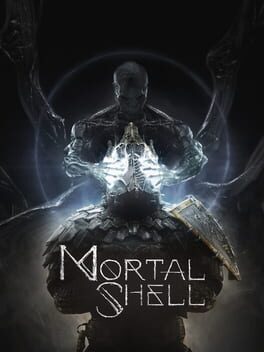
Mortal Shell is a compact Soulslike built around a unique 'hardening' defensive mechanic — freezing yourself in stone rather than blocking — and inhabiting fallen warrior shells each with distinct stats, set in a genuinely haunting world.
Key difference: Shell-swapping identity mechanic replaces traditional character builds.
Best for: Dark Souls fans wanting a shorter, focused Soulslike with a fresh mechanic.
Skip if: You want a large world with many hours of content.
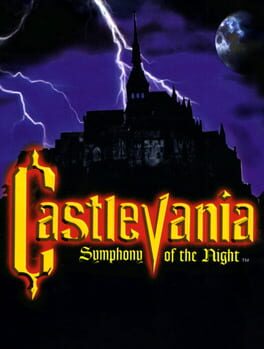
Castlevania: Symphony of the Night pioneered the dark Gothic exploration loop that underpins Hollow Knight and indirectly influenced the Souls series — a vast, non-linear castle, RPG stat growth, and rewarding secret-finding in a macabre setting.
Key difference: 2D side-scroller with very generous, less punishing death loop.
Best for: Players interested in the roots of dark-fantasy exploration games.
Skip if: You need the tension of harsh death penalties.
NieR: Automata shares Dark Souls' habit of burying its true narrative layers beneath seemingly simple action, with optional lore collectibles recontextualizing everything. Its third-person hack-and-slash combat is fluid rather than deliberate, but the existential weight is comparable.
Key difference: Stylish, fast hack-and-slash combat; no stamina gating.
Best for: Dark Souls fans drawn primarily to cryptic, layered storytelling.
Skip if: You want methodical, defensively-minded combat over flashy action.
Shadow of the Colossus distills the 'boss-only' experience Dark Souls players chase — each of its sixteen colossi is a dedicated puzzle-boss fight requiring observation and patience in a desolate, melancholic world. The sense of lonely grandeur is unmatched.
Key difference: No combat between bosses; purely boss-focused structure.
Best for: Players who love Dark Souls primarily for its boss encounters and atmosphere.
Skip if: You want enemy density, exploration rewards, and character growth.
PlayStation
72%
Remnant: From the Ashes 2019
Remnant: From the Ashes merges Dark Souls-style boss design and roll-based dodging with third-person shooting across procedurally varied dark-fantasy realms, and supports full co-op throughout.
Key difference: Primary combat is gunplay; worlds are procedurally generated.
Best for: Dark Souls fans who want soulslike boss challenges with co-op and shooting.
Skip if: You want exclusively melee-focused, handcrafted level design.
Hades is a roguelike ARPG with tight, skill-expressive combat that punishes complacency and rewards learning enemy patterns — a loop that shares Dark Souls' 'die, learn, return stronger' satisfaction. The storytelling through repeated runs is inventive.
Darkest Dungeon puts a party-based RPG spin on relentless attrition — managing stress, disease, and death in a ruinous Gothic estate. Like Dark Souls, it presents hardship as the game's core text and rewards persistence over raw power.
Key difference: Turn-based strategy with party management, not action combat.
Best for: Dark Souls fans who prefer strategic tension over reflex-based combat.
Skip if: You want real-time action and third-person exploration.
Kingdom Come: Deliverance applies realistic, stamina-driven melee combat that demands actual skill development similar to Souls games, set in historically authentic medieval Bohemia with no fantasy. Learning the sword system takes real time investment.
Key difference: Realistic historical setting; no fantasy, magic, or supernatural enemies.
Best for: Dark Souls players who want grounded, simulation-style sword combat.
Skip if: You want dark fantasy aesthetics or supernatural boss fights.
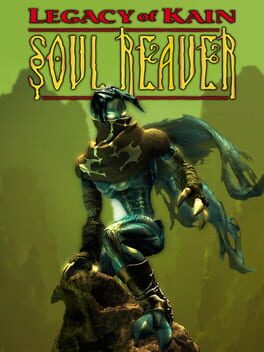
Legacy of Kain: Soul Reaver features a vampire antihero exploring gothic, interconnected 3D environments and solving environmental puzzles — it pioneered the kind of melancholic world-lore Dark Souls later mastered, with shifting between material and spectral planes as a core mechanic.
Key difference: Older adventure-puzzle focus; no stamina or punishing combat.
Best for: Dark Souls fans who love intricate world-building and gothic atmosphere.
Skip if: You want demanding modern combat systems.
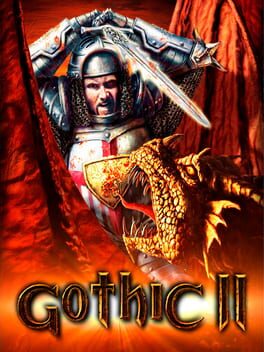
Gothic II is a German open-world RPG with a hostile starting world that refuses to hand-hold — merchants overpower you, quests have permanent consequences, and mastering the clunky-but-deep combat requires patience reminiscent of early Souls experiences.
Key difference: Isometric-adjacent third-person with dated mechanics and open world.
Best for: Dark Souls fans who enjoy feeling genuinely weak and building up organically.
Skip if: You need polished modern controls and UI.
Open world replaces the tightly linear interconnected Lordran.
Xbox, PlayStation, Nintendo, PC
Bloodborne
95%
Role-playing (RPG), Adventure
Fast, aggression-rewarding combat; no shields or classic fantasy setting.
PlayStation
Sekiro: Shadows Die Twice
94%
Adventure, Action
No RPG stat-building; pure skill-gate deflection system.
PlayStation, PC, Xbox
Demon's Souls
94%
Role-playing (RPG), Adventure
Hub-and-spoke world structure rather than fully interconnected map.
PlayStation
Dark Souls III
93%
Role-playing (RPG), Adventure
Faster, more action-oriented pacing than the original.
PlayStation, PC, Xbox
Lies of P
92%
Role-playing (RPG), Adventure
Weapon crafting from mix-and-match parts; Pinocchio narrative frame.
Xbox, PlayStation, PC
Dark Souls II
91%
Role-playing (RPG), Adventure
More fragmented world structure; divisive hitbox feel.
PlayStation, PC, Xbox
Nioh
86%
Role-playing (RPG), Adventure
Much deeper loot/build system with a more traditional mission structure.
PlayStation
Salt and Sanctuary
82%
Role-playing (RPG), Adventure
2D side-scroller with indie art style and shorter overall length.
PlayStation, PC, Xbox, Nintendo
Hollow Knight
80%
Adventure, Action
2D platformer perspective; no stamina system.
Xbox, PlayStation, PC, Nintendo
Tunic
78%
Role-playing (RPG), Adventure
Isometric puzzle-discovery is as central as combat.
Xbox, PlayStation, Nintendo, PC
Mortal Shell
78%
Role-playing (RPG), Action
Shell-swapping identity mechanic replaces traditional character builds.
Xbox, PlayStation, PC
Castlevania: Symphony of the Night
75%
Role-playing (RPG), Adventure
2D side-scroller with very generous, less punishing death loop.
PlayStation, Xbox
NieR: Automata
73%
Role-playing (RPG), Action
Stylish, fast hack-and-slash combat; no stamina gating.
PlayStation, PC
Shadow of the Colossus
72%
Adventure, Action
No combat between bosses; purely boss-focused structure.
PlayStation
What Makes a Game Actually Feel Like Dark Souls?
True Dark Souls successors share a core loop: deliberate stamina-based combat with meaningful i-frames on rolls, death penalties that make every encounter feel consequential, and a world that communicates its story through architecture and item text rather than exposition. Bloodborne and Sekiro: Shadows Die Twice — both FromSoftware titles — nail this loop while dramatically changing the combat system, proving that the feel transcends any single mechanic. Nioh and Hollow Knight are the best examples from other studios that genuinely replicate the loop rather than superficially borrowing the aesthetic.
Games that share Dark Souls' dark fantasy setting but not its core loop — like Dragon Age: Origins or The Witcher 3 — are great RPGs but don't scratch the same itch. Relevance comes from mechanics and pacing, not just genre tags.
Soulslike Boss Design: Best Boss-Centric Picks
If the thing you love most about Dark Souls is its boss fights — the telegraphed wind-ups, the second-phase revelations, the triumph after the thirtieth attempt — then Shadow of the Colossus offers the purest distillation: sixteen enormous bosses, no filler enemies, just you reading a creature and finding its vulnerability. Sekiro: Shadows Die Twice arguably contains the finest individual boss fights FromSoftware has ever made, including Genichiro and Isshin, which are widely considered among the best in action game history. Hollow Knight's optional Pantheon endgame is one of gaming's most demanding boss gauntlets.
Hidden Gems for Dark Souls Fans Other Lists Miss
Tunic is the most underappreciated pick on this list — it reconstructs the sensation of playing Dark Souls for the first time, when you had no idea how mechanics worked, by literally withholding the rulebook and making you find it. The stamina system, the dodge i-frames, and the bonfire equivalents are all present, wrapped in a disarming art style that conceals genuine brutality. Legacy of Kain: Soul Reaver is a decades-old hidden gem that pioneered the interconnected gothic world-building Dark Souls later perfected — its dual-plane mechanic and layered lore deserve rediscovery. And Gothic II, rarely mentioned in English-language Soulslike discourse, delivers the authentic feeling of being a weak outsider in a hostile world that slowly yields to mastery.
Elden Ring's open-world structure makes it more approachable — you can always leave an area and return when stronger — but its late-game bosses are among the most demanding FromSoftware has made. Most players find the early and mid-game more forgiving than Dark Souls, with the difficulty spiking sharply toward the end.
What's the best Soulslike for beginners to the genre?
Elden Ring is a strong entry point because the open world lets you grind alternative areas when stuck. Hollow Knight is excellent if you want a 2D version with slightly gentler pacing. If you want the original experience, starting with Dark Souls Remastered remains the most historically grounded choice.
Are there any Soulslike games with co-op throughout, not just summoning?
Remnant: From the Ashes supports full drop-in co-op from start to finish with Soulslike boss design. Nioh 2 has co-op for its full campaign. Dark Souls itself limits co-op to summoning within specific area boundaries.
What's the closest game to Dark Souls that isn't made by FromSoftware?
Lies of P (2023) is the most polished non-FromSoft Soulslike released to date, drawing heavily on Bloodborne's parry-centric combat and earning widespread critical respect. Salt and Sanctuary and Nioh are strong runners-up depending on whether you prefer 2D or 3D.
Does Dark Souls have a story, and which games match that storytelling style?
Dark Souls tells its story almost entirely through environmental design, NPC dialogue fragments, and item descriptions — players reconstruct the history of Lordran themselves. NieR: Automata most closely matches this layered, player-assembled narrative approach among the games on this list, while Tunic literally recreates the sensation of deciphering an unknown game system from scratch.
 97%
97%