Animal Crossing earns its devoted following through a combination that few games replicate: a real-time clock that ties your play to actual seasons, holidays, and time of day; a cast of anthropomorphic animal neighbours with genuine personality quirks; and a complete absence of failure states, letting you fish, donate fossils to a museum, or simply chat with villagers at your own pace. The result is less a game to beat and more a world to inhabit.
When players look for something similar, they are really searching for that same cosy, low-stakes daily ritual — a living community to tend, creatures or objects to collect, and the quiet satisfaction of making a small virtual space feel like home. The best alternatives share at least two of those pillars: a social community, a seasonal rhythm, or an open-ended decorating and collecting loop.
Top pick:Stardew Valley is the single closest pick outside the Animal Crossing series itself: it gives you a tight-knit community of personality-filled NPCs, seasonal festivals, a museum to fill with donated items, and the same daily ritual of small tasks accumulating into a deeply personal world — while adding just enough goal-driven structure to feel fresh.
Some store buttons are affiliate links — we may earn a commission at no extra cost to you.
19 games like Animal Crossing
97%
Animal Crossing: New Horizons 2020
Animal Crossing: New Horizons is the most direct evolution of the original formula, keeping real-time seasonal events, villager relationships, fossil-digging, and home decoration on a deserted island you gradually develop. It is essentially the same game with greatly expanded tools.
Key difference: Island terraforming and crafting system replace town-found furniture.
Best for: Anyone who wants the definitive modern AC experience.
Skip if: You want the cozy small-town vibe of the original.
Animal Crossing: New Leaf puts you in the mayor's seat, letting you pass ordinances and fund public works while keeping the same real-time clock, villager antics, and museum collecting. It's widely considered the high point of the handheld entries.
Key difference: You are mayor with town-shaping powers, not just a resident.
Best for: Players who want more civic control over their community.
Skip if: You dislike playing on a handheld or 3DS.
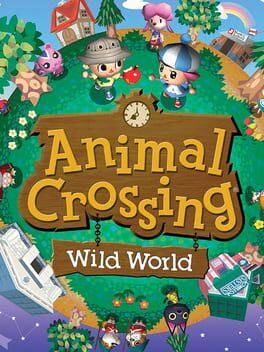
Animal Crossing: Wild World is a faithful portable translation of the GameCube original, with the same fishing, bug-catching, fossil-hunting, and chatty animal neighbors on a real-time calendar. It introduced online play for the DS.
Key difference: Smaller town, no weather or true outdoor roof, portable focus.
Best for: Those seeking the original experience on DS.
Skip if: You need a large, visually rich town to feel immersed.
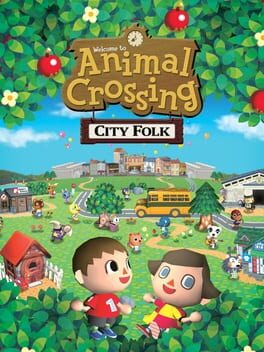
Animal Crossing: City Folk brings the life-sim loop to the Wii with a new city district to visit for shops and entertainment, while retaining the familiar real-time town rhythm. It's a comfortable middle entry in the series.
Key difference: Adds an explorable city hub outside your town.
Best for: Wii owners or fans curious about the city feature.
Skip if: You want significant evolution over earlier entries.
Stardew Valley blends farming, mining, and community life in a cozy pixel-art town where you tend crops, give gifts to villagers, and attend seasonal festivals — all on a real in-game calendar with relationship depth similar to AC's neighbor bonds.
Key difference: Farming and combat dungeons replace pure collecting and decorating.
Best for: Players who want a goal-driven progression alongside the coziness.
Skip if: You only want pure life-sim with no resource grind or combat.
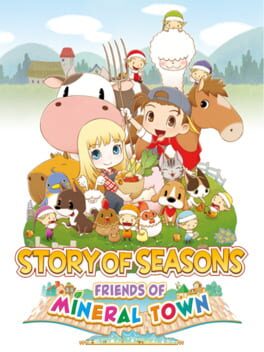
Story of Seasons blends farm management with townsfolk relationships, seasonal events, and gift-giving in a small rural community — the closest spiritual cousin to AC before Stardew popularised the genre.
Key difference: Farming and livestock management are the primary daily loop.
Best for: Players who want structured farm goals alongside community bonds.
Skip if: You dislike crop-watering routine or livestock care.
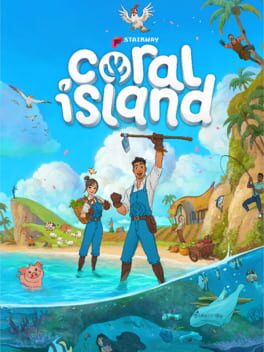
Coral Island is a modern life-sim with a tropical village, villager relationships, seasonal events, museum donations, and eco-themed diving — it mirrors AC's collector loop in vibrant 3D.
Key difference: Farming loop, ocean diving mini-games, and romance system added.
Best for: AC fans wanting a Stardew-style 3D update with AC's tropical feel.
Skip if: You want pure town-sim without farming or resource management.
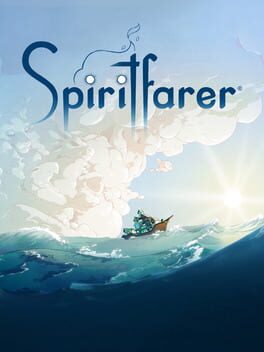
Spiritfarer has you build and manage a boat-home for deceased animal spirits, deepening relationships through quests and care — AC's neighbor-bond warmth elevated into an emotional narrative.
Key difference: Emotional story about death and farewell; spirits eventually leave.
Best for: AC fans who want meaningful NPC arcs and tearful storytelling.
Skip if: You want cheerful, low-stakes community life with no loss.
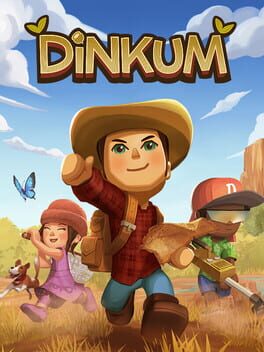
Dinkum drops you in an Australian outback island where you invite animal settlers, collect native creatures for a museum, fish, and build up a community — almost beat-for-beat the AC formula in a new skin.
Key difference: Australian setting, crafting focus, and deeper resource management.
Best for: AC players who want the exact same loop in a fresh, outback world.
Skip if: You dislike resource gathering or early-game item management.
Animal Crossing: Pocket Camp distills the series into a campsite-building mobile game, letting you craft furniture, befriend villager animals, and complete daily tasks. The core social loop is intact, though monetization is heavier.
Key difference: Mobile free-to-play with significant gacha/monetization elements.
Best for: AC fans wanting a quick daily mobile fix.
Skip if: You dislike free-to-play progression systems.
My Time at Portia is a 3D life-sim where you rebuild your father's workshop in a sunny pastoral town, befriending a cast of quirky NPCs, completing crafting commissions, and attending seasonal festivals — much like AC's community spirit in 3D.
Key difference: Workshop crafting and light combat are central to progression.
Best for: AC fans wanting a 3D world with deeper story and crafting.
Skip if: You dislike resource gathering or light action combat.
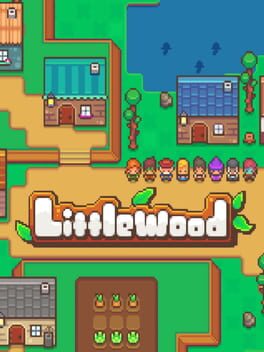
Littlewood is a post-adventure town-building sim where you help amnesiac townsfolk settle in, decorate the village, and enjoy seasonal festivals — AC's community and curation without any threat.
Key difference: Top-down pixel art; no real-time clock; fully open schedule.
Best for: AC fans wanting pure town decoration with zero pressure or combat.
Skip if: You need a real-time clock or 3D world to stay engaged.
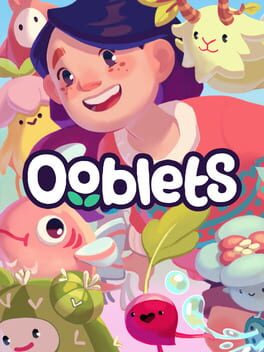
Ooblets mixes farming, creature collecting, and village life in a colourful world filled with quirky NPCs and dance battles — its cheerful tone and collection loop echo AC's gentle appeal.
Key difference: Creature dance-battle card system replaces collecting and decorating.
Best for: AC fans who want cute creature companions and a vibrant social town.
Skip if: You dislike card-game mechanics or prefer traditional life-sim loops.
Graveyard Keeper is a dark-comedy life sim where you manage a medieval graveyard, befriend quirky townsfolk, grow a garden, and unlock skills across seasons — sharing AC's loop of daily tasks, NPC gifting, and community building.
Key difference: Macabre tone, moral choices, and grindy skill-tree progression.
Best for: AC fans who want a darker, weirder twist on the life-sim loop.
Skip if: You prefer wholesome, stress-free gameplay with no dark humor.
Minecraft shares Animal Crossing's open-ended sandbox spirit and kid-friendly creativity, letting players build freely, gather resources, and shape their world at their own pace without a required goal.
Key difference: Survival, combat, and near-infinite procedural world dominate the loop.
Best for: Players who want sandbox creativity with more depth and danger.
Skip if: You want cozy social life-sim with no combat or resource danger.
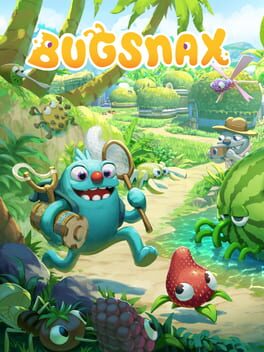
Bugsnax blends creature-collecting and NPC relationship-building in a cheerful, mystery-wrapped island setting — you interview quirky characters and feed them to transform them, echoing AC's sense of knowing your town's odd cast.
Key difference: Creature-catching puzzle gameplay within a narrative mystery.
Best for: AC fans who want a short, story-driven creature adventure.
Skip if: You want an open-ended sandbox with no set ending.
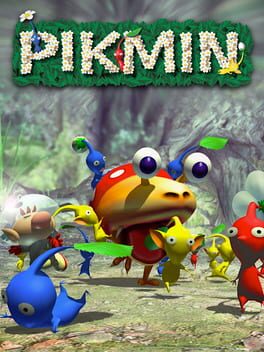
Pikmin shares Animal Crossing's Nintendo GameCube origins and peaceful outdoor exploration, tasking you with collecting items across a colorful natural world while managing a small community of followers.
Key difference: Real-time strategy and time pressure replace relaxed life-sim pacing.
Best for: Fans of Nintendo's gentle design philosophy wanting light strategy.
Skip if: You want zero pressure or time constraints in your gameplay.
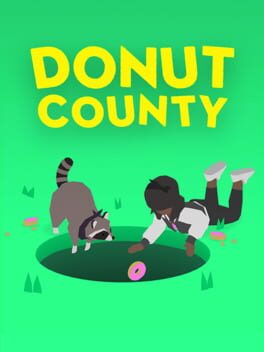
Donut County is a breezy, narrative-driven puzzle game with a wacky animal-populated town and gentle humor reminiscent of AC's whimsical cast — you play as a hole swallowing the town piece by piece.
Key difference: Linear one-to-two-hour puzzle story with no sandbox or replay loop.
Best for: AC fans wanting a short, charming palette cleanser.
Skip if: You want ongoing daily play or community building.
Terraria's sandbox crafting and exploration share Animal Crossing's spirit of building a home, gathering items, and populating a town with NPC residents over time — but in a 2D action world.
Key difference: Side-scrolling action and boss combat are central to progression.
Best for: Players wanting an AC-style town but with deep combat and exploration.
Skip if: You dislike combat or pixel-art action gameplay.
Island terraforming and crafting system replace town-found furniture.
Nintendo
Animal Crossing: New Leaf
95%
Simulator, Fantasy
You are mayor with town-shaping powers, not just a resident.
Nintendo
Animal Crossing: Wild World
90%
Simulator, Sandbox
Smaller town, no weather or true outdoor roof, portable focus.
Nintendo
Animal Crossing: City Folk
87%
Simulator, Sandbox
Adds an explorable city hub outside your town.
Nintendo
Stardew Valley
85%
Simulator, Fantasy
Farming and combat dungeons replace pure collecting and decorating.
PlayStation, PC, Nintendo, Mobile, Xbox
Story of Seasons: Friends of Mineral Town
82%
Simulator, Fantasy
Farming and livestock management are the primary daily loop.
Xbox, PlayStation, PC, Nintendo
Coral Island
80%
Simulator, Sandbox
Farming loop, ocean diving mini-games, and romance system added.
Xbox, PC, PlayStation
Spiritfarer
78%
Simulator, Fantasy
Emotional story about death and farewell; spirits eventually leave.
PlayStation, PC, Xbox, Nintendo
Dinkum
75%
Simulator, Sandbox
Australian setting, crafting focus, and deeper resource management.
Nintendo, PC
Animal Crossing: Pocket Camp
74%
Simulator, Sandbox
Mobile free-to-play with significant gacha/monetization elements.
Mobile
My Time at Portia
72%
Simulator, Fantasy
Workshop crafting and light combat are central to progression.
PlayStation, Mobile, PC, Xbox, Nintendo
Littlewood
72%
Simulator, Fantasy
Top-down pixel art; no real-time clock; fully open schedule.
PC, Nintendo
Ooblets
68%
Simulator
Creature dance-battle card system replaces collecting and decorating.
Xbox, PC, Nintendo
Graveyard Keeper
60%
Simulator, Fantasy
Macabre tone, moral choices, and grindy skill-tree progression.
PlayStation, PC, Mobile, Xbox, Nintendo
Minecraft: Java Edition
55%
Simulator, Fantasy
Survival, combat, and near-infinite procedural world dominate the loop.
PC
What makes a game truly feel like Animal Crossing?
Three pillars define the Animal Crossing experience: a living community of characters who remember you and change over time, a collection and curation loop (fossils, fish, bugs, furniture), and low-pressure pacing with no lose condition. Games that nail all three feel unmistakably similar; those that only share a sandbox tag often miss the mark entirely.
Within the candidate pool, the Animal Crossing sequels — New Leaf, New Horizons, Wild World, and City Folk — are the purest expressions of all three pillars. Stardew Valley is the strongest third-party alternative, trading the decorating-first loop for a farming one while preserving everything else.
Best hidden-gem alternatives most lists miss
My Time at Portia is frequently overlooked but delivers a 3D life-sim town with seasonal festivals, gift-giving to a large cast of NPCs, and a satisfying crafting commission loop — it is the most underrated Animal Crossing substitute in 3D. Dinkum is an even closer structural clone, replacing the GameCube village with an Australian outback island where you invite settlers, fill a museum, and catch exotic fauna.
Littlewood deserves special mention for stripping the formula down to its purest form: you decorate a village, invite settlers, and enjoy seasonal events with zero combat or failure states — the most stress-free option on this entire list for players who love AC's calmest moments.
If you want the real-time clock and seasonal events specifically
The real-time seasonal calendar is one of Animal Crossing's most beloved features, and very few games replicate it. Within Nintendo's own lineup, all mainline Animal Crossing entries — including Animal Crossing: City Folk and Animal Crossing: Pocket Camp — keep the real-time clock. Outside the series, Stardew Valley and Story of Seasons use an internal in-game calendar with distinct seasonal events and festivals that capture the same feeling of anticipation, even if they don't run on your real-world clock.
What is the closest game to Animal Crossing on PC?
Stardew Valley is the closest PC equivalent, sharing Animal Crossing's community of NPC villagers, seasonal festivals, museum donations, and low-pressure daily loop — supplemented by a farming system. Coral Island and Dinkum are also strong PC picks that hew even closer to the AC structure.
Is Stardew Valley basically Animal Crossing?
They share the same cosy life-sim spirit — both have NPC villagers with distinct personalities, seasonal events, a museum to fill, and a satisfying daily task loop. The key difference is that Stardew Valley centres on farming and includes light combat in mines, whereas Animal Crossing has no fail states or required resource loop. Stardew feels more goal-driven; AC feels more like pure habitation.
Are there any Animal Crossing games on Switch besides New Horizons?
Animal Crossing: New Horizons (2020) is the main Switch entry, but Animal Crossing: Pocket Camp is a free-to-play mobile game that can be played on phones. The earlier entries — New Leaf (3DS), City Folk (Wii), and Wild World (DS) — are not on Switch natively but remain playable on their original hardware.
What Animal Crossing game should I start with?
Animal Crossing: New Horizons is the best starting point for new players thanks to its polished visuals, island customisation tools, and the largest quality-of-life improvements in the series. If you want the game that longtime fans regard most fondly, Animal Crossing: New Leaf on 3DS is considered the community's favourite for its mayor system and charm.
What should I play after finishing Animal Crossing: New Horizons?
Stardew Valley is the most natural next step, offering a similarly cosy daily loop with more structured goals. After that, My Time at Portia and Dinkum give you 3D worlds that mirror AC's community-building closely. For a shorter, narrative twist on the same warm-and-quirky NPC formula, Spiritfarer is a deeply moving follow-up.
 97%
97%