RuneScape's enduring appeal comes from its radical freedom: there is no single correct way to play. You can spend an entire session fishing, smithing, completing puzzle-heavy quests with genuinely funny writing, or slowly grinding a combat skill toward the next milestone — and all of it feels like meaningful progress. That non-linear skill web, persistent player-driven economy, and living fantasy world that keeps expanding are the true core of what RuneScape is.
When players search for games like RuneScape they're really looking for one or more of these things: a fantasy world you can inhabit long-term, a skill or progression system that rewards patience, the social buzz of a shared persistent world, or that particular sandbox feeling of setting your own goals and quietly grinding toward them. The best recommendations match whichever of those dimensions matters most to you.
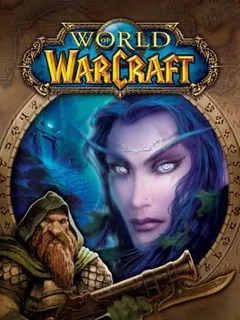
Top pick: The single closest pick is World of Warcraft — it's the only game in this list that matches RuneScape across nearly every dimension simultaneously: a persistent high-fantasy open world, deep character progression tied to long-term play, a player-driven economy, guild social structures, and an enormous catalogue of quests ranging from silly to epic. If you want the MMORPG genre RuneScape pioneered but with a larger active player base and polished group content, WoW is the answer.
Some store buttons are affiliate links — we may earn a commission at no extra cost to you.
World of Warcraft is the quintessential fantasy MMORPG sharing RuneScape's core loop of questing, dungeon runs, and persistent character advancement in a living open world. Both games revolve around long-term skill/class progression, a player-driven economy, and a sprawling fantasy continent stuffed with lore.
Key difference: Far more class-locked and combat-focused; less sandbox skill freedom.
Best for: Players who want polished group content and structured endgame raids.
Skip if: You dislike subscription models or rigid class systems.
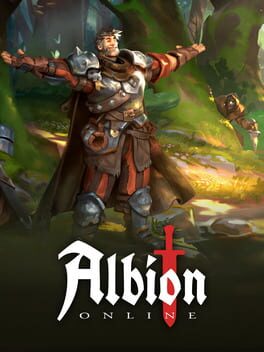
Albion Online is the closest structural match to RuneScape: a browser-accessible sandbox MMORPG where skill progression is tied to what equipment you use, a fully player-driven economy governs all trade, and PvP, crafting, and gathering are equally valid paths.
Key difference: Full-loot PvP in open zones; far harsher risk/reward than RuneScape.
Best for: RuneScape players who want a modern take on the same sandbox MMORPG formula.
Skip if: You dislike full-loot PvP or mobile-style interface design.
Final Fantasy XIV Online is a polished fantasy MMORPG with deep questing, crafting professions you can level as alternate paths, and a player economy — echoing RuneScape's 'do everything on one character' philosophy.
Key difference: Heavily story-driven and more linear in progression than RuneScape's sandbox.
Best for: Players who want MMORPG depth paired with a cinematic narrative.
Skip if: You dislike mandatory story quests gating endgame content.
The Elder Scrolls Online brings the TES open world into MMORPG form with questing, crafting guilds, and player-driven trade — familiar territory for RuneScape veterans who want a persistent fantasy world to inhabit with others.
Key difference: Action combat replaces menu-based or click combat.
Best for: Players who want an MMORPG with rich solo-friendly questing.
Skip if: You need a strong group-endgame scene; ESO's is thinner than WoW's.
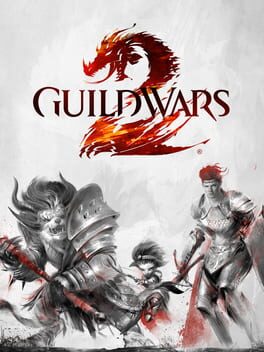
Guild Wars 2 is a buy-to-play fantasy MMORPG with dynamic world events, deep crafting, a living world that evolves over time, and no mandatory subscription — its philosophy of player freedom mirrors RuneScape's approachable, non-gated structure.
Key difference: No subscription fee; action combat replaces traditional tab-targeting.
Best for: Players wanting a modern MMORPG without a monthly payment commitment.
Skip if: You want classic tab-target MMO combat or deep PvP systems.
Morrowind's deep skill-based character system — where every action levels its corresponding skill — closely mirrors RuneScape's philosophy of 'you are what you train.' Its alien open world rewards exploration and patient grinding in ways that feel spiritually identical.
Key difference: Single-player only; no economy, no multiplayer interaction.
Best for: RuneScape fans who love lore-heavy questing and non-combat skill paths.
Skip if: You need modern production values or fast-paced action combat.
Stardew Valley captures RuneScape's signature 'grind whatever you enjoy today' loop through farming, fishing, mining, crafting, and relationship-building, each with its own progression track. The freedom to pick your activity each session is nearly identical in feel.
Key difference: No combat focus, no open world; confined to a single farm and valley.
Best for: Players drawn to RuneScape's non-combat skills over PvP or combat.
Skip if: You primarily play RuneScape for combat, bossing, or PvP.
Path of Exile's enormous passive skill web, deep crafting economy, and endless replayability through its Atlas endgame evoke RuneScape's 'never stop growing' character progression philosophy in a dark fantasy action-RPG.
Key difference: Action-ARPG combat only; no gathering, crafting professions, or open world.
Best for: RuneScape players who love build theorycrafting and deep endgame grinding.
Skip if: You play RuneScape mainly for questing or non-combat skills.
Skyrim's open-ended skill system — level what you use, mix any playstyle — echoes RuneScape's character freedom in a rich fantasy open world full of quests and exploration.
Key difference: Single-player; no economy, trading, or community interaction.
Best for: Players wanting RuneScape's fantasy sandbox depth in a solo format.
Skip if: You need the social and economic multiplayer layer RuneScape provides.
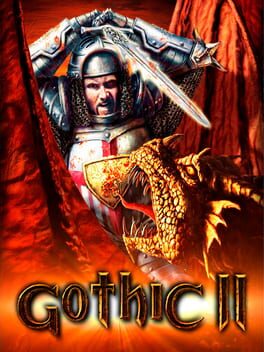
Gothic II is a gritty fantasy open-world RPG where reputation, faction allegiance, and slow stat progression create a sense of earned power very similar to RuneScape's grind-for-status feel. Its world is dense, interconnected, and rewards patient players.
Key difference: Third-person action combat; no multiplayer or economy systems.
Best for: Hardcore RuneScape veterans who want a demanding solo fantasy RPG.
Skip if: You dislike dated graphics or punishing early-game difficulty.
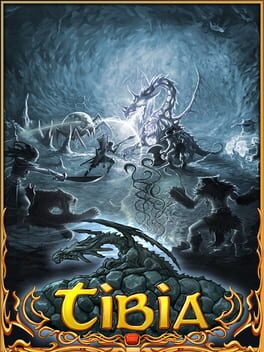
Tibia is a classic browser-based MMORPG from 1997 that shares RuneScape's top-down pixel art style, grinding-based skill progression, and open PvP servers — a true peer from the same era of MMO design.
Key difference: Extremely dated graphics and UI; brutal death penalties.
Best for: Hardcore RuneScape old-schoolers who want zero-compromise grinding MMOs.
Skip if: You need modern production values or casual-friendly design.
Terraria is a 2D sandbox where mining, crafting, fishing, building, and combat all operate as parallel skill trees you pursue freely — structurally very close to RuneScape's non-linear progression. It also supports multiplayer, preserving the social element.
Key difference: 2D side-scroller platformer presentation; no persistent online world.
Best for: Players who love RuneScape's crafting and gathering loops over its questing.
Skip if: You need a 3D open world or structured MMO questing.
Neverwinter Nights is a D&D-based fantasy RPG with extensive community-made persistent online worlds — some of which were explicitly designed as MMORPG-style servers mirroring RuneScape's persistent economy and social play.
Key difference: Requires community servers for MMO feel; base game is single-player.
Best for: Players who want tabletop RPG depth in a fantasy online setting.
Skip if: You need a modern game with active official servers.
Fable wraps a lighthearted high-fantasy world around the same 'actions define your character' progression loop RuneScape uses, rewarding playtime with visible skill growth across combat and non-combat disciplines.
Key difference: Linear story structure; single-player with no economy or persistent world.
Best for: RuneScape fans seeking a more narrative-driven fantasy RPG experience.
Skip if: You want long-term grinding depth or multiplayer social systems.
Minecraft's survival mode shares RuneScape's core gathering-crafting-building loop in an open sandbox world, and its multiplayer servers replicate the social community feel of RuneScape's servers.
Key difference: No quests, no character stats, no narrative; purely emergent gameplay.
Best for: Players drawn to RuneScape's gathering and crafting over RPG structure.
Skip if: You need guided quests, skill trees, or story progression.
Dragon Age: Origins features deep fantasy world-building, class-based skill progression, and faction questing that fans of RuneScape's lore-heavy quest lines will enjoy. Its strategic party combat offers a satisfying alternative to RS's click-based system.
Key difference: Party-based tactical combat; single-player, no open world or economy.
Best for: RuneScape players who want story-rich questing and complex world lore.
Skip if: You want a sandbox or multiplayer experience.
Diablo II's loot-grinding loop, fantasy setting, and class-based skill trees share RuneScape's satisfying dopamine rhythm of killing monsters and watching your character grow stronger over many sessions.
Key difference: Linear dungeon-crawler focus; no sandbox skills, no economy or open world.
Best for: RuneScape players who love bossing and loot progression above all else.
Skip if: You want non-combat skills, open-world exploration, or a true sandbox.
Baldur's Gate III offers deep fantasy questing, flexible character progression, and a world that rewards curiosity — appealing to RuneScape veterans who love elaborate quest writing and meaningful NPC interactions.
Key difference: Turn-based tactical combat; single-player/co-op, not an MMO.
Best for: RuneScape quest enthusiasts who want the best-written fantasy RPG quests.
Skip if: You want grinding, a persistent world, or an economy system.
Far more class-locked and combat-focused; less sandbox skill freedom.
PC
Albion Online
91%
Role-playing (RPG), Fantasy
Full-loot PvP in open zones; far harsher risk/reward than RuneScape.
Xbox, PC, Mobile
Final Fantasy XIV Online
84%
Role-playing (RPG), Action
Heavily story-driven and more linear in progression than RuneScape's sandbox.
Xbox, PlayStation, Nintendo, PC
The Elder Scrolls Online
83%
Role-playing (RPG), Adventure
Action combat replaces menu-based or click combat.
Xbox, PlayStation, PC
Guild Wars 2
80%
Role-playing (RPG), Adventure
No subscription fee; action combat replaces traditional tab-targeting.
PC
The Elder Scrolls III: Morrowind
76%
Role-playing (RPG), Adventure
Single-player only; no economy, no multiplayer interaction.
Xbox, PC
Stardew Valley
72%
Role-playing (RPG), Adventure
No combat focus, no open world; confined to a single farm and valley.
PlayStation, PC, Nintendo, Mobile, Xbox
Path of Exile
72%
Role-playing (RPG), Adventure
Action-ARPG combat only; no gathering, crafting professions, or open world.
PlayStation, PC, Xbox
The Elder Scrolls V: Skyrim
71%
Role-playing (RPG), Adventure
Single-player; no economy, trading, or community interaction.
PlayStation, PC, Xbox
Gothic II
70%
Role-playing (RPG), Adventure
Third-person action combat; no multiplayer or economy systems.
PC
Tibia
70%
Role-playing (RPG), Adventure
Extremely dated graphics and UI; brutal death penalties.
PC
Terraria
68%
Role-playing (RPG), Adventure
2D side-scroller platformer presentation; no persistent online world.
PlayStation, PC, Nintendo, Mobile, Xbox
Neverwinter Nights
67%
Role-playing (RPG), Adventure
Requires community servers for MMO feel; base game is single-player.
PC
Fable
63%
Role-playing (RPG), Adventure
Linear story structure; single-player with no economy or persistent world.
Xbox
Minecraft: Java Edition
62%
Adventure, Fantasy
No quests, no character stats, no narrative; purely emergent gameplay.
PC
What makes a game truly feel like RuneScape?
The key ingredients are skill progression that rewards time investment across multiple disciplines (not just combat), a sandbox freedom to ignore the critical path, and ideally a social world where other players shape the economy and community. World of Warcraft and Final Fantasy XIV Online nail the MMO social layer; The Elder Scrolls III: Morrowind best replicates the 'level what you use' skill philosophy in a solo context; and Stardew Valley captures the 'choose your grind' sandbox loop more faithfully than most people expect.
RuneScape is also unusual in how seriously it takes non-combat content — fishing, herblore, farming, and construction are full progression tracks. For that specific itch, Stardew Valley and Terraria are the most honest non-MMORPG alternatives, offering meaningful gathering and crafting progressions that never feel like filler.
Best picks if you want the MMORPG social layer
If the persistent online world and player economy are what you miss most, prioritise World of Warcraft (classic or retail), Final Fantasy XIV Online, or The Elder Scrolls Online. All three maintain active player bases and auction-house economies. The hidden standout not in this candidate list is Albion Online, which is structurally the closest MMORPG to RuneScape: a fully player-driven economy, skill progression tied to equipment use rather than a fixed class, and meaningful crafting and gathering as first-class activities.
Guild Wars 2 is also worth highlighting for players who want an MMO without a monthly subscription — its buy-to-play model and dynamic world events make it unusually accessible for a genre RuneScape itself helped define.
If you want RuneScape's sandbox depth in a solo game
The Elder Scrolls III: Morrowind is the most underrated pick here: its skill system rewards doing rather than choosing, meaning your character is literally shaped by what you practise, exactly like RuneScape. Gothic II is the hidden gem of this list — a tough, rewarding fantasy open world where reputation and slow progression create the same sense of earned power long-time RuneScape players crave. Neither has multiplayer, but both offer dozens of hours of patient, goal-driven progression that scratches the same itch.
Albion Online is the structurally closest match — it's a sandbox MMORPG with fully player-driven economy, skill progression tied to what you equip rather than a fixed class, and meaningful crafting and gathering, all of which directly mirror RuneScape's design philosophy. Among games in major storefronts, World of Warcraft is the most popular alternative offering a comparable persistent fantasy MMO world.
Is there a free game like RuneScape?
RuneScape itself is free-to-play with a membership option. Among alternatives, World of Warcraft has a free trial up to level 20, Guild Wars 2 offers a free base edition, and Albion Online has a free-to-play tier. Path of Exile is fully free on PC. Tibia is also free and one of the oldest browser-based MMORPGs with a similar pedigree to RuneScape.
What single-player games are like RuneScape?
The Elder Scrolls III: Morrowind has the most similar skill system — you level skills by using them, across combat and non-combat disciplines. Stardew Valley replicates the sandbox 'choose your grind' loop with fishing, farming, mining, and foraging. Gothic II is a hidden gem offering dense fantasy open-world progression. Fable captures the 'actions shape your character' philosophy in a lighter, more humorous tone.
Are there browser-based games like RuneScape?
Albion Online runs in a browser and is structurally the closest modern MMORPG to RuneScape. Tibia is a classic 1997 browser MMORPG from the same era as early RuneScape, with a similarly grindy skill progression and open PvP. RuneScape also has its own classic server variant — Old School RuneScape — which remains one of the most played browser-accessible MMORPGs in the world.
What should I play after RuneScape if I want something with deep crafting and economy?
Final Fantasy XIV Online has the most robust crafting profession system of any mainstream MMORPG, with crafting and gathering jobs that are entirely separate levelling tracks from combat — a direct parallel to RuneScape's skill structure. Guild Wars 2's trading post economy is also deeply player-driven. Outside of MMOs, Path of Exile has an extraordinarily complex crafting and trading economy if you're comfortable with its action-RPG combat.
 92%
92%