Bloodborne earns its devotion through a specific cocktail: aggressive, gun-parry melee combat that punishes passivity; an interconnected gothic city that rewards exploration with secrets rather than waypoints; and a lore told entirely through implication—item descriptions, cryptic NPC lines, and environmental storytelling that layers Lovecraftian cosmic horror beneath a Victorian monster-hunting premise.
When players ask for "games like Bloodborne" they usually mean one of two things: the punishing, skill-testing action RPG loop (where death is a teacher and every boss is a puzzle), or the gothic horror atmosphere and dense, cryptic world-building. The best recommendations here scratch both itches simultaneously—other FromSoftware titles first, then the wider Soulslike genre, then games that share the thematic horror DNA.
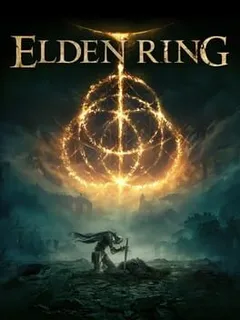
Top pick:Elden Ring is the single closest recommendation: it is FromSoftware at its most ambitious, carrying Bloodborne's demanding combat philosophy, its lore-through-exploration storytelling, and its boss-fight craftsmanship into a breathtaking open world—nothing else on this list matches the density of that overlap.
Some store buttons are affiliate links — we may earn a commission at no extra cost to you.
Elden Ring is FromSoftware's own open-world expansion of the Bloodborne/Dark Souls formula: third-person melee combat demanding aggression and pattern-reading, punishing death loops, and a vast lore told through item descriptions and environmental clues. The gothic horror trades for high fantasy, but the core tension and reward cycle are identical.
Key difference: Open world replaces tight interconnected level design.
Best for: Bloodborne fans who want more FromSoftware craft at massive scale.
Skip if: You specifically crave Bloodborne's fast, gun-parry, beast-horror style.
Dark Souls III is the closest sibling to Bloodborne in pacing—its combat is faster than earlier Souls entries, pushes aggression, and is filled with grotesque boss encounters. The grim, decaying high-fantasy atmosphere shares Bloodborne's weight and dread.
Key difference: Shields and stamina-focused build variety replace trick weapons.
Best for: Players who want the same deliberate challenge with more build flexibility.
Skip if: You disliked slower, more methodical combat loops.
Sekiro: Shadows Die Twice is FromSoftware's most mechanically demanding game, centering combat entirely on posture-breaking and aggressive deflection—arguably even faster and more reflex-driven than Bloodborne. Feudal Japan replaces Victorian gothic horror.
Key difference: No RPG stats or build variety; pure fixed-kit skill game.
Best for: Bloodborne fans who love the aggressive, no-shield philosophy.
Skip if: You prefer character builds and loot over single-character mastery.
Demon's Souls is the spiritual predecessor to Bloodborne—same developer, same hub-and-spoke world design, same oppressive atmosphere of a cursed land in decay. The combat is slower but the tension of losing souls and the dread of each new area are pure Bloodborne DNA.
Key difference: Much slower, more deliberate combat than Bloodborne.
Best for: Those who want to trace FromSoftware's lineage from the very source.
Skip if: You can only stomach aggressive, fast-dodge playstyles.
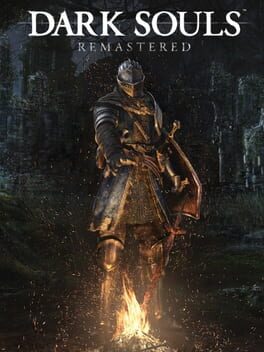
Dark Souls Remastered delivers the original game with improved performance and online stability—the definitive way to play the foundational Soulsborne entry if you haven't yet. Same combat philosophy and oppressive world design as Bloodborne.
Key difference: Remaster only; content identical to the original Dark Souls.
Best for: New players who want the best technical version of Dark Souls.
Skip if: You already played the original Dark Souls extensively.
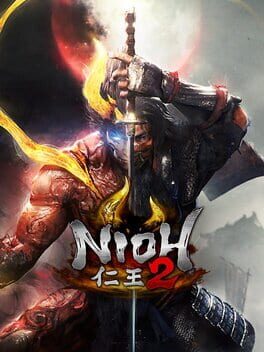
Nioh 2 is a third-person action RPG with punishing stamina-based melee combat, a dark feudal-Japan setting full of demons and grotesque yokai bosses, and deep build customization—often cited as the closest game to Bloodborne's combat difficulty and aggressive style outside FromSoftware.
Key difference: Far deeper loot and build system; more complex stat management.
Best for: Bloodborne fans who want more mechanical depth and boss variety.
Skip if: You prefer simpler character systems and tighter world design.
Lies of P is a 2023 Soulslike set in a dark Belle Époque city overrun by murderous puppets—the gothic European atmosphere and aggressive parry-focused combat are the closest any non-FromSoftware game has come to replicating Bloodborne's specific feel. Boss fights are exceptional.
Key difference: Story is more linear and explicitly told than Bloodborne's cryptic lore.
Best for: Bloodborne fans desperate for something new while awaiting a sequel.
Skip if: You want an open, interconnected world rather than a guided path.
Dark Souls II expands the Souls formula with more build diversity and a wider variety of environments. Its tone is melancholic and strange, sharing Bloodborne's theme of cycles of decay and the cost of power.
Key difference: Weakest interconnected world design of the Souls series.
Best for: Players who want more hours of Souls content and build experimentation.
Skip if: World cohesion and atmosphere are your top priorities.
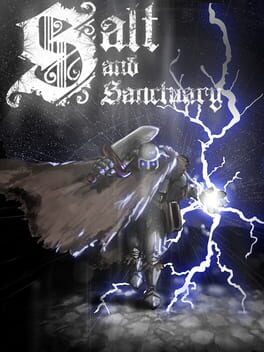
Salt and Sanctuary is a 2D Soulslike with deliberate stamina-based melee combat, bleak gothic horror visuals, boss fights modeled directly on FromSoftware encounters, and a soul-loss mechanic. Its world-building is dense and dark in ways that consciously echo Bloodborne.
Key difference: 2D side-scroller built by a two-person team; rougher presentation.
Best for: Bloodborne fans who want Soulsborne in portable/2D form.
Skip if: You need modern production values or 3D environments.
Hollow Knight is a Metroidvania built on the same pillars as Bloodborne: intricate interconnected level design, punishing but fair combat demanding precise reads, and lore delivered through environmental storytelling and cryptic NPC dialogue in a dying underground kingdom.
Key difference: 2D platformer perspective; no RPG build system.
Best for: Fans of Bloodborne's world-building and exploration more than its 3D combat.
Skip if: You need third-person action or RPG progression to stay engaged.
Blasphemous is a 2D action-platformer soaked in Catholic grotesque imagery and merciless combat—its Penitent One mechanic (guilt from death penalizing health) and oppressive religious horror atmosphere draw clear Bloodborne-adjacent inspiration. Boss design is inventive and punishing.
Key difference: 2D side-scrolling; pixel-art aesthetic rather than photorealistic gothic.
Best for: Bloodborne fans who enjoy dark religious iconography and unforgiving combat.
Skip if: You dislike platformers or 2D action games entirely.
Code Vein is an anime-styled Soulslike set in a post-apocalyptic gothic wasteland—its companion system, blood-drinking mechanics, and boss-centric structure mirror Bloodborne, though the aesthetic is far more manga-influenced.
Key difference: Anime art direction and companion AI fundamentally change the tone.
Best for: Bloodborne fans who want Soulslike mechanics with JRPG aesthetics.
Skip if: You want gritty realism or Lovecraftian horror themes.
Remnant: From the Ashes is a third-person Soulslike built around firearms rather than melee—procedurally generated dungeons, stamina management, boss-centric progression, and dark cosmic horror themes all echo Bloodborne's structure, with the bonus of co-op support.
Key difference: Shooter-primary combat; procedural levels reduce world artistry.
Best for: Bloodborne fans who want co-op and ranged-combat variety.
Skip if: Pure melee mastery is core to your enjoyment of the genre.
Darkest Dungeon channels gothic Lovecraftian horror more directly than almost any other game—a cursed estate, sanity-eroding monsters, and punishing resource management. The top-down tactical RPG combat is entirely different, but the thematic DNA is unmistakably Bloodborne-adjacent.
Key difference: Turn-based tactical RPG; no real-time action combat at all.
Best for: Bloodborne fans who love the Lovecraftian cosmic-horror theme above all else.
Skip if: Real-time action combat is non-negotiable for you.
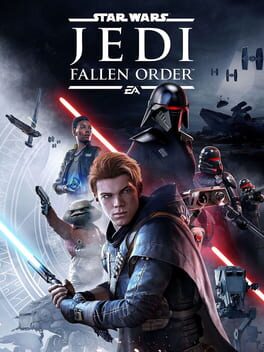
Fallen Order borrows Bloodborne's interconnected world design, respawning enemies on rest, and parry-focused melee combat directly—the Soulslike skeleton is clear under a Star Wars skin with narrative structure added on top.
Key difference: Story-driven Star Wars IP with checkpointed narrative beats.
Best for: Players who want Soulslike combat but with a more guided story.
Skip if: You want punishing death loops and cryptic lore over handholding.
NieR: Automata shares Bloodborne's commitment to action-focused third-person combat with deep philosophical lore, monstrous enemies, and a haunting, desolate world. Combat is faster and more stylish, and the game breaks genre conventions as aggressively as Bloodborne breaks player expectations.
Key difference: Sci-fi post-apocalypse replaces gothic horror; far more narrative-heavy.
Best for: Bloodborne fans who love lore density and tonal dread in a different setting.
Skip if: You want punishing death loops and resource tension over story.
The Evil Within is a third-person survival horror action game from Resident Evil creator Shinji Mikami, with grotesque creature design, punishing resource scarcity, and a nightmare logic to its environments. Tense melee-and-gun encounters recall Bloodborne's desperation when cornered.
Key difference: Third-person shooter hybrid rather than pure melee action RPG.
Best for: Players who love Bloodborne's horror atmosphere and want a more cinematic survival horror.
Skip if: You dislike horror-genre storytelling or resource-starvation tension.
God of War (2018) shares Bloodborne's third-person melee focus with weighty, deliberate combat, mandatory learning of enemy patterns, and a rich mythological lore. Its Norse world is violent and foreboding even if more narrative-driven than Bloodborne.
Key difference: Far more story-driven and accessible; no punishing death-loop philosophy.
Best for: Bloodborne fans who want great melee combat with a more cinematic payoff.
Skip if: Challenge and permanent consequence are what motivate you.
Silent Hill 2 is the gold standard of psychological horror atmospheric design—its fog-choked town, grotesque monster symbolism, and sense of dread without explanation are the closest non-action parallel to Bloodborne's tone and storytelling philosophy.
Key difference: Survival horror exploration; combat is intentionally clunky, not a skill system.
Best for: Bloodborne fans who prize atmospheric horror and cryptic narrative above combat.
Skip if: You play Bloodborne primarily for its refined combat mechanics.
PlayStation
65%💎 Gem
Vampire: The Masquerade - Bloodlines 2004
Vampire: The Masquerade – Bloodlines is a cult-classic dark urban RPG set in a world of gothic horror, vampiric power hierarchies, and morally compromised choices—thematic cousins to Bloodborne's Hunter mythos. Character-build depth and atmosphere are its strengths despite aged systems.
Key difference: RPG dialogue and faction systems dominate over action combat.
Best for: Bloodborne fans craving gothic horror world-building and RPG depth.
Skip if: You need polished, modern action combat to stay engaged.
Open world replaces tight interconnected level design.
Xbox, PlayStation, Nintendo, PC
Dark Souls III
96%
Role-playing (RPG), Adventure
Shields and stamina-focused build variety replace trick weapons.
PlayStation, PC, Xbox
Sekiro: Shadows Die Twice
94%
Adventure, Action
No RPG stats or build variety; pure fixed-kit skill game.
PlayStation, PC, Xbox
Demon's Souls
94%
Role-playing (RPG), Adventure
Much slower, more deliberate combat than Bloodborne.
PlayStation
Dark Souls: Remastered
91%
Role-playing (RPG), Adventure
Remaster only; content identical to the original Dark Souls.
PlayStation, PC, Xbox, Nintendo
Nioh 2
91%
Role-playing (RPG), Adventure
Far deeper loot and build system; more complex stat management.
PlayStation
Lies of P
89%
Role-playing (RPG), Adventure
Story is more linear and explicitly told than Bloodborne's cryptic lore.
Xbox, PlayStation, PC
Dark Souls II
87%
Role-playing (RPG), Adventure
Weakest interconnected world design of the Souls series.
PlayStation, PC, Xbox
Salt and Sanctuary
83%
Role-playing (RPG), Adventure
2D side-scroller built by a two-person team; rougher presentation.
PlayStation, PC, Xbox, Nintendo
Hollow Knight
82%
Adventure, Action
2D platformer perspective; no RPG build system.
Xbox, PlayStation, PC, Nintendo
Blasphemous
81%
Role-playing (RPG), Adventure
2D side-scrolling; pixel-art aesthetic rather than photorealistic gothic.
PlayStation, PC, Mobile, Xbox, Nintendo
Code Vein
78%
Role-playing (RPG), Adventure
Anime art direction and companion AI fundamentally change the tone.
PlayStation, PC, Xbox
Remnant: From the Ashes
77%
Role-playing (RPG), Adventure
Shooter-primary combat; procedural levels reduce world artistry.
Xbox, PlayStation, PC, Nintendo
Darkest Dungeon
72%
Role-playing (RPG), Adventure
Turn-based tactical RPG; no real-time action combat at all.
PlayStation, PC, Mobile, Xbox, Nintendo
Star Wars Jedi: Fallen Order
72%
Adventure, Action
Story-driven Star Wars IP with checkpointed narrative beats.
Xbox, PlayStation, PC
What makes a game truly feel like Bloodborne?
The Bloodborne feel rests on three pillars: aggressive third-person melee combat where healing is limited and passive play gets you killed; an interconnected world that opens gradually like a puzzle box rather than a map menu; and environmental storytelling that trusts the player to piece together a disturbing mythology without cut-scene exposition. Games that match all three—Elden Ring, Dark Souls III, Sekiro: Shadows Die Twice, and Demon's Souls—share the same developer and philosophy.
Outside FromSoftware, Lies of P comes closest: its Belle Époque setting, parry-centric combat, and grotesque boss design are an unmistakable love letter to Bloodborne specifically. Hollow Knight and Blasphemous translate the formula to 2D with remarkable fidelity—both punish complacency, reward exploration, and build worlds through environmental detail rather than exposition.
If you love Bloodborne's Lovecraftian horror themes more than its combat
Darkest Dungeon is the purest thematic match in this pool: a cursed gothic estate, sanity-eroding eldritch enemies, and the explicit influence of H.P. Lovecraft running through every encounter. The combat is turn-based, but no other game captures the specific dread of encroaching cosmic horror quite as directly. Silent Hill 2 offers the closest atmospheric parallel—its fog-shrouded town and symbolism-drenched monster design follow the same design philosophy as Yharnam's streets.
For something that blends horror atmosphere with action closer to Bloodborne's pace, The Evil Within and Resident Evil Village both pit you against grotesque, overwhelming enemies in gothic European settings with scarce resources—the tension of being outmatched translates even if the combat systems differ.
Best Bloodborne alternatives if you want co-op or want to ease into the genre
Remnant: From the Ashes is the most approachable entry point: it keeps the Soulslike structure (stamina, boss checkpoints, death loops) but uses third-person gunplay and supports full co-op, making its punishing encounters more survivable with a friend. It is an underrated gem that most "games like Bloodborne" lists skip. Nioh 2 (not in the candidate pool but strongly recommended) supports co-op as well and arguably matches Bloodborne's combat depth beat for beat.
For players who want to feel the full Soulsborne experience with a gentler difficulty curve, Star Wars Jedi: Fallen Order borrows the interconnected world and parry-system directly but adds generous checkpointing and a story structure that provides clearer direction—a legitimate gateway drug to FromSoftware's harder titles.
Most players find Elden Ring slightly easier overall because the open world allows you to level up elsewhere when blocked—but its late-game bosses match Bloodborne's hardest encounters. Bloodborne is often considered harder in the early game due to its aggressive pacing and limited build flexibility.
What is the closest game to Bloodborne that isn't made by FromSoftware?
Lies of P (2023) is the closest non-FromSoftware game: it shares Bloodborne's Belle Époque gothic setting, its parry-focused aggressive combat, and its cryptic lore structure. Nioh 2 is the second strongest match for pure combat depth.
Are the Dark Souls games harder than Bloodborne?
Dark Souls 1 and 2 are generally considered more forgiving due to slower pacing and shields; Dark Souls 3 is comparable in difficulty to Bloodborne; Sekiro is widely considered harder. All share the same studio and design philosophy.
Is God of War (2018) similar to Bloodborne?
Partially—both feature weighty third-person melee combat with enemy pattern-learning and dark mythological world-building. However God of War is significantly more story-driven and accessible, without death-loop resource mechanics or cryptic exploration. It's a good game for Bloodborne fans who want great melee combat but not punishing difficulty.
Does Hollow Knight really feel like Bloodborne?
Yes, surprisingly so. Hollow Knight shares the interconnected world design, the soul-loss death mechanic, the lore-through-exploration storytelling, and the precise skill-testing combat philosophy. It's 2D rather than 3D, but the structural and tonal overlap is genuine—many Bloodborne fans consider it essential.
 98%
98%