Hollow Knight's appeal comes down to three interlocking pillars: a seamlessly interconnected hand-crafted map you uncover on your own terms, precise and deeply expressive melee combat that escalates through challenging boss encounters, and a mournful, wordless world whose lore you reconstruct from fragments. No waypoints, no hand-holding — just you, a nail, and a kingdom of secrets.
When players ask for "games like Hollow Knight" they're usually chasing one or more of those pillars: the metroidvania exploration loop, the boss-fight tension, or the atmospheric mystery. The best recommendations nail at least two of the three — and the picks below are ordered accordingly.
Top pick:Castlevania: Symphony of the Night is the single closest pick: it invented the exploration-and-ability-unlock formula Hollow Knight perfects, wraps it in the same gothic atmospheric dread, and delivers some of gaming's most iconic boss encounters — if you haven't played it yet, it should be your very next game.
Some store buttons are affiliate links — we may earn a commission at no extra cost to you.
24 games like Hollow Knight
96%
Castlevania: Symphony of the Night 1997
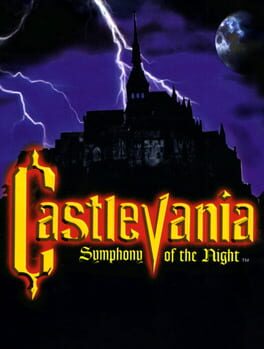
Castlevania: Symphony of the Night literally invented half the genre label; you roam a vast, interconnected gothic castle, unlock new movement powers, and fight ornate bosses in exactly the same exploratory loop Hollow Knight perfects. The dark atmosphere and baroque lore delivery are near-identical in spirit.
Key difference: RPG stat/equipment layer; less demanding precision combat.
Best for: Players who want the purest metroidvania lineage.
Hollow Knight: Silksong is Team Cherry's direct follow-up, starring Hornet with an even more movement-rich combat system in a brand-new insect kingdom. If you want more of exactly what Hollow Knight is, this is the unambiguous answer.
Key difference: New protagonist; faster, acrobatic combat style.
Best for: Anyone who wants more Hollow Knight immediately.
Super Metroid is the other half of 'metroidvania' — a solitary explorer in an oppressive alien world, unlocking movement abilities to access new map regions and backtrack. The lonely, atmospheric tension and boss-gated progression mirror Hollow Knight almost point-for-point.
Key difference: Sci-fi setting; far shorter; projectile-focused combat.
Best for: Anyone who wants the genre's most essential foundation.
Salt and Sanctuary is a 2D Soulslike that combines Dark Souls' punishing melee combat and cryptic lore with a metroidvania map — arguably the closest structural match to Hollow Knight outside Team Cherry's own work.
Key difference: Soulslike stamina/build RPG systems are more complex.
Best for: Players who want Hollow Knight's structure with Dark Souls depth.
Skip if: You dislike stamina-based resource management in combat.
Metroid Dread is the modern canonical 2D Metroid — fluid ability-gating exploration, tight combat against a hostile alien world, and a tense atmosphere, all in a polished interconnected map. It matches Hollow Knight in feel and pacing almost perfectly.
Key difference: Pursuit/EMMI stealth sequences add a horror dimension.
Best for: Players who want Hollow Knight's quality in a premium modern package.
Skip if: You don't own a Nintendo Switch.
PC
91%
Blasphemous 2019
Blasphemous is a 2D metroidvania soaked in grotesque Spanish Catholic imagery, with precise, punishing melee combat and a labyrinthine world full of cryptic lore — the closest spiritual twin to Hollow Knight in tone and mechanical feel. Boss encounters demand the same tight-window reactions.
Key difference: Far more oppressive religious horror aesthetic; less fluid movement.
Best for: Players who want Hollow Knight's darkness cranked even higher.
Skip if: You bounced off Hollow Knight's difficulty.
Metroid: Zero Mission is a polished GBA reimagining of the original Metroid — same isolated-explorer-in-hostile-world formula, tight ability gating, and map-mastery satisfaction that Hollow Knight feeds off. One of the genre's best compact entries.
Key difference: Projectile-based combat; shorter runtime; sci-fi not fantasy.
Best for: Players who want a self-contained, perfectly paced metroidvania.
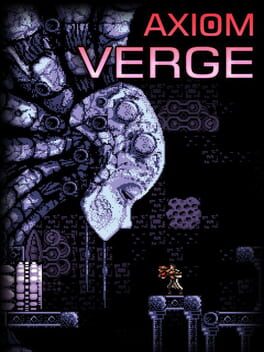
Axiom Verge is a love-letter to Super Metroid with a dense, alien interconnected world, ability-gated exploration, and cryptic sci-fi lore that rewards careful map study — the same core loop as Hollow Knight in a retro aesthetic.
Key difference: Projectile/glitch-gun combat instead of melee; pixel-retro look.
Best for: Players who want a pure metroidvania with deep hidden secrets.
Ori and the Blind Forest shares the 2D metroidvania backbone — ability-gated exploration, a melancholic world steeped in environmental storytelling, and a strong emotional atmosphere. It trades Hollow Knight's combat depth for exceptionally precise platforming sequences.
Key difference: Emphasis on platforming over combat; warmer, tearjerking tone.
Best for: Players who loved the exploration and atmosphere more than the fights.
Skip if: You're here specifically for the melee boss challenges.
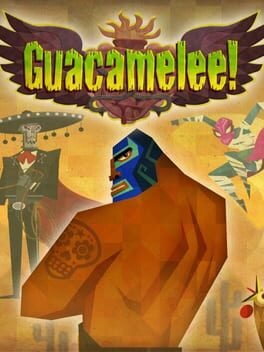
Guacamelee! is a vibrant 2D metroidvania built around a deep hand-to-hand combat system that requires chaining moves to progress — the same loop of exploration, ability unlock, and boss-fight progression as Hollow Knight, dressed in lucha libre comedy.
The sequel to Ori and the Blind Forest adds a proper melee combat system to the series' stunning 2D metroidvania exploration, closing the gap with Hollow Knight considerably while maintaining its gorgeous audiovisual artistry.
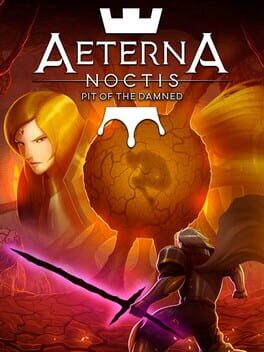
Aeterna Noctis is a demanding 2D metroidvania with hand-drawn art, a vast dark-fantasy world, brutal platforming challenges in optional rooms, and melee combat that builds in complexity — one of the most underrated Hollow Knight successors.
Key difference: More extreme precision platforming spike in challenge rooms.
Best for: Players who want Hollow Knight's scope and difficulty in a lesser-known gem.
Skip if: You're not prepared for very high platforming difficulty.
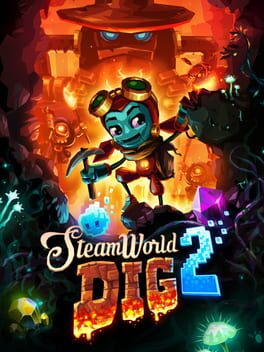
SteamWorld Dig 2 is a tight 2D metroidvania starring a steam-powered robot miner; it shares Hollow Knight's rewarding loop of uncovering hidden map sections, earning upgrades, and gradually opening the world through new abilities. More approachable difficulty.
Hyper Light Drifter is a top-down 2D action game with a cryptic, wordless world whose lore you piece together through environment — the same melancholic mystery Hollow Knight specialises in. Its demanding, reflex-driven sword-and-dash combat is equally precise.
Key difference: Top-down perspective; shorter; no metroidvania backtracking.
Best for: Players who love Hollow Knight's atmosphere and lore delivery.
Skip if: You need the full map-unlock metroidvania structure.
Tunic casts you as a tiny fox exploring a dangerous world with no handholding, piecing together cryptic lore from a fragmented in-game manual — the same spirit of discovery and mystery Hollow Knight delivers. Combat takes clear Soulslike cues.
Key difference: 3D isometric perspective; puzzle/manual-deciphering is core.
Best for: Players obsessed with Hollow Knight's secretive lore structure.
Dead Cells shares Hollow Knight's fluid 2D melee combat, dark fantasy aesthetic, and demanding skill expression — but replaces the fixed metroidvania map with roguelite runs. Each attempt still rewards mechanical mastery and weapon experimentation.
Hades is a polished 2D action game with fast, precise combat, a rich underworld mythology delivered through NPC dialogue, and a loop of incremental ability growth — sharing Hollow Knight's combat satisfaction and atmospheric storytelling even if the structure is roguelite.
Key difference: Roguelite loop; no exploration; story told through repetition.
Best for: Players who want tight combat and great lore without a map.
Sekiro: Shadows Die Twice has among gaming's most demanding melee boss encounters — the parry-and-pressure rhythm is a 3D cousin to Hollow Knight's nail-timing combat. Its interconnected world rewards exploration and movement-ability unlocks.
Key difference: 3D; stealth elements; arguably harder boss encounters.
Best for: Players who loved Hollow Knight's boss fights above all else.
Skip if: 3D third-person camera is not your preference.
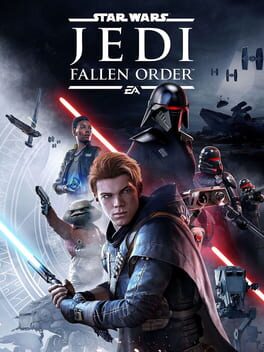
Star Wars Jedi: Fallen Order explicitly grafts metroidvania ability-gating and backtracking onto a Soulslike combat skeleton — the same structural combination Hollow Knight uses, making it one of the few 3D games that genuinely shares the genre formula.
Key difference: 3D; Star Wars setting; more narrative-driven pacing.
Best for: Players wanting metroidvania structure in a modern 3D package.
Skip if: You want the purity of 2D movement and combat.
Bloodborne pairs a dark, gothic interconnected world full of mysterious lore with aggressive melee combat that punishes passivity — the same tonal DNA as Hollow Knight's bleak Hallownest translated to 3D Soulslike.
Key difference: 3D; guns as parry tool; horror gothic rather than insect fantasy.
Best for: Players who want Hollow Knight's atmosphere at AAA scale.
Skip if: Soulslike 3D systems aren't for you.
PlayStation
71%
Shovel Knight 2014
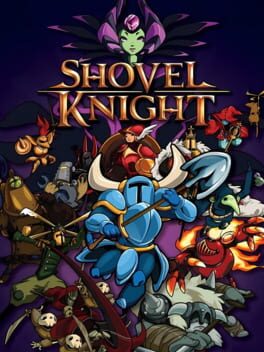
Shovel Knight is a tightly crafted 2D action platformer with challenging boss fights, hidden secrets in every stage, and a charming indie identity — it shares Hollow Knight's love of rewarding thorough exploration and expressive movement.
Key difference: Stage-based structure rather than open interconnected map.
Best for: Players who love 2D indie action but want a brighter tone.
Skip if: You specifically want a seamless open metroidvania map.
Dark Souls pioneered the oppressive interconnected world whose lore you recover through item descriptions and NPC fragments — a direct spiritual ancestor to Hollow Knight's world-building method. The punishing boss encounters and moment-of-death tension are shared.
Key difference: 3D; much slower stamina-based combat; no platforming.
Best for: Players ready to go deeper into the soulslike side of Hollow Knight.
Skip if: 2D movement and platforming are non-negotiable.
Cuphead is defined by elaborately animated, pattern-demanding boss encounters that require the same calm pattern-reading under pressure as Hollow Knight's hardest fights. The art style is opposite — rubber-hose 1930s cartoon — but the mechanical tension is comparable.
Key difference: Run-and-gun; no exploration or world to uncover.
Best for: Players who loved Hollow Knight's boss fights most.
Skip if: You need exploration and world-building alongside the challenge.
Celeste is a 2D precision platformer with a strong sense of place, melancholic themes, and an indie soul — it shares Hollow Knight's demand for exact movement input and its emotional sincerity, though it replaces combat with pure platforming challenge.
Key difference: Zero combat; pure precision platforming; no exploration map.
Best for: Players who loved Hollow Knight's movement feel and indie atmosphere.
Skip if: Combat and world exploration are why you play.
Top-down perspective; shorter; no metroidvania backtracking.
PlayStation, PC, Nintendo, Xbox
Tunic
83%
Adventure, Indie
3D isometric perspective; puzzle/manual-deciphering is core.
Xbox, PlayStation, Nintendo, PC
What makes a game truly feel like Hollow Knight?
The core feeling comes from three things working together: a map you earn rather than are given, melee combat with real mechanical depth, and a world whose story you piece together yourself. Games that share all three — Castlevania: Symphony of the Night, Blasphemous, Guacamelee!, and Metroid: Zero Mission — are the truest matches. Games that share just the atmosphere (like Gris or Inside) or just the boss difficulty (like Cuphead) scratch a narrower part of the itch.
The Soulslike family — Sekiro, Bloodborne, Dark Souls — shares the difficult boss encounters and cryptic lore delivery, and Sekiro in particular shares the parry-timing melee philosophy, but these are 3D games with fundamentally different movement. Worth playing, but be aware the 2D platforming feel is absent.
Best hidden gems for Hollow Knight fans
Blasphemous is criminally underplayed outside metroidvania circles: its grotesque Spanish Inquisition art direction, punishing combat, and dense environmental lore sit almost exactly where Hollow Knight does on the tone dial. SteamWorld Dig 2 is a gentler surprise — a compact, joyful metroidvania that delivers excellent map progression without the difficulty spike. From the additional picks, Aeterna Noctis is the biggest sleeper: vast, hand-drawn, brutal in optional challenge rooms, and almost entirely missing from mainstream "games like" lists.
Hyper Light Drifter deserves a special mention for its lore approach — the entire world story is delivered without a single word, only visual fragments and NPC gestures, making it the game that most closely mirrors Hollow Knight's method of environmental mystery-telling.
If you loved the boss fights specifically
Hollow Knight's bosses are its most celebrated feature, demanding pattern recognition, precise dodges, and sustained composure. Sekiro: Shadows Die Twice offers the most mechanically demanding boss design in gaming — the posture-and-parry system rewards the same calm aggression Hollow Knight demands. Cuphead takes a completely different structural approach (no world to explore) but delivers boss encounters of comparable intensity and artistry. For something that combines boss quality with the actual metroidvania map, Blasphemous and Salt and Sanctuary (in additional picks) are the strongest answers.
No single game replicates all three pillars perfectly, but Blasphemous and Salt and Sanctuary come closest — both are 2D, melee-focused, and use a connected metroidvania map in a dark fantasy world. Castlevania: Symphony of the Night is the genre ancestor that feels most kindred in spirit.
Is Hollow Knight similar to Dark Souls?
They share a philosophy — cryptic lore delivered through environment, punishing boss encounters, no hand-holding — but Dark Souls is a 3D action RPG with stamina management, while Hollow Knight is a 2D platformer with fluid melee. The overlap is real but the actual gameplay feel is quite different.
What should I play after finishing Hollow Knight?
Play Hollow Knight: Silksong next if you want more of the same world and feel. Then try Blasphemous for dark 2D metroidvania combat, Ori and the Will of the Wisps for a more emotional take on the same structure, or Metroid Dread for a polished modern take on the genre's roots.
Is Celeste similar to Hollow Knight?
Only partially — both are challenging 2D indie platformers with strong atmospheric storytelling. But Celeste has no combat and no metroidvania map; it's a pure precision platformer. Players who loved Hollow Knight's movement feel may enjoy Celeste, but the core loop is quite different.
What 3D games feel like Hollow Knight?
Sekiro: Shadows Die Twice is the closest — its parry-heavy melee combat and interconnected world progression echo Hollow Knight most directly. Tunic borrows the cryptic-lore and exploration philosophy. Star Wars Jedi: Fallen Order explicitly uses a metroidvania structure with Soulslike combat in a 3D setting.
 96%
96%