Supraworld hooks players with its first-person metroidvania loop — you are tiny, the world is handcrafted and vast relative to your size, and new abilities literally unlock new geography. The joy is in the off-script play: getting out of bounds, hunting obscure secrets, piecing together a mystery while cheerfully ignoring the princess.
When fans look for games like Supraworld they are really chasing three things: first-person puzzle exploration, a world that rewards systematic curiosity rather than combat skill, and a comedic or whimsical tone that never takes itself too seriously. The list below prioritises those pillars — not just any platformer or any indie game.
Top pick:Portal 2 is the single closest pick: it shares Supraworld's first-person perspective, puzzle-driven traversal, comedic writing, and the sensation that every room is hiding something the designers dared you to notice — and if you want the deepest metroidvania structure instead, Tunic (in the additional list) is the other essential recommendation.
Some store buttons are affiliate links — we may earn a commission at no extra cost to you.
19 games like Supraworld
95%
Portal 2 2011
Portal 2 is a first-person puzzle game where you navigate interconnected chambers using a portal gun, with humorous writing and a deep sense of spatial exploration. Like Supraworld, it rewards curiosity and lateral thinking over combat.
Key difference: Linear progression rather than open metroidvania ability-gating.
Best for: Fans who love first-person puzzle logic above all else.
Skip if: You want true open-world backtracking and exploration freedom.
Tunic is a puzzle-adventure metroidvania where ability-unlocked items let you backtrack through a handcrafted world stuffed with secrets, hidden passages, and a mystery-first narrative that rewards ignoring the obvious path.
Key difference: Isometric third-person; uses in-game manual as a puzzle layer.
Best for: Players who want the deepest secret-hunting metroidvania structure.
Skip if: You need first-person perspective or easy difficulty.
Hollow Knight is a vast 2D metroidvania where ability unlocks open new sections of a beautifully handcrafted underground world full of hidden passages and optional mystery. The interconnected map design and secret-hunting culture directly echo Supraworld.
Key difference: 2D side-scroller with challenging combat; darker tone.
Best for: Players who want the deepest metroidvania structure with lore.
Skip if: You want first-person perspective and low-stress exploration.
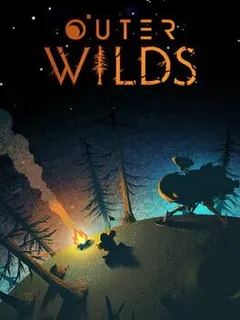
Outer Wilds is a first-person exploration mystery where an interconnected solar system hides secrets accessible only by combining knowledge and curiosity — no combat, just discovery. Its loop of 'ignore the main quest and poke at everything' is identical to Supraworld's ethos.
Key difference: No ability gating; knowledge is the key, not power-ups.
Best for: Players who want pure first-person mystery exploration.
Skip if: You want platforming mechanics or traditional puzzle structures.
Inside is a side-scrolling puzzle-platformer with tight environmental storytelling, hidden secrets, and a famous alternate ending locked behind obscure collectibles. Its atmosphere of mystery and discovery is comparable to Supraworld's off-the-beaten-path spirit.
Key difference: Dark horror tone; no comedy or open ability-gating.
Best for: Players who want dense environmental secrets in a short package.
Skip if: You want comedy, whimsy, or a large explorable world.
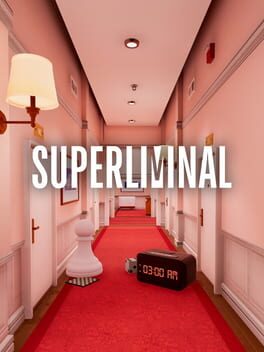
Superliminal is a first-person puzzle game built entirely around forced perspective and size manipulation — objects grow or shrink based on where you place them. Its 'be tiny in a weird world' mechanic is the closest thematic cousin to Supraworld.
Key difference: Very short; linear; no metroidvania or open exploration.
Best for: Players who love first-person size-perspective puzzle design.
Skip if: You want a large world, comedy narrative, or ability-unlocked areas.
Ori and the Blind Forest is a metroidvania platformer where new movement abilities unlock backtracking through a lush, handcrafted world. Its sense of a vast, interconnected space that opens up gradually mirrors Supraworld's progression loop.
Key difference: Heavy action platforming with precision challenge; 2D.
Best for: Players who want emotional tone alongside metroidvania exploration.
Skip if: You dislike difficult platforming or want comedy.
Limbo is a minimalist puzzle-platformer where clever environmental puzzles gate progress through an eerie, handcrafted world. The emphasis on lateral-thinking solutions over action shares DNA with Supraworld's puzzle approach.
Key difference: Very short, linear; oppressively bleak mood.
Best for: Players who want pure environmental puzzle design in one sitting.
Skip if: You want humor, openness, or collectible-hunting.
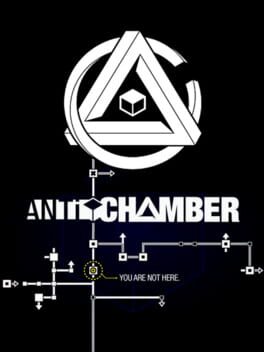
Antichamber is a first-person non-Euclidean puzzle exploration game where the world itself breaks spatial rules and exploration reveals increasingly strange rooms. Its first-person perspective and 'the world is bigger than it seems' design echo Supraworld's out-of-bounds spirit.
Key difference: Abstract minimalist art; no story, comedy, or fantasy setting.
Best for: Players who want mind-bending first-person spatial exploration.
Skip if: You want a handcrafted toy world, narrative, or humor.
Pikuniku is a whimsical indie puzzle-platformer with a comedy-first tone, quirky handcrafted world, and puzzles that encourage poking at everything. Its irreverent humor and emphasis on goofing off closely mirror Supraworld's comedy sensibility.
Key difference: Short runtime; simpler side-scroller, no metroidvania depth.
Best for: Players who want pure whimsy and comedy above deep exploration.
Skip if: You want first-person or a large world with many hours.
Super Mario Odyssey is a 3D platformer packed with hidden moons, secret rooms, and a collectible-hunting loop that rewards thorough exploration. Its handcrafted world full of surprises and out-of-bounds discoveries appeals to the same explorer mentality as Supraworld.
Key difference: Third-person; no ability-gating metroidvania structure.
Best for: Players who love dense secret-hunting in a joyful 3D world.
Skip if: You specifically want first-person puzzles and dark mystery.
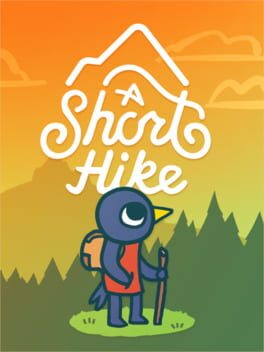
A Short Hike is a tiny open-world exploration game about wandering a handcrafted island at your own pace, finding secrets and chatting with quirky characters. Its small-scale world, comedy tone, and 'ignore the main quest' philosophy mirror Supraworld closely.
Key difference: Very short; no puzzles or metroidvania ability-gating.
Best for: Players who want low-stakes whimsical exploration in under two hours.
Skip if: You want first-person puzzles or a deep interconnected world.
Undertale is an indie RPG-adventure with sharp comedy, subverted genre conventions, and hidden secrets that reward players who ignore the obvious path. Its tone of playful chaos and narrative mystery echoes Supraworld's comedy-with-substance approach.
Key difference: 2D top-down; turn-based combat; no platforming or first-person.
Best for: Players who love comedy and narrative subversion above mechanics.
Skip if: You want physical puzzle-solving or exploration platforming.
Super Mario 64 defined 3D exploration platforming with secret stars hidden in every corner of its handcrafted sandbox levels. The same drive to find out-of-bounds secrets and break the game's rules is a big part of Supraworld's appeal.
Key difference: Third-person; 1996 controls; no narrative mystery or first-person.
Best for: Players who love speedrunning tricks and foundational secret-hunting.
Skip if: You need modern controls or a connected open metroidvania world.
Breath of the Wild rewards shrine-hunting, secret-finding, and emergent puzzle-solving in a vast interconnected world. Like Supraworld, it encourages ignoring the main quest and discovering things the designers hid just out of sight.
Key difference: Third-person open-world action RPG; much larger scale.
Best for: Players who want maximum freedom and exploration hours.
Skip if: You want first-person perspective or a compact, puzzle-focused experience.
Celeste is a precision platformer with hidden B-Side cassettes and crystal hearts locked behind secret rooms and expert challenges. Its culture of thorough level exploration and hidden-area hunting resonates with Supraworld's secret-obsessed design.
Key difference: Extremely difficult precision platforming; no metroidvania ability-gating.
Best for: Players who want demanding platforming alongside collectible secrets.
Skip if: You want first-person puzzles or a low-stress exploration pace.
Dishonored is a first-person stealth-action game where new powers unlock richer traversal options and secrets, with a world that rewards lateral thinking and going off the obvious path. Its first-person perspective and ability-based exploration are the closest overlap with Supraworld.
Key difference: Action-stealth focus; darker setting; no comedy or toy world.
Best for: Players who want first-person ability-gated exploration with agency.
Skip if: You want puzzles over stealth combat or a whimsical tone.
Forgotton Anne is a hand-animated puzzle-platformer set in a whimsical world of lost objects come to life, with light puzzle mechanics and narrative mystery. Its handcrafted art style and blend of comedy, mystery, and platforming echo Supraworld's sensibility.
Key difference: Mostly linear story adventure; light puzzles; no metroidvania.
Best for: Players who want beautiful art and story alongside light platforming.
Skip if: You want deep exploration, first-person perspective, or hard puzzles.
Ocarina of Time's dungeon-puzzle structure, interconnected overworld, and hidden secrets helped define the 3D adventure template that Supraworld builds upon. Its emphasis on thinking spatially and revisiting areas with new items is a direct ancestor.
Linear progression rather than open metroidvania ability-gating.
PlayStation, PC, Xbox, Nintendo
Tunic
90%
Puzzle, Adventure
Isometric third-person; uses in-game manual as a puzzle layer.
Xbox, PlayStation, Nintendo, PC
Hollow Knight
87%
Platform, Adventure
2D side-scroller with challenging combat; darker tone.
Xbox, PlayStation, PC, Nintendo
Outer Wilds
86%
Puzzle, Adventure
No ability gating; knowledge is the key, not power-ups.
Xbox, PlayStation, PC, Nintendo
Inside
82%
Platform, Puzzle
Dark horror tone; no comedy or open ability-gating.
PlayStation, PC, Mobile, Xbox, Nintendo
Superliminal
82%
Puzzle, Adventure
Very short; linear; no metroidvania or open exploration.
Xbox, PlayStation, PC, Mobile, Nintendo
Ori and the Blind Forest
75%
Platform, Puzzle
Heavy action platforming with precision challenge; 2D.
PC, Xbox, Nintendo
Limbo
74%
Platform, Puzzle
Very short, linear; oppressively bleak mood.
PlayStation, PC, Mobile, Xbox, Nintendo
Antichamber
74%
Platform, Puzzle
Abstract minimalist art; no story, comedy, or fantasy setting.
PC
Pikuniku
73%
Platform, Puzzle
Short runtime; simpler side-scroller, no metroidvania depth.
PC, Xbox, Nintendo
Super Mario Odyssey
70%
Platform, Adventure
Third-person; no ability-gating metroidvania structure.
Nintendo
A Short Hike
68%
Adventure, Indie
Very short; no puzzles or metroidvania ability-gating.
PlayStation, PC, Xbox, Nintendo
Undertale
67%
Puzzle, Adventure
2D top-down; turn-based combat; no platforming or first-person.
PlayStation, PC, Xbox, Nintendo
Super Mario 64
63%
Platform, Adventure
Third-person; 1996 controls; no narrative mystery or first-person.
Nintendo
The Legend of Zelda: Breath of the Wild
63%
Puzzle, Adventure
Third-person open-world action RPG; much larger scale.
Nintendo
What makes a game feel like Supraworld?
The core of Supraworld is first-person spatial curiosity combined with ability-gated backtracking — the same formula that makes Portal 2 and Dishonored feel alive. When a new power doesn't just make you stronger but literally opens a wall you walked past three hours ago, the whole world recontextualises. That's the metroidvania promise, and it's rarer in first-person than it sounds.
The second ingredient is a world designed to be broken. Supraworld actively encourages out-of-bounds exploration; games like Hollow Knight and Tunic share that spirit of hiding secrets so deep that only obsessive players find them — and then rewarding those players handsomely for the effort.
Best picks if you love the comedy and whimsy side
If what you loved most was Supraworld's irreverent humour — the murder mystery subplot, the snarky toy world — then Pikuniku and Undertale are the strongest alternatives. Pikuniku is a cheerfully absurd puzzle-platformer where the whole point is to goof off and poke at the world until it breaks; Undertale rewards players who interrogate every assumption the genre makes.
A Short Hike (in the additional list) captures the small-scale, low-stakes whimsy perfectly: a tiny handcrafted island, quirky characters, and the explicit instruction that the 'main quest' is entirely optional.
If you want the deepest secrets and exploration hours
Hollow Knight is the candidate-list champion for secret density: its underground world hides entire optional areas that most players never find, all gated behind obscure ability combinations. For something closer to first-person mystery, Outer Wilds (additional list) is unmissable — it has no combat, only the compulsion to poke at every corner of an interconnected solar system until the full picture snaps into place.
The Legend of Zelda: Breath of the Wild and Super Mario Odyssey offer hundreds of hours of collectible-hunting if scale is your priority, though both are third-person and far less puzzle-focused than Supraworld's tight design.
Is there a game that combines first-person perspective with metroidvania exploration like Supraworld?
The closest mainstream examples are Portal 2 (first-person puzzle-platformer with interconnected spaces) and Dishonored (first-person with ability-unlocked traversal). Outer Wilds (additional list) nails the first-person mystery-exploration feel most precisely. Tunic nails the metroidvania secret-hunting from a top-down perspective.
What games have the same 'be tiny in a big world' feeling?
Superliminal plays directly with size and perspective in first-person. A Short Hike gives you a small island that feels enormous relative to your tiny character. Hollow Knight puts you in the role of a small insect exploring a vast underground kingdom, giving a similar sense of scale.
Are there other first-person puzzle games with as much exploration freedom as Supraworld?
Portal and Portal 2 are the benchmark for first-person puzzle design; Antichamber (additional list) adds non-Euclidean spatial exploration for a more mind-bending experience; Outer Wilds removes puzzles entirely in favour of pure observational mystery.
What's the best game like Supraworld for someone who loved finding secrets and getting out of bounds?
Tunic (additional list) hides entire mechanical systems behind secrets that most players never discover. Hollow Knight has hidden areas gated behind obscure requirements. Super Mario 64's out-of-bounds tricks and Breath of the Wild's shrine-hunting both reward the same obsessive explorer mindset.
Is Supraworld similar to Hollow Knight?
They share the metroidvania structure — new abilities unlock previously inaccessible areas in an interconnected world — and both reward thorough exploration with substantial hidden content. The differences are significant: Supraworld is first-person and puzzle-focused with a comedic tone, while Hollow Knight is 2D with demanding action combat and a melancholy atmosphere.
 95%
95%