Split Fiction works because it never lets its co-op gameplay get comfortable — every chapter tears up the rulebook and drops Mio and Zoe into a completely different genre, from sci-fi hoverboard chases to fantasy dragon-riding to bullet-hell shooters. The glue holding it together is Hazelight's signature mandatory two-player design, where every mechanic is built specifically for two people to experience together, with a story that earns its emotional beats through constant playful invention.
When players look for games like Split Fiction, they're really after three things: co-op as a first-class feature (not an afterthought), a sense that the gameplay will surprise them every thirty minutes, and some kind of narrative heart driving the action forward. That combination is rarer than it sounds, which is exactly why Hazelight's catalogue occupies such a unique niche.
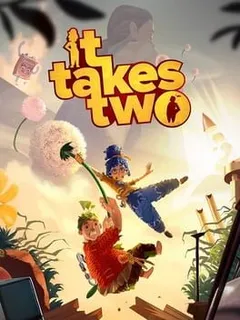
Top pick:It Takes Two is the single closest match — made by the same Hazelight Studios, requiring two players, and built on the same philosophy of inventing a fresh mechanic for every level — and if you haven't already played it, it belongs at the very top of your list.
Some store buttons are affiliate links — we may earn a commission at no extra cost to you.
It Takes Two is the direct predecessor from Hazelight Studios — mandatory two-player co-op with constantly shifting mechanics ranging from platforming and puzzle-solving to action set-pieces, wrapped around a character-driven story. The genre-hopping creativity and split-screen design are essentially the same formula as Split Fiction.
Key difference: Story centers on a divorcing couple; no sci-fi/fantasy world-jumping premise.
Best for: Anyone who finished Split Fiction and wants more Hazelight magic.
Skip if: You disliked emotional/relationship-focused narratives.
A Way Out is Hazelight Studios' mandatory two-player co-op game that constantly shifts between action, puzzle, and mini-game sequences as two prisoners attempt a daring escape, pioneering the genre-blending co-op formula Split Fiction later refined.
Key difference: Grittier prison-break drama tone; less fantastical imagination.
Best for: Split Fiction fans who want more Hazelight co-op after finishing it.
Skip if: You disliked linear co-op stories or want fantasy worlds.
Portal 2's co-op mode delivers a dedicated two-player puzzle-platformer where both players must think and act together to progress, set in a darkly comic sci-fi world. The sense of shared 'aha' moments and escalating creativity closely mirrors Split Fiction's cooperative feel.
Key difference: Pure physics puzzles; no action set-pieces or genre-switching.
Best for: Puzzle-focused duos who love sci-fi co-op.
Skip if: You want narrative storytelling over mechanical challenges.
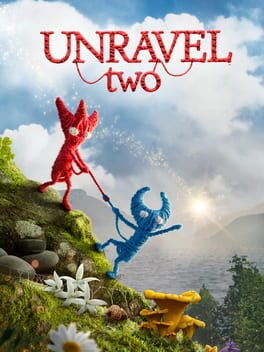
Unravel Two puts two players in control of yarn characters physically tethered together, blending platforming and cooperative movement puzzles across visually lush levels. The warmth, whimsy, and emphasis on player synergy echo Split Fiction's cooperative spirit closely.
Key difference: Minimal story; wordless, short, and gentler in tone.
Best for: Players who want a relaxed, visually beautiful co-op platformer.
Skip if: You expect action variety or narrative depth.
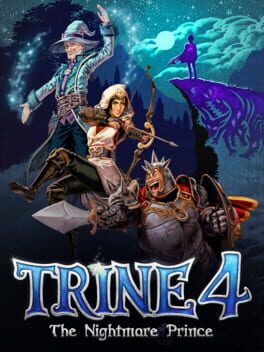
Trine 4 is a gorgeous co-op puzzle-platformer where up to four players use distinct character abilities to solve physics-based puzzles across fantasy dream worlds — the co-op puzzle-adventure structure and imaginative theming closely mirror Split Fiction.
Key difference: Physics-puzzle focused; slower paced without action set-pieces.
Best for: Co-op puzzle fans who want a beautiful fantasy platformer.
Skip if: You want fast action or genre-switching gameplay variety.
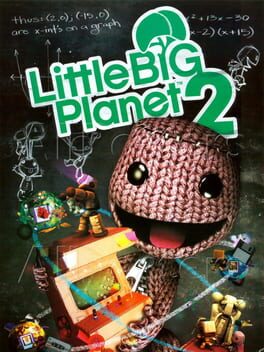
LittleBigPlanet 2 is a co-op platformer bursting with creative, genre-crossing levels — from side-scrolling platforming to top-down shooters — that constantly reinvent themselves, much like Split Fiction's ever-shifting gameplay. Up to four players can play together online or locally.
Key difference: User-created content focus; quality varies wildly across levels.
Best for: Creative co-op players who love variety and community content.
Skip if: You want a tight, authored narrative experience.
Brothers tells the story of two siblings on a journey through mythical landscapes, with mechanics built around controlling both characters simultaneously. The narrative co-op design and genre-mixing fantasy world share the heartfelt DNA of Split Fiction.
Key difference: Controlled by one player using dual sticks; no true two-player co-op.
Best for: Players who want an emotional narrative co-op-style adventure solo.
Skip if: You need actual two-player cooperative play.
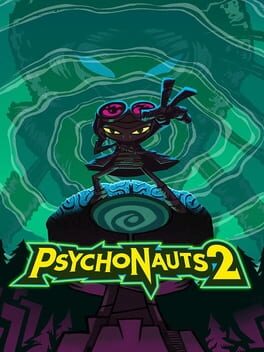
Psychonauts 2 drops players into wildly different mental worlds each acting as a distinct gameplay genre — a cooking show, a game show, a noir mystery — capturing Split Fiction's love of genre-switching imagination. The tone balances comedy, heart, and platforming action in a similar way.
Key difference: Single-player only; no co-op component.
Best for: Solo players who love imaginative world-hopping platformers.
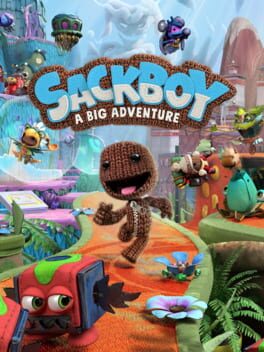
Sackboy offers up to four-player co-op platforming across creatively themed worlds full of mechanical variety, rhythmic levels, and playful challenges — the polished co-op platforming loop is the closest console equivalent to Split Fiction's level variety.
Key difference: Less narrative focus; more traditional collectathon platformer.
Best for: Co-op families or friends wanting a polished, cheerful platformer.
Skip if: You want a story-driven experience or genre-switching depth.
Cuphead offers optional two-player co-op through relentless run-and-gun platforming with wildly varied boss encounters, each with its own visual theme and mechanics. The moment-to-moment action variety and co-op camaraderie parallel Split Fiction's energy.
Key difference: Brutal difficulty; no narrative depth or genre-switching story worlds.
Best for: Co-op pairs who want a punishing, stylish challenge.
Skip if: You dislike high difficulty or repetitive boss retries.
Pikuniku is a cheerful co-op puzzle-platformer indie where two players solve environmental puzzles and topple an absurd corporate conspiracy through goofy physics and quirky characters. The co-op puzzle-adventure loop feels spiritually close to Split Fiction's lighter moments.
Key difference: Very short (3–4 hours); minimal production values.
Best for: Casual co-op players wanting a cheap, funny indie gem.
Skip if: You expect visual polish or long playtime.
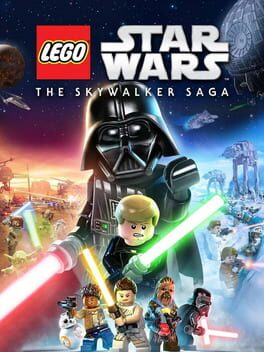
LEGO Star Wars: The Skywalker Saga is a co-op adventure-platformer that constantly switches between space combat, on-foot action, puzzles, and exploration across nine films' worth of content. The genre-mixing co-op adventure structure is the clearest overlap with Split Fiction.
Key difference: Franchise-locked IP; repetitive LEGO formula may feel shallow.
Best for: Star Wars fans who want breezy co-op with lots of variety.
Skip if: You want an original, emotionally invested story.
Inside is a dark, atmospheric platformer-puzzle-adventure that constantly shifts its mechanics and visual language to deliver a sense of escalating strangeness. While solo, its genre-bending level design and narrative curiosity share DNA with Split Fiction's imaginative world-building.
Key difference: Solo experience; oppressively dark, no dialogue or co-op.
Best for: Solo players who like mysterious, mechanic-shifting short games.
Skip if: You want cooperative play or an upbeat tone.
Limbo is a monochrome puzzle-platformer that fuses environmental puzzles with atmospheric adventure, offering short, punchy level design that keeps introducing new mechanical ideas. It shares the puzzle-platformer adventure structure though at a much smaller and darker scale.
Key difference: Very short, solo, and stripped of warmth or narrative dialogue.
Best for: Players who want a minimalist, moody puzzle-platformer.
Skip if: You need co-op or varied genre action sequences.
Ori and the Blind Forest is a visually stunning platform-adventure with tight controls and creative ability-based traversal puzzles set in a fantasy world, echoing Split Fiction's platforming craftsmanship and emotional storytelling.
Key difference: Solo Metroidvania structure; no co-op or genre-switching.
Best for: Solo players who prioritize platforming feel and visual beauty.
Skip if: You want co-op or fast-paced action variety.
Celeste is a precision platformer with a heartfelt narrative about overcoming anxiety, offering some of the most satisfying movement mechanics in modern indie gaming. Its story-driven structure and emotional depth resonate with Split Fiction fans who value character growth.
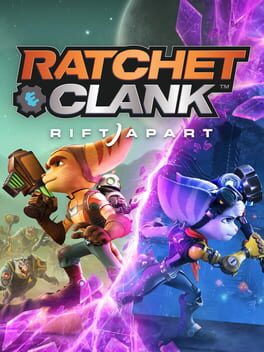
Ratchet & Clank: Rift Apart is a genre-polished sci-fi platform-adventure that dimension-hops between wildly different environments — a structural echo of Split Fiction's world-jumping — with fluid gunplay and traversal mechanics.
Key difference: Solo single-player; PS5 exclusive; more combat-focused.
Best for: PS5 owners wanting a solo sci-fi platformer with visual spectacle.
Skip if: You need co-op or cross-platform availability.
Story centers on a divorcing couple; no sci-fi/fantasy world-jumping premise.
Xbox, PlayStation, PC, Nintendo
A Way Out
88%
Adventure, Action
Grittier prison-break drama tone; less fantastical imagination.
PlayStation, PC, Xbox
Portal 2
82%
Platform, Puzzle
Pure physics puzzles; no action set-pieces or genre-switching.
PlayStation, PC, Xbox, Nintendo
Unravel Two
78%
Platform, Puzzle
Minimal story; wordless, short, and gentler in tone.
PlayStation, PC, Xbox, Nintendo
Trine 4: The Nightmare Prince
72%
Platform, Puzzle
Physics-puzzle focused; slower paced without action set-pieces.
PlayStation, PC, Xbox, Nintendo
LittleBigPlanet 2
70%
Platform, Puzzle
User-created content focus; quality varies wildly across levels.
PlayStation
Brothers: A Tale of Two Sons
65%
Puzzle, Adventure
Controlled by one player using dual sticks; no true two-player co-op.
PlayStation, PC, Mobile, Xbox, Nintendo
Psychonauts 2
62%
Platform, Adventure
Single-player only; no co-op component.
Xbox, PlayStation, PC
Sackboy: A Big Adventure
62%
Platform, Adventure
Less narrative focus; more traditional collectathon platformer.
PlayStation, PC
Cuphead
57%
Platform, Adventure
Brutal difficulty; no narrative depth or genre-switching story worlds.
PlayStation, PC, Xbox, Nintendo
Pikuniku
55%
Platform, Puzzle
Very short (3–4 hours); minimal production values.
PC, Xbox, Nintendo
LEGO Star Wars: The Skywalker Saga
54%
Puzzle, Adventure
Franchise-locked IP; repetitive LEGO formula may feel shallow.
Xbox, PlayStation, PC, Nintendo
Inside
52%
Platform, Puzzle
Solo experience; oppressively dark, no dialogue or co-op.
PlayStation, PC, Mobile, Xbox, Nintendo
Limbo
47%
Platform, Puzzle
Very short, solo, and stripped of warmth or narrative dialogue.
PlayStation, PC, Mobile, Xbox, Nintendo
Ori and the Blind Forest
47%
Platform, Puzzle
Solo Metroidvania structure; no co-op or genre-switching.
PC, Xbox, Nintendo
What makes a game feel like Split Fiction?
The rarest ingredient is mandatory co-op design — where levels are architected specifically for two players rather than simply allowing a second person to tag along. It Takes Two and Portal 2's co-op mode both nail this: puzzles in Portal 2 are physically impossible to solve alone, and every mechanic in It Takes Two assumes two people with different abilities. Unravel Two takes this further by literally tethering the players together with a strand of yarn.
The second ingredient is genre-switching variety. Split Fiction never plays the same way for more than a chapter, and Psychonauts 2 is the best single-player game to capture that feeling — each mind you enter functions like a different genre entirely, from rhythm game to cooking show to noir detective story.
Best co-op alternatives if you want something you can play right now
For immediate co-op satisfaction, It Takes Two (available via EA Play/Game Pass) is the obvious first choice, followed by Portal 2 whose co-op mode remains one of the best-designed two-player puzzle experiences ever made and is frequently on sale for a few dollars. If you want something lighter and shorter, Pikuniku is a hidden gem — a co-op puzzle-platformer you can complete in an evening that punches well above its budget in charm and creative level design.
For fans who want a polished platform-adventure with co-op, Trine 4: The Nightmare Prince (not in the main candidate pool) is the strongest recommendation — up to four players, physics-based puzzles, and fantasy dreamscapes that feel like they belong in Split Fiction's own fictional manuscripts.
If you loved the sci-fi and fantasy world-hopping specifically
Split Fiction's greatest trick is making each trapped story-world feel genuinely distinct — the neon sci-fi city plays nothing like the enchanted forest. Ratchet & Clank: Rift Apart captures that dimension-hopping novelty with its rift mechanics jumping players between parallel worlds, while Psychonauts 2 is the definitive game about entering surreal, thematically distinct mental worlds one after another. Neither is co-op, but both scratch the itch for imaginative world variety specifically.
For co-op players who want that same sci-fi vs. fantasy tonal contrast, A Way Out (also by Hazelight) and LEGO Star Wars: The Skywalker Saga both deliver genre-hopping co-op adventures — the former through grounded genre-mixing action, the latter through a massive universe of mechanically varied levels.
Is there a game exactly like Split Fiction but solo?
Psychonauts 2 is the closest solo equivalent — it constantly shifts gameplay genres as you enter different imaginative worlds, with strong character writing and a mix of platforming, puzzle-solving, and action. It lacks co-op but shares Split Fiction's love of reinventing itself every level.
What other games are made by Hazelight Studios?
Hazelight made A Way Out (2018) and It Takes Two (2021) before Split Fiction. All three are mandatory two-player co-op games with story-driven, genre-blending gameplay. It Takes Two won the 2021 Game of the Year award at The Game Awards and is the most similar experience to Split Fiction.
Can Split Fiction be played solo?
No — like all Hazelight games, Split Fiction requires exactly two players. However, one player can use the 'Friend Pass' system, meaning only one copy of the game needs to be purchased for two people to play together online.
What co-op games have the same genre-switching variety as Split Fiction?
It Takes Two is the closest — every chapter introduces a completely new mechanic. Portal 2's co-op mode, Trine 4, and LittleBigPlanet 2 also mix up their gameplay style across levels, though none shifts as aggressively as Hazelight's games do.
Are there co-op platformers similar to Split Fiction on Nintendo Switch?
Yes — Unravel Two, LittleBigPlanet-style game Sackboy, and LEGO Star Wars: The Skywalker Saga all offer co-op platform-adventure gameplay on Switch. Cuphead is another strong Switch co-op pick with varied boss designs, though it's significantly harder and more combat-focused.
 98%
98%