Brave Frontier's magic is its gacha-driven unit collection loop layered on top of a turn-based JRPG framework: you summon elemental heroes, evolve and level them through escalating tiers, and then puzzle out which six-element team combination crushes the next raid boss. The elemental triangle, the spark mechanic for chaining attacks, and the sheer variety of character art make roster management itself feel rewarding.
When players search for games like Brave Frontier, they're really looking for some combination of these pillars: turn-based battles with elemental matchups, a growing roster you invest in over time, JRPG-style story, and strategic party-building. The ideal follow-up nails at least two or three of those simultaneously.
Top pick:Persona 4 Golden is the single closest match from this list — it shares Brave Frontier's elemental weakness system, careful party composition, and the satisfaction of fusing/collecting new units (Personas), all wrapped in a beloved JRPG narrative that keeps the grind meaningful; if you want to step off mobile and into a premium equivalent, start there.
Some store buttons are affiliate links — we may earn a commission at no extra cost to you.
18 games like Brave Frontier
92%
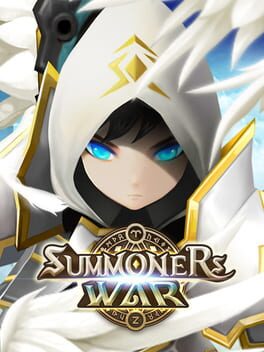
Summoners War: Sky Arena 2014
The most direct spiritual sibling to Brave Frontier: a mobile gacha RPG where you summon elemental monsters, evolve them through a tiered system, and build synergistic teams for PvE dungeons and PvP arena. The loop is nearly identical.
Key difference: Rune gear system adds a secondary layer of grinding on top of units.
Best for: Brave Frontier veterans who want the same loop with a larger meta.
Skip if: You're burned out on gacha monetization and stamina systems.
Granblue Fantasy is a browser/mobile JRPG gacha with elemental weapon grids, summon characters, and turn-based raids that feel like Brave Frontier elevated to an anime art masterpiece with enormous depth.
Key difference: Weapon grid optimization adds a complex second system beyond unit levels.
Best for: Brave Frontier fans who want richer lore and endgame depth.
Skip if: You dislike extremely long grind paths to raid-tier power.
Epic Seven is a modern mobile gacha RPG with hand-drawn anime units, elemental elemental counters, evolution chains, and story-driven JRPG campaigns that directly echo Brave Frontier's formula with higher production values.
Key difference: Animated cutscenes and PvP arena are more prominent than in Brave Frontier.
Best for: Players who want Brave Frontier's feel with current-gen mobile polish.
Skip if: You've quit gacha games and want a premium no-IAP experience.
Persona 4 Golden pairs a JRPG party system with Persona collection, fusion, and elemental weaknesses that mirror Brave Frontier's unit-and-element loop. Both reward roster curation and exploit elemental matchups in turn-based battles.
Key difference: Social-sim calendar structure adds a real-world management layer.
Best for: Fans who want a deeper narrative alongside the JRPG loop.
Skip if: You dislike lengthy story cutscenes and slow pacing.
Fire Emblem Heroes is Nintendo's mobile take on collecting and evolving classic Fire Emblem characters in turn-based tactical battles, with elemental weapon-triangle counters mirroring Brave Frontier's elemental chart.
Puzzle & Dragons pioneered the mobile gacha RPG genre Brave Frontier inhabits, with orb-matching combat driving elemental team attacks, monster evolution chains, and a dungeon-based progression loop nearly identical in spirit.
Key difference: Match-3 puzzle mechanic replaces the button-based combat of Brave Frontier.
Best for: Players who want the OG gacha RPG that inspired Brave Frontier's design.
Skip if: You dislike puzzle-game mechanics as the primary combat driver.
Chrono Trigger is the gold-standard turn-based JRPG with a small party of elemental heroes, combo abilities between characters, and a fantasy/sci-fi world. The element-and-party-synergy feel maps closely onto Brave Frontier's battle DNA.
Key difference: No gacha or unit collection; fixed story roster only.
Best for: Players who want polished JRPG combat without grinding a gacha.
Skip if: You need ongoing unit acquisition and evolution loops.
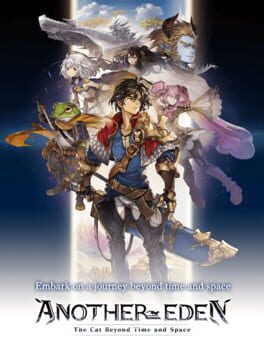
Another Eden is a free-to-play mobile JRPG designed by Chrono Trigger's creators, with turn-based elemental battles, a story-focused structure, and unit collection — it feels like a direct evolution of what Brave Frontier was reaching for.
Key difference: Story-first design with no PvP and very generous F2P rates.
Best for: Brave Frontier players who want narrative depth without competitive pressure.
Skip if: You thrive on PvP arena and guild raid content.
Final Fantasy VII is a classic ATB JRPG with a three-unit party, elemental materia slotting, and strategic boss fights that feel familiar to Brave Frontier veterans. The fantasy-meets-sci-fi tone and grinding for power are shared pillars.
Key difference: Materia system replaces unit-level progression with gear slotting.
Best for: Those who want a cinematic JRPG story alongside strategic battles.
Skip if: You dislike random encounters or early-90s JRPG pacing.
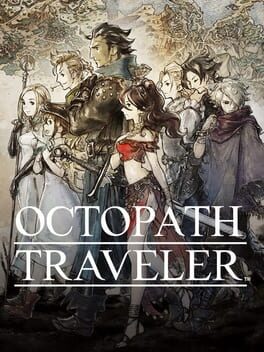
Octopath Traveler is a premium JRPG with elemental weakness exploitation at its core: every enemy has a shield bar broken by targeting the right element or weapon type, rewarding the same type-matchup thinking Brave Frontier demands.
Key difference: No collection or gacha; eight fixed characters form the entire roster.
Best for: Players who want the elemental-exploit battle feel without gacha spending.
Skip if: You need ongoing unit acquisition and meta progression.
Baldur's Gate III is a deeply tactical turn-based RPG with a full fantasy party, elemental spell interactions, and extensive character build theory — the strategic depth Brave Frontier veterans crave at a PC/console scale.
Key difference: Fully authored companions replace a collected unit roster.
Best for: Players ready to invest dozens of hours in deep tactical RPG systems.
Skip if: You want quick mobile-style sessions or gacha variety.
Star Wars: Knights of the Old Republic uses a turn-based-under-the-hood combat system, party management, and character leveling that parallels the team-building feel of Brave Frontier, just in a sci-fi setting.
Key difference: Science fiction Star Wars setting instead of elemental fantasy.
Best for: RPG fans who want a story-heavy party RPG with moral choices.
Skip if: You're strictly in it for the elemental fantasy aesthetic.
Dragon Age: Origins is a party-based tactical RPG with elemental abilities, tank/DPS/healer roles, and strategic formation combat that echoes Brave Frontier's party composition philosophy at console depth.
Key difference: Real-time with active-pause combat instead of pure turn-based.
Best for: Players who want party synergy puzzles in a dark fantasy world.
Skip if: You hate managing AI tactics menus and party micromanagement.
South Park: The Stick of Truth is a classic turn-based JRPG in satirical fantasy dress, with elemental status effects, equipment upgrading, and buddy recruiting that mirrors the unit-collection side of Brave Frontier in miniature.
Key difference: Comedy tone; very short campaign compared to a live-service RPG.
Best for: Fans who want a breezy, funny JRPG without grinding endgame.
Skip if: You want a serious fantasy narrative or long-term progression.
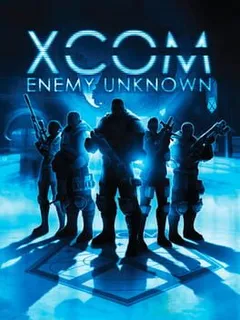
XCOM: Enemy Unknown is a turn-based strategy game built around recruiting soldiers, leveling them up into specialized roles, and losing them permanently — the unit-investment loop that Brave Frontier amplifies in RPG form.
Key difference: Military sci-fi tone; permadeath adds brutal stakes.
Best for: Players who love building and protecting a roster of characters.
Skip if: You dislike punishing difficulty or non-fantasy settings.
Hearthstone shares Brave Frontier's card-collection and deck-building DNA, with elemental classes, evolving card sets, and strategic matchup decisions made before battles even start.
Key difference: Pure card game; no RPG party leveling or story campaign.
Best for: Brave Frontier fans drawn most to the collection/meta-building side.
Skip if: You want character progression and narrative alongside the battles.
Undertale features turn-based combat with a small cast, elemental-ish attack patterns, and a heavy emphasis on each enemy's unique identity — sharing Brave Frontier's love of memorable unit design in a quirky indie shell.
Key difference: Pacifist route means avoiding combat entirely changes the experience.
Best for: Players who appreciate unit personality and creative battle mechanics.
Skip if: You want deep team-building or a long grind loop.
Warcraft III combines fantasy factions, hero leveling, and elemental ability interactions in a strategy format — the macro-level version of Brave Frontier's elemental team-building, now spread across maps.
Key difference: Real-time strategy rather than turn-based RPG; very different pace.
Best for: Players who want fantasy faction and elemental strategy at a bigger scale.
Skip if: You dislike base-building or real-time pressure.
Match-3 puzzle mechanic replaces the button-based combat of Brave Frontier.
Mobile
Chrono Trigger
75%
Fantasy
No gacha or unit collection; fixed story roster only.
Nintendo
Another Eden
75%
Adventure, Fantasy
Story-first design with no PvP and very generous F2P rates.
Mobile, PC
Final Fantasy VII
70%
Adventure, Fantasy
Materia system replaces unit-level progression with gear slotting.
PlayStation
Octopath Traveler
68%
Adventure, Fantasy
No collection or gacha; eight fixed characters form the entire roster.
PlayStation, PC, Xbox, Nintendo
Baldur's Gate III
65%
Turn-based strategy (TBS), Action
Fully authored companions replace a collected unit roster.
Xbox, PC, PlayStation
Star Wars: Knights of the Old Republic
63%
Adventure, Action
Science fiction Star Wars setting instead of elemental fantasy.
Xbox, Mobile, PC, Nintendo
Dragon Age: Origins
60%
Action, Fantasy
Real-time with active-pause combat instead of pure turn-based.
PlayStation, PC, Xbox
South Park: The Stick of Truth
57%
Adventure, Action
Comedy tone; very short campaign compared to a live-service RPG.
PlayStation, PC, Xbox, Nintendo
XCOM: Enemy Unknown
53%
Turn-based strategy (TBS), Action
Military sci-fi tone; permadeath adds brutal stakes.
PlayStation, PC, Mobile, Xbox
What makes a game feel like Brave Frontier?
The core DNA is a turn-based elemental system where picking the right unit type matters, combined with a roster you actively grow and invest in over time. Persona 4 Golden and Chrono Trigger both nail elemental weakness exploitation in turn-based combat, and both reward team synergy thinking rather than just stat-checking. Neither has gacha monetization, but the strategic skeleton is identical.
On the collection side, Hearthstone scratches the deck-building and meta-theorycrafting itch, while XCOM: Enemy Unknown captures the emotional investment in individual units and the grief of watching a maxed character get wiped. Neither is a JRPG, but both tap into the same player psychology Brave Frontier exploits so well.
Best mobile and gacha alternatives to Brave Frontier
The candidate pool above skews toward premium console games, so the strongest mobile matches live in our Additional Picks section. Summoners War: Sky Arena and Epic Seven are the closest 1:1 replacements — same elemental summoning, same evolution chains, same guild raid endgame. Granblue Fantasy takes the formula upmarket with gorgeous art and a deeper weapon-grid system if you want more mechanical complexity. For a more narrative-focused free-to-play alternative, Another Eden (hidden gem alert) strips out PvP entirely and focuses on the JRPG story side.
Puzzle & Dragons deserves mention as the game that defined the genre Brave Frontier refined — if you want to understand the roots, or if you enjoy match-3 mechanics driving elemental combos, it remains one of the most satisfying expressions of the formula.
If you want turn-based depth without the gacha grind
Premium JRPGs scratch the same strategic itch without a stamina bar. Chrono Trigger remains the tightest expression of elemental party synergy in a classic format, and Final Fantasy VII offers a similar party-of-three elemental-materia system with far more story weight. For modern turn-based depth, Baldur's Gate III brings the most sophisticated elemental interaction system available — spells combo with environmental elements in ways Brave Frontier's arena raids can only gesture toward. And Octopath Traveler (in our Additional Picks) is almost a 1:1 translation of Brave Frontier's weakness-breaking combat into a premium JRPG package.
What mobile games are most similar to Brave Frontier?
Summoners War: Sky Arena and Epic Seven are the closest mobile equivalents — both feature elemental unit summoning, evolution chains, dungeon raids, and guild content. Granblue Fantasy is also a strong match with higher production values and a more complex weapon-grid endgame system.
Are there any console or PC games like Brave Frontier?
Yes. Persona 4 Golden is the strongest premium match, sharing elemental weakness exploitation, persona (unit) collection, and turn-based party combat. Chrono Trigger and Final Fantasy VII offer classic JRPG combat that feels mechanically similar, while Baldur's Gate III provides modern turn-based depth for players craving complex elemental interactions.
What game has a similar summoning and evolution system to Brave Frontier?
Puzzle & Dragons pioneered the monster evolution loop that inspired Brave Frontier, so it's worth playing to understand the genre's roots. On modern platforms, Summoners War and Epic Seven most closely replicate the multi-stage evolution and rarity-tier system Brave Frontier built its progression around.
Is there a Brave Frontier alternative with less gacha monetization?
Another Eden (free to play but very generous) and Octopath Traveler (premium, no gacha) are the best options. Another Eden was designed by Chrono Trigger veterans and focuses heavily on story, while Octopath Traveler gives you the elemental weakness combat loop as a one-time purchase with no ongoing spending pressure.
What games have a similar elemental triangle or element system to Brave Frontier?
Fire Emblem Heroes uses a weapon-triangle elemental counter system almost identical in spirit to Brave Frontier's six elements. Persona 4 Golden has elemental affinities for every enemy and Persona unit. Octopath Traveler builds its entire combat around probing and exploiting elemental weaknesses, and Summoners War has fire/water/wind/light/dark counters that directly mirror Brave Frontier's chart.
 92%
92%