Baldur's Gate 3 earns its acclaim by fusing D&D 5e's tactical turn-based combat with a deeply reactive branching narrative — every choice, from dialogue options to which NPC you help, reshapes the world in visible ways. The party of richly written companions with full approval systems, the verticality-driven battlefield puzzle combat, and the genuine freedom to roleplay a hero or an absolute villain give it an identity no other game fully replicates.
When players ask for 'games like Baldur's Gate 3', they're usually chasing one of two things: the tactical party-based RPG loop (turn-based combat, character builds, companion synergies) or the story-consequence engine (choices that matter, companion bonds, moral grey areas). The best recommendations deliver at least one of these at a high level — and the very best do both.
Top pick:Divinity: Original Sin 2 is the single closest match: made by the same studio, running the same turn-based environmental combat philosophy, and offering a four-player origin-character party system that is literally the prototype Larian used to build BG3 — if you finish BG3 and want more of exactly that, play DOS2 next.
Some store buttons are affiliate links — we may earn a commission at no extra cost to you.
21 games like Baldur's Gate 3
97%
Divinity: Original Sin 2 2017
Made by the same studio (Larian), Divinity: Original Sin 2 is the direct mechanical predecessor to BG3: fully turn-based tactical combat on an environmental playground, party of up to four with origin characters, and branching story with real moral weight. If you love BG3, this is mandatory.
Key difference: Its own IP, not D&D — different ruleset and lore world.
Best for: BG3 fans who want more of the exact same formula.
Skip if: You dislike Larian's style of environmental puzzle-combat.
Dragon Age: Origins is the closest spiritual predecessor to BG3: a party-based fantasy RPG by BioWare with tactical pausable combat, origin stories per character, and morally complex choices that reshape the world. The companion banter and approval systems feel like a direct template BG3 refined.
Key difference: Real-time-with-pause combat instead of fully turn-based.
Best for: Players who want deeper companion approval/romance arcs.
Skip if: You need true turn-based tactical combat.
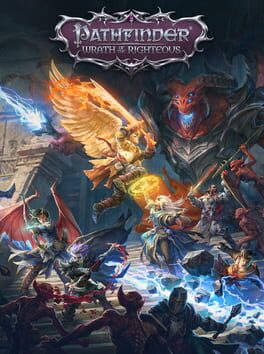
Built on the Pathfinder TTRPG ruleset, this CRPG delivers a sprawling party-based fantasy campaign with tactical real-time-with-pause or fully turn-based combat, crusade strategy layers, and mythic power choices that echo BG3's corruption/resist power fantasy.
Key difference: Extremely complex ruleset; steep learning curve for newcomers.
Best for: TTRPG veterans who want even deeper systemic depth.
Skip if: You want a gentler on-ramp than BG3's already demanding systems.
KotOR is a Bioware party RPG built on a D20 dice system nearly identical to D&D, with Light/Dark Side moral choices that reshape your character and story. The conversation-driven narrative and turn-based-lite combat feel like a direct lineage ancestor to BG3.
Key difference: Sci-fi Star Wars setting instead of Faerûn fantasy.
Best for: Players who love the D&D moral-choice-driven story loop.
Skip if: You dislike older graphics or want open-world freedom.
A classic CRPG with deep lore, party-based tactical combat, and richly reactive dialogue — sailing an isometric open world with morally complex faction politics. Obsidian's writing rivals BG3's in NPC depth.
Fire Emblem: Three Houses is a premium turn-based tactical RPG where you recruit and develop a party of students, navigate a branching route-selection story with heavy political drama, and fight grid-based battles demanding careful positioning. The 'which house do I join' decision parallels BG3's alignment moral weight.
Key difference: Grid-based strategy focus; permadeath stakes for named units.
Best for: Players who want deeper tactical combat and unit strategy.
Skip if: You want free exploration and dialogue-driven RPG systems.
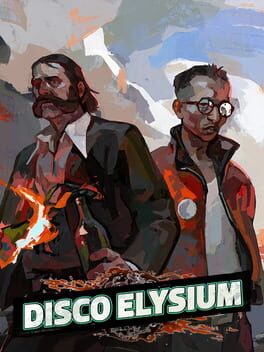
Disco Elysium replaces combat with a dialogue and skill-check system that IS the game — every choice reshapes your detective's identity and the city around you. If BG3's conversations and moral choices are your favourite part, this is essential.
Key difference: No combat at all; noir detective setting, not fantasy action.
Best for: Players who play BG3 for dialogue, roleplay, and consequence.
Skip if: You primarily play for tactical combat or dungeon crawling.
Mobile
82%💎 Gem
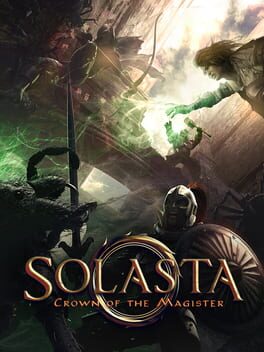
Solasta: Crown of the Magister 2020
Solasta uses the D&D 5e SRD ruleset — the same rules as BG3 — in a fully turn-based tactical RPG with verticality-based combat and light puzzle dungeons. The production is indie-tier but the tactical fidelity to tabletop is arguably even stricter than BG3's.
Key difference: Much lower budget and production value; simpler narrative.
Best for: D&D rules purists who want strict 5e mechanical accuracy.
Skip if: You prioritise story quality and AAA presentation.
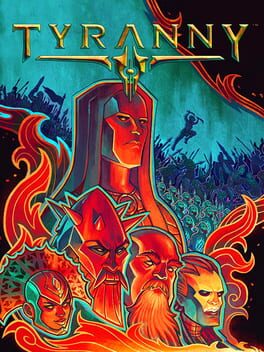
Tyranny puts you on the side of an evil conquering overlord and forces genuinely dark moral choices that shape the world — the 'embrace corruption and become ultimate evil' path of BG3 made into an entire game.
Key difference: You play as a villain by default; shorter, more focused campaign.
Best for: BG3 players who chose the Dark Urge or evil path.
Skip if: You want a heroic narrative or long epic campaign.
The 1999 PC RPG that set the standard for narrative-first CRPGs, Planescape: Torment features a party of morally strange companions, a philosophical story about identity and mortality, and dialogue that changes the world — an obvious ancestor of BG3's writing ambitions.
Key difference: Old Infinity Engine; story-first with minimal combat emphasis.
Best for: Players who think BG3's story is its greatest achievement.
Skip if: You dislike retro interfaces or want modern combat mechanics.
The Witcher 3 is the gold standard of story-driven open-world fantasy RPGs, with morally grey choices that genuinely change outcomes and rich companion/NPC writing. While combat is action-based rather than turn-based, the narrative depth and world reactivity rival BG3.
Key difference: Real-time action combat, single protagonist, no party.
Best for: Players who want the richest possible open-world fantasy story.
Skip if: You need turn-based tactical party combat.
Mass Effect 2 is the pinnacle of the party-RPG-with-story-choices formula: deep companion relationships, loyalty missions, and a finale shaped entirely by your decisions throughout. The squad management and moral renegade/paragon system echo BG3's companion investment loop.
Final Fantasy VII is a landmark turn-based party RPG with a layered story blending dark themes, moral ambiguity, and memorable companions whose backstories unfold across dozens of hours — a template BG3 clearly inherits.
Key difference: Linear story structure; ATB combat, not D&D-style tactical.
Best for: Players who want a classic turn-based JRPG story with weight.
Skip if: You dislike JRPGs or want reactive branching dialogue.
Chrono Trigger is a beloved turn-based party RPG with clever combat mechanics, time-travel-driven moral consequences, and multiple endings shaped by player decisions — a rare JRPG that rewards choice in the way BG3 does.
Key difference: Retro SNES visuals; shorter, more linear narrative scope.
Best for: Those who want a tight, choice-rich turn-based RPG classic.
Skip if: You need full 3D exploration or modern production values.
Mass Effect 3 delivers a payoff for all your trilogy-long choices and companion bonds, with emotional story beats comparable to BG3's Act 3 revelations. Party compositions and loyalty carry real weight in the final push.
Key difference: More shooter-heavy; story satisfaction depends on prior games.
Best for: Players already invested in the Mass Effect companion cast.
The Witcher 2 takes a gritty narrative-choice RPG and splits into radically different second acts depending on one pivotal decision — a mechanic BG3 fans will recognise immediately. Combat is more action-oriented but builds on the same morally complex world.
Key difference: Action combat; much shorter than BG3 with no party system.
Best for: Those who want the steepest narrative-choice consequences.
Skip if: You need party management or turn-based mechanics.
Fallout: New Vegas is an RPG where every quest has multiple resolutions shaped by your stats, factions, and dialogue builds — the closest a first-person RPG gets to BG3's reactivity. Four major factions each offer legitimate paths to the ending.
GreedFall is a third-person action RPG with a party system, detailed faction reputation mechanics, and a colonial fantasy setting with genuine moral complexity around colonialism and indigenous rights — an underrated CRPG-adjacent experience with BG3's companion investment loop on a budget.
Key difference: Action combat; lower production values and smaller scope.
Best for: Budget-conscious players who want party-RPG faction politics.
Skip if: You require turn-based tactics or AAA production quality.
Fae Tactics is a turn-based tactical RPG on a grid where you recruit a roster of magical creature companions and fight through a story-driven fantasy campaign. It scratches the tactical-party-RPG itch at a fraction of the price.
Cyberpunk 2077 (post-2.0 patch) is a deep RPG with genuinely branching quest lines, choice-driven endings, and richly written companion characters — the Night City narrative shares BG3's sense of consequence even if its combat is action-based.
Key difference: First-person shooter; sci-fi, no party system.
Best for: Players who want a story-reactive RPG in a non-fantasy world.
Skip if: You need party management or turn-based combat.
Oblivion is a fantasy open-world RPG with guild questlines, moral decisions, and a skill-based character system — less reactive than BG3 but sharing the same sense of roleplaying freedom in a rich fantasy setting.
Key difference: Real-time action combat; no party, less dialogue consequence.
Best for: Players who want wide-open fantasy world exploration.
Skip if: You need tactical turn-based combat or party companions.
Linear story structure; ATB combat, not D&D-style tactical.
PlayStation
Chrono Trigger
72%
Role-playing (RPG), Fantasy
Retro SNES visuals; shorter, more linear narrative scope.
Nintendo
Mass Effect 3
71%
Role-playing (RPG), Strategy
More shooter-heavy; story satisfaction depends on prior games.
PlayStation, PC, Xbox
What Makes a Game Feel Like Baldur's Gate 3?
The true BG3 formula requires three interlocking pillars: turn-based tactical combat where positioning and action economy are puzzles, party companions with their own agendas, and a narrative that registers your choices rather than railroading you. Very few games hit all three. Dragon Age: Origins comes closest in the candidate pool — it uses origin characters, a companion approval system, and tactically pausable combat in a dark-fantasy world. Fire Emblem: Three Houses nails the tactical and companion-bonding pillars through its grid-based battles and monastery social sim.
Games like The Witcher 3 and Mass Effect 2 capture the narrative-consequence and companion-bond pillars without the turn-based combat, making them excellent for players who primarily loved BG3's storytelling. If what you loved was the D&D ruleset specifically, Star Wars: Knights of the Old Republic runs on a near-identical D20 system — it is the most direct spiritual predecessor in the pool.
Best Hidden Gems for BG3 Fans
GreedFall is routinely overlooked but delivers a party-based action RPG with faction reputation mechanics and genuine moral complexity around colonial power dynamics — at a much lower price than most AAA alternatives. For something even closer to BG3's turn-based tactical core, Fae Tactics is a charming grid-based tactical RPG with creature recruitment that flies completely under most recommendation radar.
Outside the candidate pool, Tyranny by Obsidian is the hidden gem that BG3 evil-path players must discover: it puts you inside a conquering overlord's regime from day one and forces impossible moral decisions where every option has dark consequences — it's the 'become ultimate evil' arc of BG3 turned into a full game, and it remains criminally underplayed. Solasta: Crown of the Magister is another indie standout: it uses the actual D&D 5e SRD rules with arguably stricter fidelity than BG3, rewarding players who want pure tactical ruleset depth.
If You Want the Story Experience Without Tactics
If BG3's narrative, dialogue, and moral choices were the hook rather than the combat, Disco Elysium is the most important recommendation you'll find anywhere: it replaces combat entirely with a skill-check dialogue system, and its writing and reactive world-building surpass almost everything in the genre. Fallout: New Vegas is the action-RPG equivalent — every major quest has four or five legitimate resolution paths shaped by your build and faction standing, making it the most 'tabletop GM-like' game outside of actual CRPGs.
For story-driven companion experiences, the Mass Effect trilogy (starting with Mass Effect 2) offers companion loyalty missions and bonds that rival BG3's, with a moral choice system that carries weight across three games. Pillars of Eternity II: Deadfire (in additional recommendations) goes furthest for those who want companion writing and lore depth at CRPG level without needing D&D specifically.
Is there a game that plays exactly like Baldur's Gate 3?
Divinity: Original Sin 2, made by the same developer (Larian Studios), is the closest match — it uses the same turn-based environmental combat, four-player co-op, and origin-character party system that BG3 directly evolved from. Within the D&D 5e ruleset specifically, Solasta: Crown of the Magister is the only other game that replicates BG3's tabletop mechanical fidelity.
What's the best game like Baldur's Gate 3 for story and choices?
Disco Elysium is the strongest story-and-choices recommendation — it eliminates combat entirely and builds a game purely around reactive dialogue and skill checks. For a fantasy RPG with comparable narrative consequence, Pathfinder: Wrath of the Righteous and Tyranny (both from Obsidian/Owlcat) deliver genuinely branching stories where your faction and moral choices reshape major plot beats.
Are there games like Baldur's Gate 3 with real-time combat?
Dragon Age: Origins uses real-time-with-pause combat in a nearly identical party-based fantasy CRPG structure — it's the closest non-turn-based match. The Witcher 3 and Mass Effect 2 share BG3's companion depth and story reactivity in action-combat formats, though they lack the party-management layer.
What's a good gateway game before tackling Baldur's Gate 3?
Mass Effect 2 is a gentle on-ramp: it teaches party management and story-choice investment without the complexity of D&D rules. Star Wars: Knights of the Old Republic uses the same D20 dice system in a more forgiving package. For turn-based tactics specifically, Fire Emblem: Three Houses eases players into grid combat before they face BG3's freeform battlefield puzzles.
Is Baldur's Gate 3 similar to Divinity: Original Sin 2?
Yes — they are made by the same studio (Larian) and share the same design philosophy: turn-based tactical combat using an action-point system, environmental interactions as weapons, up to four co-op players, and origin characters with personal story arcs. BG3 is the more polished and narratively sophisticated game, but DOS2 is longer and arguably more tactically complex in its magic/physical armour systems.
 97%
97%