Telltale's The Walking Dead Season One hit differently because it wasn't really a zombie game—it was a story about a man learning to be a father figure during the end of the world. Its power came from timed dialogue choices that felt genuinely consequential, a cast you grew to love (and dread losing), and a willingness to devastate you emotionally in ways that blockbuster games rarely attempt.
When people search for games like it, they're usually chasing one of two things: the Telltale-style interactive drama format (episodic, choice-driven, QTE-light), or the post-apocalyptic survival narrative feel (a small group, impossible decisions, visceral loss). The best picks on this list deliver one or both of those qualities.
Top pick:The Wolf Among Us is the single closest match in the candidate pool—same developer, same engine, same episodic choice structure, and some of Telltale's sharpest writing—but if you want the post-apocalyptic emotional gut-punch rather than a noir mystery, The Last of Us is the game that most faithfully captures what made Season One's Clementine/Lee relationship so unforgettable.
Some store buttons are affiliate links — we may earn a commission at no extra cost to you.
16 games like The Walking Dead
97%
The Wolf Among Us 2013
The Wolf Among Us is a Telltale point-and-click adventure built on the exact same engine, choice-consequence structure, and episodic format as TWD Season One. You play a morally grey protagonist navigating a gritty noir mystery where every dialogue pick shapes your relationships.
Key difference: Fairy-tale noir setting instead of zombie apocalypse.
Best for: Anyone who loved the Telltale format and wants it at its sharpest.
Skip if: You only care about zombie/survival horror tone.
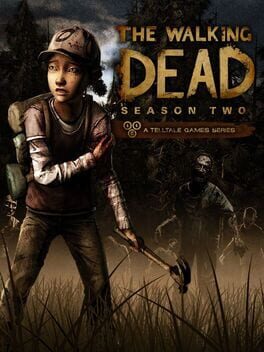
The direct continuation of Season One, following Clementine as the lead. It preserves every mechanic—timed choices, quick-time survival scenes, and gut-punch emotional beats—while deepening the zombie apocalypse drama.
Key difference: You play as Clementine; Lee's story is over.
Best for: Anyone who finished Season One and isn't ready to let go.
Skip if: You want a fresh cast and setting entirely.
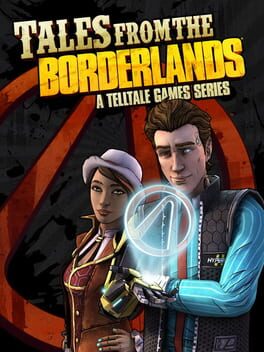
Tales from the Borderlands is a Telltale narrative adventure that channels the same episodic, choice-driven drama with stellar character writing; it replaces horror with sharp comedy and sci-fi but the emotional investment is just as real.
Key difference: Comedy-first tone; no horror or bleak survival pressure.
Best for: TWD fans who want Telltale's best pure writing without the grimness.
Skip if: You need the zombie apocalypse dread to stay engaged.
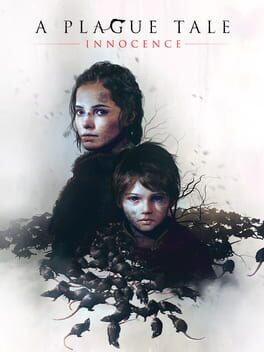
A third-person narrative survival game where you protect a young sibling through a plague-ravaged medieval France—the character bond, bleak world, and emotional stakes map almost perfectly onto TWD Season One's Clementine/Lee dynamic.
Detroit: Become Human is a branching interactive drama where every scene's outcome hinges on your choices, with a flowchart showing exactly how your decisions reshaped the story—the same core appeal as TWD's moral dilemmas, now in a sci-fi setting.
Key difference: Sci-fi android rights theme; more cinematic, less horror.
Best for: Players who want choices to branch the story most visibly.
Skip if: You dislike slow, dialogue-heavy cinematic games.
Heavy Rain pioneered the QTE-and-choice-driven drama formula that Telltale refined. It's a tense thriller where characters can permanently die based on your decisions, delivering the same dread of 'this choice matters' at every turn.
Key difference: Crime thriller mystery instead of zombie survival.
Best for: Fans of the QTE-drama format who want a 2010 classic.
Skip if: You need action gameplay between story beats.
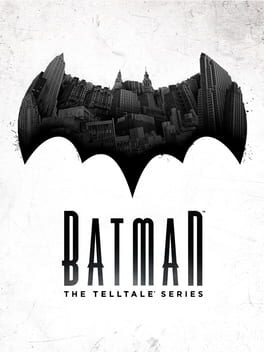
Telltale's Batman uses the exact same engine, choice-consequence format, and episodic structure as TWD Season One, casting you as Bruce Wayne making relationship decisions as much as combat ones, with consequences that carry across all five episodes.
Key difference: Superhero setting; more action QTEs, less survival horror.
Best for: TWD Telltale fans who want the same format with a different IP.
Skip if: You need the grim zombie survival tone specifically.
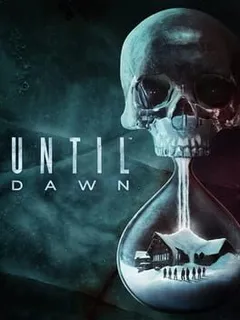
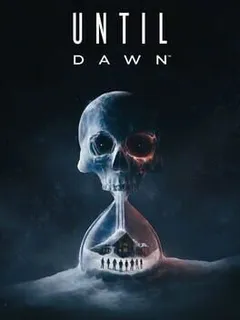
Until Dawn is a choice-driven horror narrative where a cast of characters can all live or die based on your decisions across the night. The butterfly-effect system directly echoes TWD's 'consequences will be remembered' tension.
Key difference: Slasher horror with a bigger, more disposable cast.
Best for: TWD fans who want pure horror and real stakes for every character.
Skip if: You dislike teenage-slasher tropes or third-person camera.
Life Is Strange is an episodic narrative adventure where relationship choices accumulate across episodes to shape a deeply emotional ending—same episodic structure as TWD, with a time-rewind mechanic that adds a puzzle twist to dialogue decisions.
Key difference: Teen drama mystery; lighter tone than TWD's brutality.
Best for: TWD fans who want emotional character bonds in a safer setting.
Skip if: You need violence and horror to stay invested.
The Last of Us shares TWD's DNA almost exactly: a post-apocalyptic America overrun by infected, a gruff adult protecting a young girl, and a story that prizes character grief over action spectacle. It adds third-person combat but the emotional core is identical.
Key difference: Full action-survival gameplay; far less point-and-click.
Best for: TWD fans ready for a longer, more action-heavy experience.
Skip if: You want minimal combat and pure narrative control.
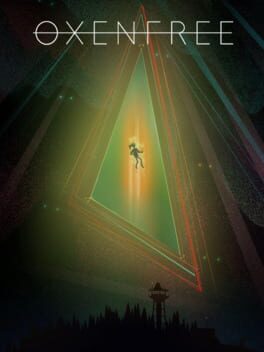
Oxenfree is a supernatural teen mystery adventure where dialogue choices flow in real-time during exploration, building relationships that shape the ending—its eerie tension and focus on character voice recall TWD's best quiet moments.
Key difference: Supernatural radio horror; smaller, indie scale.
Best for: TWD fans who want dialogue-driven character bonds in a creepy atmosphere.
Skip if: You need zombie survival or QTE action scenes.
Beyond: Two Souls is Quantic Dream's interactive drama where you guide a woman through 15 years of life via QTEs and dialogue choices—same passive-cinematic feel as TWD, with supernatural horror replacing zombies.
Key difference: Non-linear timeline structure can feel disjointed.
Best for: Players who liked Heavy Rain and want more Quantic Dream drama.
Skip if: You want choices that meaningfully branch the ending.
Firewatch is a first-person narrative adventure set in Wyoming wilderness where your relationship with a radio partner is shaped by every conversation choice—it shares TWD's intimacy and dread of an encroaching mystery.
Key difference: Walking-sim pacing; no violence, horror, or QTEs.
Best for: TWD fans who want quiet character drama without survival mechanics.
Skip if: You need tension or consequence-driven choice systems.
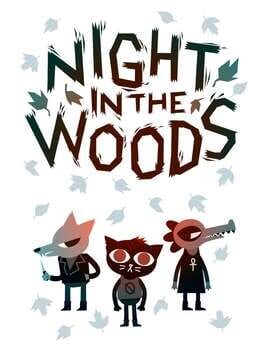
Night in the Woods is a narrative adventure about a young dropout returning to a dying rust-belt town, driven by dialogue choices that deepen friendships and uncover a creeping mystery—the emotional authenticity rivals TWD's character writing.
Key difference: Cartoon animal aesthetic; no horror action or survival danger.
Best for: TWD fans who want emotionally honest character drama above all else.
Skip if: You need stakes, violence, or tension to stay engaged.
What Remains of Edith Finch is a short narrative exploration game delivering a series of devastating family vignettes—each scene shifts format and mechanic, but the cumulative emotional gut-punch rivals TWD Season One's best moments.
Key difference: No choices; purely authored linear storytelling.
Best for: Players who want to cry without any gameplay friction.
Skip if: You need agency and consequence to stay invested.
Undertale builds its entire identity around moral choices and consequences—every enemy you spare or kill reshapes the story and ending in ways that directly mirror TWD's 'the world will remember' design philosophy.
Key difference: Retro RPG presentation; quirky comedy alongside the drama.
Best for: Players who want choices with the deepest narrative consequences.
Skip if: You need realistic visuals or a zombie-horror tone.
Sci-fi android rights theme; more cinematic, less horror.
PlayStation, PC
Heavy Rain
82%
Adventure, Action
Crime thriller mystery instead of zombie survival.
PlayStation, PC
Batman: The Telltale Series
82%
Point-and-click, Adventure
Superhero setting; more action QTEs, less survival horror.
PlayStation, Mobile, PC, Xbox, Nintendo
Until Dawn
80%
Adventure, Horror
Slasher horror with a bigger, more disposable cast.
PlayStation
Life Is Strange
79%
Puzzle, Adventure
Teen drama mystery; lighter tone than TWD's brutality.
PlayStation, PC, Mobile, Xbox
The Last of Us
78%
Adventure, Action
Full action-survival gameplay; far less point-and-click.
PlayStation
Oxenfree
78%
Adventure, Drama
Supernatural radio horror; smaller, indie scale.
PlayStation, PC, Mobile, Xbox, Nintendo
Beyond: Two Souls
71%
Adventure, Action
Non-linear timeline structure can feel disjointed.
PlayStation, PC
Firewatch
65%
Adventure, Drama
Walking-sim pacing; no violence, horror, or QTEs.
PlayStation, PC, Xbox, Nintendo
Night in the Woods
65%
Adventure, Drama
Cartoon animal aesthetic; no horror action or survival danger.
PlayStation, PC, Mobile, Xbox, Nintendo
What Remains of Edith Finch
63%
Puzzle, Adventure
No choices; purely authored linear storytelling.
Xbox, PlayStation, PC, Mobile, Nintendo
What makes a game truly feel like Telltale's The Walking Dead?
The Telltale formula has three pillars that most "adventure game" recommendations miss: timed choices that create genuine panic, a small cast whose survival you personally feel responsible for, and a narrative that doesn't flinch from permanent loss. Games like The Wolf Among Us and Tales from the Borderlands nail all three because they were built on the same engine by the same studio. Quantic Dream's output—Heavy Rain and Detroit: Become Human—captures the QTE-drama feel with higher production values but slightly less raw emotional unpredictability.
Until Dawn is the horror-focused alternative: it drops the point-and-click pacing for a third-person slasher structure, but the butterfly-effect system and permanent character death make every choice feel exactly as weighty as TWD's most brutal moments.
If you want the post-apocalyptic survival bond (more than the format)
The Last of Us and its sequel are the canonical recommendations here—a gruff adult, a young girl, a broken America, and a story that chooses grief over action spectacle at every turn. The gameplay is far more hands-on than TWD's point-and-click, but the emotional DNA is nearly identical. For something that maps even more directly onto the Lee/Clementine dynamic, A Plague Tale: Innocence (in "additional") replaces zombies with plague rats and medieval France but preserves the protective-sibling bond almost beat for beat.
Life Is Strange is worth flagging for players who want episodic structure and emotional consequence without survival horror: its teen drama stakes feel smaller but the attachment to its cast is just as real, and its episodic release model means it unspools exactly like TWD did in 2012.
Hidden gems from the list most "games like TWD" articles miss
Tales from the Borderlands is criminally undersold on these lists—it's arguably Telltale's best-written game, with characters whose arcs land harder than anything in the Borderlands shooter series, and the comedy never undercuts genuine emotional payoff. What Remains of Edith Finch is another overlooked match: it abandons player agency entirely but delivers a sequence of family vignettes that hit with the same cumulative devastation as TWD's finale, in under three hours.
Is The Walking Dead Season One still worth playing in 2024?
Yes. The writing, voice acting, and emotional impact hold up completely. The visuals are dated and the gameplay is minimal, but no subsequent game in the genre has surpassed its finale for raw emotional effect. Play the Definitive Series version for the cleanest technical experience.
What is the closest game to Telltale's The Walking Dead?
The Wolf Among Us is the nearest match—same developer, same episodic format, same choice-consequence system, and similarly strong character writing. If you want the zombie-survival emotional tone specifically, The Last of Us is the closest equivalent in a different gameplay style.
Does the choice system in The Walking Dead actually matter?
Choices affect dialogue, relationship states, and which characters survive certain scenes, but the major plot beats are largely fixed. The real impact is emotional: your choices shape how scenes feel and which characters you've bonded with before they're put in danger. It's more about the journey than a truly branching story.
Are the later Walking Dead seasons by Telltale worth playing?
Season Two is excellent and directly continues Clementine's story. A New Frontier (Season Three) is the weakest entry. The Final Season is a strong, emotional conclusion to Clementine's arc and worth playing for fans of Season One, despite being finished by a different team after Telltale's closure.
What should I play after finishing all the Telltale Walking Dead seasons?
Heavy Rain and Detroit: Become Human offer similar QTE-driven drama with higher production values. A Plague Tale: Innocence is the best game to scratch the 'protecting someone younger through a brutal world' itch. Life Is Strange is ideal if you want episodic emotional storytelling with less violence.
 97%
97%