Silent Hill 2 (2024) is beloved for a very specific reason: its horror is not about scares but about psychological devastation. James Sunderland's fog-shrouded journey is a walking exploration of grief, guilt, and self-deception, where every monster, every rusted corridor, and every distorted sound exists as an externalization of trauma. The remake preserves this while adding modern over-the-shoulder gameplay and rebuilt visuals that make the dread feel tactile in a new way.
When fans ask for "games like Silent Hill 2," they rarely mean they want another monster-shooting game — they want that specific intersection of oppressive atmosphere, meaningful horror imagery, emotionally devastating narrative, and slow-burn exploration. The best recommendations honor that intent rather than simply sharing a "Horror" tag.
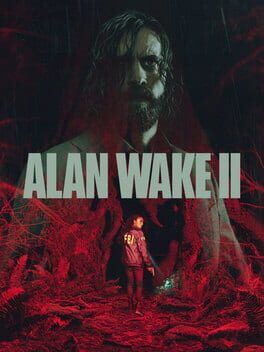
Top pick: The single closest pick is Alan Wake II — it's the only modern game that matches Silent Hill 2 Remake's ambition of using third-person horror as a vehicle for psychological unraveling, delivering a layered mystery narrative where reality itself is the antagonist, all wrapped in genuinely unsettling atmosphere and strong production values that feel like a direct creative conversation with the Silent Hill legacy.
Some store buttons are affiliate links — we may earn a commission at no extra cost to you.
23 games like Silent Hill 2
90%
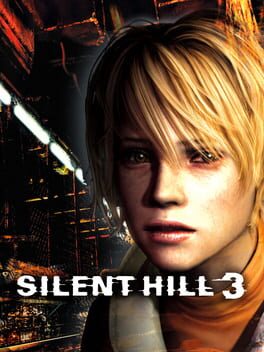
Silent Hill 3 2003
Silent Hill 3 continues the series' tradition of psychological horror rooted in personal trauma, with oppressive atmosphere, cryptic puzzles, and monster designs that function as psychological metaphors. It's arguably the scariest entry in the franchise.
Key difference: Protagonist is Heather, the world more overtly supernatural and grotesque.
Best for: Players who want more Silent Hill after finishing SH2.
Skip if: You need modern over-the-shoulder gameplay.
PCPlayStation
88%
Alan Wake II 2023
Alan Wake II is the closest modern game to Silent Hill 2's blend of psychological dread, layered narrative mystery, and third-person horror gameplay. Its dual-protagonist structure and mind-bending meta-fiction replace SH2's grief with authorial paranoia.
Key difference: Faster, shooter-focused combat; more meta and comedic in places.
Best for: Players who want the most narratively ambitious modern horror.
Skip if: You want pure dread without any self-aware moments.
Visage is one of the most direct Silent Hill spiritual successors ever made — a sprawling haunted house where each wing unravels a different trauma narrative through environmental storytelling, cryptic puzzles, and sustained, overwhelming dread.
Key difference: Slower, more punishing; no combat and very complex puzzle design.
Best for: Players who want the definitive modern Silent Hill spiritual heir.
Skip if: You need action or clear guidance; Visage is deliberately obscure.
Resident Evil 2 (2019) shares Silent Hill 2 Remake's over-the-shoulder camera, carefully rebuilt survival horror gameplay, and oppressive sense of place. The Raccoon City Police Department feels as claustrophobic and threatening as Silent Hill's foggy streets.
Key difference: Emphasis on resource management and action; far less psychological depth.
Best for: Players who want tighter, more mechanical survival horror.
Skip if: You prioritize narrative and psychological weight over gameplay tension.
Senua's Sacrifice is a psychological horror action game where psychosis shapes the entire world — voices, hallucinations, and shifting reality make it the most emotionally brutal portrayal of a traumatized mind in gaming, analogous to SH2's grief metaphor.
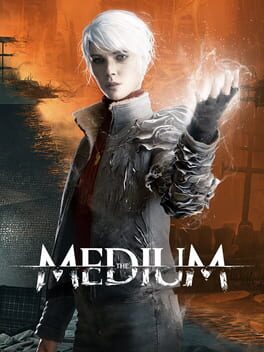
The Medium is Bloober Team's direct spiritual predecessor to their Silent Hill 2 Remake — it features dual-realm exploration, fixed cinematic camera angles, and a deeply personal trauma narrative. The DNA is unmistakable.
Key difference: No combat at all; gameplay is entirely exploration and puzzle-driven.
Best for: Players who want pure psychological horror from the same studio.
Skip if: You need combat to stay engaged with horror.
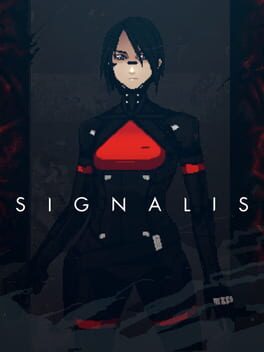
Signalis is a survival horror game directly inspired by the classic Silent Hill structure: isometric fixed camera, inventory management, cryptic symbolism, and a devastatingly sad love story at its core. Its dreamlike narrative logic matches SH2's unreliable reality.
Key difference: 2D isometric perspective; retro-styled visuals and mechanics.
Best for: Players who want the emotional weight of SH2 in a smaller package.
Skip if: You need modern 3D presentation to stay immersed.
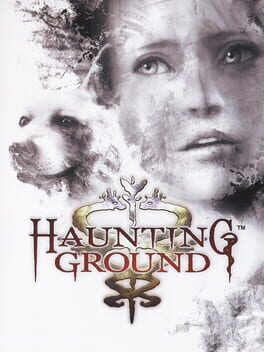
Haunting Ground is a PS2-era Capcom survival horror game set in a gothic castle — Fiona and her dog Hewie must flee stalkers in environments soaked with dread, and its themes of bodily violation and helplessness sit very close to Silent Hill 2's emotional territory.
Key difference: Run-and-hide mechanics rather than combat; companion dog is core mechanic.
Best for: PS2-era horror fans who want an underappreciated classic.
Skip if: You can't tolerate dated graphics or difficult chase sequences.
PlayStation
80%
The Evil Within 2014
The Evil Within is Shinji Mikami's spiritual successor to Resident Evil 4 but leans heavily into surreal, psychological horror akin to Silent Hill — environments warp and collapse, and the protagonist's mental state bleeds into the world's logic.
Key difference: More action-oriented and Resident Evil-adjacent in structure.
Best for: Players who want a more challenging, punishing horror experience.
Skip if: You dislike erratic tonal shifts between horror and action.
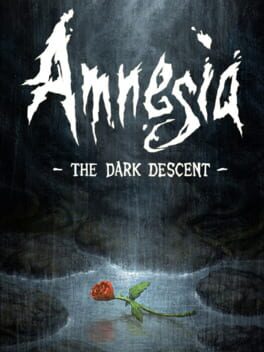
Amnesia: The Dark Descent pioneered the defenseless psychological horror subgenre — no combat, only hiding, fleeing, and piecing together a fractured narrative in a crumbling castle. The sustained helplessness matches SH2's dread without the combat.
Key difference: First-person, no combat whatsoever; shorter runtime.
Best for: Players who want the purest atmospheric dread.
Skip if: You need some capacity to fight back against threats.
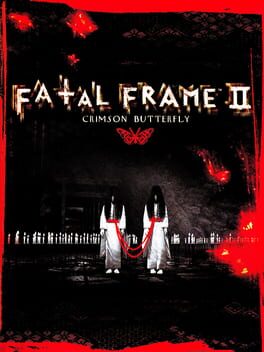
Fatal Frame II is a Japanese survival horror game where you fight ghosts using only a camera — its exploration of a cursed village, twin sisters' bond, and ritualistic horror create the same psychological weight and vulnerability as Silent Hill 2.
Key difference: Camera-based combat mechanic; Japanese horror aesthetic over Western.
Best for: Players who want the most emotionally devastating Japanese horror game.
Skip if: You need modern controls; the PS2 version feels very dated.
PlayStation
79%
Resident Evil 7: Biohazard 2017
Resident Evil 7 strips the series back to a first-person isolated horror experience — a Louisiana plantation replaces SH2's foggy town, and the focus on slow exploration, puzzle-solving, and psychological torment is remarkably similar in feel.
Key difference: First-person perspective; more grounded, less symbolic narrative.
Best for: Players who want modern horror with intense atmospheric immersion.
Skip if: You're bothered by gore-focused shock content.
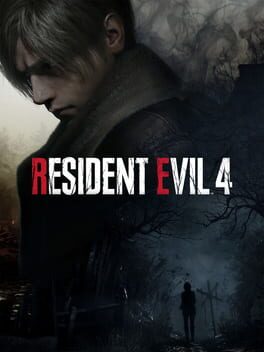
The Resident Evil 4 remake is the most polished modern over-the-shoulder survival horror available — tense combat, excellent pacing, and strong atmosphere. It shares the remake template and gameplay feel of Silent Hill 2 (2024) closely.
Key difference: Far more action-forward; less psychological, more pulpy adventure horror.
Best for: Players who want the best-feeling modern survival horror combat.
Skip if: You want heavy psychological themes over genre thrills.
SOMA is a deeply philosophical sci-fi horror game where the horror comes from existential dread and narrative revelations rather than jump scares. Like SH2, it forces you to confront themes of identity, loss, and what it means to be human.
Key difference: No combat; first-person; science fiction setting underwater.
Best for: Players who value SH2's emotional gut-punch above its gameplay.
Skip if: You need consistent tension and threat; SOMA has long quiet stretches.
Alien: Isolation delivers one of gaming's most sustained atmospheric horror experiences — methodical pacing, a terrifying pursuer, and a richly detailed world you explore mostly alone. The sense of dread and helplessness parallels SH2 closely.
Key difference: First-person stealth game; sci-fi setting with a single primary threat.
Best for: Players who want sustained, slow-burn tension over psychological depth.
Skip if: You dislike stealth-based gameplay as the primary tool.
Dead Space is a masterclass in third-person survival horror — oppressive atmosphere, dismemberment combat, and a grief-stricken protagonist searching for a loved one in a nightmare environment. The emotional setup mirrors SH2 more than most realize.
Key difference: Sci-fi setting; more action-heavy with focus on resource management.
Best for: Players who want the SH2 protagonist-grief premise with stronger combat.
Skip if: You dislike body horror and gore-focused aesthetics.
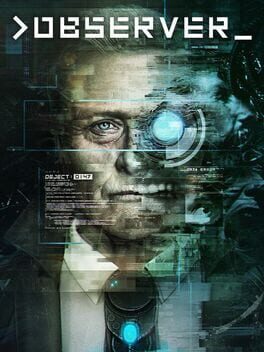
Observer (>observer_) is Bloober Team's cyberpunk psychological horror — a detective jacks into dying minds and traverses nightmare memories through corridors of trauma. It's essentially Bloober's dry run for Silent Hill 2 Remake's tone and techniques.
Key difference: First-person; cyberpunk sci-fi setting; shorter and more linear.
Best for: Players wanting Bloober Team's earlier horror voice.
Skip if: You need action; Observer is entirely exploration and investigation.
Hellblade II: Senua's Saga is a cinematic psychological horror experience that uses its world as a canvas for its protagonist's traumatized psyche — beautiful, brutal, and deeply uncomfortable, with almost no traditional gameplay systems.
Key difference: Barely a game; almost zero puzzles or combat depth, pure experience.
Best for: Players who want SH2's emotional devastation in visual form.
Skip if: You need mechanical engagement beyond walking and light puzzle-solving.
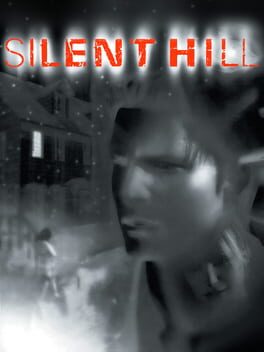
The original Silent Hill established the template — foggy town, radio static, psychological symbolism, and puzzle-solving in a waking nightmare. Less narrative complexity than SH2 but the same oppressive atmosphere and iconic monster design.
Key difference: Fixed camera, tank controls, simpler narrative than SH2.
Best for: Series completionists or those exploring the franchise's roots.
Skip if: You can't overlook the significantly aged controls and presentation.
PlayStation
74%💎 Gem
Condemned: Criminal Origins 2005
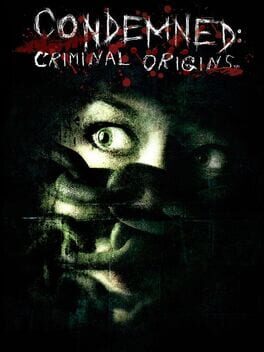
Condemned: Criminal Origins puts you in a narrow, oppressive world of decaying urban environments hunting a serial killer — the melee-focused combat and horrifying atmosphere create a sense of dread closer to Silent Hill than almost any non-SH game of its era.
Key difference: First-person; investigation mechanics drive the narrative forward.
Best for: Players who want forgotten-era atmospheric horror that's genuinely disturbing.
Skip if: You dislike very dated (2005) presentation and first-person melee.
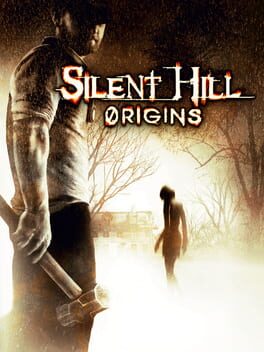
Silent Hill: Origins is a handheld-era prequel set in the same town with the same puzzle-exploration loop, fixed camera zones, and cryptic horror atmosphere that define the series. It tells Travis Grady's story set before the events of SH1.
Key difference: Portable origins; weaker narrative and production values.
Best for: Silent Hill fans who want to fill in series lore.
Skip if: You want modern production quality or strong standalone storytelling.
PlayStation
72%
Layers of Fear 2016
Layers of Fear (original) is a walking horror game built around a painter's unraveling psyche — its morphing, impossible rooms and psychological narrative draw directly from the Silent Hill design philosophy of environments as expressions of mental trauma.
Key difference: No combat; much shorter; more limited and repetitive in structure.
Best for: Players who want a 2–3 hour pure psychological horror short story.
Skip if: You need gameplay challenge alongside your horror narrative.
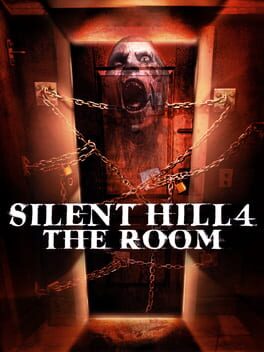
Silent Hill 4: The Room is the most experimental main-series entry — a haunted apartment hub connects to nightmarish alternate worlds, and the escalating dread mirrors SH2's psychological descent with a distinctive supernatural hook.
Key difference: Hybrid first/third-person; gameplay loop is more frustrating and repetitive.
Best for: Dedicated Silent Hill fans who want every mainline entry.
Skip if: You expect the same quality polish as the remake.
No combat at all; gameplay is entirely exploration and puzzle-driven.
Xbox, PC, PlayStation
Signalis
82%
Adventure, Action
2D isometric perspective; retro-styled visuals and mechanics.
Xbox, PlayStation, PC, Nintendo
Haunting Ground
82%
Adventure, Horror
Run-and-hide mechanics rather than combat; companion dog is core mechanic.
PlayStation
The Evil Within
80%
Puzzle, Adventure
More action-oriented and Resident Evil-adjacent in structure.
PlayStation, PC, Xbox
Amnesia: The Dark Descent
80%
Puzzle, Adventure
First-person, no combat whatsoever; shorter runtime.
PlayStation, PC, Xbox, Nintendo
Fatal Frame II: Crimson Butterfly
80%
Adventure, Action
Camera-based combat mechanic; Japanese horror aesthetic over Western.
PlayStation
Resident Evil 7: Biohazard
79%
Puzzle, Adventure
First-person perspective; more grounded, less symbolic narrative.
Xbox, PlayStation, Nintendo, PC, Mobile
Resident Evil 4
79%
Puzzle, Adventure
Far more action-forward; less psychological, more pulpy adventure horror.
Xbox, PlayStation, PC, Mobile
Soma
78%
Puzzle, Adventure
No combat; first-person; science fiction setting underwater.
PlayStation, PC, Xbox, Nintendo
Alien: Isolation
78%
Adventure, Action
First-person stealth game; sci-fi setting with a single primary threat.
PlayStation, PC, Xbox, Nintendo
What makes a game truly feel like Silent Hill 2?
The key ingredient is horror as metaphor — the world must feel like it's responding to the protagonist's psychology rather than just throwing threats at the player. Silent Hill 2 Remake's monsters are visual representations of James's guilt; the fog conceals and reveals in equal measure. Games that capture this include Signalis, where a robot's fractured memory creates a dreamlike survival horror loop around a doomed love story, and The Medium, where Bloober Team literally splits the screen between a trauma survivor's real and psychological worlds. Both use their environments as emotional architecture rather than just dangerous spaces.
Alan Wake II takes the concept furthest in modern gaming — Saga Anderson's mind palace mechanic and Alan's manipulation of narrative reality both function as gameplay expressions of psychological states, making the horror feel genuinely personal in a way few games achieve.
If you want more survival horror gameplay with less psychological depth
Silent Hill 2 Remake's over-the-shoulder combat and resource management place it in the same conversation as the modern Resident Evil remakes. Resident Evil 2 (2019) is the gold standard here — its rebuilding of a survival horror classic with modern controls is the closest structural comparison to what Bloober Team did, and the Raccoon City Police Department has a spatial dread that rivals Silent Hill's environments. Resident Evil 4 (2023) offers the most polished combat of any modern third-person horror game, while Dead Space gives you a grief-motivated protagonist in an isolated nightmare that mirrors SH2's emotional premise more than most players expect.
Hidden gems that most "games like Silent Hill 2" lists miss
Signalis is the most egregiously overlooked recommendation — a small-team indie that packs more genuine Silent Hill DNA into its isometric survival horror than many big-budget productions. Its inventory limit, cryptic symbolism, and love-story-at-the-end-of-the-world narrative hit the same emotional notes as SH2 in about six hours. Condemned: Criminal Origins is another forgotten gem: its first-person tour through decaying urban spaces populated by increasingly disturbed enemies creates visceral dread through environmental design in a way that predates and parallels the Silent Hill approach. And Visage, while not in the candidate pool, is perhaps the most faithful modern spiritual successor the series has — a haunted house game that makes oppressive dread its entire purpose.
Is Silent Hill 2 (2024) a full remake or just a remaster?
It's a full ground-up remake built in Unreal Engine 5, not a remaster. Bloober Team rebuilt all assets, rewrote dialogue, re-recorded voice acting, and changed the camera from fixed angles to an over-the-shoulder perspective. The story and structure are preserved but the game is essentially new.
Which Silent Hill game should I play after the SH2 remake?
Silent Hill 3 is the natural next step — it's the direct narrative sequel (though with a different protagonist), matches the original's quality, and has never received a remake, making it the most important gap in modern players' Silent Hill experience. Silent Hill 1 provides essential lore context but is more dated.
Are there any games made by Bloober Team that are similar to Silent Hill 2?
Yes — The Medium (2021) and Observer (2017) are both Bloober Team games with strong thematic overlap. The Medium in particular feels like Bloober's rehearsal for Silent Hill 2: it features dual-world traversal, a trauma-driven narrative, and no combat, focusing entirely on psychological horror exploration.
What's the best modern game like Silent Hill 2 for players who don't like difficult combat?
SOMA and Amnesia: The Dark Descent remove combat entirely, focusing on exploration, atmosphere, and narrative dread. Visage (not in the candidate pool but widely available) is arguably the closest in tone — a defenseless survival horror game built almost entirely around Silent Hill 2's style of psychological environmental horror.
Is Resident Evil 4 Remake similar enough to Silent Hill 2 to be worth playing?
As a survival horror game with over-the-shoulder gameplay it's worth playing, but the similarity is mostly mechanical rather than tonal. RE4 is action-forward, witty, and pulpy where SH2 is somber and psychological. Think of RE4 Remake as the same genre bracket with an opposite emotional register — great game, different experience.
 90%
90%