The Resident Evil HD Remaster distills survival horror to its purest form: a locked-down Spencer Mansion, a strictly limited inventory, puzzles gating every new area, and enemies that can cost you more resources to kill than to evade. The tension comes not from jump scares but from scarcity — every bullet, every herb, every ink ribbon is a decision.
When players ask for games like Resident Evil, they typically want one or more of these things: that oppressive sense of being under-equipped in an isolated, hostile space; the puzzle-and-key loop of exploration with meaningful backtracking; genuine survival resource management where death feels meaningful; and a horror atmosphere that trusts dread over spectacle.
Top pick: The single closest pick is Resident Evil 2 (2019) — it rebuilds the same Spencer Mansion design philosophy (inventory grids, item boxes, puzzle-locked progression, and merciless resource pressure) in a modern engine, delivering the definitive version of the classic Resident Evil experience for players who have already finished the HD Remaster.
Some store buttons are affiliate links — we may earn a commission at no extra cost to you.
24 games like Resident Evil
97%
Resident Evil 2 2019
The 2019 remake of Resident Evil 2 directly inherits the mansion-era DNA: limited resources, puzzle-locked doors, inventory management, and relentless horror atmosphere — now with an over-the-shoulder camera. Leon and Claire's campaigns offer two distinct playthroughs with meaningful backtracking.
Key difference: Over-the-shoulder camera replaces fixed angles, making it more action-readable.
Best for: Fans who want the same formula with modern production values.
Skip if: You specifically love fixed-camera classic RE tank controls.
Dino Crisis was made by Shinji Mikami and Capcom using nearly identical design: fixed cameras, item-box inventory, puzzle-locked rooms, and scarce ammo — but with dinosaurs replacing zombies in a research facility.
Key difference: Dinosaurs instead of zombies; tighter pacing and more reactive AI.
Best for: Classic RE fans who want the exact same engine and design with a new threat.
Skip if: You can't access older platforms or can't tolerate PlayStation-era graphics.
PlayStationPC
92%
Silent Hill 2 2001
Silent Hill 2 is the closest rival to the original Resident Evil's atmosphere: a third-person survival horror game with limited resources, environmental puzzles, and dread-soaked exploration. Its psychological horror is deeper and more literary.
Key difference: Psychological, story-driven horror rather than zombie B-movie tone.
Best for: Players who want slower, more atmospheric survival horror.
Skip if: You need action-forward gameplay or clear enemy objectives.
PlayStation
89%
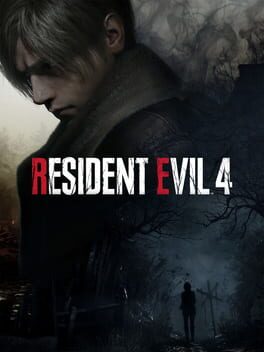
Resident Evil 4 2023
The 2023 remake of Resident Evil 4 preserves survival horror resource tension and puzzle design while rebuilding every encounter from scratch. Ammo is scarce, enemies demand spatial awareness, and the merchant/upgrade loop rewards careful play.
Key difference: More action-forward pacing; less backtracking, more set-pieces.
Best for: Players who want polished survival horror with a slight action lean.
Skip if: You dislike over-the-shoulder shooters; want slower exploration.
The original Resident Evil 2 is a direct successor to the HD Remaster's game in every mechanical sense: fixed cameras, tank controls, inventory grids, item-box management, and two interlocking campaigns in a zombie-infested police station.
Key difference: Pre-rendered fixed cameras and tank controls feel very dated today.
Best for: Purists who want the authentic original fixed-camera experience.
Skip if: You can't tolerate pre-rendered backgrounds and tank controls.
Dead Space transplants classic survival horror into a sci-fi spaceship setting: ammo is scarce, health must be managed carefully, enemies require precise dismemberment instead of headshots, and the atmosphere is relentlessly oppressive.
Key difference: Over-the-shoulder sci-fi shooter; no fixed cameras, no backtracking hub.
Best for: RE fans who want the resource-management tension in a sci-fi shell.
Skip if: You dislike sci-fi horror or faster-paced combat.
The original Resident Evil 4 was the pivot point that introduced the over-the-shoulder third-person perspective while keeping scarce ammo, upgrade systems, and horror encounters. Still demands careful resource management throughout.
Key difference: Much more action-oriented than the original fixed-camera RE.
Best for: Those ready to see where the series evolved its combat.
Skip if: You want classic puzzle-heavy mansion exploration.
Resident Evil 7 returned the series to its roots with first-person survival horror, an isolated plantation manor, extreme ammo scarcity, inventory management, and puzzle-locked doors that echo the original game's structure almost beat for beat.
Key difference: First-person perspective creates a very different sense of presence.
Best for: Fans of RE's resource tension who want a modern, terrifying setting.
Skip if: First-person horror induces motion sickness or anxiety.
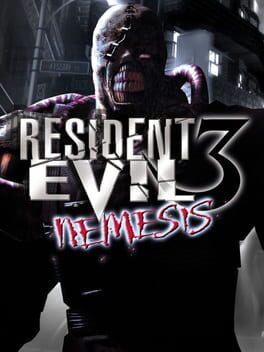
Resident Evil 3: Nemesis adds a powerful stalker enemy that pursues you through Raccoon City's streets, maintaining the same fixed-camera survival horror loop with a new evasion mechanic and tighter action beats.
Key difference: Faster, more chase-oriented pacing compared to mansion exploration.
Best for: Classic RE fans ready for more action and a relentless pursuer.
Skip if: You prefer slow puzzle-heavy exploration over tense evasion.
PlayStationNintendoPC
82%
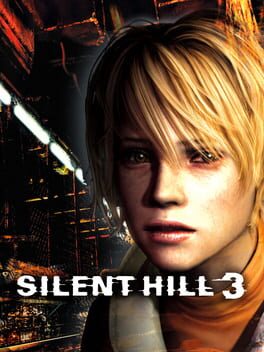
Silent Hill 3 2003
Silent Hill 3 sharpens its predecessor's formula with grotesque environments, inventory management, and puzzle-locked progression. Its all-female protagonist and more personal horror narrative set it apart while keeping the same survival tension.
Key difference: Faster-paced than SH2; more viscerally grotesque environments.
Best for: Silent Hill / RE fans wanting the most polished classic SH entry.
Skip if: You dislike horror with abstract, nightmare-logic storytelling.
PCPlayStation
82%
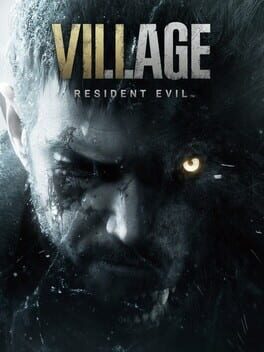
Resident Evil Village 2021
Resident Evil Village continues RE7's first-person survival horror with tighter combat, a gothic European village setting, and the same ammo-scarcity / inventory-management loop that defines the classic entries.
Key difference: More action and spectacle; less oppressive tension than RE7.
Best for: RE7 fans who want a more confident, varied follow-up.
Skip if: You want the original's slow, fixed-camera exploration pace.
The Evil Within was designed by Shinji Mikami, the creator of Resident Evil, as a deliberate return to survival horror roots: scarce ammo, environmental traps, grotesque enemies, and a third-person over-the-shoulder perspective.
Key difference: More surreal, nightmare-logic level design than RE's coherent mansion.
Best for: RE fans who want Mikami's unfiltered horror vision, flaws and all.
Skip if: You need polished, consistent pacing — TEW's structure is uneven.
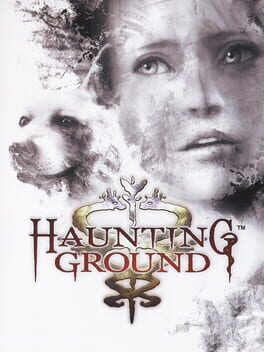
A Capcom PS2 survival horror game where you flee from stalker enemies across a gothic castle with no weapons, relying on evasion and a dog companion — the closest spiritual cousin to classic RE's helplessness.
Key difference: No combat at all; a companion dog is your only means of defense.
Best for: Classic RE fans who want pure Capcom survival horror with a twist.
Skip if: You need the ability to shoot or fight back.
PlayStation
80%
Alien: Isolation 2014
Alien: Isolation captures classic survival horror's tension through resource scarcity and extreme stealth — you cannot reliably kill the Alien, forcing the same careful, methodical movement that defines early Resident Evil.
Key difference: Pure stealth/hide horror; no combat solutions available most of the time.
Best for: Players who loved RE's vulnerability and tension over its combat.
Skip if: You want to fight back; shooter instincts will get you killed.
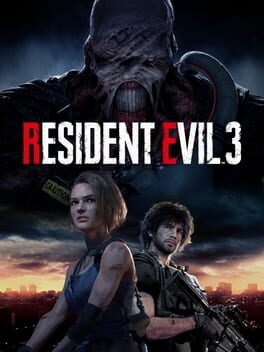
The 2020 Resident Evil 3 remake covers Raccoon City with over-the-shoulder gameplay, Nemesis encounters, and survival resource management — a shorter but intense horror experience directly tied to the same universe.
Key difference: Very short and action-focused compared to the original's scope.
Best for: Players who want RE3's story with modern RE2 Remake mechanics.
Skip if: You want a long, exploration-heavy survival horror game.
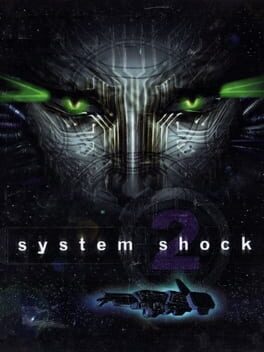
System Shock 2 pioneered the intersection of survival horror and resource scarcity in 1999: weapons degrade, ammo is rare, enemies regenerate, and the abandoned Von Braun spaceship has the same oppressive loneliness as Spencer Mansion.
Key difference: RPG character-build system and first-person view add extra complexity.
Best for: Players who want proto-survival-horror with systemic depth.
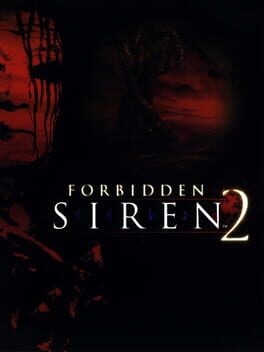
Forbidden Siren is a Japanese survival horror from Sony that shares Resident Evil's methodical stealth-and-resource design, requiring you to avoid undead Shibito enemies in a rural Japanese village.
Key difference: Unique 'sightjacking' mechanic lets you see through enemy eyes.
Best for: Classic RE fans who want a genuinely challenging, overlooked survival horror.
Skip if: You dislike brutal difficulty or fragmented, non-linear storytelling.
PlayStation
75%💎 Gem
Alone in the Dark 2008
The 1992 original Alone in the Dark invented the fixed-camera, limited-inventory survival horror format that Resident Evil perfected — pre-rendered backgrounds, tank controls, and a monster-filled mansion to explore.
Key difference: Far older and cruder; the ancestor rather than the peer.
Best for: Historians of survival horror and classic RE purists.
Skip if: You can't tolerate very early 1990s 3D graphics and design.
Amnesia: The Dark Descent strips survival horror to its purest form — no weapons, inventory management of tinderboxes and oil, puzzle-locked doors, and an absolute terror of the dark that forces careful resource conservation.
Key difference: No combat at all; pure evasion and stealth versus monsters.
Best for: Players drawn to RE's helplessness and resource tension over shooting.
Skip if: You need some ability to fight back to stay engaged.
SOMA pairs sci-fi horror with a deeply considered philosophical narrative. Like early RE, it's about exploring an isolated facility filled with monsters while managing scarce resources and solving environmental puzzles.
Key difference: Philosophical sci-fi narrative; minimal combat, more walking-sim adjacent.
Best for: Players who prioritize atmospheric horror and strong storytelling.
Skip if: You want tense combat or meaningful resource management.
Outlast places you in an isolated building — a psychiatric hospital — with no weapons, forcing the same vulnerability and careful exploration that defines early Resident Evil, here captured entirely on a camcorder with night-vision.
Key difference: Pure survival stealth; camcorder POV and no combat whatsoever.
Best for: RE fans who want pure terror and no ability to fight back.
Skip if: Jump-scare fatigue or dislike of pure chase-and-hide horror.
Metal Gear Solid shares the same 1998 release window and fixed-overhead-camera tactical design as classic Resident Evil: limited resources, boss encounters requiring specific strategies, locked areas, and a tense atmosphere throughout.
Key difference: Stealth-focused military thriller rather than horror survival.
Best for: Classic RE fans who want the same era's design philosophy.
Skip if: Horror atmosphere is essential — MGS has none.
Little Nightmares recreates the feeling of being small and hunted in oppressive, grotesque environments — the same sense of powerlessness and dread as early Resident Evil, delivered through side-scrolling puzzle platforming.
Key difference: 2.5D platformer with no combat; very short runtime.
Best for: Players who want dread and atmosphere without survival shooting.
Skip if: You need inventory management or third-person horror shooting.
Over-the-shoulder camera replaces fixed angles, making it more action-readable.
Xbox, PlayStation, PC, Mobile
Dino Crisis
93%
Shooter, Puzzle
Dinosaurs instead of zombies; tighter pacing and more reactive AI.
PlayStation, PC
Silent Hill 2
92%
Puzzle, Adventure
Psychological, story-driven horror rather than zombie B-movie tone.
PlayStation
Resident Evil 4
89%
Shooter, Puzzle
More action-forward pacing; less backtracking, more set-pieces.
Xbox, PlayStation, PC, Mobile
Resident Evil 2
88%
Shooter, Puzzle
Pre-rendered fixed cameras and tank controls feel very dated today.
PlayStation, Nintendo, PC
Dead Space
87%
Shooter, Puzzle
Over-the-shoulder sci-fi shooter; no fixed cameras, no backtracking hub.
PlayStation, PC, Xbox
Resident Evil 4
86%
Shooter, Adventure
Much more action-oriented than the original fixed-camera RE.
Nintendo
Resident Evil 7: Biohazard
86%
Shooter, Puzzle
First-person perspective creates a very different sense of presence.
Xbox, PlayStation, Nintendo, PC, Mobile
Resident Evil 3: Nemesis
83%
Shooter, Adventure
Faster, more chase-oriented pacing compared to mansion exploration.
PlayStation, Nintendo, PC
Silent Hill 3
82%
Puzzle, Adventure
Faster-paced than SH2; more viscerally grotesque environments.
PC, PlayStation
Resident Evil Village
82%
Shooter, Adventure
More action and spectacle; less oppressive tension than RE7.
Xbox, PlayStation, Nintendo, PC, Mobile
The Evil Within
82%
Shooter, Puzzle
More surreal, nightmare-logic level design than RE's coherent mansion.
PlayStation, PC, Xbox
Haunting Ground
82%
Adventure, Horror
No combat at all; a companion dog is your only means of defense.
PlayStation
Alien: Isolation
80%
Adventure, Action
Pure stealth/hide horror; no combat solutions available most of the time.
PlayStation, PC, Xbox, Nintendo
Resident Evil 3
78%
Shooter, Adventure
Very short and action-focused compared to the original's scope.
Xbox, PlayStation, PC, Mobile
What makes a game truly feel like Resident Evil?
The original Resident Evil's magic rests on three pillars: a coherent explorable space that slowly opens up through found keys and solved puzzles; a scarcity system where every decision about resources has lasting consequences; and an atmosphere of isolation where saving the game itself requires a scarce item. Very few games maintain all three simultaneously. Silent Hill 2 and Dead Space come closest — Silent Hill 2 matches the exploration and atmosphere almost exactly, while Dead Space replicates the resource tension and isolated-facility design with its own limb-severing combat twist.
The Evil Within deserves special mention: designed by Shinji Mikami, the creator of Resident Evil himself, it's the most direct attempt to recapture that original formula in modern form, with scarce ammo, grotesque third-person encounters, and a deliberate pace that rewards caution over aggression.
Classic fixed-camera survival horror vs. modern over-the-shoulder — which should you play?
If the fixed-camera, tank-control experience of the HD Remaster is what you love, the original Resident Evil 2 (1998), Silent Hill, and Silent Hill 3 are the most faithful companions — they share the same foundational design language, pre-rendered backgrounds, and deliberate movement that makes every encounter feel dangerous. Metal Gear Solid, though a stealth thriller, also belongs to this era's fixed-overhead-camera design philosophy.
If you prefer the modern over-the-shoulder evolution, Resident Evil 2 (2019) and Resident Evil 4 (2023) translate the resource management and puzzle-locked exploration into a contemporary format without losing the series' essential tension, while Alien: Isolation and System Shock 2 offer the same helpless-in-a-facility feeling from different angles.
Hidden gems in survival horror worth finding
System Shock 2 (1999) is one of the most underrated survival horror games ever made: weapons degrade and break, enemies respawn unless properly dealt with, and the Von Braun spaceship creates the same oppressive loneliness as Spencer Mansion — but most "games like RE" lists ignore it entirely because it carries an RPG skill system. SOMA is similarly overlooked for fans who prize atmosphere and puzzle design over combat, delivering a first-rate sci-fi horror experience in an isolated underwater facility.
Among newer releases, Layers of Fear is a hidden gem for players drawn to Resident Evil's mansion architecture and atmosphere above all else — its ever-shifting Victorian house is one of the most effectively unsettling environments in modern horror, even without any resource management to speak of.
Is Resident Evil (HD Remaster) scary compared to modern horror games?
Yes — its fear comes from resource scarcity and a sense of being underpowered rather than jump scares. Running out of ammo or ink ribbons in front of a zombie you can't kill creates a sustained tension that many modern horror games built around scripted scares don't match.
What's the best Resident Evil game to play after the HD Remaster?
Resident Evil 2 (2019) is the most natural next step — it uses the same design blueprint with modern visuals and an over-the-shoulder camera. If you want to stay with the classic era, the original Resident Evil 2 (1998) follows directly and maintains the fixed-camera, tank-control formula.
Are the Silent Hill games similar to Resident Evil?
Yes, very much so. Silent Hill and Resident Evil are the two pillars of classic survival horror and share most of the same mechanics: limited resources, puzzle-locked exploration, and a strong atmosphere of dread. Silent Hill leans more psychological and less action-oriented; Silent Hill 2 in particular is widely considered the artistic equal of the original Resident Evil.
What's the closest modern game to the original Resident Evil's fixed-camera style?
No major modern game fully replicates fixed cameras and tank controls, but the Resident Evil HD Remaster itself is the best modern version. Among newer games, the 2024 Silent Hill 2 remake captures the closest spirit — a faithful reimagining of a fixed-camera classic using a modern over-the-shoulder perspective, much as the HD Remaster did for the 1996 original.
Is Dead Space a good game for Resident Evil fans?
Absolutely. Dead Space is one of the strongest alternatives for RE fans — it shares the isolated-facility setting, scarce ammo, methodical pacing, and the need to manage an upgrade system carefully. The main difference is its sci-fi setting and over-the-shoulder perspective. Dead Space (2008) and its remake (2023) are both excellent entry points.
 97%
97%