Inscryption works because it disguises itself as a straightforward deckbuilding roguelike — and then uses that genre familiarity as a weapon. The real hook is its layered mystery: the cabin escape-room that hides behind the card table, the Leshy who watches you lose, and the creeping revelation that the game itself is lying to you. It earns its horror through mechanic subversion, not jump scares.
When players ask for games like Inscryption, they're usually chasing one or more of four things: tight deckbuilding roguelike strategy, psychological horror built into the game's own structure, escape-room puzzle-solving, or a narrative that weaponizes the medium itself. The best recommendations deliver at least two of these — a pure deckbuilder without any of the dread isn't quite the same animal.
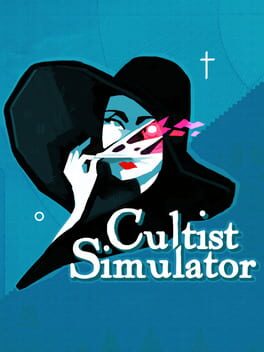
Top pick:Cultist Simulator is the single closest match in spirit — it's a card-based occult mystery where the cards themselves encode hidden lore, the game actively withholds its own rules, and the sense that you're uncovering something you were never meant to see pervades every session; if you loved what Inscryption does with cards-as-storytelling-medium, Cultist Simulator is the game you should play next.
Some store buttons are affiliate links — we may earn a commission at no extra cost to you.
Slay the Spire is the blueprint Inscryption's card combat is built on: a single-run deckbuilding roguelike where every draft choice compounds into a strategy. The dark dungeon aesthetic and punishing decision trees will feel immediately familiar.
Key difference: No narrative, meta-horror, or escape-room puzzle layer.
Best for: Players who want pure deckbuilding depth, nothing else.
Skip if: You need story and mystery to stay hooked.
Cultist Simulator is a dark, text-driven card-solitaire game where you build a secret cult by combining cards representing knowledge, followers, and forbidden lore. The occult mystery and 'the cards themselves hold secrets' philosophy is the closest spiritual twin to Inscryption's DNA.
Key difference: Real-time card manipulation with no combat; pure narrative strategy.
Best for: Players who loved Inscryption's occult lore and secret-uncovering loop.
Skip if: You need clear feedback or tutorial guidance.
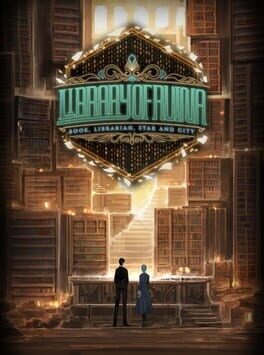
Library of Ruina is a dark, lore-drenched card-combat RPG where you manage a sinister library and process visitors through deadly book-themed battles. Its oppressive horror atmosphere and intricate narrative secrets rival Inscryption's unsettling depth.
Key difference: Far longer and denser; no roguelike run structure.
Best for: Players who loved Inscryption's lore and dark worldbuilding most.
Skip if: You dislike reading walls of dense dialogue between fights.
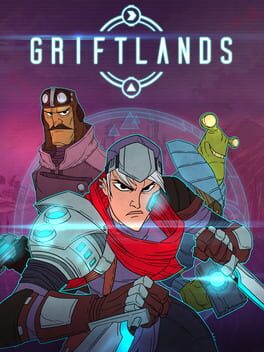
Griftlands is a narrative deckbuilder where every decision — in combat and in conversation — uses cards, and your story choices permanently shape future runs. The gritty sci-fi setting and branching consequences scratch the same 'meaningful deckbuilding' itch.
Key difference: No horror or meta elements; tone is pulpy sci-fi noir.
Best for: Players who want deckbuilding fused with real narrative stakes.
Skip if: You need horror atmosphere to stay engaged.
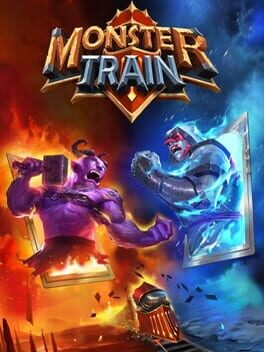
Monster Train blends tower-defense logic into a deckbuilding roguelike, asking you to protect a hellbound train across multi-lane battles. The infernal setting and tight synergy-hunting loop feel spiritually close to Inscryption's card act.
Key difference: No puzzles, mystery, or narrative framing at all.
Best for: Players craving mechanical depth and replayability over story.
Skip if: You want a game with a secret to uncover.
Darkest Dungeon is a gothic roguelike where a narrator with dread in his voice guides doomed heroes through turn-based card-like combat in a Lovecraftian estate. The horror atmosphere, punishment-as-design philosophy, and grim storytelling closely mirror Inscryption's tone.
Key difference: No actual card game; party-management roguelike with stress systems.
Best for: Players who loved Inscryption's punishing horror and dark narration.
Skip if: You want a pure deckbuilder rather than party management.
Undertale subverts RPG genre expectations the same way Inscryption subverts card games — it knows you're playing it, uses that awareness for horror and comedy, and hides a deeply emotional mystery behind a deceptively simple surface.
Key difference: Turn-based bullet-hell combat instead of deckbuilding.
Best for: Players who loved Inscryption's meta-horror and fourth-wall breaks.
Skip if: You dislike pixel art or 'cutesy' aesthetics hiding dark themes.
Doki Doki Literature Club presents itself as a cheerful visual novel before dismantling its own genre conventions in deeply unsettling ways — breaking the fourth wall, corrupting its own save files, and turning player familiarity into horror. Inscryption fans will recognize the meta-horror playbook.
Key difference: Visual novel, not a card game; horror is psychological rather than dark-fantasy.
Best for: Players obsessed with Inscryption's meta-horror and genre betrayal.
Skip if: You can't tolerate anime aesthetics or visual novels.
PlayStation
78%
Rusty Lake Hotel 2015
Rusty Lake Hotel is a short, eerie point-and-click puzzle game dripping with surreal horror and darkly comic mystery — guests arrive at a lakeside hotel and don't leave. Its escape-room-style logic puzzles and unsettling ambience mirror Inscryption's cabin puzzle sections closely.
Key difference: No card game or roguelike element; purely puzzle-adventure.
Best for: Players who loved the cabin escape-room sequences most.
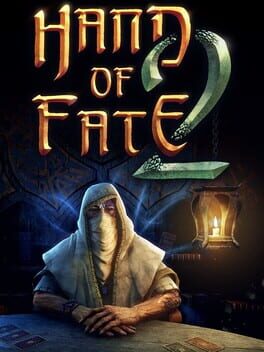
Hand of Fate 2 puts a masked Dealer across the table from you, laying out a tarot-like card map of encounters that resolve into hack-and-slash brawls. The adversarial card-dealer framing, dark fantasy setting, and 'the game is judging you' atmosphere are unmistakably Inscryption-adjacent.
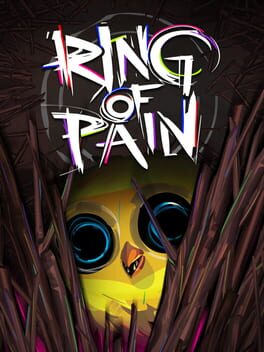
Ring of Pain is a card-based dungeon crawler where you navigate a circular ring of face-down cards representing monsters, items, and traps in procedurally generated dark caverns. The horror atmosphere, clever positional card logic, and hidden-knowledge tension are directly Inscryption-adjacent.
Key difference: Minimalist presentation; no narrative mystery or meta layer.
Best for: Players who want horror-drenched card dungeon crawling.
Skip if: You need a narrative arc or character story.
Rusty Lake: Roots expands the series into a generational family saga told through sinister point-and-click puzzles and grotesque imagery. The escalating dread and hidden-object secrets feel architecturally similar to Inscryption's mystery-within-mystery structure.
Key difference: Longer and branching, but still no cards or roguelike runs.
Best for: Players wanting more Rusty Lake horror puzzle content.
Skip if: You need mechanical variety beyond puzzle-solving.
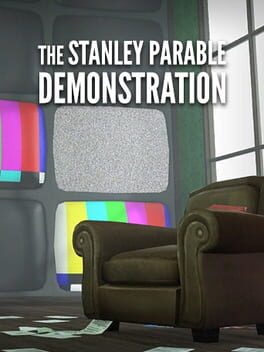
The Stanley Parable is a meta-narrative game that uses the medium itself as its subject — the narrator and player are in a power struggle that mirrors Inscryption's unsettling GM-versus-player dynamic. It's a short, mind-bending study in game-as-horror-fiction.
Key difference: No combat or cards; purely a walking narrative experiment.
Best for: Players obsessed with Inscryption's fourth-wall meta-commentary.
Skip if: You need strategic gameplay to feel engaged.
Dicey Dungeons wraps roguelike deckbuilding in a bright game-show parody skin, but underneath is a genuinely clever system of dice-as-cards and character-specific rule sets. The self-aware tone and shifting mechanics echo Inscryption's playful genre subversion.
Key difference: Light, comedic tone — no horror or psychological dread.
Best for: Players wanting approachable deckbuilder roguelikes.
Skip if: You want darkness and tension in your card game.
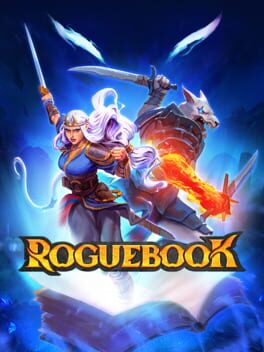
Roguebook is a deckbuilding roguelike co-designed by a Magic: The Gathering veteran, with a twist: you explore a map by painting hexes to uncover secrets. The dual-character synergy system and card-discovery loop scratch the same strategic itch as Inscryption's deck phases.
Key difference: Bright fantasy aesthetic; no horror or narrative depth.
Best for: Card game fans wanting map exploration layered on deckbuilding.
Skip if: You need atmosphere and story alongside your card mechanics.
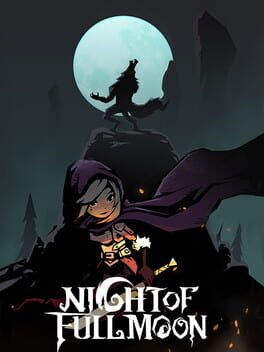
Night of Full Moon is a lo-fi deckbuilder roguelike steeped in fairy-tale horror — Little Red Riding Hood fights her way through a monster-filled forest using hand-crafted decks. The dark storybook aesthetic and tight single-run structure mirror Inscryption's early chapters.
Key difference: Mobile-first design; minimal meta-narrative or puzzle content.
Best for: Players wanting a compact dark deckbuilder with charm.
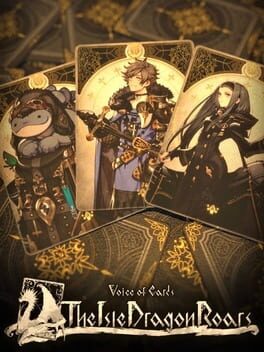
Voice of Cards presents an entire RPG — world map, dungeons, combat — as physical cards laid on a table, narrated by a Game Master rolling dice. The tactile, board-game aesthetic and GM-narrator framing echo Inscryption's core conceit beautifully.
Key difference: Light, traditional JRPG tone; no horror or roguelike structure.
Best for: Players who loved Inscryption's 'game-as-physical-object' presentation.
Skip if: You want dark horror or strategic deckbuilding depth.
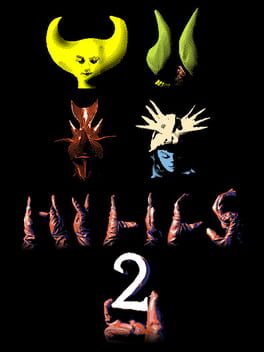
Hylics 2 is a deeply surreal RPG built from clay-animation imagery and alien game logic that constantly undermines player expectations. Like Inscryption, it uses the game's own form as a canvas for strangeness and dread.
Key difference: Traditional turn-based RPG, not a card game or deckbuilder.
Best for: Players who prize weird, uncanny art direction above mechanics.
Skip if: You need mechanical depth or clear strategic goals.
Inside is a wordless, cinematic horror-platformer that builds dread through environmental mystery and a final act that fundamentally questions what you've been doing the whole time. That gut-punch meta-horror resonates with Inscryption's third-act revelations.
Key difference: No cards, no roguelike; a linear 3-hour platformer.
Best for: Players who loved Inscryption's horror atmosphere and plot twists.
Skip if: You want strategic mechanics, not pure atmospheric storytelling.
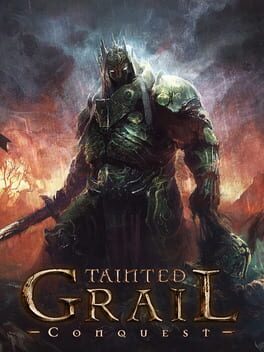
Tainted Grail: Conquest is a dark Arthurian deckbuilder roguelike with a heavy emphasis on cursed lore and oppressive world-building. The doomed, bleak atmosphere and card-synergy runs feel adjacent to Inscryption's darker sensibilities.
Key difference: Straightforward roguelike progression; no meta-horror or puzzle layer.
Best for: Players wanting a dark, lore-rich deckbuilder to binge.
Skip if: You want Inscryption's genre-subversive narrative tricks.
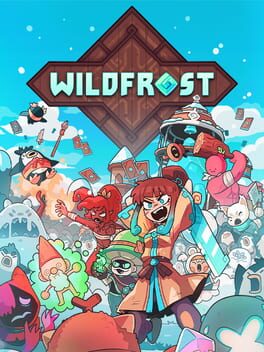
Wildfrost is a punishing deckbuilder roguelike with a deceptively cute snowbound aesthetic that hides brutal strategic depth. The tight deck construction and run variety echo Inscryption's card act, though without any horror or story.
Key difference: Cozy art style; no horror, darkness, or narrative mystery.
Best for: Players who loved the pure card mechanics and want more challenge.
Skip if: You need a dark or unsettling atmosphere.
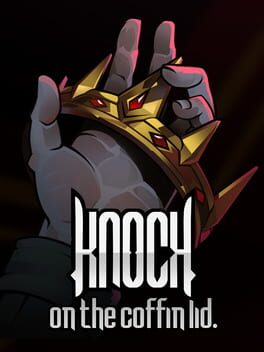
Knock on the Coffin Lid is a gothic deckbuilder roguelike with a death-tinged setting and multiple character classes whose sinister backstories unfold across runs. The graveyard tone and card synergy loops echo Inscryption's more mechanical elements.
Key difference: No meta-narrative or puzzle content; standard roguelike loop.
Best for: Players wanting a darker-toned deckbuilder with character variety.
Skip if: You want Inscryption's genre-breaking story surprises.
No narrative, meta-horror, or escape-room puzzle layer.
PlayStation, PC, Mobile, Xbox, Nintendo
Cultist Simulator
92%
Adventure, Indie
Real-time card manipulation with no combat; pure narrative strategy.
PC, Mobile
Library of Ruina
88%
Strategy, Adventure
Far longer and denser; no roguelike run structure.
PlayStation, PC, Xbox, Nintendo
Griftlands
86%
Strategy, Indie
No horror or meta elements; tone is pulpy sci-fi noir.
Xbox, PlayStation, PC, Nintendo
Monster Train
82%
Strategy, Indie
No puzzles, mystery, or narrative framing at all.
Xbox, PC, Mobile, PlayStation, Nintendo
Darkest Dungeon
82%
Strategy, Adventure
No actual card game; party-management roguelike with stress systems.
PlayStation, PC, Mobile, Xbox, Nintendo
Undertale
80%
Puzzle, Adventure
Turn-based bullet-hell combat instead of deckbuilding.
PlayStation, PC, Xbox, Nintendo
Doki Doki Literature Club
80%
Horror
Visual novel, not a card game; horror is psychological rather than dark-fantasy.
PlayStation
Rusty Lake Hotel
78%
Puzzle, Adventure
No card game or roguelike element; purely puzzle-adventure.
Mobile, PC
Hand of Fate 2
78%
Adventure, Indie
Action combat replaces deckbuilding; no roguelike card synergy building.
PlayStation, PC, Xbox, Nintendo
Ring of Pain
76%
Strategy, Adventure
Minimalist presentation; no narrative mystery or meta layer.
PC, Xbox, Nintendo
Rusty Lake: Roots
73%
Puzzle, Adventure
Longer and branching, but still no cards or roguelike runs.
Mobile, PC
The Stanley Parable Demonstration
72%
Adventure, Indie
No combat or cards; purely a walking narrative experiment.
PC
Dicey Dungeons
70%
Strategy, Adventure
Light, comedic tone — no horror or psychological dread.
Xbox, PlayStation, PC, Mobile, Nintendo
Roguebook
68%
Puzzle, Strategy
Bright fantasy aesthetic; no horror or narrative depth.
Xbox, PlayStation, PC, Nintendo
What makes a game feel like Inscryption?
Inscryption's formula has three pillars working in concert: the deckbuilding roguelike (drafting, synergizing, losing and learning), the escape-room mystery (the physical space around the card table is itself a puzzle), and the meta-horror (the game knows it's a game and uses that against you). Most alternatives nail one pillar. Slay the Spire is the gold standard for the first; the Rusty Lake series (Hotel, Roots) nails the second with grotesque point-and-click puzzles; and Doki Doki Literature Club or Undertale best capture the third.
The rarest overlap — games that hit all three — includes Cultist Simulator, where the cards are the lore and the lore is the horror, and Library of Ruina, which buries a genuinely disturbing narrative inside its card-combat system in ways that only reveal themselves dozens of hours in.
Best picks if the horror atmosphere mattered most
If Leshy's presence and the cabin's creeping dread were what got under your skin, prioritize Library of Ruina (dark card-combat horror with an oppressive world), Darkest Dungeon (gothic roguelike with a narrator who sounds exactly like the game is judging you), and the Rusty Lake games for compact, surreal horror puzzles. Inside delivers a similarly gut-punch meta-horror payoff in about three hours — no cards, but the same sense of discovering the game had an agenda you didn't know about.
For something weirder and more experimental, Hylics 2 and Hylics use their own visual and mechanical uncanniness as a horror tool — they feel like games from a reality adjacent to ours, which is precisely the unease Inscryption cultivates.
If you want more deckbuilding and less horror
Inscryption's card mechanics alone — the sacrificial resource system, the sigils, the boss encounters — are worth chasing in purer form. Slay the Spire remains the benchmark; Monster Train adds multi-lane positional depth; Griftlands adds narrative branching where your deck reflects story choices. For a darker-toned option, Tainted Grail: Conquest wraps a solid deckbuilder in bleak Arthurian doom, and Ring of Pain adds horror atmosphere to card-dungeon crawling without sacrificing mechanical tension.
Night of Full Moon and Roguebook are the hidden gems here — lesser-known deckbuilders with genuine craft that most 'games like Inscryption' lists skip entirely.
Is there anything that combines card games and horror like Inscryption?
The closest are Cultist Simulator (occult card-mystery where the cards encode hidden lore), Library of Ruina (dark card combat with oppressive horror narrative), Ring of Pain (horror card dungeon crawler), and Darkest Dungeon (gothic roguelike with a deeply menacing tone). None replicate Inscryption's exact formula, but each hits the card-game-plus-dread combination.
What game has the same meta/fourth-wall breaking as Inscryption?
Doki Doki Literature Club is the most famous example — it presents as a harmless visual novel and then dismantles itself horrifically. Undertale also weaponizes player knowledge and save files. The Stanley Parable questions the player's agency directly. Cultist Simulator withholds its own rules in ways that feel adversarial. All share that 'the game knows you're playing it' quality.
Is Slay the Spire similar enough to Inscryption?
For the card mechanics, yes — Slay the Spire is the deckbuilding roguelike Inscryption's combat is most closely descended from, and it's deeper mechanically. But it has no story, no horror, no puzzles, and no meta-narrative. If the cards were your favourite part, absolutely play it. If you loved everything around the cards, temper expectations.
Are the Rusty Lake games good if I liked Inscryption's escape-room puzzles?
Yes, especially Rusty Lake Hotel and Rusty Lake: Roots. They're short, dark point-and-click puzzle games full of surreal horror and grotesque secrets — structurally similar to Inscryption's cabin sequences. They lack the card game and roguelike elements entirely, but the puzzle-logic and unsettling atmosphere are a strong match.
What's the best Inscryption alternative for someone who hasn't played many card games?
Dicey Dungeons is the most accessible entry point — it's approachable, self-aware, and gently teaches deck-like logic without overwhelming complexity. Griftlands is a close second if you want narrative stakes alongside learning the genre. Both are gentler on-ramps than Slay the Spire's steeper mechanical curve.
 93%
93%