Episode works because of a very specific formula: a lone stranger stranded in an isolated, seemingly normal location that slowly reveals itself to be deeply wrong. The horror is atmospheric and psychological rather than action-driven — Jonas navigates Nachtheim piecing together clues as reality and the supernatural blur, making the town itself feel like the antagonist.
When players look for games like Episode, they're really searching for that slow-burn narrative dread — first-person or adventure-mode exploration of a mystery-laden location, a story that unfolds through environmental storytelling, and that creeping sense that nothing is what it seems. Pure action horror is rarely what they want; it's the unease that counts.
Top pick:Silent Hill 2 is the single closest match in spirit — a lone man drawn into a fog-shrouded town riddled with dark secrets and supernatural distortions of reality, with the mystery deepening the further he goes, making it the essential recommendation for any Episode fan.
Some store buttons are affiliate links — we may earn a commission at no extra cost to you.
22 games like Episode
95%
Silent Hill 2 2001
Silent Hill 2 drops James Sunderland into a fog-drenched town hiding supernatural horrors that mirror his fractured psyche — exactly the "quiet town with dark secrets" and blurring reality formula that Episode runs on. Both are slow-burn, atmosphere-first horror adventures built around a lone protagonist uncovering a personal mystery.
Key difference: Third-person combat mechanics; more explicit survival-horror tension.
Best for: Fans who want deeper lore and iconic monster design.
Skip if: You dislike dated controls or combat.
PlayStation
94%
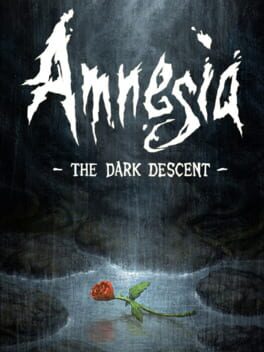
Amnesia: The Dark Descent 2010
Amnesia is the definitive first-person narrative horror adventure — an amnesiac man explores a dark castle as reality and memory fracture around him, powerless against the horrors lurking within. The blurring of reality and the supernatural, and the isolated-location-mystery structure, are nearly identical to Episode's premise.
Key difference: Castle dungeon setting; pure horror with no combat whatsoever.
Best for: Anyone who wants the purest narrative horror match to Episode.
Skip if: You dislike extreme psychological tension or darkness.
The Vanishing of Ethan Carter puts you in an isolated, eerie rural community full of dark secrets and paranormal occurrences — almost scene-for-scene comparable to Jonas arriving in Nachtheim. It's a walking-mystery indie adventure with gorgeous atmosphere and zero hand-holding.
Key difference: No direct threat or chase sequences; purely investigative.
Best for: Players who want pure mystery over horror tension.
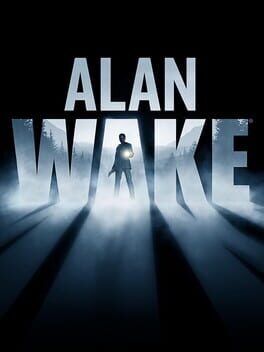
Alan Wake traps a writer in a seemingly ordinary Pacific Northwest town that turns sinister as reality and fiction bleed together — a near-identical setup to Episode's storm-stranded Jonas uncovering Nachtheim's supernatural secrets. The psychological horror and narrative pacing are closely matched.
Key difference: Has light-based shooter combat; more action than Episode.
Best for: Those who want cinematic horror with more agency.
Skip if: You dislike third-person shooting mechanics.
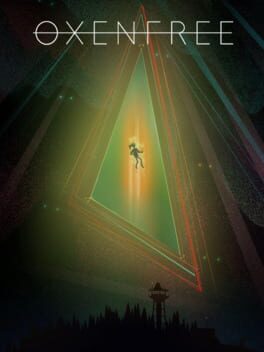
Oxenfree is an indie supernatural horror-adventure about teenagers who accidentally open a ghostly rift on a mysterious island — the blurring of reality and the paranormal, the isolated setting, and the slow uncovering of dark secrets are textbook Episode DNA.
Key difference: Teen ensemble cast; dialogue-wheel driven with time-loop element.
Best for: Players who want atmospheric supernatural indie storytelling.
Skip if: You want solo protagonist horror or no time-loop mechanics.
Firewatch is a first-person indie narrative adventure about a man who takes a remote ranger job and gradually uncovers unsettling secrets in the wilderness — sharing Episode's isolated-stranger-uncovers-dark-truth structure and melancholic, atmospheric tone.
Key difference: No supernatural horror; mystery stays grounded and human.
Best for: Players who prioritize emotional storytelling over scares.
Skip if: You want genuine horror or supernatural elements.
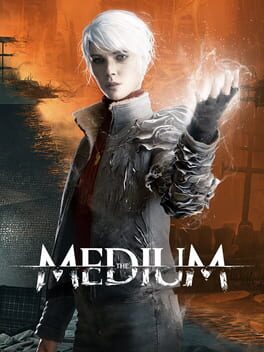
The Medium is a third-person horror adventure where a medium travels to an abandoned resort and exists simultaneously in the real world and a dark spirit realm — the dual-reality structure and quiet-location-hiding-supernatural-horror premise are extremely close to Episode's core concept.
What Remains of Edith Finch is a first-person indie walking adventure where you piece together dark family secrets room by room, with each vignette blending reality and the fantastical in unsettling ways. The Indie/Adventure/Horror DNA matches Episode closely.
Key difference: Anthology structure; no single continuous protagonist journey.
Best for: Players who love literary, emotionally resonant horror.
Skip if: You want tension, threat, or longer playtime.
SOMA is a first-person narrative horror game in an isolated setting where the line between identity and reality dissolves — mechanically and thematically close to Episode's supernatural blur. Both prioritize story and atmosphere over action.
Key difference: Sci-fi underwater setting instead of a mysterious town.
Best for: Those who want philosophical horror with strong narrative.
Skip if: You dislike slow pacing or existential dread.
Outlast is a first-person horror adventure in which an unarmed journalist investigates a seemingly abandoned institution hiding horrifying secrets — sharing Episode's powerless protagonist structure and mystery-unraveling loop. The dark-secrets-in-a-quiet-place premise aligns tightly.
Key difference: Intense chase sequences and gore; far more aggressive horror.
Best for: Players wanting visceral scares over atmospheric dread.
Skip if: You prefer subtle horror or no pursuit sequences.
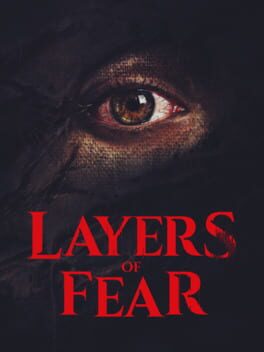
Layers of Fear is a first-person psychological horror walking-adventure set in an ever-shifting mansion where reality crumbles — the blurring of the real and the supernatural in an isolated, oppressive location is the exact same horror-adventure mood Episode delivers.
Key difference: Art-obsession narrative; more jump-scare oriented horror.
Best for: Players who want an intense, compact psychological horror hit.
Skip if: You dislike corridor horror or repetitive environments.
Inside is a dark, wordless side-scrolling adventure with heavy horror undercurrents, a mysterious dystopian setting, and an ending that spectacularly blurs reality — it shares Episode's oppressive atmosphere and the sense that something deeply wrong is hidden beneath the surface.
Key difference: 2D platformer structure; completely silent and abstract.
Best for: Players who want pure atmospheric dread distilled.
Skip if: You need dialogue, exposition, or open exploration.
Gone Home is an indie first-person adventure where you return to an eerily empty family house and piece together dark secrets through environmental storytelling — sharing Episode's isolated-location, dark-secrets-uncovered structure and its Indie/Adventure DNA.
Key difference: No supernatural elements; grounded family drama mystery.
Best for: Players who want calm, narrative mystery without horror scares.
Skip if: You want actual horror or supernatural content.
Alien: Isolation is a first-person horror adventure built on isolation, dread, and uncovering the dark truth behind a space station — the "stranded somewhere dangerous, piecing together what happened" structure mirrors Episode. Atmosphere and tension are its primary tools.
Key difference: Sci-fi survival stealth; the threat is a single relentless alien.
Best for: Players who want sustained, systematic horror tension.
Skip if: You dislike stealth mechanics or sci-fi settings.
Control drops the player into a brutalist government building where reality buckles under supernatural forces, blending horror, mystery, and the paranormal in ways that echo Episode's reality-blurring narrative. Both share a tone of uncanny dread beneath apparent normalcy.
Key difference: Heavy shooter combat and metroidvania structure.
Best for: Players who want action paired with supernatural mystery.
Skip if: You want a pure walking/narrative experience.
Life Is Strange is an indie narrative adventure where a small-town mystery slowly reveals supernatural forces and dark secrets — the isolated-community-with-hidden-horror premise and choice-driven storytelling share Episode's core DNA.
Key difference: Time-rewind mechanics; tone is more teen drama than horror.
Best for: Players who want emotional narrative weight over scares.
Skip if: You want genuine horror atmosphere rather than YA drama.
Little Nightmares is a side-scrolling atmospheric horror-adventure full of unsettling imagery and environments that hide sinister secrets — sharing Episode's horror-adventure Indie blend and its sense of wrongness lurking beneath every surface.
Key difference: Puzzle platformer; no dialogue or narrative exposition.
Best for: Players who want visceral visual horror aesthetics.
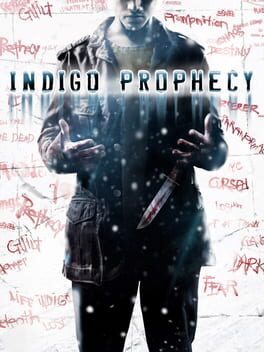
Indigo Prophecy (Fahrenheit) is a narrative adventure where a man experiences supernatural visions and increasingly surreal events as reality unravels — the blurring-of-reality-and-the-supernatural theme is one of the closest structural parallels to Episode in this pool.
Key difference: More action QTE sequences; heavier cinematic direction.
Best for: Fans of choice-driven supernatural narrative adventures.
Skip if: You dislike dated QTE gameplay or abrupt tonal shifts.
The Walking Dead is a point-and-click narrative adventure built on tension, dark secrets, and moral horror — sharing Episode's emphasis on story, atmosphere, and the feeling of being trapped in an unraveling dangerous situation.
Key difference: Zombie apocalypse setting; choice consequences are more explicit.
Best for: Players who want emotional narrative horror with stakes.
Skip if: You want supernatural mystery over survival drama.
Detroit: Become Human is a cinematic narrative adventure where multiple protagonists navigate a world where the line between human and artificial blurs — sharing Episode's adventure genre structure and emphasis on uncovering hidden truths through exploration and dialogue.
Key difference: Sci-fi setting; heavy branching choice system with multiple leads.
Best for: Players who want polished cinematic narrative depth.
Skip if: You want horror atmosphere over philosophical drama.
The Wolf Among Us is a noir mystery adventure set in a world where supernatural folk live hidden among humans — the dark-secrets-in-a-seemingly-ordinary-community hook directly echoes Episode's Nachtheim premise.
Key difference: Stylized comic-book aesthetic; episodic detective drama format.
Best for: Players who want supernatural mystery with strong character writing.
Limbo is a monochromatic horror-tinged puzzle platformer with an oppressive atmosphere of dread and mystery — sharing Episode's horror-adventure Indie spirit and the sense of a lone figure navigating an unfamiliar, dangerous world with no explanation given.
Key difference: Abstract, wordless, 2D platformer; no narrative exposition at all.
Best for: Players who want pure atmospheric indie horror.
Skip if: You need story, dialogue, or character grounding.
Anthology structure; no single continuous protagonist journey.
Xbox, PlayStation, PC, Mobile, Nintendo
Soma
86%
Adventure, Indie
Sci-fi underwater setting instead of a mysterious town.
PlayStation, PC, Xbox, Nintendo
Outlast
84%
Adventure, Indie
Intense chase sequences and gore; far more aggressive horror.
PlayStation, PC, Xbox, Nintendo
Layers of Fear
82%
Horror
Art-obsession narrative; more jump-scare oriented horror.
Xbox, PC, PlayStation
Inside
79%
Adventure, Indie
2D platformer structure; completely silent and abstract.
PlayStation, PC, Mobile, Xbox, Nintendo
Gone Home
78%
Adventure, Indie
No supernatural elements; grounded family drama mystery.
PlayStation, PC, Mobile, Xbox, Nintendo
Alien: Isolation
77%
Adventure, Horror
Sci-fi survival stealth; the threat is a single relentless alien.
PlayStation, PC, Xbox, Nintendo
Control
73%
Adventure, Horror
Heavy shooter combat and metroidvania structure.
Xbox, PlayStation, PC
What makes a game feel like Episode?
The key ingredients are isolation, atmosphere, and a location that becomes a character in itself. Games like The Vanishing of Ethan Carter and Firewatch nail this by placing a solitary protagonist in a rural or wilderness setting and letting environmental details carry the horror and mystery — no tutorial, no handholding, just the weight of a place keeping secrets. The pacing is deliberately slow, designed to let dread accumulate.
The supernatural-reality-blur element is equally critical. Alan Wake and SOMA both do this exceptionally well: the world starts coherent and gradually decomposes into something that can no longer be explained rationally, forcing the protagonist (and player) to question what is real. That erosion of certainty is Episode's emotional core.
Best narrative horror adventures for Episode fans
If Episode's story-first approach is what hooked you, What Remains of Edith Finch and Oxenfree (in additional picks) are the tightest narrative fits — both are indie adventures that treat horror as a lens for exploring character and place rather than a source of jump-scares. Indigo Prophecy is an underrated older pick that handles the supernatural-reality-collapse premise with a similar cinematic ambition, and it's frequently overlooked on modern lists.
For players willing to go darker, Amnesia: The Dark Descent is the definitive unarmed first-person horror adventure — everything Episode does atmospherically, Amnesia does at maximum intensity, and the isolated-location-full-of-secrets structure is almost identical.
If you want the reality-blurring supernatural theme specifically
The Medium is arguably the most mechanically explicit version of Episode's central concept — its protagonist literally inhabits two realities simultaneously, making the supernatural layer a visible, playable space rather than a felt undercurrent. Control is the action-heavier cousin: a brutalist government building where reality collapses under paranormal forces, best for players who want the same uncanny dread paired with more agency and combat. Both reward players who found the Nachtheim mystery the most compelling part of Episode.
Episode sits at the walking-sim end of adventure games — exploration and narrative discovery are the primary mechanics, with puzzles and environmental storytelling doing the heavy lifting rather than combat. If you enjoy games like Firewatch or What Remains of Edith Finch, the pacing will feel familiar.
What is the closest game to Episode in terms of setting and tone?
Silent Hill 2 is the closest in overall atmosphere — a solitary man in a fog-covered town that hides supernatural horrors, where the line between reality and delusion steadily dissolves. The Vanishing of Ethan Carter is the closest in terms of the isolated rural community full of dark secrets structure, especially if you prefer a calmer, more investigative tone.
Are there any games like Episode with a similar stranded-in-a-small-town horror premise?
Several: Alan Wake traps a writer in a small Pacific Northwest town overtaken by supernatural darkness; Oxenfree features teenagers stranded on an island with a ghostly rift; and The Medium sends a protagonist to an abandoned resort caught between the real world and a spirit realm. All share the isolated-location-with-supernatural-secrets core of Episode.
What horror games are similar to Episode but without combat?
Amnesia: The Dark Descent, Soma, Layers of Fear, and Gone Home are all completely or nearly combat-free narrative horror adventures. What Remains of Edith Finch and The Vanishing of Ethan Carter are the most exploration-focused and least threatening if you want mystery without chase sequences.
Is Episode related to or similar to the Life Is Strange series?
Thematically yes — both involve a protagonist in an unfamiliar setting where supernatural forces blur reality and dark community secrets surface. Life Is Strange is more YA drama-focused with time-manipulation mechanics, while Episode leans harder into horror atmosphere. Oxenfree is actually a closer spiritual sibling to Episode if supernatural-mystery in an isolated setting is the appeal.
 95%
95%