Yume Nikki works because it strips the RPG Maker format down to its barest essence: no plot, no combat, no guidance—only a girl and an endless network of dream worlds to wander. Its power comes from pure atmospheric exploration, grotesque and beautiful imagery left entirely to the player's interpretation, and the rare courage to give the player nothing to do except look and feel.
When players ask for games like Yume Nikki, they are really asking for one or more of its distinct qualities: surreal, wordless world-exploration; psychological horror built from atmosphere rather than jump scares; experimental indie design that subverts its own tools; or the specific lineage of freeware RPG Maker horror games it inspired. The best picks scratch at least two of those itches.
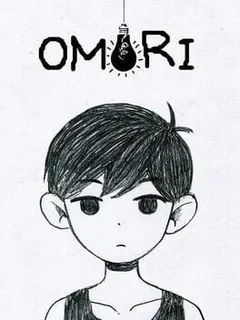
Top pick:Omori is the single closest game to Yume Nikki ever made: built with the same tools and tradition, it sends a protagonist into pastel dream worlds to avoid psychological trauma, using surreal exploration, horror imagery, and radical ambiguity in a way that reads as a direct, loving successor—while still being its own devastating thing.
Some store buttons are affiliate links — we may earn a commission at no extra cost to you.
Omori is a direct spiritual successor to Yume Nikki: an RPG Maker horror game about a boy who retreats into a pastel dream world to escape traumatic reality, with surreal exploration, no mandatory combat at times, and devastating psychological subtext.
Key difference: Has a full authored story with emotional resolution.
Best for: Any Yume Nikki fan—the closest single successor in existence.
Skip if: You find authored trauma narratives too heavy-handed.
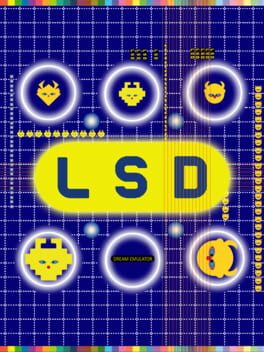
LSD: Dream Emulator is a 1998 PS1 game that predates Yume Nikki and shares its entire premise: wander procedurally generated dream environments with no objectives, no combat, and no explanation, purely observing surreal imagery until you wake up.
Key difference: PS1 3D graphics and fully randomised worlds rather than authored zones.
Best for: Players who want Yume Nikki's pure dream-wandering concept in its rawest form.
Skip if: You need collectibles or goals to feel engaged.
PlayStation
85%💎 Gem
Ib 2022
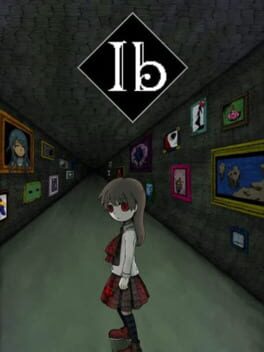
Ib is a freeware RPG Maker horror game about a girl trapped in a surreal art gallery that twists into nightmare—it shares Yume Nikki's pixel aesthetic, quiet exploration, and creeping dread without explaining itself.
Key difference: Has light puzzle-solving and an explicit story arc.
Best for: Players who want Yume Nikki's RPG Maker horror with more story.
Skip if: You prefer total narrative ambiguity over authored horror.
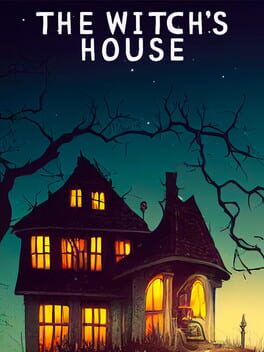
The Witch's House is a freeware RPG Maker horror game with grotesque imagery, oppressive atmosphere, and a narrative twist that recontextualises everything—sharing Yume Nikki's tradition of horror indie games using RPG Maker unexpectedly.
Key difference: Has explicit story, danger, and puzzle-traps throughout.
Best for: Players who want Yume Nikki's horror aesthetic with survival stakes.
Skip if: You dislike fail states or scripted scares.
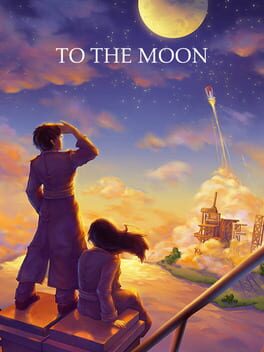
To the Moon is built in RPG Maker and shares Yume Nikki's pixel-art exploration through dreamlike memory worlds with zero combat. Both use the engine as a canvas for emotional, non-standard narrative rather than traditional RPG mechanics.
Key difference: Has an explicit tearjerker story; Yume Nikki offers total narrative silence.
Best for: Players who want RPG Maker atmosphere with emotional payoff.
Skip if: You prefer pure ambiguity over authored plots.
OneShot is a surreal RPG Maker-style game that breaks the fourth wall in quiet, melancholic ways, treating the player as a god guiding a small child through a dying dream world—it shares Yume Nikki's introspective loneliness and experimental use of the medium.
Key difference: Has a clear authored narrative and addresses the player directly.
Best for: Players who love Yume Nikki's existential mood with emotional payoff.
Skip if: You want pure silent wandering without meta-narrative.
PC
74%
Doki Doki Literature Club! 2017
Doki Doki Literature Club! hides psychological horror and meta-deconstruction beneath an innocent surface, much like Yume Nikki conceals its dread under dreamy exploration. Both weaponise their genre's conventions against the player.
Key difference: Visual novel format with heavy dialogue; Yume Nikki has no text.
Best for: Players drawn to Yume Nikki's horror subtext and meta-layer.
Skip if: You want silent, directionless exploration over scripted shocks.
Undertale uses RPG Maker-adjacent tools and subverts the genre from within, mixing surreal humour with genuine horror and emotional depth. Its willingness to break the fourth wall echoes Yume Nikki's experimental use of RPG Maker.
Key difference: Has combat, dialogue, and a clear authored story.
Best for: Players who love Yume Nikki's unconventional RPG Maker lineage.
Skip if: You want pure wordless exploration with no hand-holding.
Little Nightmares is a side-scrolling horror exploration game with surreal, grotesque imagery and no dialogue, relying entirely on atmosphere and visual storytelling like Yume Nikki. Both leave interpretation almost entirely to the player.
Key difference: Has light stealth/platforming mechanics instead of free-roam collecting.
Best for: Players who love Yume Nikki's disturbing imagery and silent world.
Skip if: You dislike timed sequences or fail states.
Inside is a wordless, dark, surreal atmospheric game where meaning is never spelled out and the world grows increasingly nightmarish as you go deeper. Like Yume Nikki, it trusts the player to sit with ambiguity.
Key difference: Linear puzzle-platformer rather than open non-linear exploration.
Best for: Players who want Yume Nikki's dread without RPG Maker aesthetics.
Skip if: You want to wander freely rather than be guided.
Limbo places you in a monochrome, menacing world with no explanation, no dialogue, and no explicit story—just atmosphere and unsettling imagery to interpret. The lonely, dreamlike pacing resembles Yume Nikki's quieter, stranger zones.
Key difference: Linear puzzle platformer with no collectible-hunting structure.
Best for: Players who like Yume Nikki's bleak minimalist mood.
Skip if: You want open-world wandering over directed progression.
Silent Hill 2 is psychological horror built on surreal, symbolism-laden environments that feel like walking through a nightmare—the same quality that defines Yume Nikki's dream worlds. Both use environmental design as the primary storytelling tool.
Key difference: 3D survival horror with combat and a fully authored story.
Best for: Players who want Yume Nikki's psychological horror in a longer, narrative form.
Skip if: You dislike combat or prefer freeware pixel aesthetics.
PlayStation
54%
Gris 2018
Gris is a wordless, surreal platformer expressed entirely through art and atmosphere, with no combat and no explicit story—just emotional texture conveyed through shifting dream-like environments. It shares Yume Nikki's feeling of wandering through someone's inner world.
Key difference: Uplifting tone; Yume Nikki leans into dread and ambiguity.
Best for: Players who want Yume Nikki's silent dreamscapes in a polished package.
Skip if: You prefer lo-fi horror over beautiful melancholy.
The Stanley Parable is an experimental indie game that subverts the medium itself, asking questions about player agency and meaning with no traditional objectives—an irreverent spirit Yume Nikki shares. Both games are about the act of wandering and observing.
Key difference: Comedic and verbal rather than silent and horrific.
Best for: Players drawn to Yume Nikki's meta, no-goal design philosophy.
Skip if: You want horror atmosphere over comedy deconstruction.
What Remains of Edith Finch is a first-person exploration game about wandering through strange, personal spaces and piecing together ambiguous stories—structurally close to Yume Nikki's room-to-room discovery loop. Both reward patient, observational play.
Key difference: Has clear authored vignettes; Yume Nikki offers only abstraction.
Best for: Players who love Yume Nikki's exploration but want emotional narrative.
Skip if: You prefer total ambiguity over scripted story beats.
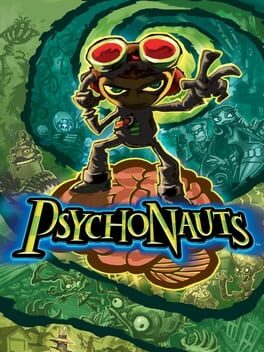
Psychonauts literally sends the player into other characters' minds as explorable surreal worlds, each with distinct dreamlike logic and unsettling psychological imagery—the closest a mainstream platformer gets to Yume Nikki's conceptual core.
Key difference: Has combat, dialogue, humour, and a conventional story structure.
Best for: Players who love Yume Nikki's dream-world concept with more content.
Skip if: You want silence and minimalism rather than voiced comedy.
Soma is atmospheric psychological horror where reality and identity blur in an isolating, surreal environment—it shares Yume Nikki's habit of making the player question what is real or meaningful within the gameworld.
Key difference: 3D sci-fi horror with dialogue and a full authored narrative.
Best for: Players who want Yume Nikki's existential dread with a story attached.
Skip if: You want pixel-art silence over voiced 3D horror.
Gone Home is pure exploration with no combat, no objectives beyond discovery, and an eerie quiet atmosphere that rewards careful observation of space. Like Yume Nikki, it trusts the player to find meaning in rooms.
Key difference: Real-world domestic setting rather than surreal dream-logic.
Best for: Players who love Yume Nikki's wandering, observation-first structure.
Skip if: You want horror imagery or RPG Maker aesthetics.
Life Is Strange is an introspective indie adventure that leans on atmosphere, mood, and player interpretation over action—its quiet, melancholic tone and focus on inner emotional states loosely echoes Yume Nikki's contemplative mood.
Has a full authored story with emotional resolution.
Xbox, PlayStation, Nintendo, PC
LSD: Dream Emulator
92%
Adventure, Indie
PS1 3D graphics and fully randomised worlds rather than authored zones.
PlayStation
Ib
85%
Adventure, Indie
Has light puzzle-solving and an explicit story arc.
PlayStation, PC, Nintendo
The Witch's House
83%
Indie
Has explicit story, danger, and puzzle-traps throughout.
PC
To the Moon
78%
Adventure, Indie
Has an explicit tearjerker story; Yume Nikki offers total narrative silence.
Xbox, PC, Mobile, PlayStation, Nintendo
OneShot
78%
Adventure, Indie
Has a clear authored narrative and addresses the player directly.
PC
Doki Doki Literature Club!
74%
Adventure, Indie
Visual novel format with heavy dialogue; Yume Nikki has no text.
PC, Mobile
Undertale
70%
Adventure, Indie
Has combat, dialogue, and a clear authored story.
PlayStation, PC, Xbox, Nintendo
Little Nightmares
65%
Adventure, Indie
Has light stealth/platforming mechanics instead of free-roam collecting.
PlayStation, Mobile, PC, Xbox, Nintendo
Inside
62%
Adventure, Indie
Linear puzzle-platformer rather than open non-linear exploration.
PlayStation, PC, Mobile, Xbox, Nintendo
Limbo
58%
Adventure, Indie
Linear puzzle platformer with no collectible-hunting structure.
PlayStation, PC, Mobile, Xbox, Nintendo
Silent Hill 2
57%
Adventure, Horror
3D survival horror with combat and a fully authored story.
PlayStation
Gris
54%
Adventure, Indie
Uplifting tone; Yume Nikki leans into dread and ambiguity.
Xbox, PlayStation, Mobile, PC, Nintendo
The Stanley Parable
52%
Adventure, Indie
Comedic and verbal rather than silent and horrific.
PC
What Remains of Edith Finch
50%
Adventure, Indie
Has clear authored vignettes; Yume Nikki offers only abstraction.
Xbox, PlayStation, PC, Mobile, Nintendo
What makes a game feel like Yume Nikki?
The defining quality is exploration without agenda: no quest markers, no explanatory dialogue, no reward beyond discovery itself. Games like To the Moon and Gone Home capture this feeling of wandering through someone's interior world, room by room, assembling meaning from fragments. The second ingredient is surreal imagery that the game refuses to explain—Little Nightmares and Inside both do this, presenting grotesque tableaux and trusting the player to sit with discomfort rather than resolving it into neat horror-game logic.
The third element is the RPG Maker lineage itself: a tradition of Japanese indie developers using that engine to make games that have nothing to do with RPGs. Undertale and Doki Doki Literature Club! both belong to this tradition, subverting the medium with horror and meta-awareness in ways Yume Nikki pioneered. If you want the purest expression of all three qualities together, the freeware games in the Additional section—Omori, Ib, The Witch's House, OneShot—are essential.
If you want the psychological horror without the RPG Maker aesthetic
Silent Hill 2 is the 3D benchmark for psychological horror built from surreal, symbolism-laden environments—its Otherworld sequences feel genuinely dreamlike in the way Yume Nikki's darker areas do, and both games use space itself as the primary text. Soma achieves something similar in science fiction: an isolating, atmospheric horror where the horror is existential rather than monstrous, and where the environment constantly undermines the player's sense of what is real.
For something quieter and more melancholic, Gris offers wordless surreal exploration with zero combat and a tone of sustained emotional atmosphere—it lacks the horror but captures Yume Nikki's quality of walking through an externalised inner state rendered as a world.
Hidden gems most "games like Yume Nikki" lists miss
LSD: Dream Emulator predates Yume Nikki by years and may be its closest conceptual ancestor: a PS1 game with no objectives whatsoever, built entirely around wandering randomised dream environments until you wake up. It is obscure, strange, and entirely uncommercial—exactly the qualities that define Yume Nikki's appeal. OFF by Mortis Ghost is another freeware RPG Maker cult classic that helped define the same underground scene: abstract, surreal, and genuinely weird in ways mainstream games never are. Both belong on any serious Yume Nikki recommendation list and are absent from most.
Technically no—it has no combat, no fail states, and no jump scares—but it is widely experienced as horror because its dream worlds contain deeply unsettling imagery, body horror, and a pervasive atmosphere of dread. It belongs to a tradition of atmospheric psychological horror games rather than survival horror.
What genre is Yume Nikki exactly?
Yume Nikki is considered the founding text of the 'yume nikki-like' or 'dream explorer' sub-genre: open-ended, non-combat exploration games made in RPG Maker with surreal worlds and no explicit narrative. It is also frequently categorised as a walking simulator, atmospheric horror, and experimental indie game.
What games did Yume Nikki directly inspire?
Yume Nikki inspired an enormous wave of freeware RPG Maker games including Omori, Ib, The Witch's House, OneShot, and dozens of fan-made 'fangames' using the same format. Its influence also reaches into Undertale and Doki Doki Literature Club!, both of which share its tradition of using RPG Maker against genre expectations.
Are there any games like Yume Nikki on modern consoles?
Omori (available on PC, Switch, PS4, Xbox) is the most direct console-accessible successor. Little Nightmares, Inside, and Gris are widely available on modern platforms and capture significant parts of Yume Nikki's atmospheric, wordless horror aesthetic in polished forms.
Is Yume Nikki still worth playing in 2024?
Yes. Yume Nikki is freeware, short enough to complete in a few hours, and genuinely unlike anything else—its atmosphere and mystery have not been replicated precisely by any commercial release. Playing it first also makes Omori and the broader RPG Maker horror tradition significantly more meaningful.
 95%
95%