Phasmophobia works because it weaponizes cooperation: the ghost isn't just a jump-scare but a puzzle to solve together under time and sanity pressure, with speech recognition making even casual conversation feel dangerous. Its DNA is the helpless first-person investigator, the evidence-gathering toolkit (EMF reader, spirit box, UV torch), the creeping sanity drain, and the electric terror of a ghost-hunt erupting mid-investigation.
When players ask for "games like Phasmophobia" they're really asking for one of three things: the co-op horror communication loop, the paranormal-investigator fantasy of classifying what's haunting a space, or simply the feeling of being unarmed and terrified in the dark with friends.
Top pick:Lethal Company is the single closest match in the candidate pool — it replicates Phasmophobia's core formula of co-op teams navigating dark, monster-filled locations using communication and environmental awareness, with the same mix of dread and chaotic social comedy that makes Phasmophobia sessions unforgettable. For a direct genre twin, however, Demonologist (in our additional picks) is essentially Phasmophobia rebuilt in Unreal Engine 5 with the same evidence-and-ghost-type deduction loop.
Some store buttons are affiliate links — we may earn a commission at no extra cost to you.
22 games like Phasmophobia
96%
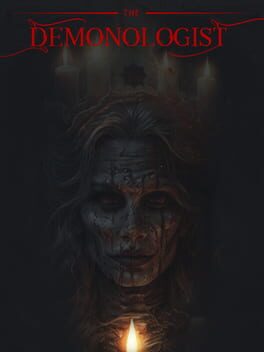
Demonologist 2023
Demonologist is the closest direct competitor to Phasmophobia — a co-op ghost-hunting game where 1–4 players use paranormal equipment (EMF readers, crucifixes, thermometers) to identify specific demon types in haunted houses before being killed. It runs on Unreal Engine 5 and has an even more visually polished scare loop.
Key difference: Higher production values; slightly more action-oriented ghost encounters.
Best for: Phasmophobia fans who want a graphically upgraded equivalent.
Skip if: You prefer the original's community and content breadth.
Lethal Company drops 1–4 players into abandoned industrial moons to scavenge while monsters stalk them, requiring the same tense voice-comm coordination and mounting dread as Phasmophobia. Surviving each run depends on reading environmental cues and communicating under pressure with crewmates.
Key difference: No ghost-type identification; pure survival scavenging loop.
Best for: Players who want co-op horror with even more chaos and laughter.
Ghost Watchers is a co-op paranormal investigation game where players scan environments with thermal cameras, EMF readers, and other ghost-hunting equipment to classify ghost types before the ghost escalates into a hunt — nearly identical core loop to Phasmophobia.
Key difference: Smaller community and content library; Russian developer.
Best for: Players who want Phasmophobia's loop with a fresh location set.
Skip if: You need the largest possible player base.
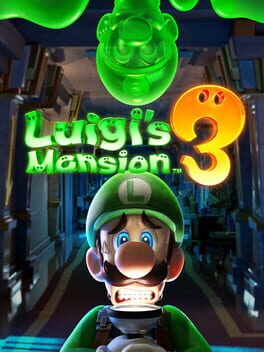
Luigi's Mansion 3 is a ghost-hunting game where you equip a vacuum, a flashlight, and a strobe to identify and capture different ghost types floor by floor — the closest thing to Phasmophobia's equipment-based paranormal toolkit in a polished single game. Co-op adds a second investigator role.
Key difference: Cartoonish tone; no sanity risk or permadeath tension.
Best for: Those who want ghost-hunting mechanics without genuine fear.
Skip if: You need realistic horror atmosphere and multiplayer tension.
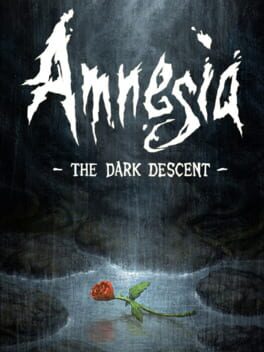
Amnesia: The Dark Descent pioneered the sanity-drain mechanic that Phasmophobia directly draws from — stay in the dark too long and your character's mind deteriorates, causing hallucinations and attracting monsters. The helpless first-person exploration of a haunted castle hits the same nerve.
Key difference: Solo only; linear narrative rather than procedural ghost hunts.
Best for: Solo players who want the sanity mechanic taken seriously.
Skip if: You need co-op or replayable investigation structure.
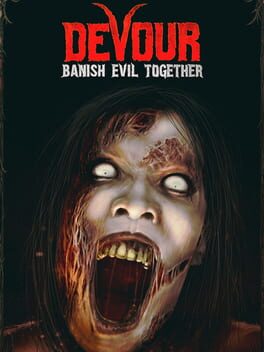
Devour is a co-op survival-horror game for 1–4 players where you must complete ritual objectives in haunted farmhouses and asylums while a possessed AI boss hunts you — same cooperative objective-completion-under-threat structure as Phasmophobia.
Key difference: Ritual completion objectives; no ghost-type identification deduction.
Best for: Players who want higher action stakes in co-op horror.
Skip if: You need the forensic evidence-and-deduction gameplay.
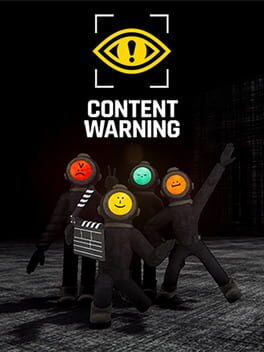
Content Warning is a co-op game where players descend into a monster-haunted underground to film scary content and upload it for views — the same group-communication, equipment-use, and dying-to-something-unseen comedy-horror loop that makes Phasmophobia sessions memorable.
Key difference: Filming/viral-video objective rather than ghost classification.
Best for: Groups who love Phasmophobia's chaotic social horror energy.
Skip if: You need structured deduction or pure horror atmosphere.
Outlast strips players of any weapon and drops them into a first-person horror scenario where observation and recording via a camera is the only tool — exactly Phasmophobia's powerless-investigator fantasy. The asylum corridors and constant threat of a pursuing entity replicate the heart-pounding chase sequences.
Key difference: Solo only; linear horror rather than replayable ghost-type hunts.
Best for: Solo players who want pure unarmed investigator horror.
Dead by Daylight is an asymmetric multiplayer horror game where four survivors complete objectives on a map while a single monster player hunts them — the cat-and-mouse tension and co-op communication under pressure mirror Phasmophobia's ghost-hunt phases. Many killers are iconic horror icons.
Key difference: Competitive PvP; no ghost identification or investigation tools.
Best for: Players who want the ghost-hunt tension with a human opponent.
Skip if: You hate PvP or want a cooperative-only experience.
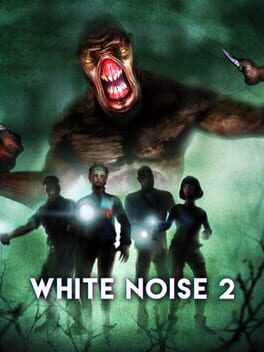
White Noise 2 is an asymmetric co-op horror game for up to 5 players where a team of investigators collects clues in a forest while a creature player hunts them — the cooperative investigation under threat of a supernatural entity directly parallels Phasmophobia's structure.
Key difference: Asymmetric PvP option; less equipment variety and depth.
Best for: Groups who want co-op horror with a human monster option.
Alien: Isolation is a first-person stealth-horror game where you use a motion tracker and environmental sensors to track an AI creature that adapts to your behavior — same equipment-reading loop and existential dread as Phasmophobia's ghost-detection phase. Every breath matters.
Key difference: Solo; linear sci-fi setting rather than paranormal investigation.
Best for: Solo players who want masterclass tension and tool-based tracking.
SOMA is a first-person horror investigation game set in an underwater research station where you examine your environment for clues about a catastrophic event while something hunts you. The atmosphere of dread and methodical exploration of an uncanny space aligns closely with Phasmophobia's tone.
Key difference: Solo sci-fi narrative; no ghost-type identification system.
Best for: Solo players who want philosophical horror with strong investigation.
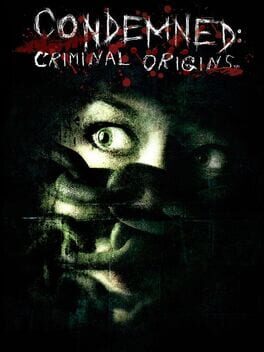
Condemned: Criminal Origins is a first-person horror investigation game where you sweep crime scenes for forensic evidence using handheld scanner tools while disturbed enemies stalk you — the first-person crime-scene toolkit directly parallels Phasmophobia's equipment use in haunted locations.
Key difference: Combat-heavy melee brawling; no co-op or ghost classification.
Best for: Players who want tool-based horror investigation with more action.
Skip if: You dislike melee combat or need multiplayer.
The Vanishing of Ethan Carter places you in a haunted rural landscape as a detective with paranormal abilities, reconstructing crime scenes and supernatural events through environmental investigation. The slow, atmospheric first-person paranormal detective work shares Phasmophobia's investigator fantasy.
Key difference: Solo; no threat, no sanity, pure environmental mystery.
Best for: Players who want paranormal investigation without fear of dying.
Skip if: You need multiplayer or moment-to-moment tension.
Amnesia: A Machine for Pigs continues the sanity-and-darkness horror formula in a Victorian industrial setting, offering the same unarmed, first-person helplessness as you piece together what happened to a family. The atmospheric dread echoes Phasmophobia's quieter investigation phases.
Key difference: Solo only; more narrative-driven, less mechanically complex.
Best for: Solo players who want atmospheric walking-horror over loops.
Among Us is a social-deduction co-op game where players discuss, investigate, and vote on who the hidden threat is — the group communication, paranoia, and collaborative evidence-piecing mirror Phasmophobia's inter-player deduction loop, though the ghost is a player.
Key difference: Top-down cartoon; deception-based PvP rather than PvE horror.
Best for: Groups who love the social panic but want something lighter.
Skip if: You need genuine horror atmosphere or PvE gameplay.
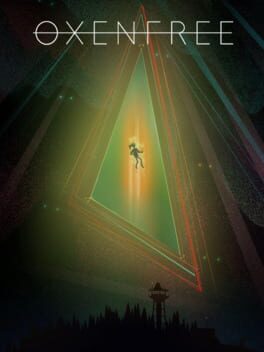
Oxenfree has a group of teenagers investigating paranormal radio frequencies on a haunted island, with supernatural entities responding to your dialogue choices — the speech-triggered ghost interaction and spooky investigation atmosphere directly echo Phasmophobia's radio and Ouija mechanics.
Key difference: Narrative adventure with dialogue trees; no threat or deduction system.
Best for: Players who want story-driven supernatural teen-horror.
Skip if: You need co-op, fear, or mechanical ghost identification.
Layers of Fear is a first-person psychological horror walking simulator set in a haunting artist's mansion that warps around you — the environmental storytelling and mounting dread with no combat parallel Phasmophobia's helpless-investigator atmosphere during quiet ghost-hunting phases.
Key difference: Solo, entirely linear, no investigation mechanics or tools.
Best for: Solo players who want pure atmospheric horror.
Control is set in a government bureau devoted to investigating paranormal objects and phenomena — the Federal Bureau of Control is Phasmophobia's ghost-hunting organization writ large. You use tools and abilities to interact with supernatural forces in liminal government hallways.
Key difference: Third-person action combat; solo and story-driven.
Best for: Players who want the paranormal-investigation setting with action.
Skip if: You want co-op, helpless dread, or no combat.
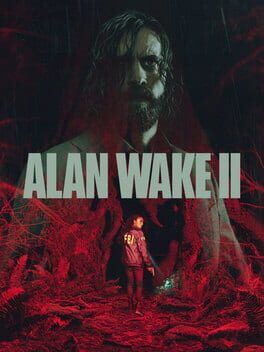
Alan Wake II layers psychological horror over a detective investigation, with the protagonist using light to manage supernatural threats — the tool-based engagement with horror entities and oppressive investigation atmosphere share Phasmophobia's DNA, though executed as a cinematic solo thriller.
Silent Hill 2 is the gold standard of atmospheric horror investigation — a man exploring a fog-shrouded town for clues about his dead wife while psychological monsters manifest around him. The helpless, clue-gathering tension and environmental dread are the genre DNA Phasmophobia evolved from.
Key difference: Solo linear narrative; over-the-shoulder action combat.
Best for: Players who want the deepest horror atmosphere in a classic.
Skip if: You need co-op, first-person, or replayable investigation.
The Quarry is a cinematic horror game playable with up to 8 players making decisions for a group of camp counselors being hunted — the shared group horror experience and communication under pressure offer a socialised fear loop similar to Phasmophobia sessions.
Key difference: Movie-style branching narrative; no active investigation or tools.
Best for: Groups who want shared horror as a social/party experience.
Skip if: You want first-person gameplay or replayable mechanics.
Higher production values; slightly more action-oriented ghost encounters.
PC
Lethal Company
93%
Indie, Action
No ghost-type identification; pure survival scavenging loop.
PC
Ghost Watchers
88%
Horror
Smaller community and content library; Russian developer.
PC
Luigi's Mansion 3
82%
Action, Horror
Cartoonish tone; no sanity risk or permadeath tension.
Nintendo
Amnesia: The Dark Descent
80%
Puzzle, Indie
Solo only; linear narrative rather than procedural ghost hunts.
PlayStation, PC, Xbox, Nintendo
Devour
80%
Indie, Action
Ritual completion objectives; no ghost-type identification deduction.
PC
Content Warning
75%
Indie, Action
Filming/viral-video objective rather than ghost classification.
Xbox, Nintendo, PC, PlayStation
Outlast
74%
Indie, Action
Solo only; linear horror rather than replayable ghost-type hunts.
PlayStation, PC, Xbox, Nintendo
Dead by Daylight
72%
Action, Horror
Competitive PvP; no ghost identification or investigation tools.
Xbox, PlayStation, PC, Nintendo
White Noise 2
72%
Indie, Action
Asymmetric PvP option; less equipment variety and depth.
PlayStation, PC, Xbox
Alien: Isolation
70%
Action, Horror
Solo; linear sci-fi setting rather than paranormal investigation.
PlayStation, PC, Xbox, Nintendo
Soma
68%
Puzzle, Indie
Solo sci-fi narrative; no ghost-type identification system.
PlayStation, PC, Xbox, Nintendo
Condemned: Criminal Origins
65%
Puzzle, Action
Combat-heavy melee brawling; no co-op or ghost classification.
PC, Xbox
The Vanishing of Ethan Carter
65%
Puzzle, Indie
Solo; no threat, no sanity, pure environmental mystery.
PlayStation, PC, Xbox, Nintendo
Amnesia: A Machine for Pigs
63%
Puzzle, Indie
Solo only; more narrative-driven, less mechanically complex.
PlayStation, PC, Xbox, Nintendo
What makes a game feel like Phasmophobia?
Three interlocking elements define Phasmophobia's feel: helplessness (no weapon to fight back), a deduction system requiring you to gather hard evidence before you can name the threat, and cooperative communication that turns voice chat into a mechanic. Games that nail all three are rare. Lethal Company captures the cooperation and helplessness but drops the deduction. Condemned: Criminal Origins gives you first-person forensic evidence-scanning tools but adds combat and removes co-op. Only direct clones like Demonologist and Ghost Watchers (see our additional picks) hit all three pillars simultaneously.
The sanity mechanic is another cornerstone: Amnesia: The Dark Descent is the earliest well-known game to tie environmental exposure directly to mental deterioration, making darkness itself the enemy — and Phasmophobia explicitly inherits that design.
Best co-op picks for Phasmophobia groups
If you play Phasmophobia primarily for the group experience, Lethal Company is your next stop — the voice-comm chaos, the procedurally generated danger, and the moment someone screams and drops their radio are all there. Dead by Daylight is worth a session for groups who want the ghost-hunt tension with a human opponent controlling the horror. For something lighter that keeps the social paranoia, Among Us converts the "who is the threat?" anxiety into a social deduction party game.
For those who want something with even more direct ghost-hunting DNA in a co-op setting, Devour and Content Warning (both in our additional picks) offer short, high-tension co-op sessions that translate naturally from Phasmophobia evenings.
If you want paranormal investigation solo
Alien: Isolation is the best solo option for the equipment-reading, monster-tracking tension — swap the EMF reader for a motion tracker and the ghost for a xenomorph, and the gameplay feel is remarkably close. SOMA offers the most thoughtful solo supernatural investigation, asking you to piece together what happened to a facility while something hunts you. For pure atmospheric dread with a sanity mechanic, Amnesia: The Dark Descent remains the genre's solo benchmark.
If you want the paranormal-investigator setting rather than the fear loop, The Vanishing of Ethan Carter delivers a gorgeous first-person ghost-hunting mystery with no threat at all — ideal for players who love Phasmophobia's narrative premise but could do without the screaming.
Is there a game exactly like Phasmophobia but with better graphics?
Demonologist (on Steam) is built in Unreal Engine 5 and replicates Phasmophobia's co-op ghost-identification loop almost exactly, with significantly higher production values. Ghost Watchers is another close alternative with a fresh location set.
What's the best Phasmophobia alternative for people who hate jump scares?
The Vanishing of Ethan Carter is a first-person paranormal investigation game with no enemies and no jump scares — you reconstruct supernatural events through environmental clues. SOMA has horror elements but its dread is atmospheric and slow-burn rather than jump-scare-based.
Are there any Phasmophobia-like games on console?
Dead by Daylight and Devour are available on console and share the co-op horror structure. Luigi's Mansion 3 on Nintendo Switch offers ghost-hunting mechanics in a polished family-friendly format. Alien: Isolation (also on console) is the best solo equipment-based horror hunt available on PlayStation and Xbox.
What should I play with friends who find Phasmophobia too scary?
Content Warning keeps the co-op ghost-encounter energy but frames everything as comedy — you're filming monsters for social media views. Among Us retains the group communication and paranoia in a completely non-scary package. Luigi's Mansion 3 is excellent in co-op and entirely lighthearted.
Does anything capture Phasmophobia's speech-recognition mechanic?
Very few games match this. Oxenfree uses dialogue to trigger supernatural radio phenomena, which is the closest narrative equivalent. In Phasmophobia itself, using the Spirit Box and speaking specific phrases is unique to the game — direct clones like Demonologist have adopted partial voice-command systems, making them the best alternatives.
 96%
96%