Lethal Company's formula is deceptively specific: a small co-op crew lands on a procedurally altered industrial moon, scavenges scrap under a crushing quota, and tries desperately to evacuate before the monsters — which they cannot reliably fight — pick them off one by one. The tone is equally specific: genuine dread and slapstick comedy happening at the exact same moment, because your friend just got dragged into a vent.
When players ask for "games like Lethal Company," they're really asking for some combination of four things: co-op survival horror where teamwork matters, a roguelite run structure with meaningful stakes, a sci-fi or industrial horror aesthetic with helpless-against-monsters tension, and the kind of emergent comedic chaos that only happens when everything goes catastrophically wrong together.
Top pick:Phasmophobia is the single closest match — it shares Lethal Company's co-op horror run structure, the same 'go in, complete an objective, get out before the monster kills you' loop, and an identical tone of genuine terror punctuated by your teammates screaming on Discord; if you love Lethal Company and haven't played it, start there.
Some store buttons are affiliate links — we may earn a commission at no extra cost to you.
Phasmophobia is co-op ghost-hunting in haunted locations where teams gather evidence while avoiding increasingly aggressive spirits — the closest structural and atmospheric match to Lethal Company's 'go in, complete an objective, get out alive' loop.
Key difference: Ghost-hunting investigation rather than scavenging quota; no permadeath progression.
Best for: Lethal Company fans who want the same co-op horror run formula.
Skip if: You want faster-paced runs with more monster variety.
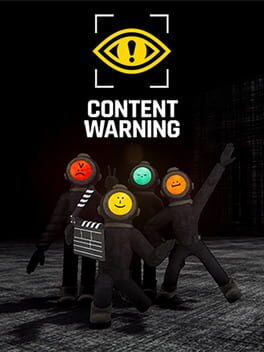
Content Warning has co-op teams dive into monster-filled underground vaults to film creatures and upload footage for views — nearly identical in structure to Lethal Company's 'go in, collect things, survive, return' loop with the same comedic horror tone.
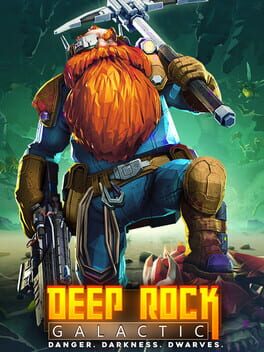
Deep Rock Galactic sends a co-op team of dwarves into procedurally generated alien mines to complete objectives while swarms of bugs attack — the exact same 'dangerous mission with friends in a sci-fi industrial setting' loop as Lethal Company, but with full combat.
Key difference: Fully armed dwarves can fight back; far less helpless horror tone.
Best for: Players who want Lethal Company's co-op mission structure with more action.
Skip if: Feeling helpless against monsters is your favourite part.
Left 4 Dead puts up to four players through gauntlet runs against overwhelming undead hordes, with a dynamic AI Director that ramps tension just like Lethal Company's unpredictable monster spawns. Surviving together or dying together is the entire point.
Key difference: Linear shooter levels, no scavenging quota or roguelite run structure.
Best for: Players who want pure co-op horror chaos with friends.
Skip if: You need the scavenging-and-quota loop to stay engaged.
Alien: Isolation traps you inside an abandoned industrial space station stalked by a single unkillable creature, delivering the same heart-pounding dread of listening for monster footsteps that defines Lethal Company's best moments. The ALIEN's unpredictable AI constantly adapts.
Key difference: Single-player only; no co-op or roguelite run structure.
Best for: Solo players who love Lethal Company's sci-fi horror atmosphere.
Skip if: Co-op with friends is non-negotiable for you.
Risk of Rain 2 is a co-op roguelite where teams loot items and fight alien monsters on procedurally generated planets, escalating in danger the longer you stay — the same risk-vs-reward tension as Lethal Company's quota runs.
Key difference: Full third-person shooter combat; no horror or stealth tension.
Best for: Players who love the roguelite run structure most of all.
Skip if: Helpless horror and avoiding enemies is the core appeal for you.
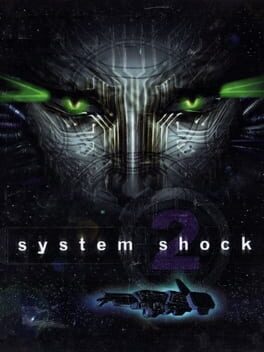
System Shock 2 drops you into an abandoned, monster-infested starship where scavenging resources and managing limited supplies are survival essentials — very close in spirit to Lethal Company's loop of looting while something hunts you. Tense audio design keeps you constantly on edge.
Key difference: Solo RPG with stats/skill trees, not co-op or roguelite.
Best for: Players who want deeper lore alongside the sci-fi horror tension.
Skip if: You can't tolerate older game mechanics or no co-op.
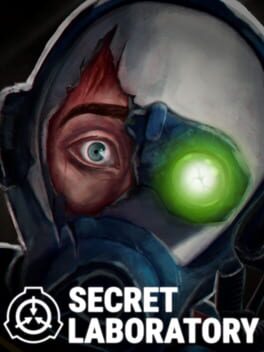
SCP: Secret Laboratory drops players into a facility containment breach where multiple factions — including humans, monsters, and scientists — must navigate dark industrial corridors to survive, capturing Lethal Company's claustrophobic sci-fi horror chaos.
Key difference: Asymmetric multiplayer PvP/PvE hybrid; no scavenging quota structure.
Best for: Players who want co-op horror in an SCP/industrial facility setting.
Skip if: You need a clear PvE-only scavenging loop.
Prey (2017) puts you in an eerily quiet abandoned space station crawling with alien mimics that can be literally anything — the paranoia of not knowing what's safe mirrors Lethal Company's creature encounters perfectly. Scavenging crafting materials throughout Talos I echoes the quota-filling loop.
Key difference: Immersive-sim with character progression; single-player only.
Best for: Solo players who love the 'abandoned industrial sci-fi horror' feel.
Skip if: You want quick chaotic runs with friends over a long solo campaign.
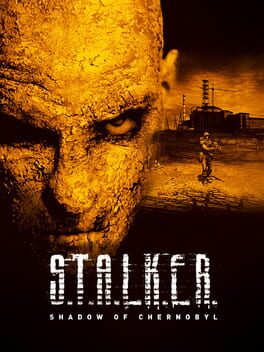
S.T.A.L.K.E.R.: Shadow of Chernobyl puts you in a radioactive anomaly-ridden zone where you scavenge gear from dead stalkers and abandoned buildings while deadly mutants patrol. The constant risk-versus-reward tension of looting dangerous areas maps closely onto Lethal Company's core fear.
Key difference: Solo open-world RPG; permadeath is optional, not structural.
Best for: Players who love the tense scavenging-in-hostile-zones fantasy.
Skip if: Co-op chaos and short runs are what you're really after.
Dead Space strands you on an infested abandoned mining ship — an industrial sci-fi horror setting nearly identical in aesthetic to Lethal Company's moons — where limited ammo and lurking necromorphs create relentless dread. Resource management under threat feels familiar.
Key difference: Linear single-player narrative; no roguelite runs or co-op.
Best for: Fans of Lethal Company's industrial sci-fi horror aesthetic.
Skip if: You need multiplayer and procedural replayability.
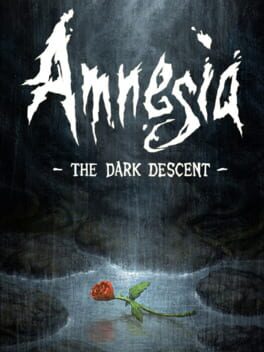
Amnesia: The Dark Descent pioneered the 'hide from an unkillable monster using only your wits and a lantern' formula that Lethal Company pulls from directly. The helplessness and audio-cued tension are almost identical in feel.
Key difference: No co-op, no scavenging quota; purely narrative-driven horror.
Best for: Solo players who want the purest 'defenseless vs. monster' dread.
Skip if: You need friends along and a replayable structure.
SOMA pairs claustrophobic sci-fi horror with an abandoned underwater research station that has exactly the same oppressive industrial dread as Lethal Company's moons. The monster-avoidance stealth segments feel genuinely similar in tension.
Key difference: Story-driven single-player; no roguelite loop or multiplayer.
Best for: Players who want Lethal Company's atmosphere with a deep narrative.
Skip if: You're only here for chaotic co-op runs with friends.
Dead by Daylight is built around the terror of being hunted by a powerful monster while a group of survivors scramble to complete objectives — the fundamental tension loop of Lethal Company. The asymmetric horror and survivor solidarity feel are closely aligned.
Key difference: Asymmetric PvP rather than PvE co-op; no scavenging or roguelite runs.
Best for: Players who want co-op horror with a competitive twist.
Skip if: You want pure PvE monster encounters and scavenging.
Outlast locks you in a dark, sprawling asylum with no weapons — just a night-vision camcorder and the urge to run and hide. The helpless sprint-and-hide gameplay is the same instinct Lethal Company triggers when a bracken corners your team.
Key difference: Single-player only; linear scripted horror, no roguelite loop.
Best for: Solo players craving that pure defenseless-against-a-monster rush.
Skip if: Co-op and replayable run structure are the core appeal for you.
The Binding of Isaac: Rebirth is a roguelite that leans hard into horror and dark comedy, with short punishing runs that reward risk-taking — structurally similar to Lethal Company's quota-driven expeditions. Unexpected deaths remain funny rather than frustrating.
Key difference: Top-down twin-stick shooter; no co-op exploration or 3D horror.
Best for: Roguelite fans who love horror-comedy tone above all else.
Skip if: The 3D first-person co-op exploration is why you play Lethal Company.
Control takes place in a brutalist government building overrun by a paranormal entity, delivering the exact same 'mundane industrial space gone wrong' horror aesthetic as Lethal Company's moons. Object paranoia and hostile entities lurking in liminal spaces feel very familiar.
Key difference: Third-person action with combat powers; not co-op or roguelite.
Best for: Players who love the SCP/liminal-horror sci-fi setting most.
Skip if: Co-op and defenselessness against monsters are your main draws.
Little Nightmares builds dread through scale and helplessness in a grotesque industrial setting, with players sneaking past horrifying creatures rather than fighting back. The atmospheric horror and creature designs echo Lethal Company's best monster encounters.
Key difference: Single-player puzzle platformer; no co-op, scavenging, or roguelite.
Best for: Players drawn to Lethal Company's creature design and horror atmosphere.
Skip if: You need co-op chaos and replayable run structure.
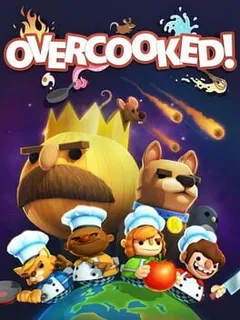
Overcooked! is chaotic co-op built around screaming at friends as everything goes wrong simultaneously — that same anarchic 'disaster with people you love' energy that makes Lethal Company so memorable. Shared goals under escalating pressure translate directly.
Key difference: Kitchen sim with no horror, no monsters, no scavenging at all.
Best for: Players who want that chaotic friendly co-op energy without horror.
Skip if: Horror atmosphere and monster encounters are essential to the fantasy.
Ghost-hunting investigation rather than scavenging quota; no permadeath progression.
Xbox, PlayStation, PC, Nintendo
Content Warning
90%
Indie, Action
Filming mechanic replaces scrap quota; somewhat lighter tone overall.
Xbox, Nintendo, PC, PlayStation
Deep Rock Galactic
85%
Indie, Action
Fully armed dwarves can fight back; far less helpless horror tone.
Xbox, PlayStation, PC
Left 4 Dead
78%
Action, Horror
Linear shooter levels, no scavenging quota or roguelite run structure.
PC, Xbox
Alien: Isolation
72%
Action, Science fiction
Single-player only; no co-op or roguelite run structure.
PlayStation, PC, Xbox, Nintendo
Risk of Rain 2
72%
Indie, Action
Full third-person shooter combat; no horror or stealth tension.
Xbox, PlayStation, PC, Nintendo
System Shock 2
70%
Action, Science fiction
Solo RPG with stats/skill trees, not co-op or roguelite.
PC
SCP: Secret Laboratory
70%
Indie, Action
Asymmetric multiplayer PvP/PvE hybrid; no scavenging quota structure.
PC
Prey
68%
Action, Science fiction
Immersive-sim with character progression; single-player only.
PlayStation, PC, Xbox
S.T.A.L.K.E.R.: Shadow of Chernobyl
65%
Action, Science fiction
Solo open-world RPG; permadeath is optional, not structural.
PlayStation, PC, Xbox, Nintendo
Dead Space
62%
Action, Science fiction
Linear single-player narrative; no roguelite runs or co-op.
PlayStation, PC, Xbox
Amnesia: The Dark Descent
62%
Indie, Action
No co-op, no scavenging quota; purely narrative-driven horror.
PlayStation, PC, Xbox, Nintendo
Soma
62%
Indie, Action
Story-driven single-player; no roguelite loop or multiplayer.
PlayStation, PC, Xbox, Nintendo
Dead by Daylight
60%
Action, Horror
Asymmetric PvP rather than PvE co-op; no scavenging or roguelite runs.
Xbox, PlayStation, PC, Nintendo
Outlast
58%
Indie, Action
Single-player only; linear scripted horror, no roguelite loop.
PlayStation, PC, Xbox, Nintendo
What Makes a Game Feel Like Lethal Company?
The defining pillars are helplessness and co-op accountability: you can't simply shoot your problems away, every run is a fresh gamble, and dying means your teammates carry the weight. Left 4 Dead nails the co-op horror accountability — abandoning a downed teammate feels identical — while Alien: Isolation captures the specific terror of sharing a dark industrial space with something that will absolutely kill you if it hears you. Neither has the scavenging quota loop, but both hit the core fear.
The scavenging-in-hostile-territory fantasy is best served by S.T.A.L.K.E.R.: Shadow of Chernobyl and Prey (2017), both of which force you to loot dangerous spaces while managing the constant threat of something awful around the next corner. The tension of 'is this worth the risk?' is identical even in their solo formats.
Best Co-op Picks for Lethal Company Fans
If playing with friends is the non-negotiable part, Left 4 Dead remains the most polished co-op horror experience in the candidate pool — its AI Director dynamically tailors pressure to your group just like Lethal Company's creature spawns seem to sense when you're vulnerable. For something with a closer structural loop (runs, objectives, extraction), Deep Rock Galactic and Phasmophobia (in additional picks) are essential; the former adds real firepower while the latter keeps you just as defenseless.
Overcooked! earns an honorary mention not for horror but for capturing that specific brand of co-op catastrophe where everyone is shouting and nothing is going to plan — sometimes that's exactly the energy Lethal Company players are chasing even without the monsters.
If You Love the Industrial Sci-Fi Horror Aesthetic
The abandoned-industrial-facility dread that defines Lethal Company's moons is a specific visual and tonal language shared by Dead Space (a derelict mining ship overrun by necromorphs), System Shock 2 (an infested starship where supplies are always running low), and Control (a brutalist government building swallowed by a paranormal entity). All three nail the liminal-spaces-gone-wrong atmosphere where mundane objects become sinister.
SOMA and Alien: Isolation push that aesthetic furthest — underwater research stations and retrofuturist space corridors respectively — and both commit fully to the rule that the monster cannot be killed, only avoided, which is exactly how Lethal Company's best creatures work.
Is there a game exactly like Lethal Company but with more content?
Phasmophobia is the closest structural match with an active development roadmap and a large ghost roster. Deep Rock Galactic offers the same co-op sci-fi mission format with substantially more content, classes, and progression, though it replaces helpless horror with full combat.
What is the best single-player game like Lethal Company?
Alien: Isolation is the strongest single-player equivalent — it shares the industrial sci-fi setting, the unkillable monster you must hide from, and the constant audio-driven dread. Prey (2017) is a close second for its abandoned-facility scavenging and alien-mimic paranoia.
Are there any free games similar to Lethal Company?
SCP: Secret Laboratory is free-to-play and captures the co-op industrial horror facility feel, with multiple player factions navigating a containment breach. It lacks the scavenging quota loop but delivers genuine co-op horror chaos at no cost.
What games have the same co-op horror chaos as Lethal Company?
Left 4 Dead is the most polished co-op horror game in this space, where team coordination and selfless play are constantly tested by monster pressure. Content Warning (in our additional picks) is the nearest structural clone — co-op teams enter dangerous areas to film monsters and extract safely.
Does Lethal Company have anything like a roguelite progression?
The Binding of Isaac: Rebirth is the strongest roguelite match in tone — horror-comedy runs with meaningful permadeath where each attempt teaches you something. Risk of Rain 2 matches the co-op roguelite structure more directly, with escalating alien-planet danger the longer your squad lingers.
 92%
92%