Left 4 Dead's genius is its AI Director — an invisible system that reads your team's stress level and dynamically sends hordes, special infected, and healing items to keep the pressure perfectly calibrated. Combined with four-survivor co-op that makes selfishness fatal, shared resource pressure, and campaigns balanced to feel unwinnable alone, it created a co-op template that has never quite been matched for pure moment-to-moment teamwork tension.
When players search for games like Left 4 Dead, they're really chasing three things: cooperative horde survival where teamwork isn't optional, horror or survival atmosphere that makes every corner feel dangerous, and replayable campaign runs where no two playthroughs feel identical. The best recommendations share at least two of those three pillars.
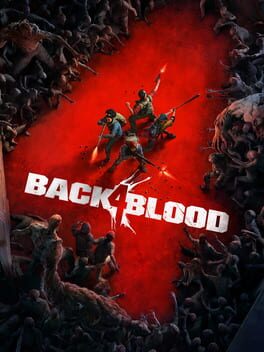
Top pick: The single closest pick is Back 4 Blood — made by the same Turtle Rock Studios team that created Left 4 Dead, it recreates the AI Director, four-player survivor co-op, special Ridden enemies designed to split the team, and directional campaign structure while adding card-based modifiers that give each run a distinct character; if you love L4D's core loop, Back 4 Blood is the most faithful evolution of it.
Some store buttons are affiliate links — we may earn a commission at no extra cost to you.
22 games like Left 4 Dead
98%
Left 4 Dead 2 2009
Left 4 Dead 2 is the direct sequel sharing the exact cooperative horde-shooter formula: four survivors, an AI Director, special infected, and linear campaigns. It adds melee weapons, new special infected types, and more campaigns while keeping the core loop identical.
Key difference: More content, melee weapons, and a wider roster of special infected.
Best for: Anyone who finished L4D1 and wants more of the same.
Skip if: You want a genuinely fresh take on the formula.
Made by Turtle Rock Studios — the original L4D developers — Back 4 Blood is a four-player co-op zombie shooter with an AI Director, card-based run modifiers, and special Ridden enemies designed to directly recreate and evolve the L4D formula.
Key difference: Card-deck build system adds roguelite progression layer between runs.
Best for: L4D fans who want the closest modern spiritual successor.
Skip if: You dislike any roguelite elements or prefer the original's simplicity.
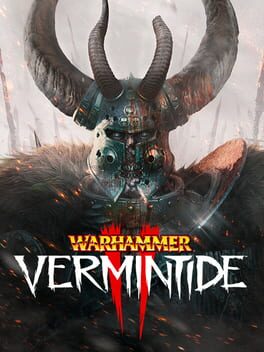
Vermintide 2 is a four-player co-op melee-focused horde slasher set in a Warhammer fantasy world, with an AI Director spawning elite and special enemies at tense moments — essentially L4D's exact structure transplanted into a fantasy sword-fighting game.
Key difference: Melee-dominant combat with fantasy RPG character classes and loot.
Best for: L4D fans who want the same horde co-op with fantasy melee depth.
Skip if: You need firearms or prefer modern horror aesthetics.
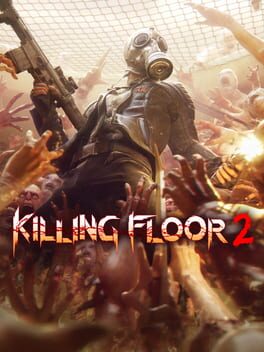
Killing Floor 2 is a six-player co-op wave survival FPS where players fight escalating hordes of grotesque Zeds, rewarding tight formation play and specialized class roles — the same group coordination loop as L4D compressed into tighter maps.
Key difference: Round-based wave defense with RPG class unlocks instead of directional campaigns.
Best for: L4D fans who want deeper class specialization in co-op horde FPS.
Skip if: You dislike wave defense or want narrative campaign structure.
Dying Light puts you in a zombie-infested open city with a day/night tension system — daylight is manageable, but nights spawn fast, aggressive hordes that punish carelessness similarly to L4D's Director-driven panic moments. Co-op for up to four players is fully supported.
Key difference: Open-world parkour traversal replaces linear corridor campaigns.
Best for: Players who want L4D's co-op zombie chaos with exploration freedom.
Skip if: You dislike open-world structure or melee-heavy combat.
Resident Evil 5 is a two-player co-op survival horror shooter where constant enemy pressure and shared item management create tight interdependency — the same pillars as L4D. The game falls apart without a partner, just like L4D's design intent.
Key difference: Fixed resource inventory and third-person perspective.
Best for: Co-op fans who want a story-driven survival horror campaign.
Skip if: You want four-player co-op or first-person perspective.
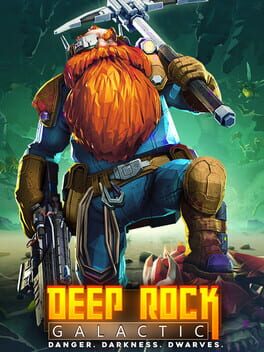
Deep Rock Galactic is a four-player co-op FPS where dwarven miners fight insect swarms in procedural caves, with the same "stick together or die" cooperative dependency as L4D and an AI Director dynamically scaling enemy aggression to the group.
Key difference: Sci-fi mining objectives in procedural levels; no zombie or horror theme.
Best for: L4D co-op fans who want a positive, replayable alternative with strong community.
Skip if: You specifically need horror atmosphere or zombie enemies.
Gears of War 3's Horde 2.0 mode captures L4D's wave-based cooperative tension with up to five players defending against escalating enemy swarms. The cover-shooter campaign also supports four-player co-op throughout.
Key difference: Third-person cover shooter; structured wave defense rather than directional campaigns.
Best for: Console players wanting co-op horde action with polished gunplay.
Skip if: You dislike cover mechanics or prefer first-person.
Gears of War 2 introduced Horde mode — the genre blueprint for wave-based co-op defense — and its campaign sustains relentless enemy pressure across five-player sessions, echoing L4D's "push forward together or die" philosophy.
Key difference: Third-person perspective with heavier, slower characters.
Best for: Players who want the origin of co-op horde mode.
Skip if: You need first-person perspective to feel immersed.
Aliens: Fireteam Elite is a three-player co-op third-person shooter where colonial marines fight alien horde swarms across campaign missions — directly mirroring L4D's team survival structure but in the Aliens universe with class-based abilities.
Key difference: Third-person, three-player maximum, sci-fi license with class-based loadouts.
Best for: L4D fans and Aliens franchise fans who want a focused co-op campaign.
Skip if: You need four-player parties or first-person perspective.
Dead Space shares L4D's oppressive horror atmosphere and the need to manage ammo carefully under constant enemy assault. Its limb-dismemberment combat against relentless necromorphs produces the same adrenaline-fueled panic L4D survivors face.
Key difference: Primarily single-player, third-person, with slower tension-building pacing.
Best for: Fans of L4D's horror tone who also enjoy atmospheric solo experiences.
Skip if: You specifically want cooperative multiplayer.
Resident Evil 2 Remake sustains relentless zombie pressure — the Mr. X pursuer functions like L4D's Tank — forcing constant repositioning and resource conservation under threat. The tight claustrophobic corridors reward deliberate teamwork logic even solo.
Key difference: Solo third-person survival horror; no co-op.
Best for: L4D fans who want zombie horror with tighter, deliberate pacing.
Skip if: You want multiplayer co-op or run-and-gun action.
The Last of Us channels L4D's survival desperation — scavenging for items, managing limited ammo against relentless infected — but wraps it in a deeply narrative single-player experience with Clicker enemies that behave like L4D's special infected.
Key difference: Linear cinematic single-player; no horde mode or cooperative campaign.
Best for: L4D fans who want survival horror with emotional storytelling.
Skip if: You want replayable co-op action over story.
Call of Duty: World at War introduced Nazi Zombies, a co-op wave survival mode with up to four players fighting off increasingly difficult undead hordes — the same premise as L4D's Survival mode, rewarding coordination and positioning.
Key difference: Round-based wave defense map rather than directional campaigns.
Best for: L4D players who want a quick co-op zombie fix in a familiar FPS.
Skip if: You find wave-defense repetitive without directional goals.
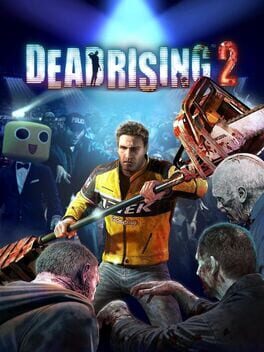
Dead Rising 2 drops players into a zombie-filled casino resort where improvised weapon crafting and overwhelming horde numbers demand efficient crowd control — sharing L4D's "outnumbered survivor" fantasy. Two-player co-op is supported.
Key difference: Time-limit mission structure and crafting system replace directional campaigns.
Best for: Players who want zombie mayhem with creativity and dark comedy.
Skip if: You want serious tone or tight shooter mechanics.
Metro 2033 is a claustrophobic first-person horror shooter where tunnel-dwelling mutants and infected survivors create relentless pressure, rewarding careful ammo management similar to L4D's survival tension. The atmosphere is oppressively dark.
Key difference: Solo experience with slower, methodical pacing and strong narrative.
Best for: L4D fans craving atmospheric horror FPS without multiplayer.
Skip if: You need co-op or fast-paced horde action.
Resident Evil 6's co-op campaigns feature two-player coordination against zombie hordes across multiple storylines, with an Agent Hunt mode letting players invade others' games as enemies — directly mirroring L4D's versus concept.
Key difference: Over-the-top action tone; quality varies significantly across its four campaigns.
Best for: L4D fans who want co-op zombie shooting with an invasion mode.
Skip if: You want consistent quality or first-person perspective.
Halo 3: ODST's Firefight mode pits up to four players against escalating Covenant waves with a lives-pool system — surviving longer by communicating and supporting teammates, exactly as in L4D. The moody, isolated campaign also shares a lone-survivors aesthetic.
Key difference: Sci-fi setting with alien enemies instead of zombies; wave defense rather than campaigns.
Best for: Xbox players wanting co-op horde defense with excellent gunplay.
F.E.A.R. is a first-person horror shooter that builds oppressive dread through enemy AI flanking and environmental scares — the same "eyes everywhere" anxiety L4D creates. Slow-motion gunplay rewards precise cooperation under pressure.
Key difference: No co-op; primarily a solo horror FPS with supernatural story focus.
Best for: L4D fans who want intelligent enemy AI and first-person horror atmosphere.
Skip if: You want cooperative multiplayer or zombie themes.
DayZ is an open-world zombie survival game where player-driven tension — trusting or betraying other survivors — reproduces the desperate cooperation L4D forces. The world is unforgiving and permadeath makes every decision consequential.
Key difference: Hardcore open-world survival sim; slow-paced with PvP emphasis.
Best for: Players who want maximum zombie survival realism and emergent co-op.
Skip if: You want structured campaigns or fast-paced action.
Project Zomboid is a deep zombie survival sandbox where co-op runs require the same resource-sharing and mutual dependency as L4D, but with isometric top-down perspective and long-term base management instead of directed campaigns.
Key difference: Isometric perspective; slow-burn survival sim rather than action shooter.
Best for: Players who want the deepest zombie survival co-op simulation available.
Skip if: You want first-person action or quick sessions.
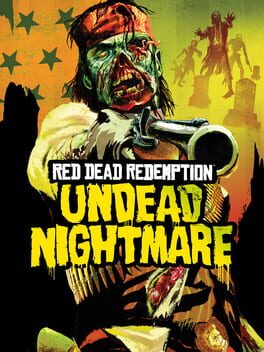
Red Dead Redemption: Undead Nightmare layers zombie outbreak survival directly onto an open Western world, with horde mechanics and overwhelming undead pressure that channel L4D's outnumbered-survivor tension in a uniquely atmospheric setting.
Key difference: Single-player open-world Western; no co-op campaign mode.
Best for: Players who want zombie horde survival with Western atmosphere.
Skip if: You need co-op or first-person shooter mechanics.
More content, melee weapons, and a wider roster of special infected.
PC, Xbox
Back 4 Blood
96%
Shooter, Action
Card-deck build system adds roguelite progression layer between runs.
Xbox, PlayStation, PC
Warhammer: Vermintide 2
90%
Shooter, Action
Melee-dominant combat with fantasy RPG character classes and loot.
PlayStation, PC, Xbox
Killing Floor 2
85%
Shooter, Action
Round-based wave defense with RPG class unlocks instead of directional campaigns.
PlayStation, PC, Xbox
Dying Light
80%
Shooter, Action
Open-world parkour traversal replaces linear corridor campaigns.
Xbox, PlayStation, PC
Resident Evil 5
77%
Shooter, Action
Fixed resource inventory and third-person perspective.
PlayStation, PC, Xbox
Deep Rock Galactic
75%
Shooter, Action
Sci-fi mining objectives in procedural levels; no zombie or horror theme.
Xbox, PlayStation, PC
Gears of War 3
74%
Shooter, Action
Third-person cover shooter; structured wave defense rather than directional campaigns.
Xbox
Gears of War 2
72%
Shooter, Action
Third-person perspective with heavier, slower characters.
Xbox
Aliens: Fireteam Elite
72%
Shooter, Action
Third-person, three-player maximum, sci-fi license with class-based loadouts.
Xbox, PlayStation, PC, Nintendo
Dead Space
70%
Shooter, Action
Primarily single-player, third-person, with slower tension-building pacing.
PlayStation, PC, Xbox
Resident Evil 2
70%
Shooter, Action
Solo third-person survival horror; no co-op.
Xbox, PlayStation, PC, Mobile
The Last of Us
67%
Shooter, Action
Linear cinematic single-player; no horde mode or cooperative campaign.
PlayStation
Call of Duty: World at War
66%
Shooter, Action
Round-based wave defense map rather than directional campaigns.
PlayStation, PC, Xbox
Dead Rising 2
63%
Action, Horror
Time-limit mission structure and crafting system replace directional campaigns.
PlayStation, PC, Xbox
What Makes a Game Truly Feel Like Left 4 Dead?
The defining trait isn't zombies — it's enforced cooperation under dynamic pressure. Games like Left 4 Dead use an adversarial AI or spawn system that reads team health and confidence, then introduces threats designed to break formation: a Tank that pins one player while a Smoker pulls another, or a Hunter pouncing on a straggler. Dying Light recreates this at night when Volatiles pursue players with terrifying speed, punishing anyone who splits from the group. Gears of War 3's Horde 2.0 mode mirrors it through wave escalation that forces players to cover each other's lanes.
The second ingredient is shared resource scarcity — healing items, ammo, and revives that the whole team depends on, so selfishness has immediate consequences. Resident Evil 5 nails this with its partner inventory system: you will stand in an infested room while your co-op partner decides which healing items to pass you.
Best Solo-Playable Alternatives When You Can't Find a Team
Left 4 Dead's bots are functional but hollow — the game is designed for humans. When you need a solo fix that captures the same horror-survival tension, The Last of Us is the strongest choice: its infected behave with the same territorial aggression as L4D's special infected, ammo is perpetually scarce, and the claustrophobic environments create the same "eyes-everywhere" dread. Metro 2033 goes even further into suffocating horror atmosphere, with tunnel mutants that swarm and flank with unsettling intelligence.
For players who want zombie survival without co-op dependence, Dead Space channels L4D's relentless necromorph pressure into a structured solo campaign where resource management and limb targeting create genuine survival anxiety. Resident Evil 2 Remake adds a pursuer enemy — Mr. X — that functions like a permanent Tank, keeping the threat ever-present regardless of what else is happening.
If You Want the Co-op Horde Loop on Repeat
Left 4 Dead's real hook for dedicated players is replayability: the Director ensures no run is identical. Killing Floor 2 delivers the closest loop in a wave-based format — six players, escalating Zed waves, specialized classes, and maps small enough that a breakdown in coordination is immediately lethal. Warhammer: Vermintide 2 takes the same four-player campaign structure and L4D-inspired Director, replacing guns with melee combat that demands even tighter group cohesion since you can't shoot your way out of being surrounded.
For players who want the structure modernized, Back 4 Blood adds card decks that let teams build specific playstyles across a run — increasing or decreasing difficulty in exchange for bonus supplies — giving the replayability another dimension that L4D's pure randomness doesn't offer.
Left 4 Dead 2 includes all Left 4 Dead 1 campaigns via a free update on PC, adds more special infected types, melee weapons, and five original campaigns — making it the objectively more content-rich package. Most players recommend starting with L4D2. However, L4D1's four campaigns are tighter in tone and atmosphere, and some fans prefer its stripped-back simplicity.
What is the closest modern game to Left 4 Dead?
Back 4 Blood, developed by Turtle Rock Studios (the original Left 4 Dead creators), is the most direct modern successor. It uses the same four-player co-op structure, AI Director, and special enemy types designed to split teams. Warhammer: Vermintide 2 is the second-closest match for players who don't mind a fantasy melee focus.
Is Dying Light similar to Left 4 Dead?
Yes — Dying Light shares L4D's zombie survival co-op (up to four players), the day/night pressure system that escalates danger dynamically, and the need for teammates to cover each other. The main difference is that Dying Light is open-world with parkour traversal and a crafting system, making it less structured but more exploratory than L4D's linear campaigns.
Are there Left 4 Dead-style games with more progression or RPG elements?
Yes. Killing Floor 2 adds class-based progression and weapon unlocks to its co-op horde shooting. Back 4 Blood includes a card-deck system for building character perks across runs. Deep Rock Galactic layers dwarven character progression and cosmetics onto its four-player co-op horde missions. All three retain the core "survive together" loop.
What Left 4 Dead game modes are most unique to it?
The Versus mode — where one team plays survivors and the other controls special infected — is L4D's most distinctive feature and has rarely been replicated well. Resident Evil 6's Agent Hunt mode allows a similar invasion mechanic. The Survival mode (hold out as long as possible) is mirrored closely by Killing Floor 2 and Gears of War's Horde modes.
 98%
98%