RimWorld is beloved for its AI storyteller — a system that doesn't just generate random events but weaves them into coherent arcs of misfortune and triumph using deep simulations of psychology, ecology, relationships, and combat. Players build a colony of flawed, named characters and then watch their stories unfold, caring deeply when a skilled doctor has a mental breakdown or a beloved dog is killed in a raid.
When people ask for "games like RimWorld," they're really looking for one of two things: another deep colony/base simulation where interlocking systems generate emergent stories, or a game that delivers the same attachment and grief through permadeath, character quirks, and escalating survival pressure. The best alternatives deliver both.
Top pick:Oxygen Not Included is the single closest pick from this list — it shares RimWorld's core loop of managing a small, named group through layered, interacting survival systems (stress, disease, food, heat) in a sci-fi setting, and it generates the same kind of "oh no" emergent crises that make you both laugh and wince.
Some store buttons are affiliate links — we may earn a commission at no extra cost to you.
Dwarf Fortress is the spiritual progenitor of RimWorld: you manage a colony of dwarves with individual personalities, memories, and needs in a procedurally generated world where emergent stories of triumph and catastrophe are the entire point.
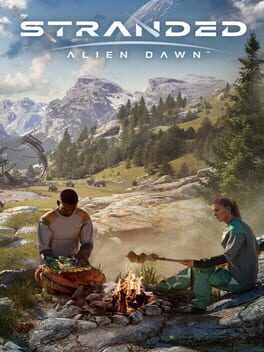
Stranded: Alien Dawn is effectively RimWorld in 3D: a small group of survivors crash-land on an alien planet and must build a colony, manage survivor morale, research technology, and defend against escalating creature raids through procedurally driven scenarios.
Key difference: 3D isometric visuals; slightly shallower simulation depth than RimWorld.
Best for: RimWorld fans who want the same loop with modern 3D presentation.
Skip if: You want the full psychological and faction-diplomacy depth of RimWorld.
Oxygen Not Included is the closest colony sim to RimWorld in the candidate pool: you manage a small group of duplicants aboard an asteroid, simulating heat, gas, liquid, stress, disease, and food in deeply interlocking systems. Every playthrough generates its own cascade of crises and improvised solutions.
Key difference: Physics-puzzle focus on gas/fluid routing over narrative storytelling.
Best for: Players who want more engineering depth over drama.
Skip if: You hate micromanaging pipes and wire layouts.
Kenshi is an open-world squad-management survival RPG set in a brutal post-apocalyptic wasteland where you build bases, recruit characters with individual stats, and survive faction politics — generating stories of failure and resilience very much like RimWorld.
Key difference: Real-time 3D world you can explore directly; rougher and more punishing.
Best for: RimWorld players who want first-hand exploration alongside colony management.
Skip if: You need a polished, well-tutorialised experience.
Frostpunk tasks you with keeping a city and its population alive in a frozen apocalypse, balancing resource management, moral law-making, and worker morale under survival pressure — the same god-mode colony management with high emotional stakes as RimWorld.
Key difference: Scripted scenario campaigns rather than open-ended sandbox runs.
Best for: Players who want RimWorld's crisis management with a narrative arc.
Skip if: You prefer endless open-ended colony runs with no win/lose state.
Prison Architect shares RimWorld's top-down facility-management loop: you design a complex, staff it with NPCs who have individual needs, and watch emergent crises (riots, escapes, contraband rings) unfold from your decisions. The tone is grimly comedic in similar ways.
Key difference: Single fixed facility type, no combat or exploration.
Best for: Fans who love the base-layout and logistics side of RimWorld.
Skip if: You need survival pressure and combat to stay engaged.
Factorio tasks you with building an automated factory on an alien planet while managing resource flows and defending against a native threat that scales with your pollution output. The systems-within-systems complexity creates the same 'one more problem to solve' loop as RimWorld.
Key difference: Automation and logistics focus; colonists replaced by machines.
Best for: RimWorld players who love optimising supply chains.
Skip if: You want character drama and interpersonal storytelling.
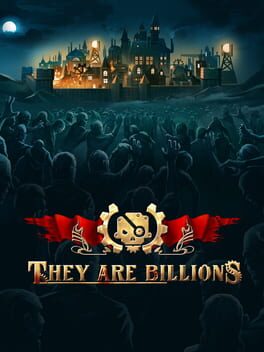
They Are Billions is a steampunk colony survival RTS where you build and fortify a settlement against massive zombie hordes, with map-wide emergent crises if your walls are breached. The defend-and-expand loop mirrors RimWorld's raid escalation.
Key difference: Real-time RTS pace; no individual colonist personalities or storytelling AI.
Best for: Players who want RimWorld's base-defense side pushed to the extreme.
Skip if: You play RimWorld for character relationships and emergent drama.
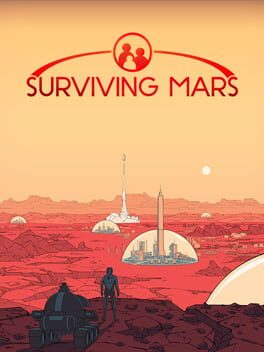
Surviving Mars puts you in charge of establishing and growing a colony on Mars, managing domes, supply chains, colonist morale, and random crisis events in a sci-fi setting that overlaps directly with RimWorld's survival and colonist-management themes.
Key difference: City-builder structure; less emergent storytelling and no faction combat.
Best for: RimWorld fans who want a sci-fi colony builder without raids.
Skip if: You need combat and interpersonal drama to stay invested.
FTL puts you in command of a spaceship crew on a procedurally generated run, managing oxygen, shields, fires, and crew morale under constant threat. Its real-time-with-pause combat and permadeath storytelling hit the same nerve as RimWorld's emergent disasters.
Key difference: Single ship, rogue-run length — no base building or colony scale.
Best for: Players who want RimWorld's intensity in short sessions.
Skip if: You dislike procedurally generated runs with no persistent world.
XCOM 2 combines tense tactical squad combat with base management, research trees, and a global resistance network — the same dual-layer (macro management + micro crisis) structure as RimWorld. Losing a veteran soldier hits as hard as losing a RimWorld colonist.
Key difference: Turn-based tactical missions rather than real-time colony life.
Best for: Players who want RimWorld's stakes but prefer turn-based combat.
Skip if: Open-ended sandbox; XCOM 2 has a scripted campaign arc.
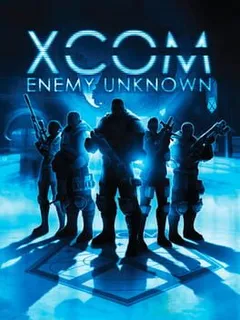
XCOM: Enemy Unknown pioneered the accessible version of the base-plus-squad-management loop later echoed by RimWorld. Alien threats, research, and losing irreplaceable soldiers create the same attachment and grief as a RimWorld run.
Key difference: Older, less complex base sim; superseded by XCOM 2 mechanics.
Best for: Those who want a more structured, campaign-driven experience.
Skip if: You need open-ended emergent stories with no predetermined ending.
Darkest Dungeon makes you manage a roster of flawed, trauma-scarred heroes with individual quirks, stress meters, and relationship dynamics — a direct parallel to RimWorld's colonist psychology system. Permadeath and resource scarcity create the same brutal attachment.
Key difference: Turn-based dungeon crawler, no base building or colony management.
Best for: Fans of RimWorld's mental-break and trauma storytelling.
Skip if: You hate dungeon-crawl combat and want colony building.
Satisfactory is a first-person factory-builder on an alien planet where you mine, refine, and automate production chains across a huge open world. The same compulsive systems-optimisation loop is there, though the colony narrative is absent.
Key difference: First-person factory game, no colony NPCs or survival storytelling.
Best for: RimWorld engineers who want 3D exploration added to the loop.
Skip if: You play RimWorld for character drama and faction diplomacy.
Stardew Valley's farm-management loop, NPC relationship systems, and gradual resource unlocking share DNA with the calmer stretches of RimWorld. The community-building angle gives it a kindred feel even if the threat level is far lower.
Key difference: No combat, raids, or survival pressure; warm and cozy tone.
Best for: Players who loved RimWorld's community building, hate the raids.
Skip if: You need crisis and danger to stay motivated.
Cities: Skylines is a deep city-management simulator where interlocking systems — traffic, utilities, zoning, pollution — create emergent municipal crises. The macro-management satisfaction mirrors running a growing RimWorld colony without the combat layer.
Key difference: No survival, combat, or individual citizen stories.
Best for: RimWorld players drawn to planning and logistics over warfare.
Skip if: You need raids and conflict to keep a playthrough interesting.
Terraria mixes survival, base-building, and crafting across procedurally generated worlds with escalating boss threats that feel analogous to RimWorld's raid tiers. Its broad crafting tree and shelter-building give it genuine overlap with RimWorld's early-game loop.
Key difference: 2D action-platformer combat; no colony management or NPC simulation.
Best for: Players who want hands-on combat alongside base building.
Skip if: You dislike platformer-style action and want top-down management.
Valheim drops you into a procedurally generated Norse survival world where you build a base, gather resources, and fight increasingly powerful bosses. The communal, layered-tech-tree survival structure echoes early-to-mid RimWorld colony arcs.
Key difference: Third-person action combat, Viking fantasy setting, no NPC colonists.
Best for: RimWorld players who want to personally fight the threats.
Skip if: You want top-down simulation and colonist psychology depth.
Minecraft's survival mode shares RimWorld's core loop of gathering, building shelter, and defending against escalating night threats. Creative mode parallels the base-design sandbox. The total freedom to shape your world is a clear common thread.
Key difference: No colonist simulation, psychology, or faction diplomacy systems.
Best for: Younger or casual players wanting a gentler survival sandbox.
Skip if: You specifically want complex NPC management and emergent stories.
Europa Universalis IV is a grand-strategy sandbox where you steer a nation through history by managing diplomacy, economy, religion, and warfare — the same depth-of-simulation appeal as RimWorld, scaled up to a whole world and centuries of time.
Key difference: Historical nation-scale grand strategy, no survival or colony building.
Best for: Players who love RimWorld's faction diplomacy and political complexity.
Skip if: You want base building and individual character stories.
Mount & Blade: Warband is a sandbox medieval RPG where you build a warband, manage morale, trade, and engage in large real-time battles. Its emergent sandbox storytelling and army management share the spirit of RimWorld's colonist-juggling.
Key difference: First/third-person medieval action; you are the protagonist, not a god-mode manager.
Best for: Players who want RimWorld's sandbox autonomy with direct combat.
Skip if: You want top-down colony simulation with automated colonist AI.
Vastly more complex simulation; steep ASCII (or tileset) learning curve.
PC
Stranded: Alien Dawn
92%
Simulator, Strategy
3D isometric visuals; slightly shallower simulation depth than RimWorld.
Xbox, PlayStation, PC
Oxygen Not Included
90%
Simulator, Strategy
Physics-puzzle focus on gas/fluid routing over narrative storytelling.
PC
Kenshi
88%
Real Time Strategy (RTS), Strategy
Real-time 3D world you can explore directly; rougher and more punishing.
PC
Frostpunk
85%
Simulator, Strategy
Scripted scenario campaigns rather than open-ended sandbox runs.
PlayStation, PC, Xbox
Prison Architect
83%
Simulator, Strategy
Single fixed facility type, no combat or exploration.
PlayStation, PC, Mobile, Xbox, Nintendo
Factorio
80%
Simulator, Strategy
Automation and logistics focus; colonists replaced by machines.
PC, Nintendo
They Are Billions
80%
Real Time Strategy (RTS), Strategy
Real-time RTS pace; no individual colonist personalities or storytelling AI.
PlayStation, Nintendo, PC, Xbox
Surviving Mars
78%
Simulator, Strategy
City-builder structure; less emergent storytelling and no faction combat.
PlayStation, PC, Xbox
FTL: Faster Than Light
76%
Simulator, Strategy
Single ship, rogue-run length — no base building or colony scale.
PC, Mobile
XCOM 2
73%
Simulator, Strategy
Turn-based tactical missions rather than real-time colony life.
PlayStation, PC, Xbox, Nintendo
XCOM: Enemy Unknown
71%
Simulator, Strategy
Older, less complex base sim; superseded by XCOM 2 mechanics.
PlayStation, PC, Mobile, Xbox
Darkest Dungeon
68%
Strategy, Indie
Turn-based dungeon crawler, no base building or colony management.
PlayStation, PC, Mobile, Xbox, Nintendo
Satisfactory
60%
Simulator, Strategy
First-person factory game, no colony NPCs or survival storytelling.
Xbox, PC, PlayStation
Stardew Valley
58%
Simulator, Strategy
No combat, raids, or survival pressure; warm and cozy tone.
PlayStation, PC, Nintendo, Mobile, Xbox
What makes a game feel like RimWorld?
The defining quality isn't the genre label — it's the combination of deep NPC simulation, emergent storytelling, and survival pressure. Games like Oxygen Not Included and Prison Architect nail this because they simulate individual agent needs (duplicant stress, prisoner morale) and let failures cascade into spectacular disasters that feel authored even though they're procedural. Without that simulation depth, a colony builder is just a city-builder.
FTL: Faster Than Light achieves the same feeling at a smaller scale: your crew of three or four named characters feel precious because the game simulates individual damage, fire spread, and oxygen loss in real time. Losing your only medic to a hull breach mid-run is exactly as gut-wrenching as losing your best doctor to a mental break in RimWorld.
If you want more management depth and less combat
Factorio strips out colonist psychology entirely and replaces it with pure logistics — but the compulsion loop of solving one problem that creates three more is identical. Cities: Skylines scales up to city management, giving you the same satisfaction of watching a system you designed run smoothly (and the same frustration when a traffic jam cascades into a sewage crisis). Both reward the same obsessive, systems-thinking mindset as RimWorld without the violence.
For players who want the colony storytelling but prefer a warmer tone, Stardew Valley delivers the NPC relationship depth and community-building satisfaction of RimWorld's peaceful stretches — it's essentially the "Losing is Fun" philosophy applied to a farming sim where losing is much less likely.
Best picks for the permadeath and crisis-management itch
Darkest Dungeon is the best option for players drawn to RimWorld's trauma and mental-break systems: your heroes accumulate negative quirks, phobias, and stress that compound over time, and managing a roster of expendable-but-beloved characters through escalating horrors is structurally identical to managing a RimWorld colony through raid escalation. XCOM 2 delivers the same soldier-attachment grief at a higher production value, pairing base management with tactical squad combat where every loss is permanent and felt.
Is there a game exactly like RimWorld but with a different setting?
Stranded: Alien Dawn (in "additional" above) is the closest — it is essentially RimWorld in 3D with the same crash-landing premise and storyteller-driven survival. Kenshi offers a similarly deep colony-management sandbox in a post-apocalyptic fantasy world. For a frozen-Earth setting, Frostpunk shares the colony-survival pressure with strong narrative framing.
What is the original game that inspired RimWorld?
Dwarf Fortress directly inspired RimWorld — creator Tynan Sylvester has acknowledged it. Dwarf Fortress goes even deeper in simulation fidelity (every stone type, bone, fluid, and memory is tracked), but it has a much steeper learning curve. The 2022 Steam release added a proper tileset UI that makes it far more accessible.
Are there any games like RimWorld on console?
XCOM 2 and XCOM: Enemy Unknown are the best console-available games that scratch the base-management and permadeath-attachment itch from RimWorld. They are on PS4/Xbox. Darkest Dungeon is also available on all major consoles. RimWorld itself and most deep colony sims remain PC-exclusive.
What games like RimWorld let you play co-op?
Valheim supports co-op survival and base-building for up to 10 players, making it a social alternative to RimWorld's solo colony management. Factorio has a well-developed co-op mode. Rust is built entirely around multiplayer survival. None of them replicate RimWorld's colonist-AI storytelling in co-op, but they deliver the collaborative survival-building experience.
What should I play if I love RimWorld's storytelling but want something shorter?
FTL: Faster Than Light is the best answer — a complete run takes two to four hours, but it delivers the same procedurally generated story of a crew under siege, with the same attachment to individual crew members and the same sting of losing one. Darkest Dungeon also structures well into shorter sessions while maintaining the long-term roster management.
 97%
97%