Fallout Shelter's appeal comes down to a very specific formula: you are the Overseer of an underground vault, expanding rooms, assigning dwellers to tasks based on their S.P.E.C.I.A.L. stats, balancing food, water, and power in real time, and sending expeditions into the Wasteland — all wrapped in the beloved post-apocalyptic aesthetic of the Fallout universe.
When someone wants "games like Fallout Shelter," they are really looking for one or more of these things: base or colony management where you direct a population rather than play a single character, resource-balancing survival sim where multiple systems compete for your attention, or the idle/tycoon loop of watching a facility grow. The Fallout lore is a bonus, not the requirement.
Top pick:Oxygen Not Included is the single closest game to Fallout Shelter's core fantasy: an entirely underground colony of people who need food, breathable air, and psychological wellbeing — managed room by room, role by role, with constant crises demanding your attention. It is what Fallout Shelter would look like if Klei Engineering built it.
Some store buttons are affiliate links — we may earn a commission at no extra cost to you.
18 games like Fallout Shelter
92%
Oxygen Not Included 2019
Oxygen Not Included is a colony survival simulator set entirely underground, where you manage duplicants' oxygen, food, water, and stress across an ever-expanding base — it is the closest mechanical match to Fallout Shelter's vault management loop with far greater engineering depth.
Key difference: Complex interconnected systems demand careful engineering planning.
Best for: Shelter fans who want deep resource simulation in an underground base.
Skip if: You want a casual or idle experience without complex chains.
RimWorld is a sci-fi colony management sim where you direct a small group of survivors, assign tasks, manage food and power, and defend against raids — the same core loop as Fallout Shelter with far greater depth and emergent storytelling.
Key difference: Far more complex, brutal, and open-ended than Shelter's accessible idle style.
Best for: Players who want Fallout Shelter's loop with real systemic depth.
Skip if: You want a casual, low-stakes management experience.
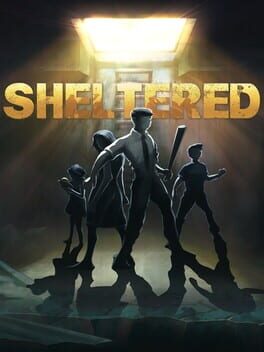
Sheltered is almost a direct Fallout Shelter analog: you manage a family in an underground post-apocalyptic bunker, assigning roles, gathering resources, and defending against raiders and environmental threats.
Key difference: Darker tone, permadeath risk, and fewer idle mechanics.
Best for: Shelter fans who want more challenge and consequence in their bunker.
Skip if: You want the casual, free-to-play idle approach of Shelter.
Prison Architect has you construct and manage a facility full of people, balancing their needs, assigning jobs, and dealing with crises — structurally very close to Fallout Shelter's room-building and population-management loop.
Key difference: Prison administration setting with no sci-fi or survival themes.
Best for: Players who love Shelter's room layout and people-assignment puzzle.
Skip if: You want post-apocalyptic atmosphere or Fallout lore.
Frostpunk tasks you with managing a last-city-on-Earth colony, balancing heat, food, and worker morale while making brutal societal choices — matching Fallout Shelter's survival management with gripping narrative stakes.
Key difference: Much harsher survival crisis pacing; every decision carries moral weight.
Best for: Players wanting high-stakes survival management with story tension.
Skip if: You prefer relaxed progression without escalating crises.
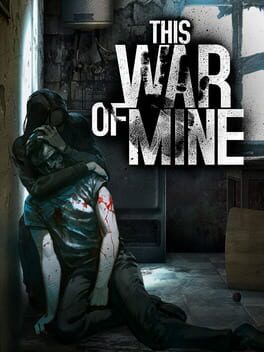
This War of Mine puts you in charge of a small group of civilian survivors in a war-torn city, managing scarce resources by day and scavenging at night — matching Fallout Shelter's resource-juggling and moral tension.
Key difference: Much darker, grimmer tone with no base-building fantasy.
Best for: Players who want survival management with real emotional weight.
Skip if: You prefer lighthearted or optimistic resource management games.
Darkest Dungeon tasks you with managing a roster of flawed heroes, sending parties on dungeon expeditions and managing their stress and wounds back at the hamlet — directly paralleling Fallout Shelter's dweller-and-quest loop.
Key difference: Turn-based dungeon combat instead of idle automation; much harder.
Best for: Players who love managing characters across dangerous missions.
Skip if: You dislike high difficulty and permanent character loss.
Don't Starve is a survival management game where you constantly juggle food, sanity, and shelter resources while fending off threats — echoing Fallout Shelter's reactive resource management in a strange, gothic setting.
Key difference: Solo survival action rather than a base full of people to manage.
Best for: Players who want resource survival with roguelike replayability.
Skip if: You need population management as the central mechanic.
Fallout 4 shares the same post-apocalyptic sci-fi universe and even includes a full settlement-building system where you manage resources and assign settlers to tasks — directly extending Fallout Shelter's fantasy in 3D.
Key difference: Full open-world RPG shooter; settlement mode is just one component.
Best for: Shelter fans ready to explore the Wasteland themselves.
Skip if: You want pure base management without action combat.
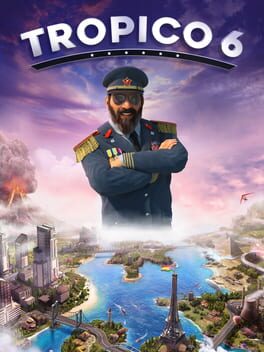
Tropico 6 is a colorful city-management sim where you play a dictator balancing citizens' happiness, resource production, and political factions — sharing Fallout Shelter's satisfaction of keeping a growing population content.
Key difference: Political comedy sandbox with no survival threat or sci-fi setting.
Best for: Players drawn to Shelter's population happiness and expansion loop.
Skip if: You need tension or a post-apocalyptic atmosphere.
Cities: Skylines is a deep city-building management sim where you zone districts, manage utilities, and keep citizens happy — sharing Fallout Shelter's satisfaction of watching a population thrive under your direction.
Key difference: Modern city-building scale with no survival threats or RPG elements.
Best for: Players drawn to Shelter's building-and-optimization puzzle.
Skip if: You want a post-apocalyptic or people-level management feel.
Fallout 3 is set in the same post-nuclear Washington D.C. wasteland, lets you emerge from Vault 101, and carries the same sci-fi survival atmosphere that makes Fallout Shelter appealing.
Key difference: Action RPG with no base or population management.
Best for: Shelter fans wanting a full Fallout story in the same universe.
Skip if: You want management and building rather than first-person exploration.
Fallout: New Vegas expands the same post-apocalyptic world with deep faction management, S.P.E.C.I.A.L. stats, and survival mechanics that echo Fallout Shelter's RPG flavor in a sprawling open world.
Key difference: Open-world shooter RPG; you are the sole dweller, not the overseer.
Best for: Shelter players who want the richest Fallout narrative experience.
Skip if: You want idle or passive management, not action gameplay.
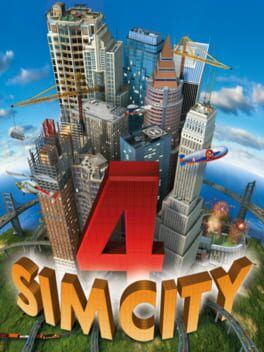
SimCity 4 is a classic city-building sim focused on zoning, utilities, and keeping residents satisfied — sharing Fallout Shelter's satisfaction of expanding and balancing a growing population's needs.
Key difference: Macro city-building; no characters, quests, or survival threats.
Best for: Shelter fans who love optimizing layouts and infrastructure.
Skip if: You want individual character management or any RPG flavor.
The Sims 2 lets you manage the everyday lives of simulated people, fulfilling their needs, building their homes, and steering their relationships — the people-management DNA of Fallout Shelter in a suburban setting.
Key difference: No resource scarcity, combat, or survival threats at all.
Best for: Players who like the human-level nurturing side of Shelter.
Skip if: You want post-apocalyptic tension or strategic resource pressure.
Stardew Valley blends farming resource management with character relationships and light RPG progression, delivering a relaxed loop of growing your operation and caring for your community.
Key difference: Rural farming fantasy, not sci-fi vault management.
Best for: Players who want calm, rewarding resource sim without combat stress.
Skip if: You specifically want colony or population management.
Game Dev Tycoon is a light management tycoon where you grow a small studio, assign staff, manage resources, and watch your operation expand — a gentle, satisfying management loop similar in spirit to Fallout Shelter.
Key difference: Business sim about making games, no survival or sci-fi elements.
Best for: Players who love Shelter's idle tycoon progression in a new context.
Skip if: You need a post-apocalyptic or people-survival setting.
Minecraft's survival mode shares Fallout Shelter's loop of building a shelter, gathering resources, and defending against threats at night, though in a fully open sandbox rather than a managed facility.
Key difference: Fully manual first-person sandbox with no population management.
Best for: Players who want hands-on building and survival rather than oversight.
Skip if: You want to manage a community of NPCs rather than play directly.
Complex interconnected systems demand careful engineering planning.
PC
RimWorld
88%
Simulator, Strategy
Far more complex, brutal, and open-ended than Shelter's accessible idle style.
PC
Sheltered
85%
Role-playing (RPG), Simulator
Darker tone, permadeath risk, and fewer idle mechanics.
PlayStation, PC, Mobile, Xbox, Nintendo
Prison Architect
80%
Simulator, Strategy
Prison administration setting with no sci-fi or survival themes.
PlayStation, PC, Mobile, Xbox, Nintendo
Frostpunk
78%
Simulator, Strategy
Much harsher survival crisis pacing; every decision carries moral weight.
PlayStation, PC, Xbox
This War of Mine
75%
Simulator, Strategy
Much darker, grimmer tone with no base-building fantasy.
PlayStation, PC, Mobile, Xbox
Darkest Dungeon
72%
Role-playing (RPG), Strategy
Turn-based dungeon combat instead of idle automation; much harder.
PlayStation, PC, Mobile, Xbox, Nintendo
Don't Starve
68%
Simulator, Survival
Solo survival action rather than a base full of people to manage.
PlayStation, PC, Xbox, Nintendo
Fallout 4
65%
Role-playing (RPG), Science fiction
Full open-world RPG shooter; settlement mode is just one component.
Xbox, PlayStation, PC
Tropico 6
65%
Simulator, Strategy
Political comedy sandbox with no survival threat or sci-fi setting.
Xbox, PlayStation, PC, Nintendo
Cities: Skylines
62%
Simulator, Strategy
Modern city-building scale with no survival threats or RPG elements.
PC
Fallout 3
60%
Role-playing (RPG), Science fiction
Action RPG with no base or population management.
PlayStation, PC, Xbox
Fallout: New Vegas
60%
Role-playing (RPG), Science fiction
Open-world shooter RPG; you are the sole dweller, not the overseer.
PlayStation, PC, Xbox
SimCity 4
58%
Simulator, Strategy
Macro city-building; no characters, quests, or survival threats.
PC
The Sims 2
58%
Role-playing (RPG), Simulator
No resource scarcity, combat, or survival threats at all.
PC
What Makes a Game Feel Like Fallout Shelter?
The key ingredients are population management (assigning people to roles and watching them work), resource loops (food, power, water, morale), and a sense that your facility could fall apart if you neglect a single system. RimWorld is the gold standard for this in a text-heavy, complex form, while This War of Mine nails the desperation of keeping a small group alive in a hostile world — both capture the tension of every dweller mattering.
Darkest Dungeon focuses on the other half of Shelter's loop: managing a roster of imperfect characters and sending them on dangerous expeditions you cannot fully control. The hamlet management between runs mirrors the vault between raids almost perfectly.
If You Love the Fallout Universe Specifically
Fallout Shelter is a great entry point into the broader Fallout universe. Fallout 4 is the natural next step — it shares the Pip-Boy aesthetic, the same lore, and even a full settlement-building system where you assign settlers to crops and guard posts. Fallout 3 and Fallout: New Vegas take you into the same ruined world from the perspective of the survivor rather than the overseer, delivering dozens of hours of S.P.E.C.I.A.L.-based RPG depth.
Chill Management vs. High-Stakes Survival
Fallout Shelter sits on the relaxed end of management games — it runs while you are away and rarely punishes harshly. If you want to stay in that zone, Game Dev Tycoon and Cities: Skylines share that satisfying low-pressure expansion loop. For players who want the same base-building but with real danger and consequence, Frostpunk and Sheltered ratchet up the stakes considerably — one wrong policy or forgotten resource can doom your entire colony.
Is there a game exactly like Fallout Shelter on PC with more depth?
Oxygen Not Included is the closest match: it's an underground colony manager where you balance air, food, and morale for a group of workers room by room, but with far deeper engineering systems. RimWorld is another top pick if you want emergent storytelling on top of the resource management.
Are there games like Fallout Shelter that are not idle games?
Yes. Prison Architect and Frostpunk remove the idle element entirely and demand active, real-time management decisions. Darkest Dungeon also requires deliberate party and resource decisions without any passive progression.
What should I play after Fallout Shelter if I want the Fallout story?
Start with Fallout 4, which shares Shelter's settlement-building mechanic within a full open-world RPG. Fallout: New Vegas is widely considered the best narrative entry in the series, and Fallout 3 is excellent for exploring the original post-nuclear atmosphere.
Are there mobile games similar to Fallout Shelter?
Sheltered is available on mobile and is structurally the most similar: bunker management, post-apocalyptic setting, resource scarcity, and character assignments. The Sims series on mobile also echoes Shelter's people-management loop in a lighter form.
What makes Fallout Shelter different from a regular city builder?
Fallout Shelter operates at the individual-person level — each dweller has named stats, equipment, and a personal story — whereas most city builders deal with anonymous populations. The closest analogues that keep this personal scale are RimWorld, Oxygen Not Included, and This War of Mine.
 92%
92%