Dwarf Fortress is beloved for its extraordinary systemic depth: a procedurally generated world where dwarves have individual personalities, memories, and moods, where a single cat carrying alcohol on its paws can spiral into a fortress-wide crisis. The game's two modes—Fortress (colony management) and Adventure (roguelike exploration)—both prioritize emergent storytelling over authored narrative, making every run a unique saga told through cascading consequences.
When players ask for "games like Dwarf Fortress," they're usually looking for one or more of these: deep colony simulation with emergent drama, procedurally generated worlds, survival resource management, complex interlocking systems that reward obsessive mastery, or roguelike permadeath. The ideal pick depends on which of those itches needs scratching most.
Top pick:RimWorld is the single closest match: it takes Dwarf Fortress's Fortress Mode DNA—procedural worlds, colonists with individual psychologies, cascading crises, and emergent storytelling—and wraps it in a more approachable (though still demanding) interface, making it the first recommendation for any Dwarf Fortress fan.
Some store buttons are affiliate links — we may earn a commission at no extra cost to you.
RimWorld is the closest spiritual successor to Dwarf Fortress Fortress Mode, casting you as a colony manager on a procedurally generated alien world where colonist moods, relationships, raids, and disasters produce endless emergent storytelling.
Key difference: Sci-fi setting with a more accessible UI and authored event director.
Best for: Anyone who loves DF Fortress Mode and wants a more approachable version.
Skip if: You want pure fantasy or the extreme ASCII depth of Dwarf Fortress.
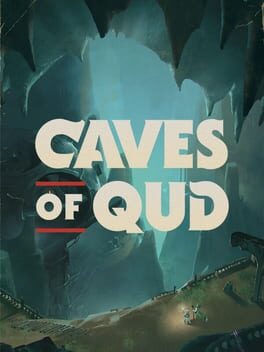
Caves of Qud is a deeply simulated fantasy roguelike with procedurally generated worlds, mutation-based character building, and emergent lore—essentially Dwarf Fortress's adventure mode taken to its logical extreme.
Key difference: Pure roguelike focus; no colony or fortress management mode.
Best for: DF adventure-mode fans who want even deeper roguelike simulation.
Skip if: You dislike ASCII/retro visuals and steep learning curves.
Kenshi is an open-world colony survival sim in a brutal post-apocalyptic fantasy setting where you build squads, construct bases, manage needs, and navigate emergent faction conflicts—the emergent storytelling directly mirrors DF.
Key difference: Post-apocalyptic/anime aesthetic; real-time rather than turn-based.
Best for: DF players who want a 3D open-world colony sim with brutal survival stakes.
Skip if: You want pure fantasy dwarves or the deep systemic precision of DF.
Minecraft shares Dwarf Fortress's procedurally generated fantasy sandbox with deep resource extraction, underground construction, and survival. Both reward players who build elaborate underground fortresses layer by layer.
Key difference: Far simpler systems; no colony AI or emergent dwarf psychology.
Best for: Those who want DF's building loop with an accessible entry point.
Skip if: You crave complex colony simulation and emergent storytelling.
Oxygen Not Included tasks you with managing a subterranean colony of duplicants with individual needs, stress, and skills, simulating gas, liquid, heat, and power systems with the same interconnected depth as Dwarf Fortress.
Key difference: Sci-fi space-station setting with hard physics simulation.
Best for: DF Fortress Mode fans who love cascading simulation failures.
Skip if: You want a fantasy setting or adventure/exploration mode.
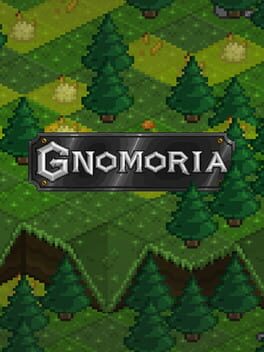
Gnomoria is a direct Dwarf Fortress-inspired colony management game with dwarven-style workers, fortress excavation, resource management, and goblin raids—immediately recognizable to any DF veteran.
Key difference: Much shallower simulation; less emergent depth than Dwarf Fortress.
Best for: DF fans wanting a gentler on-ramp with a very similar structure.
Skip if: You want the full depth and complexity of Dwarf Fortress itself.
Terraria packs in procedural world generation, underground exploration, resource gathering, and fortress-style base building alongside deep crafting trees and survival in a fantasy setting. Its late-game complexity rivals DF's layered systems.
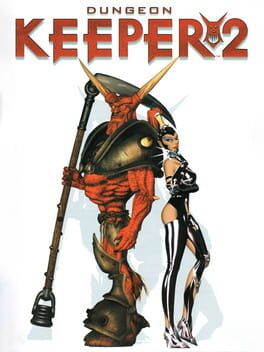
Dungeon Keeper 2 flips the fortress-building loop: you dig out a subterranean dungeon, attract creature workers with distinct needs and moods, and defend against hero raids—a clear spiritual ancestor to Dwarf Fortress's design.
Key difference: Real-time RTS management with humor and a villain perspective.
Best for: DF fans who want a lighter, real-time dungeon-building classic.
Skip if: You require deep simulation fidelity or modern graphics.
Prison Architect translates Dwarf Fortress's fortress management loop into a prison-building simulator, where managing inmate needs, staff logistics, and cascading crises produces the same emergent chaos DF fans love.
Key difference: Modern setting, no fantasy or combat; pure management sim.
Best for: DF players drawn to the colony management and crisis-response loop.
Skip if: You need fantasy, combat, or procedurally generated worlds.
Factorio is a deep factory-building simulation with resource chains, automation, and base defense that rewards the same systemic thinking and obsessive optimization that Dwarf Fortress demands.
Key difference: Sci-fi automation; no individual actor simulation or fantasy setting.
Best for: DF engineers who love optimizing interconnected resource systems.
Skip if: You need emergent storytelling, RPG elements, or fantasy themes.
Civilization V's 4X loop—explore, expand, exploit, exterminate—in a turn-based strategy framework maps directly onto part of Dwarf Fortress's DNA, with procedurally generated maps and complex interlocking systems of diplomacy, economy, and warfare.
Key difference: Top-down empire management, not colony-level dwarf simulation.
Best for: Players who love DF's strategic layer and procedural maps at a grander scale.
Skip if: You want individual unit/citizen simulation depth.
Civilization IV adds religion, culture, and civic systems that layer even more complexity onto the 4X formula, offering the kind of interlocking strategic depth Dwarf Fortress fans appreciate.
Key difference: Older, empire-scale; no individual actor simulation.
Best for: DF fans who prefer deeper ideological systems over raw colony sim.
Skip if: You require modern UI or real-time simulation elements.
Heroes of Might and Magic III: The Restoration of Erathia 1999
Heroes of Might and Magic III is a beloved turn-based fantasy strategy game with town building, resource management, and procedurally generated maps. Managing a growing castle economy echoes fortress-building in DF.
Key difference: Combat is hero/army-based, not individual dwarf simulation.
Best for: Fantasy strategy fans who love turn-based planning and map exploration.
Skip if: You need emergent narrative or colony-level depth.
PC
54%
Heroes of Might and Magic V 2006
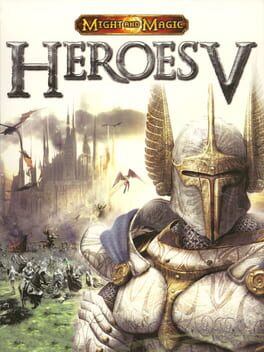
Heroes of Might and Magic V modernizes the formula with 3D graphics while keeping the fantasy TBS town-building and resource management loop that resonates with Dwarf Fortress's strategic skeleton.
Key difference: Less emergent depth; scripted campaigns available alongside random maps.
Best for: Players wanting a polished, more modern HoMM3-style experience.
Skip if: You dislike army-vs-army tactics divorced from individual simulation.
Stardew Valley is a deep simulation game where you build and manage a farm, craft items, mine underground, and tend community relationships—sharing DF's loop of building something from scratch through layered resource systems.
Key difference: Relaxed, no permadeath; no fortress or colony management.
Best for: Players who want DF's satisfying build-and-manage loop without brutal difficulty.
Skip if: You need complexity, failure stakes, or emergent storytelling.
Cities: Skylines is a deep city-builder/simulator where managing infrastructure, needs, and cascading systems produces emergent chaos—the same satisfaction DF delivers when your outpost spirals out of control.
Key difference: Modern city builder; no fantasy, no combat, no dwarves.
Best for: Players drawn to DF's city simulation and infrastructure planning.
Skip if: You want fantasy, survival stakes, or roguelike permadeath.
Pillars of Eternity features a richly simulated fantasy world with deep party management, lore-dense worldbuilding, and Infinity Engine-style tactical combat—matching DF's emphasis on fantasy depth and systemic complexity.
Key difference: Party RPG with authored story; no sandbox construction or colony management.
Best for: DF fans who love the adventure mode and deep fantasy lore.
Skip if: You need procedural generation and open-ended sandbox play.
Baldur's Gate II delivers one of the most complex, deep fantasy RPG systems ever made, with party management and emergent tactical encounters that appeal to the same audience that loves Dwarf Fortress's adventure mode.
Key difference: Linear authored campaign; no construction or colony simulation.
Best for: DF adventure-mode fans who crave deep narrative and tactical systems.
Skip if: You primarily enjoy fortress building and colony management.
PC
47%💎 Gem
The Elder Scrolls III: Morrowind 2002
Morrowind is an open-world fantasy RPG with extraordinary systemic depth—skills, factions, economy—and a hand-crafted but remarkably emergent world that rewards the same obsessive mastery DF players bring.
Key difference: First-person RPG; no colony or construction systems.
Best for: DF adventurers who want a rich, deep fantasy world to explore and master.
Skip if: You dislike slow-paced, text-heavy old-school RPG systems.
Spore cycles through evolution, creature building, tribal management, and a full 4X space-age phase—its sandbox 4X DNA directly overlaps with Dwarf Fortress's explore/expand/exploit themes across multiple scales.
Key difference: Shallow in each phase; no deep simulation of individual actors.
Best for: Players who enjoy DF's breadth of scale but want lighter, more playful systems.
Skip if: You need deep, interlocking simulation mechanics.
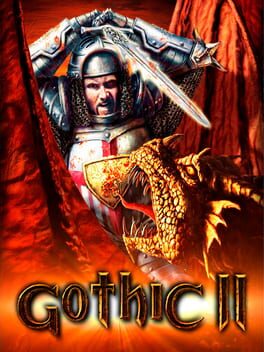
Gothic II is a deeply systemic open-world fantasy RPG where survival, faction dynamics, and a richly simulated NPC world create emergent gameplay loops that evoke Dwarf Fortress's adventure mode spirit.
Key difference: Third-person action RPG; no fortress building or colony sim.
Best for: DF fans who love the adventure mode's survival and faction depth.
Skip if: You dislike clunky older controls or authored RPG progression.
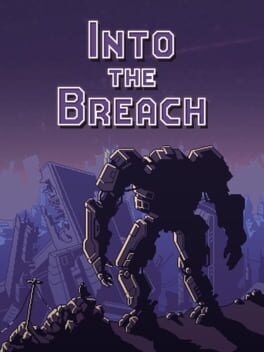
Into the Breach is a tightly designed turn-based strategy/puzzle game with roguelike permadeath and procedurally varied runs—sharing DF's love of complex systems, careful planning, and accepting failure as part of mastery.
Key difference: Tiny tactical scope; no base building or simulation systems.
Best for: Players who appreciate DF's TBS and roguelike elements in a tight package.
Skip if: You need grand scale, open-ended sandboxes, or colony depth.
Rogue Legacy is a roguelike platformer with permadeath runs, character legacy systems, and a fantasy setting—capturing the 'embrace failure, learn the systems' ethos that defines the Dwarf Fortress experience.
Key difference: Platformer action combat; no simulation or construction mechanics.
Best for: DF players who want a roguelike fix with accessible mechanics.
Skip if: You want colony management or deep emergent simulation.
Animal Crossing: New Horizons is a slow-burn simulation sandbox where you build and manage an island community, gather resources, and watch systems evolve over real time—sharing DF's cozy 'build something from nothing' appeal.
Key difference: Zero stakes, no failure, no combat; extremely casual pacing.
Best for: DF fans who want relaxed colony building without crushing complexity.
Skip if: You want deep simulation, emergent drama, or permadeath stakes.
Real-time RTS management with humor and a villain perspective.
PC
Prison Architect
68%
Simulator, Strategy
Modern setting, no fantasy or combat; pure management sim.
PlayStation, PC, Mobile, Xbox, Nintendo
Factorio
65%
Simulator, Strategy
Sci-fi automation; no individual actor simulation or fantasy setting.
PC, Nintendo
Sid Meier's Civilization V
60%
Simulator, Strategy
Top-down empire management, not colony-level dwarf simulation.
PC
Sid Meier's Civilization IV
58%
Simulator, Strategy
Older, empire-scale; no individual actor simulation.
PC
Heroes of Might and Magic III: The Restoration of Erathia
57%
Role-playing (RPG), Strategy
Combat is hero/army-based, not individual dwarf simulation.
PC
Heroes of Might and Magic V
54%
Role-playing (RPG), Strategy
Less emergent depth; scripted campaigns available alongside random maps.
PC
Stardew Valley
54%
Role-playing (RPG), Simulator
Relaxed, no permadeath; no fortress or colony management.
PlayStation, PC, Nintendo, Mobile, Xbox
What Makes a Game Feel Like Dwarf Fortress?
The core of Dwarf Fortress's appeal isn't just complexity—it's emergent storytelling through simulation. Every system (needs, moods, injuries, relationships, resource chains) interacts with every other, producing stories nobody designed. Games that replicate this feel must have deep, interlocking systems where failure is meaningful and interesting rather than just punishing. Minecraft and Terraria come closest from the candidate pool, delivering procedurally generated worlds and layered resource/construction loops; for the pure colony-sim dimension, the canonical picks—RimWorld, Oxygen Not Included, and Kenshi—are essential.
The turn-based strategy angle is well-served by Civilization V and Heroes of Might and Magic III, both of which reward the same long-term planning and systemic thinking DF demands, even if they lack individual-actor simulation depth.
Best Picks for Dwarf Fortress's Adventure Mode
Dwarf Fortress's Adventure Mode is essentially a deep roguelike set in a fully simulated fantasy world. Caves of Qud (not in the candidate pool but highly recommended) is its closest spiritual sibling, offering the same emergent world simulation in a pure roguelike frame. From the candidate pool, Morrowind and Gothic II stand out as hidden gems—both feature richly systemic open fantasy worlds where NPC schedules, faction dynamics, and survival pressures create the illusion of a living world that DF adventure players crave. Pillars of Eternity and Baldur's Gate II satisfy the deep tactical fantasy RPG angle for those who want authored depth alongside systemic complexity.
If You Want the Colony-Builder Loop Without the Learning Cliff
Dwarf Fortress's learning curve is infamous. For players who want the satisfaction of building and managing a growing community without reading a wiki for 20 hours, Stardew Valley offers a gentler simulation loop centered on farm and community building. Cities: Skylines delivers the infrastructure and crisis-management satisfaction of running a complex settlement at city scale. And Animal Crossing: New Horizons is the lightest possible entry point—the zero-stakes version of building something from nothing, community by community. For those ready to take a step up in complexity, Prison Architect and RimWorld are the natural next rungs on the ladder toward full Dwarf Fortress mastery.
RimWorld is widely considered the closest equivalent, replicating Dwarf Fortress's colony-simulation and emergent-storytelling loop in a more accessible sci-fi framework. Caves of Qud is the closest match for the Adventure Mode roguelike experience.
Is there a Dwarf Fortress with better graphics?
Yes—RimWorld, Kenshi, and Oxygen Not Included all offer colony simulation gameplay comparable to Dwarf Fortress with modern graphical interfaces. The Steam release of Dwarf Fortress itself also now includes an official graphical tileset.
Is Minecraft similar to Dwarf Fortress?
Partially. Both feature procedural world generation, underground resource extraction, and open-ended construction in a fantasy setting. However, Minecraft lacks Dwarf Fortress's deep colony simulation—individual actor moods, emergent storytelling, and cascading systemic crises are absent.
What should I play if I like Dwarf Fortress Fortress Mode specifically?
RimWorld, Oxygen Not Included, Gnomoria, and Prison Architect are the strongest Fortress Mode equivalents, each emphasizing colony management, individual actor needs, resource chains, and crisis response in their own settings.
Are there any Dwarf Fortress alternatives that are easier to learn?
Stardew Valley and Cities: Skylines offer simulation management gameplay with far more accessible interfaces. RimWorld is more complex but includes a tutorial and has a much shallower initial learning curve than Dwarf Fortress despite its depth.
 95%
95%