XCOM 2 is loved for its two-layered loop: a tense turn-based tactical layer where every soldier move could mean permanent death, and a strategic base layer where research, resources, and mission selection build mounting pressure against an alien clock. The combination of permadeath, squad customization, and the constant feeling of being outgunned creates a kind of anxious mastery few games match.
When someone asks for "games like XCOM 2," they usually want at least one of two things: the deliberate, chess-like tension of turn-based squad combat where positioning and ability timing matter enormously, or the strategic campaign layer of managing limited resources under a ticking global threat. The best recommendations deliver one or both.
Top pick:XCOM: Enemy Unknown is the single closest pick — it is literally the same game's direct ancestor, with identical squad tactics, base research, permadeath, and alien-invasion stakes, making it essential for any XCOM 2 fan who hasn't gone back to see where it all started.
Some store buttons are affiliate links — we may earn a commission at no extra cost to you.
The direct predecessor and template for XCOM 2, sharing identical squad-based turn-based combat, base management, research trees, and permadeath. Nearly everything that makes XCOM 2 great is present here.
Key difference: No time-pressure missions; aliens rule rather than resist.
Best for: Players who want to start at the beginning of the story.
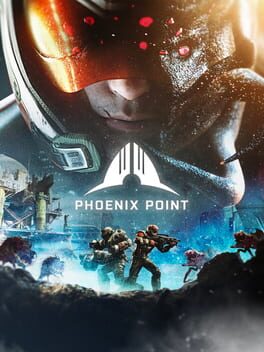
Created by XCOM's original designer Julian Gollop, Phoenix Point uses nearly identical turn-based squad tactics and a global strategic map fighting alien mutations — it is the most direct spiritual successor to XCOM 2 available.
Key difference: Body-part targeting system and multiple factions complicate decisions.
Best for: XCOM 2 veterans who want fresh mechanics on the same framework.
Skip if: You want a polished, less rough-edged tactical experience.
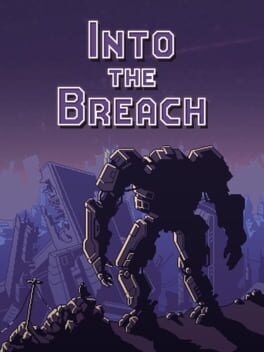
Into the Breach is a perfect-information turn-based tactics game where a tiny squad of mechs defends cities against alien bugs — every decision is surgical and consequential, just like XCOM 2 combat but distilled to its purest form.
Key difference: No base management layer; extremely short missions with full information.
Best for: XCOM fans who want pure turn-based tactical puzzles.
Skip if: You want long campaigns with soldier progression and permadeath attachment.
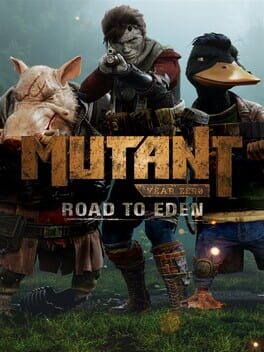
Mutant Year Zero blends XCOM-style turn-based squad tactics with real-time stealth scouting on post-apocalyptic maps, using a small squad of mutant characters with permanent upgrade paths.
Key difference: Real-time stealth phase precedes each combat encounter.
Best for: XCOM players who want a strong narrative and character personality.
Skip if: You dislike linear level design or want procedural missions.
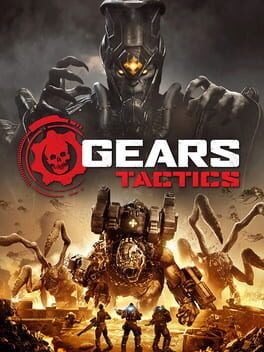
Gears Tactics transplants XCOM 2's three-action-point squad format into a cover-shooter sci-fi world with enormous enemies and aggressive combat pacing — it was explicitly designed to feel like XCOM but faster.
Key difference: More aggressive, faster combat; lighter base-management layer.
Best for: XCOM 2 fans who want the same combat loop with a meatier action feel.
Skip if: You want deep base strategy or permadeath emotional investment.
Baldur's Gate 3 shares XCOM 2's action-point turn-based tactical combat and deep party customization, rewarding positioning, flanking, and environmental manipulation. The stakes-per-decision feel is very similar.
Key difference: Fantasy D&D setting; far more narrative and dialogue depth.
Best for: Those who want richer story and character writing alongside tactics.
Skip if: You dislike dense RPG systems or fantasy themes.
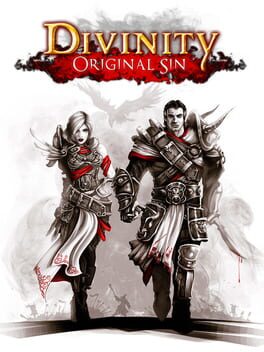
Divinity: Original Sin features fully turn-based tactical combat with action points, elemental combos, and squad customization that scratches a very similar itch to XCOM 2's combat layer.
Key difference: Fantasy setting; no base management or strategic world map.
Best for: Players who love the combat but want more RPG depth.
Skip if: You need a sci-fi or permadeath structure.
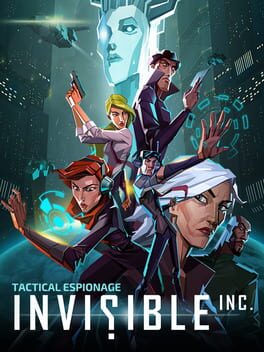
Invisible, Inc. is a turn-based stealth tactics game from Klei Entertainment where you manage a tiny team of agents on procedurally generated corporate-espionage missions under escalating alert timers — the tension mirrors XCOM 2's concealment and timer mechanics exactly.
Key difference: Pure stealth-infiltration; no firefights or overt combat encouraged.
Best for: XCOM fans who loved the concealment and timer-pressure missions.
Skip if: You prefer direct combat over sneaky extraction gameplay.
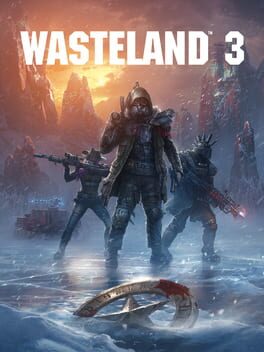
Wasteland 3 is a post-apocalyptic turn-based tactical RPG with squad customization, base upgrades, and meaningful mission choices that carry campaign-long consequences, matching XCOM 2's weight of decision.
Key difference: Much heavier narrative RPG systems and dialogue choices.
Best for: XCOM fans who want deep tactical RPG storytelling.
Skip if: You want clean sci-fi aesthetics or fast mission loops.
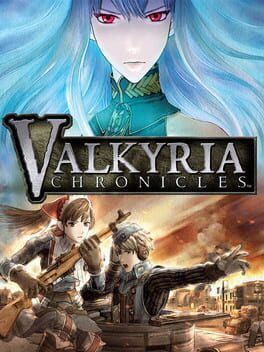
Valkyria Chronicles blends turn-based strategy with real-time movement across large wartime maps, features unit permadeath, squad bonding mechanics, and a campaign of escalating tactical missions.
Key difference: WWII-inspired setting; movement in real-time third person once activated.
Best for: XCOM fans who want permadeath attachment and squad narrative.
Skip if: You want top-down grid movement and pure sci-fi themes.
FTL is a sci-fi roguelike with real resource management, crew permadeath, and a strategic layer of decisions between encounters — the tension of losing a valued crew member echoes XCOM 2 painfully well.
Key difference: Real-time-with-pause ship combat instead of ground-based TBS.
Best for: Those who love XCOM 2's resource scarcity and roguelike structure.
Skip if: You need squad-level boots-on-the-ground tactical gameplay.
Dragon Age: Origins features a pausable tactical combat system with a small squad of specialists whose positioning and ability timing matter greatly — the closest any action-RPG comes to XCOM's deliberate pace.
Key difference: Real-time-with-pause rather than discrete turns; fantasy setting.
Best for: Players who want deep squad tactics wrapped in a narrative RPG.
Skip if: You demand strict turn-based play or sci-fi themes.
Civilization V is a turn-based strategy game with a global-scale resource economy, research trees, and tactical unit combat on a hex grid — the strategic half of XCOM 2 rendered at civilization scale.
Key difference: 4X empire building; no squad-level tactical missions or permadeath.
Best for: Players who love XCOM 2's research and strategic planning layer.
Skip if: You want intimate squad tactics over macro empire management.
Civilization VI refines the hex-grid turn-based formula further, adding district planning and more tactical warfare variety — deeply strategic in the same patient, planning-heavy spirit as XCOM 2.
Key difference: Civilization-scale 4X; no permadeath or squad management.
Best for: Those who prefer macro strategy over tactical ground combat.
Skip if: You want sci-fi squad missions with personal soldier stories.
KOTOR uses a turn-based combat engine (d20 under the hood) with a three-person squad in a sci-fi setting, and has meaningful upgrade decisions per party member that echo XCOM 2's soldier progression.
Key difference: Story-driven linear RPG; no base management or permadeath.
Best for: XCOM fans who want a rich narrative alongside sci-fi tactics.
Skip if: You need the strategic layer and procedural mission variety.
Mass Effect 2 is a squad-based sci-fi game where managing crew loyalty, upgrading the ship, and choosing the right specialist for each mission mirrors XCOM 2's strategic layer in narrative form.
Key difference: Real-time cover shooter; no turn-based tactical combat grid.
Best for: XCOM fans drawn to squad camaraderie and sci-fi world stakes.
Skip if: You specifically want discrete turns and tactical positioning.
Mass Effect 3 escalates the alien-invasion resistance stakes to a galaxy-wide effort, blending squad combat with base resource management (war assets) in ways that thematically parallel XCOM 2.
Key difference: Action-shooter combat rather than turn-based; heavier narrative focus.
Best for: Those who want XCOM 2's emotional stakes in a cinematic RPG.
Skip if: You require turn-based tactics or permadeath tension.
Dragon Age: Inquisition includes a war-table strategic layer and tactical combat mode that partially mirrors XCOM 2's dual-layer loop of base management plus mission deployment.
Key difference: Fantasy open world; tactical depth much shallower than XCOM 2.
Best for: Those wanting story-rich tactical RPG with base management flavor.
Skip if: You want deep, consequence-heavy turn-based combat.
Persona 5 features structured turn-based tactical combat with a 'headquarters' loop (Leblanc/Velvet Room) for resource management and character progression, plus a day-planner meta layer that echoes XCOM 2's strategic phase.
Key difference: JRPG style; anime aesthetic and social sim elements, no permadeath.
Best for: XCOM fans who want turn-based tactics plus meaningful base downtime.
Skip if: You dislike anime aesthetics or lengthy narrative cutscenes.
Stellaris is a sci-fi grand strategy game built on turn-like pacing, research trees, and managing an empire against alien threats — the macro-strategic soul of XCOM 2 at galactic scale.
Key difference: Real-time grand strategy; no tactical squad-level combat missions.
Best for: Players who loved XCOM 2's research pacing and alien-threat escalation.
Skip if: You want boots-on-the-ground squad tactics and soldier stories.
StarCraft II shares the alien-resistance sci-fi theme and mission-based campaign with base upgrades between sorties, making it a spiritual cousin on the strategic side, though its combat is real-time.
Key difference: Real-time strategy; no individual soldier permadeath or turn-based play.
Best for: Those who want sci-fi resource management and alien-fighting campaigns.
Skip if: You need turn-based tactics or personal soldier attachment.
No time-pressure missions; aliens rule rather than resist.
PlayStation, PC, Mobile, Xbox
Phoenix Point
92%
Role-playing (RPG), Simulator
Body-part targeting system and multiple factions complicate decisions.
PC
Into the Breach
90%
Role-playing (RPG), Simulator
No base management layer; extremely short missions with full information.
PC, Mobile, Nintendo
Mutant Year Zero: Road to Eden
88%
Role-playing (RPG), Strategy
Real-time stealth phase precedes each combat encounter.
PlayStation, PC, Xbox, Nintendo
Gears Tactics
85%
Strategy, Turn-based strategy (TBS)
More aggressive, faster combat; lighter base-management layer.
Xbox, PC
Baldur's Gate III
84%
Role-playing (RPG), Strategy
Fantasy D&D setting; far more narrative and dialogue depth.
Xbox, PC, PlayStation
Divinity: Original Sin
82%
Role-playing (RPG), Turn-based strategy (TBS)
Fantasy setting; no base management or strategic world map.
PC
Invisible, Inc.
82%
Strategy, Turn-based strategy (TBS)
Pure stealth-infiltration; no firefights or overt combat encouraged.
PlayStation, PC, Mobile, Nintendo
Wasteland 3
80%
Role-playing (RPG), Strategy
Much heavier narrative RPG systems and dialogue choices.
PlayStation, PC, Xbox
Valkyria Chronicles
76%
Role-playing (RPG), Strategy
WWII-inspired setting; movement in real-time third person once activated.
PlayStation
FTL: Faster Than Light
72%
Role-playing (RPG), Simulator
Real-time-with-pause ship combat instead of ground-based TBS.
PC, Mobile
Dragon Age: Origins
68%
Role-playing (RPG)
Real-time-with-pause rather than discrete turns; fantasy setting.
PlayStation, PC, Xbox
Sid Meier's Civilization V
64%
Simulator, Strategy
4X empire building; no squad-level tactical missions or permadeath.
PC
Sid Meier's Civilization VI
63%
Simulator, Strategy
Civilization-scale 4X; no permadeath or squad management.
PlayStation, PC, Mobile, Xbox, Nintendo
Star Wars: Knights of the Old Republic
62%
Role-playing (RPG), Science fiction
Story-driven linear RPG; no base management or permadeath.
Xbox, Mobile, PC, Nintendo
What makes a game truly feel like XCOM 2?
The defining feel of XCOM 2 comes from three things working together: turn-based combat where every action point matters, a permadeath system that makes you emotionally invest in named soldiers, and a strategic base layer that creates constant resource tension. Very few games nail all three — Baldur's Gate 3 and Divinity: Original Sin get the tactical combat closest, while FTL: Faster Than Light best captures the roguelike resource-scarcity dread of the Avenger's strategic layer.
The missing canonical picks — particularly Phoenix Point and Gears Tactics — are purpose-built to recreate that exact three-part formula, and should be your first stops if you've exhausted XCOM 2 and its predecessor.
Best picks if you love the sci-fi resistance story
XCOM 2's narrative of a scrappy resistance fighting back against occupying alien overlords resonates beyond its mechanics. Mass Effect 2 captures the squad-loyalty angle most powerfully — gathering specialists, earning their trust, and deploying them on a desperate final mission. StarCraft II: Wings of Liberty mirrors the campaign structure of upgrading your base between resistance missions, with a similarly grim sci-fi atmosphere of humanity against overwhelming alien odds.
If you want turn-based tactics with deeper RPG systems
Baldur's Gate 3 is the strongest upgrade if you want the tactical combat made richer — its action-economy, surface hazards, and shove-into-chasm chaos often feel more creative than even XCOM 2's best moments. For something between pure tactics and full open-world RPG, Dragon Age: Origins on PC with tactical mode engaged rewards the same deliberate, ability-timed thinking that defines XCOM 2 combat, wrapped in a party-management campaign you can sink 80 hours into.
Is XCOM: Enemy Unknown worth playing if I've already finished XCOM 2?
Yes — Enemy Unknown is the direct predecessor with the same core loop, and the expansion (Enemy Within) adds considerable variety. XCOM 2 improves nearly every system, but Enemy Unknown has its own campaign arc and the original alien-mystery feeling worth experiencing.
What game is most similar to XCOM 2's tactical combat specifically?
Phoenix Point (not in this pool but listed in additional picks) is the closest tactical match, created by the original XCOM designer. From mainstream titles, Baldur's Gate 3 and Divinity: Original Sin best replicate the action-point turn-based squad combat.
Are there any XCOM 2 alternatives with the same permadeath tension?
FTL: Faster Than Light has the closest permadeath emotional weight — losing a named crew member you've kept alive for hours stings exactly like losing a Colonel in XCOM 2. Mutant Year Zero also uses named squad members with permanent death in a similar tactical framework.
Does Civilization VI scratch the same itch as XCOM 2?
Partially — Civilization VI shares the turn-based pacing, research tree, and strategic planning satisfaction. But it lacks squad-level tactical combat and permadeath, so it's a better fit for players who love XCOM 2's strategic layer over its ground missions.
What should I play if I love XCOM 2 but want a stronger story?
Mass Effect 2 is the best pivot — it keeps the squad-of-specialists formula and desperate sci-fi stakes but wraps it in a richly written narrative with memorable characters. Dragon Age: Inquisition also adds a more elaborated story campaign with some tactical combat elements.
 98%
98%