Fire Emblem (2003) built its devoted following on the tension of grid-based turn-based tactical combat where every named character can die permanently — a weapon triangle that rewards type matchups, and a cast of companions whose relationships deepen through optional support conversations. Losing a cherished unit to a careless move stings in a way few games match.
When fans ask for "games like Fire Emblem," they're really looking for that combination of thoughtful positional tactics, meaningful permadeath stakes, and emotional investment in a named cast — ideally wrapped in a fantasy narrative with class-based units and a rock-paper-scissors counter system. The best picks below share at least one of those pillars, with the top recommendations hitting most of them.
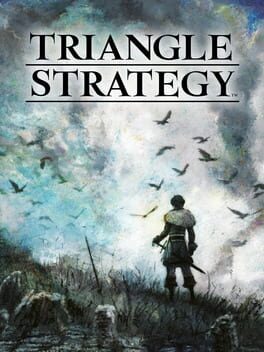
Top pick:Triangle Strategy is the single closest modern match: it uses a near-identical grid-based tactical RPG system with height and terrain advantages, unit-type counters, and a sweeping medieval fantasy political story — if you loved the 2003 Fire Emblem, Triangle Strategy is the first game to play next.
Some store buttons are affiliate links — we may earn a commission at no extra cost to you.
21 games like Fire Emblem
99%
Fire Emblem: Three Houses 2019
Fire Emblem: Three Houses is a direct series successor sharing the same grid-based tactical combat, permadeath (Classic mode), weapon triangle mechanics, and deep character-bond system. It expands the formula with a school-life management layer between battles.
Key difference: Academy phase adds teaching/social sim between battles.
Best for: Anyone wanting the full modern Fire Emblem experience.
Skip if: You want a portable GBA-era tight experience.
Fire Emblem Awakening revived the series on 3DS with the same grid-based permadeath tactical RPG core, support conversations, and unit pairing mechanics. Its marriage and child-unit system deepens character investment.
Key difference: Pair-Up mechanic and marriageable units add new depth.
Best for: GBA Fire Emblem fans wanting a direct evolution.
Skip if: You dislike modern optional casualisation (Casual mode).
Final Fantasy Tactics is the closest structural sibling to Fire Emblem on this list: grid-based turn-based tactical battles, a deep class/job system, named characters with permadeath risk, and a sweeping medieval fantasy political narrative.
Key difference: Job-class system replaces weapon triangle; darker political tone.
Best for: Any Fire Emblem fan — this is the benchmark alternative.
Skip if: You want frequent character dialogue/relationship scenes.
PlayStation
92%
Triangle Strategy 2024
Triangle Strategy is a modern grid-based tactical RPG from Square Enix with named units, weapon and unit-type counters, height-terrain advantage, and a politically complex fantasy narrative with branching decisions — nearly identical to Fire Emblem's formula.
Key difference: Political vote mechanic shapes story; no character support bonds.
Best for: Fire Emblem fans wanting a premium modern HD-2D equivalent.
Skip if: You want character relationship/romance systems.
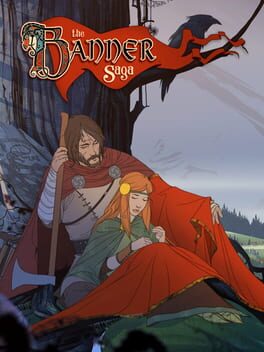
The Banner Saga uses grid-based turn-based tactical combat with named units who can die permanently, Viking-fantasy setting, and a narrative where your choices carry lasting consequences — extremely close to Fire Emblem's DNA.
Key difference: No fantasy magic or weapon triangle; Norse aesthetic.
Best for: Fans who prioritise permadeath stakes and story weight.
Skip if: You need character relationship/support systems.
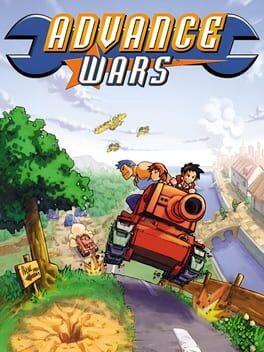
Made by the same developer (Intelligent Systems), Advance Wars uses identical grid-based turn-based tactical combat with unit type matchups in a military setting — effectively Fire Emblem without the RPG character-levelling.
Key difference: No permadeath or character stories; military-modern aesthetic.
Best for: Players who want pure Fire Emblem-style tactics, less narrative.
Skip if: You play Fire Emblem primarily for the character bonds.
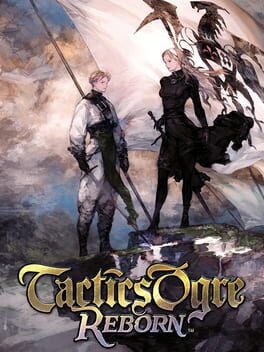
Tactics Ogre: Reborn is the remaster of the seminal grid-based tactical RPG that defined the genre alongside Fire Emblem, featuring permadeath, class systems, morally complex choices, and medieval fantasy warfare.
Key difference: Heavier political branching narrative; denser mechanical complexity.
Best for: Hardcore Fire Emblem fans wanting the deepest tactics RPG.
Skip if: You want a gentler entry point with clear character personalities.
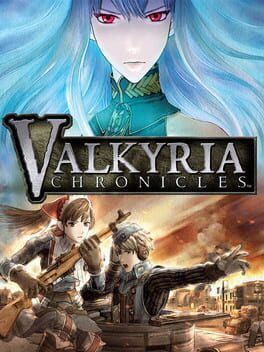
Valkyria Chronicles blends real-time movement with turn-based tactical phases, named characters with permadeath, class-based unit counters, and a story-heavy WWII-fantasy setting — a direct spiritual cousin to Fire Emblem.
Key difference: Real-time execution phase instead of pure grid turns.
Best for: Fire Emblem fans open to a hybrid real-time/turn-based system.
Skip if: You want pure grid-based turn-based mechanics.
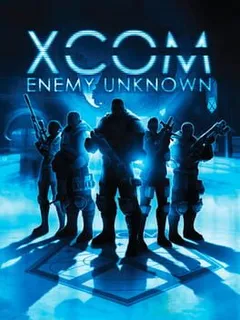
XCOM: Enemy Unknown brings grid-based turn-based tactical combat with true permadeath for named soldiers you've levelled up — the emotional attachment to units and fear of losing them mirrors Fire Emblem directly.
Key difference: Sci-fi alien invasion; base management meta-layer.
Best for: Players who love Fire Emblem's permadeath tension.
Skip if: You want a fantasy narrative with anime-style characters.
Baldur's Gate III is a party-based turn-based tactical RPG on a grid with deep character customisation, heavy narrative, and permanent consequences — scratching the same tactical-RPG-with-story itch.
Key difference: D&D ruleset, no permadeath pressure by default, 3D.
Best for: Players wanting the deepest modern tactical RPG narrative.
Skip if: You want anime-style characters and a weapon triangle.
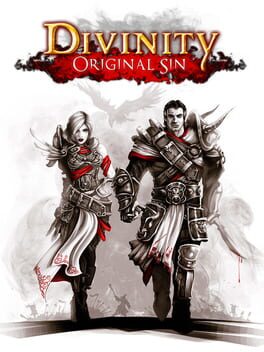
Divinity: Original Sin features grid-based turn-based tactical combat with elemental synergies, party management, and a rich fantasy world — the combat puzzle feel parallels Fire Emblem's positional strategy.
Key difference: Emphasis on environmental elemental combos over unit types.
Best for: Players craving deep tactical grid combat with co-op option.
Skip if: You want anime storytelling and character bonds.
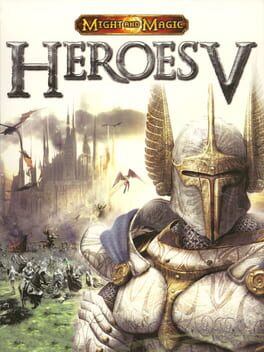
Heroes of Might and Magic V blends turn-based strategy and RPG with unit-type counters and hero levelling in a fantasy warfare setting, echoing Fire Emblem's army management and class diversity.
Key difference: 4X map layer and no individual named unit permadeath.
Best for: Players who love Fire Emblem's army-building strategic side.
Skip if: You care about individual character stories.
Dragon Age: Origins features a pausable-tactical party RPG with a deep fantasy narrative, origin stories for each companion, and a class/ability system that rewards positional thinking.
Key difference: Real-time-with-pause rather than strict turn-based grid.
Best for: Story-first players who love companion relationships.
Persona 5's Social Link system — deepening bonds with named party members that strengthen combat — mirrors Fire Emblem's support conversations directly, wrapped in stylish turn-based JRPG battles.
Key difference: Modern school setting; no grid tactical positioning.
Best for: Players who loved Fire Emblem's character-relationship systems.
Skip if: You want grid movement and unit type matchups.
Dragon Age: Inquisition offers tactical party RPG combat with a dedicated overhead tactics mode, character approval systems echoing Fire Emblem's supports, and a large fantasy warfare narrative.
Key difference: Open-world exploration dominates over tactical battles.
Best for: Fans of Fire Emblem's companion writing over its mechanics.
Skip if: You want tight grid-based battles over exploration.
KOTOR uses a turn-based (Initiative-roll) party RPG system with squad management, deep character stories, and moral choices that affect the narrative — spiritually close to Fire Emblem's character-driven tactical RPG structure.
Key difference: Sci-fi Star Wars setting; dice-based combat resolution.
Best for: Players who loved Fire Emblem's character depth and story.
Skip if: You need grid-based tactical positioning.
Baldur's Gate II is a party-based tactical RPG with deep character customisation, a rich fantasy world, and strategic real-time-with-pause combat demanding careful positioning and class synergy.
Key difference: Pausable real-time combat; much longer campaign.
Best for: Players who want classic deep-RPG storytelling with tactics.
Skip if: You want a snappy modern grid-based system.
PC
50%
Pillars of Eternity 2015
Pillars of Eternity is a pausable-tactical party RPG in a rich original fantasy setting, with deep lore, class customisation, and companion stories reminiscent of Fire Emblem's cast writing.
Key difference: Real-time-with-pause; isometric CRPG, not grid TBS.
Best for: Fans of Fire Emblem's worldbuilding and party writing.
Chrono Trigger is a beloved JRPG with a tight cast of named characters, turn-based combat, and a fantasy/sci-fi narrative — the story investment and character bonds align with Fire Emblem's appeal.
Key difference: No tactical grid; ATB combat system, no permadeath.
Best for: Fire Emblem fans who want a classic JRPG story.
Skip if: You primarily love Fire Emblem for its tactical depth.
Planescape: Torment is a party RPG with turn-based combat and extraordinary character writing; its companion relationships and consequential narrative parallel Fire Emblem's emotional stakes around named characters.
Fallout 2 uses a grid-based turn-based AP combat system with squad management and permanent consequences — mechanically adjacent to Fire Emblem's tactical turn-based roots in a post-apocalyptic setting.
Key difference: Post-nuclear satire setting; free-roam open world.
Best for: Players who want grid turn-based combat with deep RPG freedom.
Skip if: You want anime-style fantasy and character relationships.
Academy phase adds teaching/social sim between battles.
Nintendo
Fire Emblem Awakening
98%
Role-playing (RPG), Strategy
Pair-Up mechanic and marriageable units add new depth.
Nintendo
Final Fantasy Tactics
95%
Role-playing (RPG), Turn-based strategy (TBS)
Job-class system replaces weapon triangle; darker political tone.
PlayStation
Triangle Strategy
92%
Role-playing (RPG), Strategy
Political vote mechanic shapes story; no character support bonds.
—
The Banner Saga
90%
Role-playing (RPG), Strategy
No fantasy magic or weapon triangle; Norse aesthetic.
PlayStation, PC, Mobile, Xbox, Nintendo
Advance Wars
90%
Strategy, Turn-based strategy (TBS)
No permadeath or character stories; military-modern aesthetic.
Nintendo
Tactics Ogre: Reborn
90%
Role-playing (RPG), Strategy
Heavier political branching narrative; denser mechanical complexity.
PlayStation, PC, Nintendo
Valkyria Chronicles
87%
Role-playing (RPG), Strategy
Real-time execution phase instead of pure grid turns.
PlayStation
XCOM: Enemy Unknown
85%
Role-playing (RPG), Strategy
Sci-fi alien invasion; base management meta-layer.
PlayStation, PC, Mobile, Xbox
Baldur's Gate III
78%
Role-playing (RPG), Strategy
D&D ruleset, no permadeath pressure by default, 3D.
Xbox, PC, PlayStation
Divinity: Original Sin
75%
Role-playing (RPG), Turn-based strategy (TBS)
Emphasis on environmental elemental combos over unit types.
PC
Heroes of Might and Magic V
63%
Role-playing (RPG), Strategy
4X map layer and no individual named unit permadeath.
PC
Dragon Age: Origins
60%
Role-playing (RPG), Fantasy
Real-time-with-pause rather than strict turn-based grid.
PlayStation, PC, Xbox
Persona 5
58%
Role-playing (RPG), Fantasy
Modern school setting; no grid tactical positioning.
PlayStation
Dragon Age: Inquisition
55%
Role-playing (RPG), Strategy
Open-world exploration dominates over tactical battles.
PlayStation, PC, Xbox
What makes a game feel like Fire Emblem?
Three pillars define the Fire Emblem feel: grid-based turn-based positional combat with unit-type counters (sword beats axe beats lance), permadeath that makes every decision carry weight, and named characters whose bonds deepen between battles. A game needs at least two of these to truly scratch the same itch.
The Banner Saga nails permadeath and named character investment in a grid tactical system; Baldur's Gate III delivers the deep tactical grid and rich companion writing. Both are excellent bridges if you've exhausted the Fire Emblem series itself (represented here by Fire Emblem: Three Houses and Fire Emblem Awakening).
Best picks if you want deeper tactics with less anime storytelling
If Fire Emblem's gameplay loop appeals more than its visual novel-style supports, Divinity: Original Sin and Heroes of Might and Magic V lean into the mechanical strategy side — grid-based elemental combat synergies and army-building fantasy warfare respectively, with less focus on character relationships.
The canonical picks outside this candidate list — Final Fantasy Tactics, Tactics Ogre: Reborn, and XCOM: Enemy Unknown — are the gold standard here, each offering grid-based permadeath tactical combat with richer mechanical complexity than typical Fire Emblem entries.
If you loved Fire Emblem's character bonds above all else
Persona 5 is the closest match for players who replay Fire Emblem primarily for support conversations and character relationships: its Social Link system is a direct spiritual parallel, building stat bonuses through deepened friendships, wrapped in stylish turn-based combat. Dragon Age: Origins serves a similar niche in a western RPG package, with companion approval systems and rich party banter that echoes Fire Emblem's cast writing.
For a portable GBA-era feel on a handheld, Advance Wars (same Intelligent Systems developer, same grid tactical engine) is the purist's mechanical choice, even without the narrative layer.
Triangle Strategy (Switch/PC) is the closest modern equivalent: grid-based turn-based tactical combat, unit-type counters, named characters with permadeath stakes, and a medieval fantasy political narrative. Final Fantasy Tactics and Advance Wars (same developer as Fire Emblem) are the historic go-to alternatives.
Is Fire Emblem: Three Houses similar to the 2003 GBA Fire Emblem?
Very much so — Three Houses shares the same grid-based tactical combat, permadeath Classic mode, weapon triangle system, and character support conversations. The main addition is a school-management simulation layer between battles that significantly expands the time between maps.
Are there Fire Emblem-like games on PC?
Yes — Baldur's Gate III and Divinity: Original Sin are the strongest PC tactical RPGs with grid-based turn-based combat. For the most direct equivalent, Final Fantasy Tactics Advance (emulation), Triangle Strategy, and XCOM: Enemy Unknown are the benchmark PC/multi-platform picks.
Does Fire Emblem have permadeath and are there other games with that mechanic?
The original 2003 Fire Emblem features permanent unit death as a core design pillar. Games that replicate this emotional weight most directly include The Banner Saga (grid tactical with narrative permadeath), XCOM: Enemy Unknown (grid tactical sci-fi with named soldier permadeath), and Tactics Ogre: Reborn.
Is Advance Wars similar to Fire Emblem?
Extremely similar mechanically — both are grid-based turn-based tactical games made by Intelligent Systems using unit-type counters and terrain advantages. The main difference is that Advance Wars uses a military setting with anonymous unit types rather than named individual characters, so there is no permadeath weight or character relationship system.
 99%
99%