Little Alchemy earns its devoted following through a single elegant idea: give players four starter elements, then let pure curiosity drive hundreds of discoveries by combining any two things together. There is no timer, no failure state, and no guidance — just the low-stakes thrill of asking what if I mix these? and watching something new appear.
When players look for games like Little Alchemy they are chasing that specific feeling: open-ended combination logic, a growing collection of discoveries, and a relaxed toy-like quality where experimentation is always rewarded. Games that share those qualities — crafting systems, inventory-puzzle adventures, or tactile alchemy sims — scratch the itch best, even if the genre label differs.
Top pick:Doodle God is the single closest match: it uses the identical mechanic (combine two elements pairwise to unlock a third), starts from the same four classical elements, and pursues the same completionist satisfaction — making it the most direct answer to "what should I play after Little Alchemy?"
Some store buttons are affiliate links — we may earn a commission at no extra cost to you.
17 games like Little Alchemy
97%
Doodle God 2010
Doodle God is the most direct parallel to Little Alchemy: start with four basic elements and combine them pairwise to discover hundreds of new ones, progressing through categories like nature, technology, and life.
Key difference: Themed episodic progression instead of one continuous sandbox.
Best for: Anyone who loved Little Alchemy and wants more of the same.
Skip if: You want a fresh mechanic rather than the same formula.
The direct sequel to Little Alchemy doubles the element count, adds encyclopedia-style flavor text, and refines the combination logic — the purest 'more of what you loved' recommendation.
Key difference: More content and polish, otherwise identical in feel.
Best for: Little Alchemy fans who finished everything and want more.
Minecraft's crafting system is the closest big-name analog to Little Alchemy: you combine raw materials in a grid to discover recipes for hundreds of new items and tools. The open-ended discovery loop rewards curiosity the same way.
Key difference: Full 3D survival/building world, not a minimalist browser puzzle.
Best for: Players who want crafting discovery with a world to explore.
Skip if: You only want pure combination puzzles, no survival pressure.
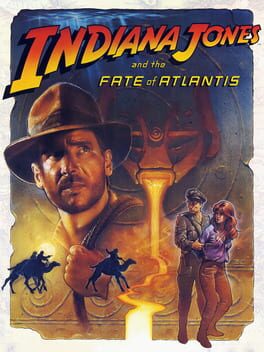
Indiana Jones and the Fate of Atlantis is a classic point-and-click where combining inventory items to solve puzzles is the central mechanic — the same 'what happens if I put these two things together?' curiosity that drives Little Alchemy.
Key difference: Narrative adventure set in a story, not a freeform element sandbox.
Best for: Fans of item-combination logic who enjoy a classic story.
Skip if: You dislike old-school adventure game trial-and-error.
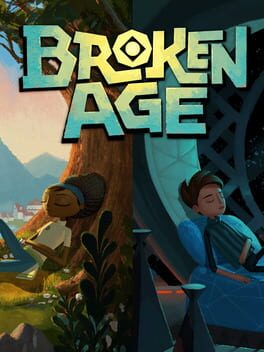
Broken Age is a modern point-and-click adventure where you collect and combine objects to unlock new solutions, feeding the same lateral-thinking satisfaction as Little Alchemy without any time pressure.
Key difference: Linear narrative with voiced characters, not a sandbox discovery grid.
Best for: Little Alchemy fans who want a story alongside combination puzzles.
Skip if: You want pure freeform experimentation with no story.
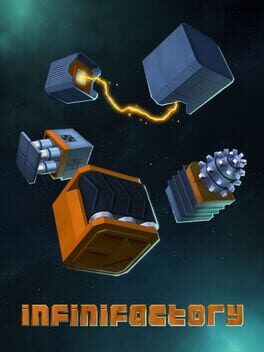
Infinifactory is a 3D factory-puzzle game where you arrange and combine machines to transform raw inputs into specific outputs — the same combinatorial logic in a spatial, engineering frame.
Key difference: Complex 3D spatial puzzles with fail conditions and optimization.
Best for: Little Alchemy fans who want deep combination logic with challenge.
Skip if: You want a relaxing, no-fail discovery toy.
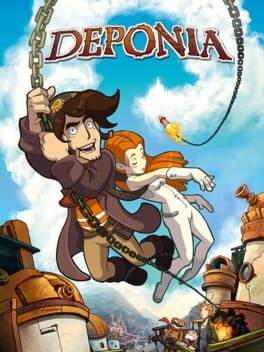
Deponia is a comedic sci-fi point-and-click where absurd item combinations drive nearly every puzzle, scratching the same 'combine A and B, see what happens' itch in a wackier register.
Key difference: Humor-heavy story adventure, not an endless element sandbox.
Best for: Players who like quirky logic and item-combining in a comedy wrapper.
Skip if: You dislike slow-paced dialogue or old-school adventure games.
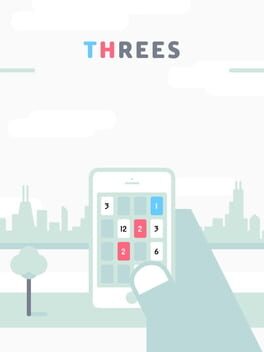
Threes! is a minimalist mobile puzzle about sliding numbered tiles that merge according to strict rules — a small, elegant combination game with the same 'one more try' pull as Little Alchemy.
Key difference: Timed grid puzzle with losing condition, not open-ended discovery.
Best for: Little Alchemy fans who want a compact mobile puzzle.
Skip if: You dislike score-chasing or fail states.
Abzu is a zero-stress exploration game about discovering the ocean's layered ecosystem — the relaxed, curiosity-first pacing mirrors Little Alchemy's appeal even though the mechanic is different.
Key difference: Pure visual exploration, no combination or crafting mechanic at all.
Best for: Little Alchemy fans who value the calm, wonder-driven experience.
Skip if: You specifically need a puzzle or crafting loop.
Portal 2 rewards the same kind of lateral 'what if I put this here?' thinking as Little Alchemy, building a mental model of rules and combining portal mechanics to discover solutions.
Key difference: First-person action-puzzler with set levels, not a freeform sandbox.
Best for: Little Alchemy fans craving structured, rule-based combination puzzles.
Limbo is a minimalist atmospheric puzzle-platformer where environmental interaction drives progress — share's Little Alchemy's clean aesthetic and 'observe, experiment, discover' approach.
Key difference: Dark side-scrolling platformer with fail states and tension.
Best for: Little Alchemy fans who enjoy minimalist puzzle aesthetics.
Skip if: You dislike death mechanics or dark themes.
Inside shares Limbo's experimental, discovery-led puzzle logic in a wordless, striking world where figuring out how elements interact is the whole game.
Key difference: Narrative cinematic platformer with story and atmosphere focus.
Best for: Players drawn to the discovery feel of Little Alchemy in a premium package.
The Walking Dead is choice-driven and discovery-oriented at its core — you uncover consequences of combining decisions — though the mechanic is narrative rather than elemental.
Key difference: Graphic adventure with emotional story focus, no crafting or elements.
Best for: Little Alchemy fans drawn to the 'what happens if?' curiosity loop.
Skip if: You want a toy sandbox, not a linear story.
The Sims is a sandbox simulator where combining objects, personalities, and relationships produces emergent outcomes — a different register of the same open-ended 'see what you can make' spirit.
Key difference: Life sim with characters and goals, not an element-combination grid.
Best for: Little Alchemy fans who like open-ended sandbox systems.
Skip if: You want a pure puzzle without character management.
Stardew Valley includes a crafting/recipe-discovery system among its many loops, and its relaxed, no-pressure pacing echoes Little Alchemy's casual play style.
Key difference: Full farm-life RPG with time management and social systems.
Best for: Little Alchemy fans wanting a relaxing game with discovery mechanics.
Skip if: You only want the pure combination-puzzle experience.
Brothers: A Tale of Two Sons is a gentle puzzle-adventure where combining the unique abilities of two characters solves every obstacle — a cooperative-element logic similar to Little Alchemy's pairings.
Key difference: Emotional story-driven platformer with no sandbox or collection loop.
Best for: Little Alchemy fans who want a touching, short puzzle narrative.
Skip if: You dislike story games or controller-required play.
Valiant Hearts uses inventory item-combination puzzles throughout its WWI story, directly echoing the 'combine two things to unlock progress' mechanic, wrapped in a historical drama.
Key difference: Linear emotional story about war, not a freeform sandbox.
Best for: Little Alchemy fans who want item-combining in a narrative context.
Skip if: You want pure sandbox experimentation without story.
Themed episodic progression instead of one continuous sandbox.
—
Little Alchemy 2
95%
Puzzle
More content and polish, otherwise identical in feel.
Mobile, PC
Minecraft: Java Edition
55%
Simulator, Adventure
Full 3D survival/building world, not a minimalist browser puzzle.
PC
Indiana Jones and the Fate of Atlantis
48%
Puzzle, Adventure
Narrative adventure set in a story, not a freeform element sandbox.
PC
Broken Age
45%
Puzzle, Adventure
Linear narrative with voiced characters, not a sandbox discovery grid.
PlayStation, PC, Mobile, Xbox, Nintendo
Infinifactory
45%
Puzzle, Simulator
Complex 3D spatial puzzles with fail conditions and optimization.
PlayStation, PC
Deponia
43%
Puzzle, Adventure
Humor-heavy story adventure, not an endless element sandbox.
PlayStation, PC, Mobile, Xbox, Nintendo
Threes!
38%
Puzzle
Timed grid puzzle with losing condition, not open-ended discovery.
PC, Mobile, Xbox
Abzu
35%
Puzzle, Adventure
Pure visual exploration, no combination or crafting mechanic at all.
PlayStation, PC, Xbox, Nintendo
Portal 2
33%
Puzzle, Adventure
First-person action-puzzler with set levels, not a freeform sandbox.
PlayStation, PC, Xbox, Nintendo
Limbo
28%
Puzzle, Adventure
Dark side-scrolling platformer with fail states and tension.
PlayStation, PC, Mobile, Xbox, Nintendo
Inside
27%
Puzzle, Adventure
Narrative cinematic platformer with story and atmosphere focus.
PlayStation, PC, Mobile, Xbox, Nintendo
The Walking Dead
25%
Puzzle, Adventure
Graphic adventure with emotional story focus, no crafting or elements.
PlayStation, PC, Mobile, Xbox, Nintendo
The Sims
25%
Simulator
Life sim with characters and goals, not an element-combination grid.
PC
Stardew Valley
22%
Simulator, Adventure
Full farm-life RPG with time management and social systems.
PlayStation, PC, Nintendo, Mobile, Xbox
What makes a game feel like Little Alchemy?
Three qualities define the Little Alchemy experience: a combination-discovery loop (two inputs produce one new output), a no-failure sandbox (experimentation is always safe), and a growing collection that rewards completionism. Doodle God (additional pick) matches all three almost exactly. Among the candidate list, Minecraft comes closest with its crafting recipe system — hundreds of items unlocked by combining materials — wrapped in a larger world to explore.
Point-and-click adventures like Broken Age and Indiana Jones and the Fate of Atlantis share the core habit of mentally pairing two objects together and asking "will this work?" — the same lateral-thinking muscle Little Alchemy exercises, just inside a story rather than a sandbox.
Best relaxed / no-pressure picks for Little Alchemy fans
Part of Little Alchemy's charm is that you can play for two minutes or two hours with zero stakes. Abzu replicates that zero-pressure feeling through underwater exploration and discovery of sea life with no enemies or fail states. Stardew Valley layers a crafting-discovery loop onto a farming sim with gentle pacing. And Potion Craft: Alchemist Simulator (additional pick) is the closest premium game to Little Alchemy's alchemy theme specifically, letting you physically mix ingredients on a hand-drawn map to discover potion recipes at your own pace.
If you want structured puzzles instead of a sandbox
If you loved how Little Alchemy trains you to think in combinations but want harder problems with clear solutions, Portal and Portal 2 channel that same mental model — understanding how two rules interact to produce a new result — into first-person physics puzzles. For something more atmospheric and minimalist, Inside and Limbo both reward quiet observation and experimental interaction with their environments, echoing Little Alchemy's wordless, figure-it-out-yourself appeal.
Is there a game exactly like Little Alchemy but with more content?
Little Alchemy 2 is the direct sequel and doubles the element count. Doodle God is the closest third-party alternative with an almost identical mechanic and a large catalogue of sequels and spin-offs.
Are there any PC games like Little Alchemy with deeper mechanics?
Potion Craft: Alchemist Simulator expands the alchemy idea into a full PC game with tactile ingredient mixing, potion maps, and a shopkeeper economy. Infinifactory takes combinatorial logic into 3D factory-building puzzles for a more challenging take.
What games like Little Alchemy can I play on mobile?
Little Alchemy 2 and Doodle God are both available on mobile and are the most direct matches. Threes! offers a different but similarly small, elegant combination puzzle perfectly suited to mobile play.
Does Minecraft count as a game like Little Alchemy?
Partially. Minecraft's crafting system shares the discovery-by-combination loop — you experiment with ingredient pairs to reveal recipes — but surrounds it with survival, building, and exploration. If you enjoy Little Alchemy's crafting discovery and want a world to apply it in, Minecraft is the best big-name bridge.
What should I play if I finished all of Little Alchemy?
Start with Little Alchemy 2 for the most direct continuation, then try Doodle God for the same mechanic with a different element library. If you want something with more depth, Potion Craft: Alchemist Simulator or a point-and-click adventure like Broken Age will keep that combination-thinking habit engaged.
 97%
97%