StarCraft earns its legendary status through a deceptively elegant design: three radically asymmetric factions — Terran, Zerg, and Protoss — each demanding completely different build orders, army compositions, and strategic thinking, all played out in real time at a pace that rewards mechanical precision as much as strategic planning. The result is a game where no two matches feel the same and where mastery takes years.
When players ask for games like StarCraft, they're really asking for that specific cocktail: real-time base building, resource management under pressure, asymmetric factions with deep unit rosters, and tactical combat that punishes sloppy execution. Sci-fi warfare aesthetics and a story-driven campaign are welcome bonuses, but the RTS feel is non-negotiable.
Top pick:StarCraft: Brood War is the single closest pick — it literally is StarCraft at its most refined, with expanded units and the rebalanced competitive meta that made it a 20-year esport; if you want something new from outside the franchise, Warcraft III: Reign of Chaos is the strongest alternative, delivering the same Blizzard asymmetric RTS design with the added depth of hero units, and it shares enough DNA that any StarCraft player will feel at home within minutes.
Some store buttons are affiliate links — we may earn a commission at no extra cost to you.
19 games like StarCraft
98%
StarCraft: Brood War 1998
The original expansion pack adds new units, balance tweaks, and the Brood War story arc while retaining exactly the same base-building, resource-harvesting, three-faction asymmetric RTS loop that made the original legendary. It is widely considered the definitive form of StarCraft 1 for competitive play.
Key difference: An expansion, not a standalone — requires the base game.
Best for: Anyone who wants more StarCraft 1 at peak balance.
Skip if: You want something genuinely new.
PC
96%
StarCraft II: Wings of Liberty 2010
StarCraft II refines every core system of the original — macro-management, unit micro, three-faction asymmetry — with a modern engine, redone campaign, and a fiercely competitive ladder. The sci-fi warfare setting and faction feel (Terran/Zerg/Protoss) are carried over directly.
Key difference: Much faster mechanical demands; old-school feel is gone.
Best for: StarCraft veterans ready for a higher skill ceiling.
Skip if: You prefer SC1's slower, grittier pacing.
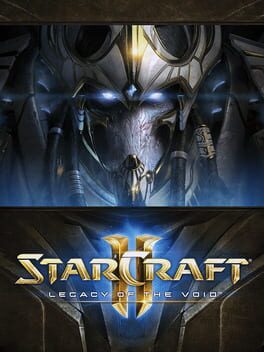
Legacy of the Void completes the StarCraft II trilogy with the Protoss campaign, archon co-op mode, and a reworked multiplayer economy. It stands alone and delivers the fullest modern StarCraft RTS experience.
Key difference: Protoss-focused story; co-op mode shifts some emphasis.
Best for: Players who want the full SC2 arc and co-op content.
Skip if: You only care about the Terran or Zerg storylines.
PC
92%
Warcraft III: Reign of Chaos 2002
Warcraft III is the sister franchise by the same developer, sharing StarCraft's base-building, resource loops, and per-race asymmetry (four factions this time) while adding hero units that gain levels and skills. The fantasy setting swaps sci-fi for high fantasy but the strategic DNA is nearly identical.
Key difference: Hero units add RPG leveling layer absent in StarCraft.
Best for: SC fans who also enjoy fantasy settings and hero strategy.
Skip if: You dislike hero-centric micro interrupting pure macro.
The Frozen Throne expands Warcraft III with a lengthy new campaign, the Naga and Blood Elf races, and crucial balance changes. As with Brood War, this is the definitive competitive version of WC3 and shares StarCraft's tight asymmetric RTS feel.
Key difference: Expansion content; requires Warcraft III base game.
Best for: WC3 players wanting more campaign and refined multiplayer.
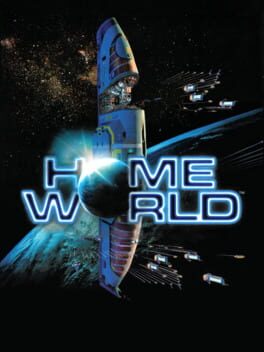
Homeworld is a 3D sci-fi RTS where you command a fleet across space, managing resources, research, and asymmetric faction abilities — the closest StarCraft equivalent in full three-dimensional space. The persistent fleet mechanic adds a campaign weight SC's campaigns lack.
Key difference: Full 3D space movement; no base building on a map surface.
Best for: SC fans who want sci-fi RTS with stunning atmosphere and campaign stakes.
Skip if: You dislike managing a persistent, losable fleet between missions.
Red Alert 2 is a sci-fi/alternate-history RTS with two strongly asymmetric factions, base building, resource harvesting via ore collectors, and fast-paced tactical skirmishes that closely mirror StarCraft's competitive feel. Its tone is campy but the mechanics are razor-sharp.
Key difference: Two factions instead of three; cartoonish Cold War alternate-history tone.
Best for: SC fans who want a lighter, more approachable RTS.
Skip if: You want gritty, serious sci-fi atmosphere.
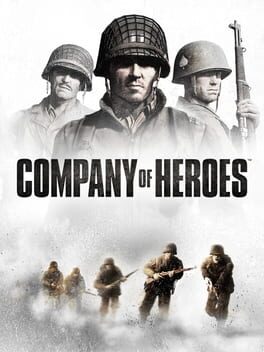
Company of Heroes is a WWII RTS that shares StarCraft's emphasis on positional micro, asymmetric faction design, and cover-based tactical combat. Resource points replace base income, making territorial control as important as production, rewarding the same aggressive map-reading SC demands.
Key difference: No base building in the traditional sense; cover/terrain dominate.
Best for: StarCraft players who want deep unit micro in a new setting.
Skip if: You need a sci-fi setting or classic base-building loops.
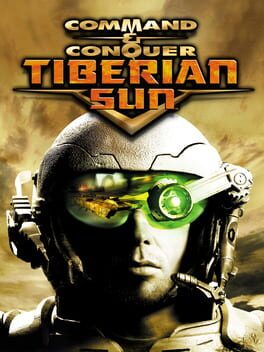
Tiberian Sun is a post-apocalyptic sci-fi RTS with two strongly asymmetric factions (GDI vs Brotherhood of Nod) and unit counters that map directly onto StarCraft's design philosophy. Its dark future setting and alien Tiberium resource echo SC's atmosphere.
Key difference: Slower unit speeds; darker, murkier visual style than SC.
Best for: SC players who want two-faction sci-fi RTS with a gritty campaign.
Skip if: You need three-faction asymmetry or modern interface polish.
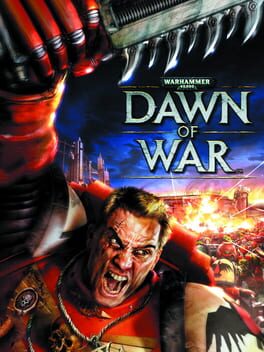
Dawn of War puts the Warhammer 40,000 universe — a grimdark sci-fi setting of warring alien and human factions — into a StarCraft-style RTS with asymmetric armies, base construction, and production queues. Multiple expansion races echo SC's faction variety.
Key difference: Capture-point resource system replaces miner/gatherer loops.
Best for: SC fans drawn to sci-fi aesthetics and lore-heavy factions.
Skip if: You prefer clean mineral/gas economy over territory control.
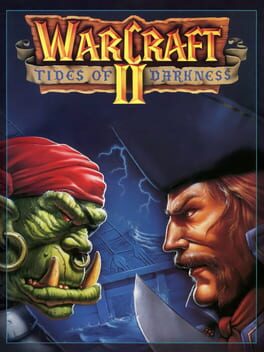
Warcraft II is the direct predecessor to both Warcraft III and StarCraft, featuring two-faction (Human vs Orc) base-building, resource harvesting, and unit production queues. It shares the same Blizzard RTS template that StarCraft refined.
Key difference: Only two factions; simpler mechanics by today's standards.
Best for: RTS historians or fans who want SC's roots in a fantasy shell.
Skip if: You need modern unit pathfinding or UI quality.
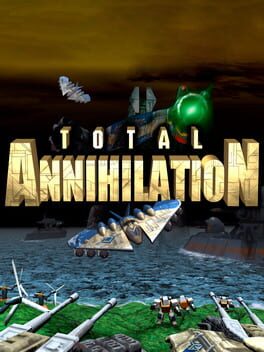
Total Annihilation is a 1997 sci-fi RTS with massive armies, persistent resource generation (no per-trip mining), and two robot factions fighting across varied terrain. It pioneered many mechanical ideas StarCraft shares around unit counters and map control.
Key difference: Huge army scale; resource flow model replaces gather-and-return loops.
Best for: SC macro players who want enormous battles and unit variety.
Skip if: You prefer tight, small-squad micro over mass army management.
Supreme Commander is the spiritual successor to Total Annihilation, featuring three asymmetric sci-fi factions, experimental superunits, and a strategic zoom from individual infantry to whole-continent warfare. The macro scale dwarfs StarCraft but the faction design and tech tiers rhyme closely.
Key difference: Overwhelming scale; requires dual monitors to play optimally.
Best for: StarCraft veterans who want the ultimate macro-management challenge.
Skip if: You prefer fast, tight skirmishes over drawn-out large-map battles.
Age of Empires II is a landmark RTS featuring resource harvesting, tech trees, unit counters, and competitive multiplayer that demands the same macro-management and multi-tasking as StarCraft. The historical setting replaces alien races but the strategic tension is comparable.
Key difference: Historical medieval setting; no sci-fi; slower pacing overall.
Best for: StarCraft fans who enjoy historical strategy and economy management.
Skip if: You want sci-fi themes or the sharp faction asymmetry of SC.
Command & Conquer: Generals puts three asymmetric factions (USA, China, GLA) in a modern warfare RTS with oil derrick income, air power, and superweapons — a spiritual cousin to StarCraft's three-faction design and fast tech trees.
Key difference: Modern military theme; no sci-fi alien races.
Best for: SC players wanting asymmetric factions in a real-world war context.
Skip if: You need sci-fi units or tightly balanced competitive ladders.
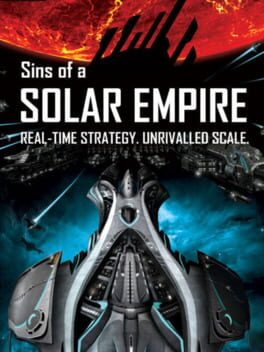
Sins of a Solar Empire blends 4X empire-building with real-time space combat and three asymmetric factions, scratching the long-form strategic itch that StarCraft campaigns provide while adding a grand-strategy layer around planet colonization and diplomacy.
Key difference: Galaxy-scale 4X layer; games last hours not minutes.
Best for: SC fans who want a sci-fi RTS with deep empire building.
Skip if: You want short, fast competitive skirmishes like SC multiplayer.
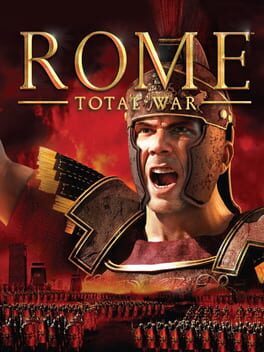
Rome: Total War blends a turn-based campaign map with real-time battlefield tactics, sharing StarCraft's emphasis on unit positioning, counters, and tactical army management. The scale and historical Roman setting differ greatly but the tactical combat brain is familiar.
Key difference: Turn-based strategic layer; no base building in battles.
Best for: SC tacticians who want massive historical battles and a campaign layer.
Skip if: You only want pure real-time base-building RTS gameplay.
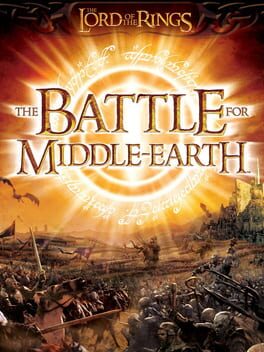
The Lord of the Rings: The Battle for Middle-earth 2004
The Battle for Middle-earth is an RTS built on a StarCraft-like base-construction and unit-production framework set in Tolkien's world. Faction asymmetry between Good and Evil races gives each side distinct armies, heroes, and strategic options.
Key difference: Fantasy IP license; hero units are prominent; smaller scale.
Best for: SC fans who love faction-specific units and a rich campaign story.
Skip if: You want sci-fi or tightly balanced competitive multiplayer.
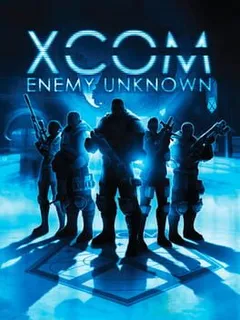
XCOM: Enemy Unknown shares StarCraft's sci-fi alien invasion premise and the tension of managing limited resources against an asymmetric alien threat, though battles are turn-based rather than real-time. The strategic base management layer rhymes with StarCraft's macro game.
Key difference: Turn-based, not real-time; squad RPG progression replaces mass production.
Best for: SC players who want sc-fi alien strategy at a slower, thoughtful pace.
Skip if: You need the speed and reflex demands of a real-time game.
An expansion, not a standalone — requires the base game.
PC
StarCraft II: Wings of Liberty
96%
Real Time Strategy (RTS), Strategy
Much faster mechanical demands; old-school feel is gone.
PC
StarCraft II: Legacy of the Void
94%
Real Time Strategy (RTS), Strategy
Protoss-focused story; co-op mode shifts some emphasis.
PC
Warcraft III: Reign of Chaos
92%
Real Time Strategy (RTS), Strategy
Hero units add RPG leveling layer absent in StarCraft.
PC
Warcraft III: The Frozen Throne
90%
Real Time Strategy (RTS), Strategy
Expansion content; requires Warcraft III base game.
PC
Homeworld
90%
Real Time Strategy (RTS), Strategy
Full 3D space movement; no base building on a map surface.
PC
Command & Conquer: Red Alert 2
88%
Real Time Strategy (RTS), Strategy
Two factions instead of three; cartoonish Cold War alternate-history tone.
PC
Company of Heroes
87%
Real Time Strategy (RTS), Strategy
No base building in the traditional sense; cover/terrain dominate.
PC, Mobile
Command & Conquer: Tiberian Sun
87%
Real Time Strategy (RTS), Strategy
Slower unit speeds; darker, murkier visual style than SC.
PC
Warhammer 40,000: Dawn of War
86%
Real Time Strategy (RTS), Strategy
Capture-point resource system replaces miner/gatherer loops.
PC
Warcraft II: Tides of Darkness
84%
Real Time Strategy (RTS), Strategy
Only two factions; simpler mechanics by today's standards.
PC
Total Annihilation
84%
Real Time Strategy (RTS), Strategy
Huge army scale; resource flow model replaces gather-and-return loops.
PC
Supreme Commander
82%
Real Time Strategy (RTS), Strategy
Overwhelming scale; requires dual monitors to play optimally.
PC, Xbox, PlayStation
Age of Empires II: The Age of Kings
80%
Real Time Strategy (RTS), Strategy
Historical medieval setting; no sci-fi; slower pacing overall.
PC, PlayStation
Command & Conquer: Generals
79%
Real Time Strategy (RTS), Strategy
Modern military theme; no sci-fi alien races.
PC
What Makes a Game Feel Like StarCraft?
The three pillars that define the StarCraft experience are: faction asymmetry (each race plays fundamentally differently), real-time macro management (building economy and army simultaneously without pausing), and hard unit counters (composition beats raw numbers). Games like Warcraft III: Reign of Chaos and Command & Conquer: Red Alert 2 nail all three, while Company of Heroes trades base building for territorial micro but preserves that same white-knuckle attention-splitting.
Warhammer 40,000: Dawn of War is the strongest sci-fi alternative, using a capture-point economy that forces aggressive map play — exactly the map-control pressure that makes StarCraft's early game so intense. If you live for the competitive ladder, StarCraft II: Wings of Liberty is the modern answer, sharpening every mechanic from the original.
Best StarCraft Alternatives for Campaign Lovers
StarCraft's campaigns are beloved for their mission variety and faction-specific storytelling. Warcraft III: The Frozen Throne delivers four interlocking faction campaigns with cinematic cutscenes and mission design of similar quality, while Company of Heroes offers a WWII single-player campaign with some of the most dramatic scripted RTS missions ever designed — its Normandy beach landing set-piece rivals any StarCraft mission for tension.
For sci-fi campaign lovers specifically, Homeworld (in our additional picks) offers an emotionally resonant story about a fleet seeking its homeworld, with the persistent-fleet mechanic making every lost unit feel meaningful in ways SC's campaigns rarely do.
If You Want StarCraft's Competitive Depth Today
StarCraft II: Legacy of the Void has the most active free-to-play competitive ladder of any classical RTS in 2024, with Blizzard balance patches continuing for years after release. Its archon co-op mode also offers a unique experience where two players share control of one base — a great entry point for newcomers intimidated by solo macro play.
For players open to a different competitive format, Age of Empires II: The Age of Kings retains a remarkably active ranked community and demands the same build-order discipline and multi-tasking as StarCraft, with annual tournaments and ongoing HD/Definitive Edition support keeping the game alive decades after launch.
Is StarCraft II a good replacement for the original StarCraft?
Yes for most players — StarCraft II: Wings of Liberty captures the same three-faction asymmetric RTS design with a more modern engine, better pathing, and an active competitive scene. However, dedicated fans of the original often feel SC1's slower pace and harder mechanical requirements have a distinct feel that SC2 doesn't replicate. Both are worth playing.
What RTS games have three asymmetric factions like StarCraft?
Command & Conquer: Generals (USA, China, GLA), StarCraft II, and Supreme Commander all feature three-faction asymmetry. Warcraft III goes to four factions. The classic two-faction asymmetry in Command & Conquer: Red Alert 2 and Tiberian Sun also captures a similar strategic feel with distinct playstyles per side.
Are there any StarCraft-like games set in space?
Homeworld is the closest: a 3D sci-fi RTS with fleet management, asymmetric factions, and a resource economy. Sins of a Solar Empire adds a 4X galaxy layer to real-time space battles. Both scratch the sci-fi setting itch of StarCraft at much larger scales.
What is the best StarCraft alternative for beginners to RTS?
Command & Conquer: Red Alert 2 is widely considered the most approachable classic RTS — its two-faction design is simpler than StarCraft's three, missions are clearly tutorialized, and its campy tone lowers the pressure. Age of Empires II: Definitive Edition also has an excellent built-in tutorial campaign.
Does Dota 2 or League of Legends scratch the same itch as StarCraft?
Only partly — both MOBAs evolved from StarCraft/Warcraft III custom maps and share a competitive depth and faction variety, but the core loop (controlling a single hero in a lane) is fundamentally different from StarCraft's base-building macro game. If you love StarCraft for its micro and strategic decision-making but are open to a different format, Dota 2 is the closer of the two.
 98%
98%