Destiny earns its devoted fanbase through a specific alchemy: first-person shooter precision fused with action-RPG character building, wrapped in a mysterious sci-fi universe and designed to be played cooperatively forever. Loot drops that keep builds evolving, class abilities (Hunter, Titan, Warlock) that reward mastery, and shared-world patrol zones that blur the line between solo exploration and spontaneous multiplayer — that combination is Destiny's DNA.
When players search for "games like Destiny," they're usually chasing one or more of these specific things: a satisfying loot grind that makes each hour feel like progress, co-op FPS combat with real mechanical depth, a sci-fi universe worth inhabiting, or endgame activities worth repeating. The best recommendations here nail at least two of those pillars.
Top pick: The single closest pick is Borderlands 2 — it shares Destiny's foundational DNA more directly than almost anything else on this list: first-person shooting with class-based skill trees, billions of procedurally generated loot drops, co-op missions designed to be replayed, and a progression loop that rewards every session. Where Destiny goes mythic and serious, Borderlands goes comedic and chaotic, but the core loop of "shoot, loot, upgrade, repeat with friends" is functionally identical.
Some store buttons are affiliate links — we may earn a commission at no extra cost to you.
Destiny 2 is Destiny refined — the same class-based FPS looter loop with strikes, raids, and a shared patrol world, now free-to-play. If you want more of the exact same itch scratched, this is simply more Destiny.
Key difference: Live-service model with years of rotating expansions and vaulted content.
Best for: Anyone who finished Destiny and wants hundreds more hours.
Skip if: You're burned out on the loot grind or live-service churn.
The Division 2 is the closest structural twin to Destiny in the candidate gap — third-person looter shooter with class-like specializations, co-op endgame raids, daily activities, and a shared open world full of enemy factions to farm. The loot loop is practically identical.
Key difference: Third-person cover shooter; real-world Washington D.C. setting, not sci-fi.
Best for: Destiny fans who want the same loop in a grounded tactical setting.
Skip if: You need first-person perspective or fantasy/sci-fi aesthetics.
Borderlands 2 pairs a first-person shooter with deep loot drops, four distinct character classes with skill trees, and relentless co-op carnage — the same core fantasy of "shoot stuff, get better guns, repeat." Its cel-shaded humor contrasts Destiny's gravitas, but the loop is nearly identical.
Key difference: Comedic tone, procedurally generated loot, no shared open world.
Best for: Fans of the loot loop who prefer couch co-op and humor.
Skip if: You hate comedy writing or need a serious story.
Anthem is BioWare's direct attempt to replicate Destiny's looter-shooter format — Iron Man exosuit flight, class-based Javelins, co-op strikes, and a sci-fi open world. The flight system was praised even as post-launch support collapsed.
Key difference: Abandoned post-launch; content is very thin compared to Destiny.
Best for: Destiny fans curious about the flight fantasy despite thin endgame.
Skip if: You need active developer support or a healthy playerbase.
Warframe is a free-to-play third-person looter-shooter with deep class/frame customization, repeatable endgame missions, and a co-op structure nearly identical to Destiny's strikes. The movement system is arguably even more kinetic.
Key difference: Third-person, stealth/parkour movement, and an overwhelming amount of content.
Best for: Players who want Destiny's loop for free with more build depth.
Skip if: You can't handle a notoriously complex new-player experience.
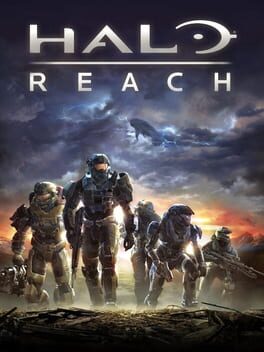
Halo: Reach was Bungie's final Halo and a spiritual bridge to Destiny — it introduced character progression, armor customization, and class-like Spartan abilities within a sci-fi FPS framework. The gunplay and universe feel unmistakably Bungie.
Key difference: No loot drops; linear missions with arena multiplayer rather than a shared world.
Best for: Destiny fans who want to trace Bungie's design evolution.
Skip if: You need persistent gear progression to stay engaged.
Outriders is a third-person sci-fi looter shooter with four class-based builds, co-op missions, and timed expedition endgame — clearly modeled on Destiny's structure but with more aggressive, aggressive-damage-forward combat.
Key difference: Faster, more explosive combat; no live-service, fully purchasable.
Best for: Players who want Destiny's class+loot loop without subscription grind.
Skip if: You prefer first-person perspective or ongoing seasonal content.
Halo 3's balanced sandbox shooting, co-op campaign, and competitive multiplayer all carry the same Bungie fingerprints — measured pacing, intentional encounters, and satisfying sci-fi gunplay. The trilogy's multiplayer peak.
Key difference: No RPG progression or loot; entirely mission-and-arena structured.
Best for: Destiny players craving Bungie's purest competitive multiplayer.
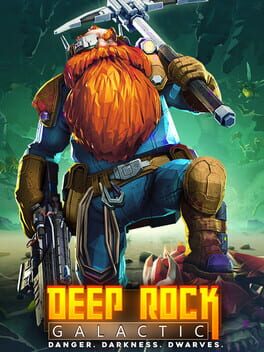
Deep Rock Galactic is a co-op FPS with four distinct character classes, repeatable procedurally-generated mission types, and a progression system built around cosmetic and loadout upgrades — it captures Destiny's strike camaraderie perfectly in a dwarves-vs-bugs package.
Key difference: First-person co-op but cartoonish tone; no shared open world.
Best for: Destiny strike lovers who want tight class-based co-op with zero PvP.
Skip if: You need a serious sci-fi tone or competitive multiplayer.
The game that defined console FPS multiplayer and the Bungie worldbuilding style — the alien factions, mysterious ancient artifacts, and measured squad combat are clear Destiny precursors. Combat Evolved still feels exceptional.
Key difference: No RPG elements, co-op only through campaign, no shared world.
Best for: Players who want to experience Destiny's roots.
Skip if: You need modern gunfeel or character progression.
XboxPC
73%
Halo 2 2004
Halo 2 introduced online multiplayer to the franchise, with tight sandbox FPS mechanics and a dual-protagonist sci-fi story that expanded lore in ways Destiny later emulated on a grander scale.
Key difference: Strictly mission-based; no loot or character builds.
Best for: Lore-focused Destiny fans who enjoy expanded alien perspectives.
Skip if: You want any form of character progression.
XboxPC
72%
Titanfall 2 2016
Titanfall 2 features exceptional first-person sci-fi gunplay with wall-running momentum, class-like titan loadouts, and fluid movement that influenced Destiny 2's own Titan gameplay. Its campaign is a hidden masterpiece.
Key difference: No loot progression; multiplayer servers have very low population now.
Best for: Destiny players craving the best pure FPS movement in sci-fi.
Skip if: You need persistent loot rewards or a populated multiplayer.
Apex Legends features hero-class abilities, high-fidelity sci-fi gunplay, and team-oriented combat — the closest the battle royale genre comes to Destiny's Crucible feel. Titanfall engine movement carries over.
Key difference: Pure battle royale PvP; no PvE, no loot progression between sessions.
Best for: Destiny PvP (Crucible) fans who want free class-based sci-fi shooting.
Mass Effect 2 is a third-person sci-fi action RPG built around squad assembly, class-based abilities, and cinematic alien-world combat — it shares Destiny's fusion of shooter mechanics with RPG character investment in a rich sci-fi universe.
Key difference: Single-player story-driven; no loot grind, entirely narrative-focused.
Best for: Destiny fans who want deep lore and memorable characters.
Skip if: You need multiplayer or endless gear progression.
Fallout 4 blends first-person shooting with persistent character builds, tiered loot drops, and repeatable faction activities — mechanically adjacent to Destiny's structure, though grounded in post-apocalyptic America rather than alien-haunted sci-fi.
Key difference: Single-player open world; slower, scavenger pacing over kinetic combat.
Best for: Destiny fans who want a solo story with meaningful gear progression.
Skip if: You need tight gunplay or cooperative play.
Doom 2016 shares Destiny's feel for momentum-driven FPS combat — relentless kinetic flow, sci-fi hellscape arenas, and that same satisfaction of movement as a core mechanic. The ability-pickups echo Destiny's Super charges.
Key difference: No RPG progression, no multiplayer, entirely single-player arena combat.
Best for: Players who love Destiny's shooting feel stripped to its essence.
Skip if: You need co-op or any form of loot rewards.
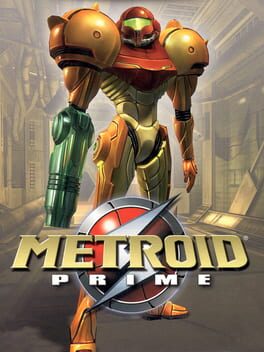
Metroid Prime is a landmark first-person sci-fi exploration game with ability gating and mysterious ancient-civilization lore — thematically and atmospherically close to Destiny's exploration zones and alien ruins aesthetic.
Key difference: Entirely solo, no shooter multiplayer, methodical exploration over combat.
Best for: Destiny fans captivated by mysterious sci-fi atmosphere and world-building.
Skip if: You want fast multiplayer or loot-driven progression.
Left 4 Dead is built around repeatable co-op FPS missions with a small squad against overwhelming enemies — the same cooperative urgency as Destiny's strikes, just with horror-zombie dressing instead of sci-fi Fallen.
Key difference: No RPG or loot elements; purely skill-based co-op with no progression.
Best for: Players who want pure cooperative FPS intensity without gear grind.
Skip if: You need character builds or persistent rewards.
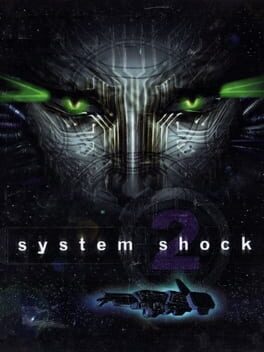
System Shock 2 is a first-person sci-fi RPG combining shooter combat with skill trees, audio-log lore delivery, and repeated encounters aboard an alien-infected starship — sharing Destiny's DNA of FPS+RPG in rich sci-fi atmosphere decades before it was fashionable.
Prey (2017) fuses first-person shooting with deep sci-fi RPG skill trees and an open space-station world full of hidden lore — a slower-burn immersive sim version of Destiny's ability customization and mysterious sci-fi storytelling.
Key difference: Single-player immersive sim; much slower, puzzle-heavy pacing.
Best for: Destiny players who love deep ability-tree customization and lore.
Skip if: You need multiplayer or fast-paced combat loops.
Gears of War puts sci-fi squad shooting in a brutal co-op cover framework — the same pleasure of clearing alien-like enemies alongside a friend, just in third-person with no RPG layer.
Key difference: Third-person cover shooter; linear campaign, no persistent progression.
Best for: Destiny co-op fans who want pure cover-shooter action.
Skip if: You need loot rewards or open patrol zones.
Deus Ex: Human Revolution blends first-person shooting with RPG augmentation trees and a cyberpunk sci-fi world — scratching the Destiny itch of "FPS with special powers and build choices" in a deeply systemic single-player way.
Key difference: Single-player narrative focus; stealth-driven, not action-combat-first.
Best for: Players who prefer their FPS RPG to have meaningful story choices.
Skip if: You need multiplayer or combat pacing similar to Destiny's.
S.T.A.L.K.E.R.: Shadow of Chernobyl is a first-person shooter RPG with persistent loot, faction systems, and open post-apocalyptic zones — a grim Eastern European cousin to Destiny's patrol-zone loop, beloved by those who want real danger alongside their gear grind.
Key difference: Brutal survival, solo-only, no abilities or sci-fi setting.
Best for: Hardcore players who want FPS RPG looting with unforgiving stakes.
Skip if: You want co-op, fast respawning, or accessible difficulty.
Live-service model with years of rotating expansions and vaulted content.
Xbox, PlayStation, PC
The Division 2: Mutiny
91%
—
Third-person cover shooter; real-world Washington D.C. setting, not sci-fi.
Xbox, PC, PlayStation
Borderlands 2
87%
Shooter, Role-playing (RPG)
Comedic tone, procedurally generated loot, no shared open world.
PlayStation, PC, Mobile, Xbox, Nintendo
Anthem
83%
Shooter, Role-playing (RPG)
Abandoned post-launch; content is very thin compared to Destiny.
PlayStation, PC, Xbox
Warframe
81%
Shooter, Role-playing (RPG)
Third-person, stealth/parkour movement, and an overwhelming amount of content.
Xbox, PlayStation, Nintendo, Mobile, PC
Halo: Reach
80%
Shooter, Action
No loot drops; linear missions with arena multiplayer rather than a shared world.
PC, Xbox
Outriders
80%
Shooter, Role-playing (RPG)
Faster, more explosive combat; no live-service, fully purchasable.
Xbox, PlayStation, PC
Halo 3
76%
Shooter, Action
No RPG progression or loot; entirely mission-and-arena structured.
PC, Xbox
Deep Rock Galactic
75%
Shooter, Action
First-person co-op but cartoonish tone; no shared open world.
Xbox, PlayStation, PC
Halo: Combat Evolved
73%
Shooter, Action
No RPG elements, co-op only through campaign, no shared world.
Xbox, PC
Halo 2
73%
Shooter, Action
Strictly mission-based; no loot or character builds.
Xbox, PC
Titanfall 2
72%
Shooter, Action
No loot progression; multiplayer servers have very low population now.
PlayStation, PC, Xbox
Apex Legends
67%
Shooter, Action
Pure battle royale PvP; no PvE, no loot progression between sessions.
Xbox, PlayStation, Nintendo, PC
Mass Effect 2
65%
Shooter, Role-playing (RPG)
Single-player story-driven; no loot grind, entirely narrative-focused.
PlayStation, PC, Xbox
Fallout 4
63%
Shooter, Role-playing (RPG)
Single-player open world; slower, scavenger pacing over kinetic combat.
Xbox, PlayStation, PC
What Makes a Game Feel Like Destiny?
Destiny's genius is the looter-shooter loop — a genre it essentially defined on consoles. The critical ingredients are persistent character progression tied to gear with real stat differences, class-based abilities that make your build feel uniquely yours, and endgame activities designed to be replayed rather than completed. Borderlands 2 hits all three with its four-class system and randomized legendary weapons. Warframe goes even deeper on build complexity and has a similarly overwhelming amount of repeatable content, with the added hook of being free-to-play. Both games understand that the loop — not just the story — is what keeps players coming back.
The Bungie pedigree also matters: Halo: Reach and Halo 3 carry the studio's signature approach to FPS sandbox combat, and Reach in particular introduced armor customization and the early roots of character investment that Destiny would fully realize. If you love the way Destiny's guns feel, those games are essential context.
Best Co-op Picks If You Love Destiny's Strike Structure
Destiny's strikes — tight three-player missions capped with a boss fight — are uniquely satisfying, and very few games replicate that exact structure. Deep Rock Galactic (in our additional recommendations) is the hidden gem answer: four distinct classes, repeatable procedurally generated missions with escalating objectives, and a cooperative culture that rivals Destiny's raid community. Left 4 Dead from the candidate pool also captures the essence of that co-op FPS mission urgency, though without any RPG layer. For something more structurally sophisticated, Warframe's alert missions and sorties are essentially strikes with a far larger roster of frame-based abilities.
Apex Legends is the best candidate-pool pick for players whose Destiny time is split toward the Crucible PvP side — the hero-class system, sci-fi setting, and team-oriented communication mirror that competitive Destiny feeling in a battle royale format that's among the most polished in the genre.
If You Want the Sci-Fi Atmosphere Over the Loot Loop
Destiny's universe — the Traveler, the Darkness, ancient alien civilizations, and haunted moons — is world-building of rare ambition. If that draws you more than the gear grind, Mass Effect 2 delivers the definitive sci-fi RPG atmosphere with unforgettable characters, class-based combat, and a universe that rewards deep lore investment. Metroid Prime captures the lonely, mystery-soaked sci-fi exploration that Destiny's patrol zones evoke at their best. And Prey (2017) is an underrated match for players who love Destiny's ability-tree customization and sci-fi horror undertones — its Talos I station is as richly detailed as any Destiny destination, even if the loot loop is entirely absent.
Yes — Destiny 2 is essentially Destiny 1 rebuilt, expanded, and free-to-play. It has the same class system, strike and raid structure, and gunplay, with years of added content. The main caveat is that some older content has been vaulted and the live-service model requires ongoing engagement to stay current.
What is the best game like Destiny for solo players?
Fallout 4 or Prey (2017) best scratch the solo FPS-RPG-loot itch. If you want to feel Destiny's class-ability fantasy in a single-player package, Prey's Typhon powers and immersive sim depth are the closest analog. Cyberpunk 2077 is also worth considering for its first-person sci-fi RPG structure.
What is the closest game to Destiny that isn't a looter shooter?
Mass Effect 2. It shares the sci-fi action RPG class system and squad-based shooter combat but replaces the loot grind with a narrative mission structure. The universe-building and alien-faction design feel spiritually related to Destiny's own approach.
Are there any free games like Destiny?
Yes — Warframe and Destiny 2 itself are both free-to-play. Warframe is arguably the deepest free alternative, with hundreds of "frames" (classes), a massive endgame, and a co-op structure nearly identical to Destiny's. Apex Legends is free and scratches the sci-fi hero-shooter itch on the PvP side.
Why do people compare Halo to Destiny?
Because Destiny was made by Bungie, the same studio that created Halo. Destiny's shooting feel, enemy sandbox design, sci-fi universe tone, and even specific audio design choices (Marty O'Donnell scored both) are direct evolutions of what Bungie built with Halo. Halo: Reach is especially close, introducing progression and customization that Destiny would fully realize.
 95%
95%