BioShock's genius lies in the collision of three things: a richly atmospheric, self-contained world whose collapse you piece together through audio logs and environmental detail; a Plasmid-plus-weapons combat sandbox that rewards creative, systemic thinking over straightforward shooting; and a dark, ideologically charged narrative that uses its pulp-horror setting to say something genuine about utopia and human nature.
When players search for "games like BioShock" they're really chasing that specific combination—first-person perspective, supernatural or technological powers layered onto gunplay, hand-crafted isolated locations that feel lived-in and tragic, and a story the world tells without cutscenes. That points squarely toward the immersive-sim genre and its close cousins: atmospheric FPS/RPG hybrids where experimentation is the point.
Top pick:Prey (2017) by Arkane Studios is the single closest match to BioShock ever made—it transplants Rapture's immersive-sim soul to a space station, swaps Plasmids for Neuromods, and builds the same "what happened here?" mystery through audio logs and environmental storytelling, making it the essential recommendation for any BioShock fan.
Some store buttons are affiliate links — we may earn a commission at no extra cost to you.
19 games like BioShock
97%
BioShock Infinite 2013
BioShock Infinite is the direct creative follow-up from Irrational Games, swapping underwater Rapture for the sky-city of Columbia while keeping the Plasmid-style Vigor powers, weapon upgrades, and morally loaded world-building intact. If you loved BioShock's mix of shooter spectacle and oppressive atmosphere, Infinite delivers that in a visually stunning alternate-history wrapper.
Key difference: Shifts setting to floating city with linear, propulsive pacing.
Best for: Fans who want more Irrational storytelling and lore.
Skip if: You want the slow-burn isolation of Rapture.
Arkane's 2017 Prey is the closest spiritual successor to BioShock ever made—first-person, aboard an isolated space station, with Neuromods replacing Plasmids, extensive hacking, and environmental storytelling through audio logs in every room. Its systemic design lets you approach every encounter with powers, gadgets, or improvised tools.
Key difference: Metroidvania-style backtracking replaces BioShock's linear progression.
Best for: Any BioShock fan—this is the must-play follow-up.
Skip if: You want a directed, propulsive narrative over open exploration.
BioShock 2 returns to Rapture a decade later, this time putting you in the boots of a Big Daddy with refined plasmid/weapon dual-wielding and tighter combat. The atmosphere, hacking, moral choices, and audio-diary storytelling are all faithful to the original formula.
Key difference: Playing as a Big Daddy fundamentally changes the power fantasy.
Best for: Players who want more Rapture without compromise.
Skip if: You burned out on Rapture after the first game.
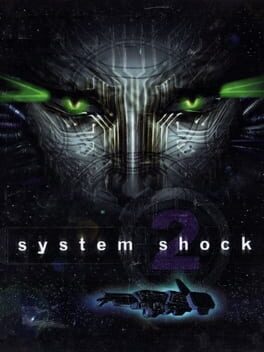
System Shock 2 is the direct spiritual predecessor to BioShock—a first-person FPS/RPG set on a derelict space station, with psionic powers, weapon degradation, hacking, and audio-log storytelling that Irrational explicitly cited as BioShock's blueprint. Still terrifying and mechanically deep today.
Key difference: 1999-era interface and systems feel dated and unforgiving.
Best for: Players wanting BioShock's roots in pure, demanding immersive-sim form.
Skip if: You need modern UX polish to stay engaged.
Deus Ex: Human Revolution is an FPS/RPG in a cyberpunk dystopia built on the same immersive-sim pillars as BioShock—body augmentations replace Plasmids, hacking is front and center, and every combat encounter can be approached through stealth, force, or gadgetry. The atmospheric world-building and conspiracy-laden narrative scratch the same itch.
Key difference: Third-person cover system and dialogue trees add RPG depth.
Best for: Players who want more stealth choice and deeper RPG systems.
Skip if: You disliked BioShock's slower, exploration-heavy pacing.
Dishonored is an immersive sim set in a plague-ridden steampunk city where supernatural powers (Blink, Possession, Wind Blast) replace Plasmids and every objective can be solved through multiple creative approaches. Its oppressive, hand-crafted environments and morally grey narrative feel spiritually identical to BioShock.
Key difference: First-person stealth is the primary intended approach, not shooting.
Best for: Players who loved BioShock's world-building and want deeper stealth.
Skip if: You want pure gunplay over puzzle-like level design.
Singularity is a criminally overlooked FPS set on a secret Soviet Cold War island where you wield the TMD—a device that ages or reverses objects and enemies in time—alongside conventional weapons with upgrade trees. Its isolated, decaying facility oozes the same "what happened here?" atmosphere as Rapture and its audio logs tell a compelling parallel story.
Key difference: Time manipulation replaces elemental Plasmids as the core power.
Best for: BioShock fans wanting a nearly identical feel with a Cold War twist.
Skip if: You need polish and production values to match modern AAA games.
Deus Ex: Mankind Divided continues the cyberpunk immersive-sim formula with augmentations, hacking, multi-path level design, and a richly layered sci-fi city. The body-modification progression and "how do you want to solve this?" combat sandbox closely mirror BioShock's systemic DNA.
Key difference: Assumes familiarity with Human Revolution's lore and characters.
Best for: Those who played Human Revolution and want expanded mechanics.
Skip if: You haven't played Human Revolution; play that first.
Fallout 3 puts you in a post-apocalyptic Washington D.C. through an FPS/RPG lens with a skill tree, crafting, and V.A.T.S. combat—all inside a richly realised, lore-soaked world told through environmental details and scattered notes. The isolated, oppressive atmosphere and freedom to experiment with combat styles are close cousins to BioShock.
Key difference: Vast open world replaces BioShock's carefully curated linear zones.
Best for: Players who want more systemic RPG depth and exploration.
Skip if: You prefer tight, hand-crafted levels over sprawling open worlds.
Fallout: New Vegas layers a morality system, faction politics, and exceptional writing on top of Fallout 3's FPS/RPG skeleton, creating one of the deepest "shooter with consequences" experiences available. Like BioShock, its world is built around a failed utopian ideal that the player slowly unpacks.
Key difference: Heavy faction-based narrative decisions shape the entire world.
Best for: Players who want the deepest RPG writing of any FPS hybrid.
Skip if: Dated gunplay and janky physics break immersion for you.
Dead Space delivers claustrophobic sci-fi horror aboard a derelict mining ship, with strategic limb-targeting combat, resource management, and an oppressive atmosphere built entirely from environmental storytelling. Its isolated, monster-haunted corridors share BioShock's sense of dread and discovery.
Key difference: Third-person over-the-shoulder camera and no RPG powers.
Best for: Players craving sci-fi horror atmosphere over supernatural abilities.
Skip if: You need first-person perspective to feel immersed.
Metro 2033 is a first-person horror shooter set in the Moscow metro after nuclear war, with resource scarcity, atmospheric world-building through audio and environment, and a sense of a society collapsed into desperate survival—themes that resonate strongly with Rapture's fall.
Key difference: Linear corridor shooter with survival horror; no supernatural powers.
Best for: Players who want BioShock's atmospheric dread in a grounded post-apocalypse.
Skip if: You need a power fantasy or open-ended combat systems.
Cyberpunk 2077 is a first-person RPG in a neon dystopia where cybernetic body modifications, hacking enemy hardware, and weapon modding create a systemic combat sandbox reminiscent of BioShock's Plasmid/weapon combo approach. The dense, hand-crafted city districts reward exploration and environmental storytelling.
Key difference: Massive open world with dialogue-driven RPG rather than linear zones.
Best for: Players who want BioShock's augmentation fantasy in a modern engine.
Skip if: You want a contained, atmospheric location over a sprawling open city.
Half-Life 2 is a landmark FPS set in a dystopian occupied city, using physics-based environmental combat and a relentless sense of place to tell its story without cutscenes. Like BioShock it rewards player creativity—gravity gun plus environmental traps replace Plasmids as the signature tool.
Key difference: No RPG upgrade systems; pure FPS physics-puzzle combat.
Best for: Players focused on moment-to-moment FPS craft and world-building.
Skip if: You want character progression and ability upgrades.
Wolfenstein: The New Order is a narrative-focused FPS set in an alternate 1960s Nazi-won world, with a surprisingly emotional story, satisfying gunplay, and a retro-sci-fi aesthetic that shares BioShock's love of ideological dystopia. It has perk-style progression and dual-wielding that keep combat fresh.
Key difference: No supernatural powers; straightforward FPS with light perks.
Best for: Players who want BioShock's atmospheric FPS narrative without powers.
Skip if: You loved the Plasmid system and want that creative combat chaos.
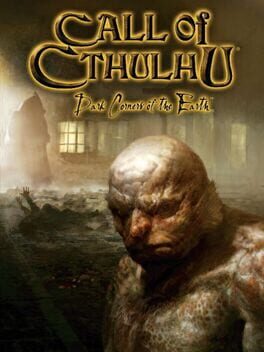
Call of Cthulhu: Dark Corners of the Earth is a first-person horror shooter set in Lovecraft's Innsmouth, combining gunplay, stealth, and a creeping sanity mechanic that warps the screen as you witness cosmic horrors. Its isolated, story-driven atmosphere and dread-soaked world-building feel like a direct ancestor to BioShock's design philosophy.
Key difference: Extremely punishing, uneven 2005-era design with no checkpoints early on.
Best for: Horror purists who want Lovecraftian dread over supernatural empowerment.
Skip if: You need modern gameplay polish and forgiving save systems.
Resident Evil 7 returns the series to first-person horror in a decaying Louisiana plantation, using limited resources and environmental puzzles to build sustained dread. Its isolated setting, inventory management, and atmosphere of a place gone deeply wrong echo BioShock's tension-building approach.
Key difference: Survival horror resource scarcity over supernatural power fantasy.
Best for: Players who want BioShock's isolation and dread cranked to eleven.
Skip if: You need ability upgrades and combat experimentation.
F.E.A.R. is a first-person shooter that wraps precise, physics-rich tactical gunplay around a genuinely terrifying supernatural horror narrative. Its slow-motion reflexes ability and smart AI create combat encounters as creative as BioShock's, while its horror set-pieces sustain constant dread.
Crysis offers a first-person power-fantasy similar to BioShock's Plasmid experimentation through its Nanosuit—toggle armour, stealth, speed, or strength to approach each encounter however you choose. Its isolated island setting creates a sense of self-contained exploration, though the tone is action over horror.
Key difference: Suit powers are tactical, not narrative-driven; tone is blockbuster action.
Best for: Players wanting BioShock's "mix your powers" sandbox in a shooter.
Skip if: You need BioShock's atmosphere, horror, and story depth.
Shifts setting to floating city with linear, propulsive pacing.
PlayStation, PC, Xbox
Prey
97%
Shooter, Puzzle
Metroidvania-style backtracking replaces BioShock's linear progression.
PlayStation, PC, Xbox
BioShock 2
95%
Shooter, Puzzle
Playing as a Big Daddy fundamentally changes the power fantasy.
PlayStation, PC, Xbox
System Shock 2
94%
Shooter, Role-playing (RPG)
1999-era interface and systems feel dated and unforgiving.
PC
Deus Ex: Human Revolution
91%
Shooter, Puzzle
Third-person cover system and dialogue trees add RPG depth.
PlayStation, PC, Xbox
Dishonored
89%
Puzzle, Role-playing (RPG)
First-person stealth is the primary intended approach, not shooting.
PlayStation, PC, Xbox
Singularity
87%
Shooter, Puzzle
Time manipulation replaces elemental Plasmids as the core power.
PlayStation, PC, Xbox
Deus Ex: Mankind Divided
84%
Shooter, Puzzle
Assumes familiarity with Human Revolution's lore and characters.
PlayStation, PC, Xbox
Fallout 3
83%
Shooter, Role-playing (RPG)
Vast open world replaces BioShock's carefully curated linear zones.
PlayStation, PC, Xbox
Fallout: New Vegas
83%
Shooter, Role-playing (RPG)
Heavy faction-based narrative decisions shape the entire world.
PlayStation, PC, Xbox
Dead Space
80%
Shooter, Puzzle
Third-person over-the-shoulder camera and no RPG powers.
PlayStation, PC, Xbox
Metro 2033
80%
Shooter, Role-playing (RPG)
Linear corridor shooter with survival horror; no supernatural powers.
PC, Xbox
Cyberpunk 2077
78%
Shooter, Role-playing (RPG)
Massive open world with dialogue-driven RPG rather than linear zones.
Xbox, PlayStation, Nintendo, PC
Half-Life 2
75%
Shooter, Action
No RPG upgrade systems; pure FPS physics-puzzle combat.
Xbox, PlayStation, PC, Mobile
Wolfenstein: The New Order
74%
Shooter, Adventure
No supernatural powers; straightforward FPS with light perks.
PlayStation, PC, Xbox
What Makes a Game Feel Like BioShock?
Three pillars define the BioShock feel: an isolated, self-contained world with a fallen civilisation to decode; supernatural or technological powers layered onto FPS gunplay so every encounter invites experimentation; and environmental narrative—stories told through corpses, graffiti, and audio recordings rather than cutscenes. Games that nail all three are rare. Dishonored hits the powers and world-building perfectly in its steampunk plague city. Deus Ex: Human Revolution replaces Plasmids with cybernetic augmentations and adds deeper stealth and dialogue systems. Both feel like direct creative siblings.
Fallout 3 and Fallout: New Vegas share BioShock's love of a failed utopian idea explored through ruins—Rapture and the Wasteland are both places that promised everything and delivered ruin—while Singularity, one of the genre's most overlooked gems, essentially remixes BioShock's structure wholesale with a Soviet Cold War setting and time-manipulation powers.
If You Want More Atmosphere and Horror Over Powers
If the supernatural-powers sandbox matters less to you than BioShock's suffocating dread and sense of place, Dead Space delivers some of the finest sci-fi horror atmosphere in games—its derelict mining ship is as oppressively detailed as Rapture, and its strategic dismemberment combat is just as creative in its own way. Resident Evil 7: Biohazard takes a first-person approach to the same formula in a decaying Louisiana plantation, sustaining genuine horror through resource scarcity and environmental puzzles.
For something more obscure, Call of Cthulhu: Dark Corners of the Earth is a forgotten forerunner—a first-person Lovecraftian horror shooter whose isolated New England setting and sanity mechanics feel like a direct ancestor to BioShock's design. Just be prepared for 2005-era roughness.
The Immersive-Sim Lineage: Before and After BioShock
BioShock sits in the middle of a rich lineage. Its spiritual grandfather is System Shock 2, which Irrational's Ken Levine explicitly cited as the blueprint—a FPS/RPG on a derelict space station with psionic powers, audio-log storytelling, and terrifying AI. Its most direct heir is Arkane's Prey (2017), which updates every one of those ideas with a modern engine while keeping the immersive-sim commitment to player creativity intact.
Between those poles sit Deus Ex: Human Revolution and Dishonored, both of which prove the genre's vitality: Human Revolution adds deep stealth and cyberpunk RPG systems, while Dishonored perfects the moment-to-moment power-stacking fantasy that BioShock pioneered. If you've finished BioShock and its sequels, this lineage is your roadmap.
Prey (2017) by Arkane Studios is widely considered the closest successor—it's a first-person immersive sim set on an isolated space station with Neuromod powers replacing Plasmids, deep hacking, and environmental storytelling through audio logs. Among games in the candidate pool, BioShock Infinite and BioShock 2 are the direct sequels, while Dishonored and Deus Ex: Human Revolution best replicate the powers-plus-shooter sandbox.
Is BioShock related to System Shock?
Yes, spiritually. BioShock was designed by Ken Levine as a thematic and mechanical successor to System Shock 2 (1999), which he co-created. System Shock 2 is a first-person RPG/shooter set on a derelict space station with psionic powers, audio-log storytelling, and horror atmosphere—the direct blueprint for Rapture. The two series share no story or characters but share nearly identical design DNA.
Is BioShock more of an RPG or a shooter?
BioShock is an immersive sim first—a genre that blends FPS gunplay with RPG-style progression (Plasmid upgrades, weapon upgrades, EVE management) and systemic level design that rewards creative problem-solving. It's heavier on shooting than most RPGs and heavier on customisation than most shooters, sitting squarely between the two.
Are there games like BioShock on PC that are often overlooked?
Yes. Singularity (2010) is the biggest hidden gem: a BioShock-alike with time-manipulation powers set on a Soviet Cold War island, nearly identical pacing, and atmospheric storytelling through scattered logs—often available for very little money. Call of Cthulhu: Dark Corners of the Earth is another underrated pick for its Lovecraftian horror atmosphere, though its age shows.
Does BioShock have good replayability?
BioShock has moderate replayability driven by its Plasmid and weapon upgrade choices—different power combinations (electricity plus water, fire plus oil) reward experimentation. It's not infinitely replayable like a roguelike, but a second run on a harder difficulty trying different Plasmid builds feels noticeably different. If you want more replayability in the same vein, Dishonored rewards multiple playthroughs for ghost/no-powers runs.
 97%
97%