Sorry! (1998) earned its following by combining the classic Hasbro board game's tense bump-your-opponents-back-to-start race with animated pawns bursting with personality — each color has its own voice and comedic attitude, and winning a game triggers a unique cutscene reward. The Way Sorry! mode added strategic card variants like Bully and Buddy that gave it more depth than a simple dice roller.
When players look for games like Sorry!, they're really after two things: the race-to-home board game loop with meaningful bump-back decisions, and the light, cheerful, family-friendly competitive energy that makes losing to a sibling both infuriating and funny. Analog or digital, that combination is surprisingly hard to replicate exactly.
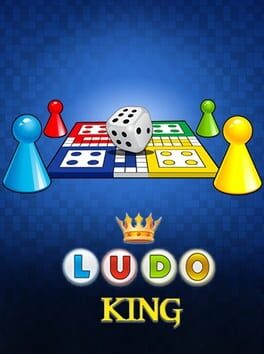
Top pick: The single closest pick is Ludo King — it replicates Sorry!'s core cross-shaped board, bump-opponent-to-start mechanic, and safe-zone strategy in a free, widely available digital package, making it the most direct substitute for what Sorry! actually does mechanically.
Some store buttons are affiliate links — we may earn a commission at no extra cost to you.
10 games like Sorry!
95%
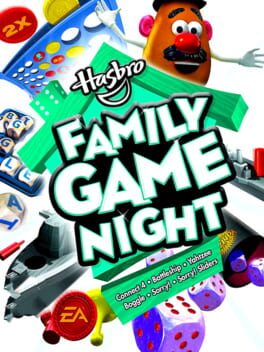
Hasbro Family Game Night 2008
This collection directly includes Sorry! alongside other Hasbro classics like Boggle and Battleship, preserving the animated pawn style and rule variants of the 1998 digital edition.
Key difference: No Way Sorry! mode or 1998-era animated cutscenes.
Best for: Anyone wanting the same board game in a modern package.
Skip if: You specifically want Sorry!'s 1998 humor and cutscenes.
PlayStationNintendoXbox
85%
Ludo King 2016
Ludo King is the closest mechanical sibling to Sorry! — pawns race home around a cross-shaped board, bumping opponents back to start, with identical slide-and-safe-zone logic.
Key difference: Dice-based Ludo rules instead of card-driven Sorry! movement.
Best for: Mobile players wanting the same bump-and-race loop.
Skip if: You need the card-draw and Sorry! card variety.
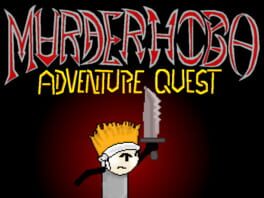
Aggravation shares Sorry!'s core bump-back-to-base race mechanic and family party feel, with marbles instead of pawns on a peg-holed board.
Key difference: Physical board game; limited digital versions exist.
Best for: Fans of the bump mechanic who want a pure analog experience.
Skip if: You need a polished digital interface.
80%
Parchis Club 2021
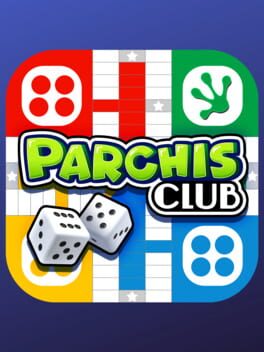
Parcheesi is the Indian cross-and-circle ancestor of Sorry!, featuring the same race-to-home structure, blockades, and bumping opponent pieces back to start.
Key difference: Dice instead of cards; no special power-up card variants.
Best for: Players who want Sorry!'s ancestry in a classic game.
Skip if: You want animated characters and comedic cutscenes.
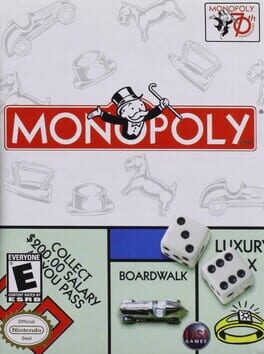
Monopoly digital editions share Sorry!'s family board game DNA: animated pieces, house rules options, and a light competitive tone with similar production values in the EA era releases.
Key difference: Property acquisition game, not a race-home movement game.
Best for: Families wanting another Hasbro digital board game night.
Skip if: You specifically enjoy Sorry!'s movement and bump mechanics.
Nintendo
55%
Tabletop Simulator 2015
Tabletop Simulator lets players load and play Sorry! board game rules with friends online in a physics-driven 3D table environment.
Key difference: DIY sandbox tool, not a polished dedicated board game app.
Best for: Players who want to play Sorry! with friends online now.
Skip if: You want animated pawns and built-in comedic personality.
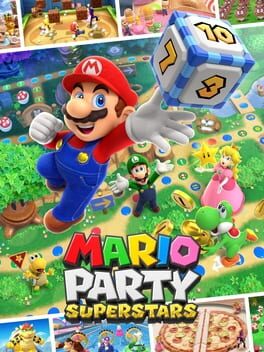
Mario Party Superstars captures the same chaotic family multiplayer energy as Sorry!, with players racing around a board bumping and stealing progress from each other.
Key difference: Minigame-heavy Nintendo party game vs. pure card-driven race.
Best for: Families who loved Sorry!'s competitive multiplayer chaos.
Skip if: You want strict board game rules without minigame interruptions.
Digital versions of The Game of Life share Sorry!'s Hasbro era production style, animated pawns with personality, and family-first design aimed at the same 1990s–2000s digital board game audience.
Key difference: Life-simulation path game, not a race-and-bump game.
Best for: Fans of the same era of Hasbro digital adaptations.
Skip if: You want opponent-bumping and comeback tension.
Baldur's Gate III uses a strict turn-based board-game-like structure with dice rolls determining outcomes, which echoes the turn-taking rhythm of Sorry!. It is otherwise a deep RPG, not a family board game.
Key difference: Complex 100-hour RPG vs. a 30-minute family board game.
Best for: Sorry! fans craving turn-based structure in a richer game.
Skip if: You want quick, casual, family-friendly play.
Warcraft III is a strategy game with discrete unit-move turns and asymmetric factions, the closest structural echo from the pool to Sorry!'s strategic movement decisions.
Key difference: Real-time competitive RTS, not a board game adaptation.
Best for: Players who want more strategic depth after Sorry!.
Skip if: You want couch co-op or family-friendly casual rules.
No Way Sorry! mode or 1998-era animated cutscenes.
PlayStation, Nintendo, Xbox
Ludo King
85%
—
Dice-based Ludo rules instead of card-driven Sorry! movement.
PC, Mobile
MurderHobo: Aggravation Quest
82%
—
Physical board game; limited digital versions exist.
—
Parchis Club
80%
Action
Dice instead of cards; no special power-up card variants.
Mobile
Monopoly
60%
—
Property acquisition game, not a race-home movement game.
Nintendo
Tabletop Simulator
55%
Strategy
DIY sandbox tool, not a polished dedicated board game app.
PC
Mario Party Superstars
50%
—
Minigame-heavy Nintendo party game vs. pure card-driven race.
Nintendo
The Game of Life
50%
—
Life-simulation path game, not a race-and-bump game.
PC
Baldur's Gate III
14%
Strategy, Action
Complex 100-hour RPG vs. a 30-minute family board game.
Xbox, PC, PlayStation
Warcraft III: Reign of Chaos
10%
Strategy
Real-time competitive RTS, not a board game adaptation.
PC
What Makes a Game Feel Like Sorry! (1998)?
Sorry!'s identity comes from three interlocking elements: card-driven movement (creating planning and luck tension), the bump rule (any pawn can be sent back to start, creating constant comebacks), and animated personality that makes each match feel alive. The 1998 version specifically leaned into humor with voiced pawns and cutscene rewards — a production style that was rare for board game ports of that era.
Ludo King and Parcheesi nail the board geometry and bump mechanic; Hasbro Family Game Night preserves the licensed presentation. None fully replicate the Way Sorry! card variety, but the core tension of racing home while threatening and protecting pawns is present in all of them.
Digital Board Game Adaptations Worth Playing Today
The 1998 PC board game adaptation era — which also produced titles like Monopoly and The Game of Life from Hasbro — has largely given way to mobile-first digital board games. Ludo King is the modern heir to Sorry!'s mass-market accessibility, available on every platform with online multiplayer. Tabletop Simulator on PC allows you to recreate Sorry! with friends online with full physics and house rules, though it lacks the automated animations of the original.
For the family-party-board-game energy more broadly, Mario Party Superstars captures the same competitive chaos — players sabotaging each other's progress, dramatic reversals in the final stretch, and the kind of table-flipping frustration that Sorry! was built around.
If You Love the Bump-Back Mechanic Specifically
Sorry!'s defining moment is hitting a 2 card and sending a rival's nearly-home pawn back to start. Aggravation and Parcheesi are the two closest analog games built entirely around that same mechanic — Aggravation with colored marbles, Parcheesi with its dice-driven blockade rules. Both are playable in digital form via Tabletop Simulator or older PC collections.
If you want that same satisfying cruelty in a video game context, Mario Party Superstars replicates it through item-based star theft and board trap placement, wrapping it in Nintendo's signature approachable presentation.
Is there a modern version of Sorry! I can play on PC or mobile?
Hasbro Family Game Night collections on older consoles included Sorry!, and while there is no current standalone PC release, Ludo King (free, mobile and PC) replicates the core board and bump mechanic closely. Tabletop Simulator on Steam also allows fan-made Sorry! table setups with friends.
What is Way Sorry! mode in the 1998 game?
Way Sorry! is an exclusive mode in the 1998 PC release that adds four new card types — Bully (send any opponent back), Buddy (move a teammate's pawn), Punish (slow an opponent), and Happy (bonus movement). It makes the game more strategic and chaotic than standard Sorry! rules.
What board games are most similar to Sorry! mechanically?
Ludo and Parcheesi share the identical cross-shaped race board and bump-opponent-to-start mechanic — Sorry! was derived from Parcheesi. Aggravation is another close relative. All three are the most mechanically faithful alternatives.
Is Sorry! (1998) available to download or buy today?
Sorry! (1998) by Third-I Productions is an abandonware-era title and is not sold through any current official storefront. Physical copies circulate on secondhand markets, and it can be run via DOSBox-compatible setups on modern Windows.
Are there any multiplayer online games like Sorry!?
Ludo King supports online multiplayer and is the most direct free option. Tabletop Simulator lets you play Sorry! board rules with friends online. For a more feature-rich party board game experience online, Mario Party Superstars (Nintendo Switch) captures the competitive family chaos of Sorry! with online play.
 95%
95%