Risk (2015) succeeds because it distils one of gaming's most satisfying fantasies — deploying armies across a world map, territory by territory, until one player rules it all — into a clean, turn-based board-game structure. The digital version adds 3D presentation and modern military flavour, but the heart is the classic loop: reinforce, attack an adjacent region, fortify, and repeat until your opponents are gone.
When players ask for "games like Risk," they're really looking for that same large-scale territorial domination with turn-based decision-making, a world map that feels like a game board, and the strategic tension of deciding where to push and when to hold. The best alternatives either translate that loop into a richer 4X or grand-strategy experience, or stay close to the board-game feel with a fresh coat of paint.
Top pick:The Battle of Polytopia (in Additional) is the single closest match — it is essentially Risk rebuilt as a sleek modern hex-map game with faster sessions — but if you want something from the pool, Sid Meier's Civilization V is the most beloved and most natural next step for any Risk fan, preserving the world-map territory conquest while adding just enough strategic depth to feel like a meaningful upgrade.
Some store buttons are affiliate links — we may earn a commission at no extra cost to you.
17 games like Risk
90%
The Battle of Polytopia 2016
Polytopia is arguably the most direct digital heir to Risk: a turn-based hex-map game where you expand your tribe's territory, build armies, and eliminate rivals on a generated world map with streamlined, board-game-clean mechanics.
Key difference: Simplified city-building layer replaces pure troop deployment.
Best for: Risk fans who want the fastest, cleanest equivalent.
Skip if: You want deep simulation or historical realism.
Civilization V is the definitive digital evolution of Risk's core loop: place armies, conquer territory, and eliminate rivals on a world map. The hex-grid board, city-state diplomacy, and era-spanning tech tree add depth without losing the territorial tug-of-war that defines Risk.
Key difference: Far deeper economy, tech, and culture systems alongside warfare.
Best for: Risk fans ready for a multi-system 4X experience.
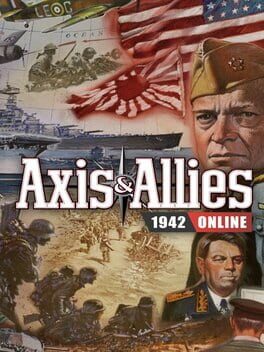
Axis & Allies 1942 Online is the digital board game most structurally similar to Risk: turn-based, territory control on a world map, dice combat, and player elimination — just with WWII factions and differentiated unit types.
Key difference: WWII factions with distinct unit types instead of generic armies.
Best for: Risk fans who want a near-identical loop with more tactical depth.
Skip if: You want fast sessions; Axis & Allies is slower.
Civilization VI refines the same conquer-the-world formula with district-based cities and a more dynamic map. Like Risk, every decision about where to move troops and when to strike rivals is central to winning.
Key difference: District and loyalty mechanics add city-management complexity.
Best for: Those who want Civ V's feel with modernised systems.
Skip if: You prefer minimal economic micromanagement.
Civilization IV distils the territorial domination fantasy into a clean turn-based package, rewarding players who expand aggressively and manage borders — exactly the Risk mindset on a global scale.
Key difference: Religion and culture systems shape borders beyond pure military force.
Best for: Players who like older, slightly simpler 4X.
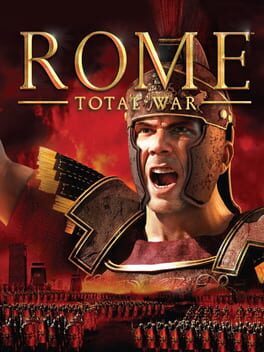
Rome: Total War splits Risk's map-level territory control from real-time battlefield command. The campaign map — moving armies into adjacent provinces to conquer or hold them — is the closest structural analog to a Risk board in the pool.
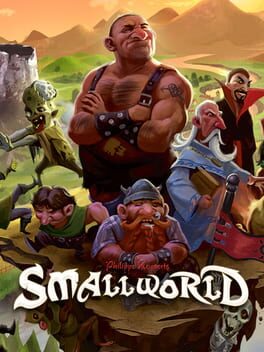
Small World (digital) is a territory-control board game where fantasy races compete to dominate a shared map using area-majority mechanics — the same core push-and-hold tension as Risk with declining civilisation twists.
Key difference: Races go into decline and you pick new ones, creating short cycles.
Best for: Risk fans who enjoy varied faction powers and quick sessions.
Skip if: You want a single persistent army to build.
Heroes of Might and Magic III: The Restoration of Erathia 1999
Heroes of Might and Magic III uses a turn-based adventure map where you capture towns and mines and move armies into enemy territory — strongly echoing Risk's territory-control loop but wrapped in fantasy RPG progression.
Key difference: Hero units level up and dungeons litter the map.
Best for: Risk fans who enjoy fantasy settings and unit variety.
Skip if: You want a realistic or modern-warfare theme.
PC
76%
Total War: Shogun 2 2011
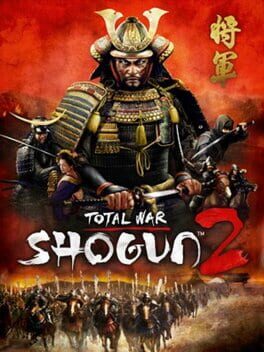
Shogun 2's campaign map is a province-by-province conquest board that plays like a beautifully polished Risk — move armies into adjacent territories, besiege castles, and eliminate rival clans to unify Japan.
Key difference: Real-time tactical battles when armies clash.
Best for: Risk fans who want stunning battles alongside strategic conquest.
Skip if: You want to avoid real-time combat entirely.
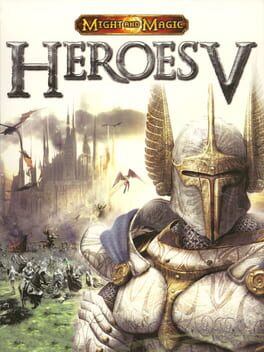
Heroes of Might and Magic V brings the same province-by-province conquest map as HoMM III but with 3D visuals and refined faction design, letting you sweep across a strategic map and eliminate rivals — a familiar Risk rhythm.
Key difference: Deeper skill trees and 3D tactical combat.
Best for: Those who want HoMM III's formula with better visuals.
Skip if: You want historical rather than fantasy conflict.
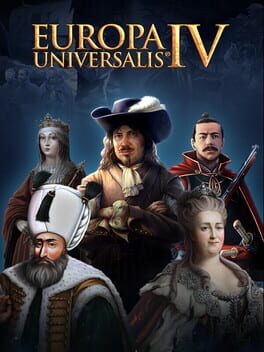
Europa Universalis IV is a grand-strategy game centred on controlling territories across a world map — you expand borders, manage armies, and eliminate or subjugate rivals, all Risk's core ambitions rendered in deep simulation.
Key difference: Extremely complex economy, diplomacy, and historical events.
Best for: Risk fans craving maximum strategic depth.
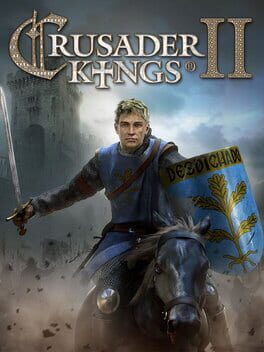
Crusader Kings II maps feudal Europe as interconnected territories you capture, inherit, and defend — the political maneuvering behind every land grab echoes Risk's diplomacy table, but with dynasty mechanics layered on top.
Key difference: Dynasty/character management is as important as armies.
Best for: Players who want intrigue alongside territory conquest.
Supreme Ruler Ultimate lets you command any modern nation on a real-world map — controlling regions, mobilising forces, and pursuing global domination with contemporary military hardware, mirroring Risk's modern-warfare twist.
Key difference: Deep economic and diplomatic simulation with real geography.
Best for: Risk fans who want the modern-military theme taken seriously.
Eador: Imperium is a turn-based fantasy strategy where you conquer fragmented shards of a world — moving armies into adjacent provinces, managing resources, and eliminating rival lords. Its shard-by-shard conquest strongly mirrors Risk's territory loop.
Key difference: RPG hero progression and fantasy setting replace modern combat.
Best for: Risk fans who want a hidden-gem board-game feel.
Stellaris transposes Risk's galaxy-domination fantasy into space: expand star systems, build fleets, and eliminate rival empires turn-by-turn on a procedural map. The 4X structure keeps the 'where do I push next' tension alive.
Key difference: Sci-fi setting with complex tech and alien diplomacy.
Best for: Risk fans who enjoy sci-fi and deeper empire-building.
Mount & Blade: Warband has a campaign map where kingdoms fight for fiefs and territories in a turn-based manner, then resolve battles in real-time. The ebb and flow of territorial control closely echoes Risk's domination objectives.
Key difference: Third-person real-time battles and individual character growth.
Best for: Risk fans who want direct battlefield participation.
Skip if: You want pure abstract strategy with no action.
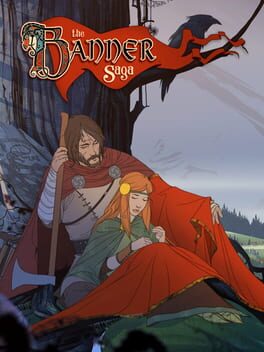
The Banner Saga is a turn-based strategy with an overland map where your caravan moves through contested territory, making strategic decisions about where to push. The combat is grid-based and resource-scarce, favouring deliberate positioning.
Key difference: Narrative-heavy, linear story rather than open domination.
Best for: Risk fans who also enjoy story and Norse aesthetics.
Simplified city-building layer replaces pure troop deployment.
PC, Mobile, Nintendo
Sid Meier's Civilization V
87%
Strategy
Far deeper economy, tech, and culture systems alongside warfare.
PC
Axis & Allies 1942 Online
85%
Strategy
WWII factions with distinct unit types instead of generic armies.
PC, Mobile
Sid Meier's Civilization VI
84%
Strategy
District and loyalty mechanics add city-management complexity.
PlayStation, PC, Mobile, Xbox, Nintendo
Sid Meier's Civilization IV
82%
Strategy
Religion and culture systems shape borders beyond pure military force.
PC
Rome: Total War
78%
Strategy
Tactical RTS battles replace dice resolution when armies meet.
Mobile, PC
Small World
78%
Strategy
Races go into decline and you pick new ones, creating short cycles.
Mobile, PC
Heroes of Might and Magic III: The Restoration of Erathia
76%
Strategy
Hero units level up and dungeons litter the map.
PC
Total War: Shogun 2
76%
Strategy
Real-time tactical battles when armies clash.
PC
Heroes of Might and Magic V
70%
Strategy
Deeper skill trees and 3D tactical combat.
PC
Europa Universalis IV
70%
Strategy
Extremely complex economy, diplomacy, and historical events.
PC
Crusader Kings II
65%
Strategy
Dynasty/character management is as important as armies.
PC
Supreme Ruler Ultimate
64%
Strategy
Deep economic and diplomatic simulation with real geography.
PC
Eador: Imperium
62%
Strategy
RPG hero progression and fantasy setting replace modern combat.
PC
Stellaris
61%
Strategy
Sci-fi setting with complex tech and alien diplomacy.
Xbox, PlayStation, PC
What Makes a Game Feel Like Risk?
The Risk formula rests on three pillars: a shared world map carved into discrete territories, turn-based army movement where adjacency matters, and an elimination victory condition that makes every alliance and attack feel consequential. Games that nail all three — like Civilization V and Rome: Total War — feel the most like Risk, even if they add layers on top.
Beyond mechanics, Risk has a particular scale: you're commanding entire armies across a globe, not managing individual soldiers. That grand sweep is why titles like Europa Universalis IV and Supreme Ruler Ultimate scratch the same itch even when their systems are far deeper — they keep you thinking in terms of world domination, one territory at a time.
If You Want the Board-Game Feel, Not a Full Simulation
Sometimes you want Risk's clean, board-game elegance without the hundred-hour learning curve of a grand-strategy game. Eador: Imperium is the hidden gem here — its shard-by-shard conquest is structurally almost identical to a Risk board, and sessions are far shorter than Civilization. Similarly, Heroes of Might and Magic III wraps Risk's territory-control map loop in fantasy adventure trappings that never feel overwhelming.
If you'd rather stay closest to Risk's actual structure, the Additional picks Axis & Allies 1942 Online and Small World are digital board games that share its dice-and-territory DNA almost exactly — just with WWII factions or declining fantasy races swapped in.
For the Modern-Military Theme Specifically
Risk (2015) leans into modern armies — tanks, jets, infantry on a near-future globe. If that military realism matters as much as the strategy, Supreme Ruler Ultimate is the deepest pool you can jump into: real nations, modern hardware, and a literal world map to dominate. It's rough around the edges but rewards the Risk mindset of expanding borders and eliminating rivals.
Rome: Total War trades modern for ancient but keeps the same province-conquest campaign board, and its battles feel genuinely tactical rather than abstracted. For players who want the modern-combat atmosphere without the complexity spike, Total War: Shogun 2 (in Additional) offers a gorgeous middle ground between Risk's accessibility and a full military simulation.
The Battle of Polytopia is the most structurally similar digital game — turn-based, hex-map territory control with elimination victory — but Sid Meier's Civilization V is the most popular recommendation for Risk fans wanting a richer experience on PC.
Are there any games like Risk but with more depth?
Yes. Civilization V and Civilization VI add technology, culture, and diplomacy to the same world-conquest loop. Europa Universalis IV goes even deeper with historical grand strategy. Rome: Total War lets you fight individual battles when armies clash on the campaign map.
Is there a game like Risk that is faster to play?
The Battle of Polytopia is designed for shorter sessions — games can finish in under an hour. Small World (digital) also keeps territory-control matches tight. Eador: Imperium offers Risk-style shard conquest in more digestible chunks than a full Civilization campaign.
What game is like Risk but set in fantasy or sci-fi?
Heroes of Might and Magic III uses a turn-based territory-conquest map in a fantasy world. Stellaris translates the domination fantasy into a 4X space setting. Eador: Imperium features fantasy shards you conquer one province at a time, very close to Risk's loop.
Is Civilization the same as Risk?
They share the world-domination premise and turn-based map movement, but Civilization adds city building, technology research, culture, and religion — it is considerably more complex. Risk fans typically find Civilization a natural and satisfying step up, not a replacement.
 90%
90%