Idle Tower Defense earns its fans through a tight, deliberate loop: a single tower you outfit with stackable modules, deterministic enemy waves you can fully analyze, and the satisfaction of finding a build combination that turns your lone installation into an unstoppable machine. There is no luck to blame — every failed run is a design problem to solve.
When players search for games like Idle Tower Defense, they're really looking for two things: the wave-survival tension of classic tower defense and the idle/incremental upgrade satisfaction of choosing and optimizing modules or upgrades over time. The best matches here deliver at least one of those pillars strongly — and a handful deliver both.
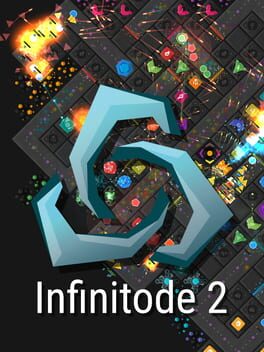
Top pick:Infinitode 2 (listed under Additional) is the single closest match: a deep tower defense game with a tech-tree module upgrade system, deterministic wave maps, and an idle-friendly auto-speed option — but if you want something from the candidate pool, Bloons TD 6 is the highest-quality tower defense available with the deepest upgrade-path build theory.
Some store buttons are affiliate links — we may earn a commission at no extra cost to you.
24 games like Idle Tower Defense
93%
Bloons TD 6 2018
Bloons TD 6 is the gold standard of wave-based tower defense, where you place and upgrade towers with distinct upgrade paths to stop endless balloon hordes. Like the anchor, mastering build synergies between tower modules is the central skill loop.
Key difference: Multi-tower placement across a map, not a single tower.
Best for: Players wanting deep tower variety and co-op modes.
Skip if: You prefer a focused single-tower upgrade sim.
Infinitode 2 is a tower defense game where you build and upgrade towers with deep tech-tree module systems against deterministic, endless waves of enemies across many maps. Its upgrade-path depth and wave structure are arguably the closest single game to the anchor's formula.
Key difference: Multi-tower placement on a full map, not a single tower.
Best for: Players who want maximum TD depth and upgrade theory crafting.
Skip if: You want a minimal, streamlined single-tower idle experience.
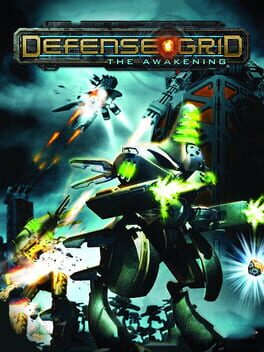
Defense Grid: The Awakening is a pure, puzzle-like tower defense where you optimize tower placement and upgrades to survive increasingly brutal enemy waves. Its emphasis on strategic module-like tower synergy closely mirrors the anchor's build-crafting feel.
Key difference: Multiple tower placement on a grid rather than one upgradeable tower.
Best for: Players who want a clean, polished TD with no bloat.
Skip if: You dislike planning tower layouts on a fixed map.
Defense Grid 2 refines the first game's formula with more enemy types and tower interactions, rewarding players who optimize their upgrade choices across deterministic wave scenarios. The strategic depth and clean wave structure feel very similar to the anchor.
Key difference: Classic multi-tower grid placement, not a single modular tower.
Best for: Fans of Defense Grid 1 wanting more content and polish.
Skip if: You already exhausted Defense Grid: The Awakening.
GemCraft lets you craft and combine magical gems that you slot into towers, walls, and traps — a direct module-crafting system against endless waves. Its gem-combining build theory is the closest analog to the anchor's module-selection mechanic in any tower defense game.
Key difference: Gem-combining crafting system across multiple towers, not one tower.
Best for: Players who love deep build theory and min-maxing gem synergies.
Skip if: You want modern graphics or mobile-friendly controls.
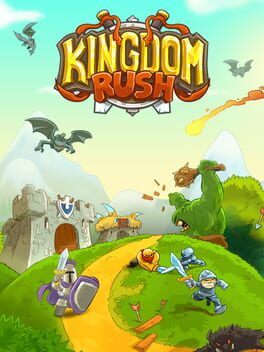
Kingdom Rush is the definitive mobile-style tower defense, with four tower types each branching into powerful specializations you choose mid-campaign. The upgrade decision-making and wave-survival structure closely echo the anchor's module-selection gameplay.
Key difference: Hero unit and map-wide tower placement, not a single tower.
Best for: Players wanting a narrative campaign alongside the TD loop.
Skip if: You dislike cute/fantasy art and want sci-fi aesthetics.
Plants vs. Zombies is a lane-based tower defense where you select and place plant 'towers' with distinct roles to survive deterministic zombie waves. Its methodical wave pacing and loadout customization feel very close to the anchor's build approach.
Key difference: Lane-based grid with many plant towers, not a single upgradeable one.
Best for: Players wanting approachable TD with tons of character variety.
Skip if: You want heavy mechanical depth over casual pacing.
Vampire Survivors is an auto-attacking idle survivor where your character fires automatically while you choose weapon upgrade modules each level to survive endless escalating hordes. Its idle auto-combat, module-selection build system, and endless wave structure are extremely close to the anchor's DNA.
Key difference: Moving character in an open arena rather than a fixed tower.
Best for: Players who want the anchor's idle upgrade loop with more variety.
Skip if: You want traditional fixed-position tower placement.
Arknights is a tactical tower defense with a deep operator (unit) module-upgrade system where you customize skills and build compositions to hold endless enemy rushes. Its 'equip modules to units' loop is the closest in the pool to the anchor's module-crafting concept.
Key difference: Gacha-style live-service with many deployed units instead of one tower.
Best for: Players who want a full build-theory system with TD combat.
Skip if: You dislike gacha monetization or always-online requirements.
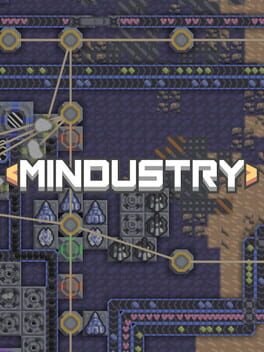
Mindustry is a factory-building and tower defense hybrid where you construct conveyor belts and turrets that auto-fire at waves of enemies — essentially an idle-style automated defense that grows in complexity. Its resource-loop-into-wave-defense feel matches the anchor's idle DNA well.
Key difference: Large-scale factory building required, not just tower module selection.
Best for: Players who enjoy idle automation alongside wave defense.
Skip if: You dislike resource-chain management and factory puzzles.
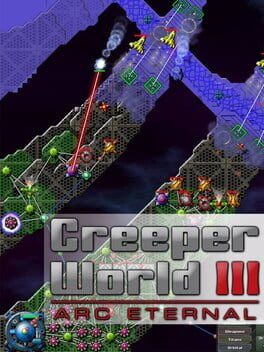
Creeper World 3 tasks you with repelling a slow-flowing liquid enemy using a network of weapons and emitters, creating a unique tower defense feel where optimizing your upgrade choices and placement determines survival. Its endless wave equivalent gives a similar 'survive and upgrade' rhythm.
Key difference: Unique fluid-enemy mechanic instead of discrete wave marching.
Best for: Players wanting a deeply original strategy/TD hybrid.
Skip if: You want traditional lane-based enemy waves.
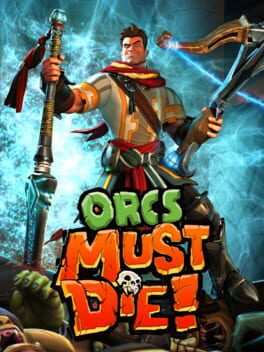
Orcs Must Die! blends third-person action with trap placement and upgrade purchases to massacre orc hordes through chokepoints. The trap-module selection and wave-clearing loop feel closely analogous to the anchor's build customization.
Key difference: Active player-controlled combat alongside trap placement.
Best for: Players wanting direct action involvement in their TD.
Skip if: You prefer fully passive idle/automated defense.
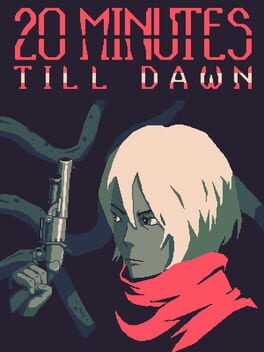
20 Minutes Till Dawn is a top-down survivor where you choose weapon-upgrade modules each run to auto-attack endless hordes of Lovecraftian enemies until time runs out. Its module-build selection and idle auto-attack survival loop directly echo the anchor.
Key difference: Moving character roguelite structure, not a fixed tower.
Best for: Players who want the module-build system in a faster, roguelite format.
Skip if: You want zero randomization and no movement required.
Rogue Tower is a tower-defense roguelite where you place and upgrade towers along a single branching path, choosing upgrade cards after each wave. Its escalating wave structure and upgrade-selection loop closely match the anchor's endless-wave feel.
Key difference: Roguelite run structure with randomized card choices each run.
Best for: Players wanting the anchor's feel but with run-based variety.
Skip if: You specifically want no randomization in upgrade choices.
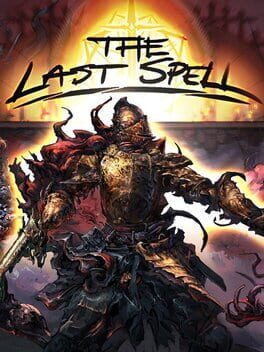
The Last Spell combines turn-based combat with tower defense base protection: you build walls and upgrade hero abilities to repel nightly waves of undead. Its deterministic wave escalation and build customization closely mirror the anchor's survival loop.
Key difference: Turn-based hero RPG layer between wave-defense phases.
Best for: Players who want deep character builds fused with wave defense.
Skip if: You want real-time action rather than turn-based combat.
Brotato is a wave-survival auto-shooter where you outfit a potato character with up to six weapons and stat items each wave, creating synergistic builds that carry you through endless hordes. Its between-wave module shopping and idle auto-attack feel closely match the anchor.
Key difference: Active arena movement and randomized item shop each wave.
Best for: Players wanting rapid build experimentation and high replayability.
Skip if: You specifically want no randomization and a fixed progression path.
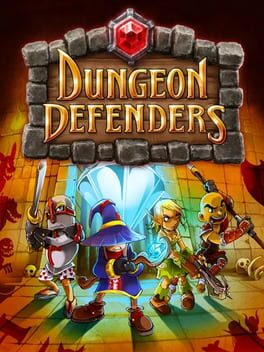
Dungeon Defenders fuses tower defense with action RPG progression, letting you place and upgrade towers while leveling a hero with its own gear and abilities. Its endless wave mode and upgrade-tree depth resemble the anchor's module-building loop.
Key difference: Full action RPG character progression layered over the TD base.
Best for: Players wanting RPG loot alongside wave defense.
Skip if: You want a lean idle experience without RPG overhead.
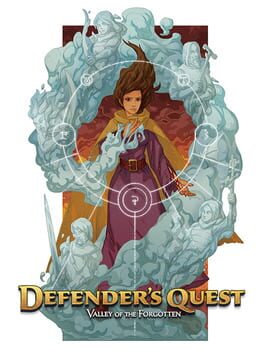
Defender's Quest places RPG characters as your 'towers' with skill trees you upgrade between waves, creating a build-crafting loop set against deterministic enemy rushes. Its upgrade depth on a small set of units is conceptually close to the anchor's module system.
Key difference: JRPG character management replaces mechanical tower upgrades.
Best for: Players who want RPG narrative woven into TD structure.
Skip if: You dislike anime-style JRPG presentation.
Sanctum 2 merges first-person shooter gameplay with traditional tower defense, letting you build and upgrade towers between waves before actively fighting alongside them. Its hybrid loop of tower building and direct combat shares the anchor's wave escalation feel.
Key difference: First-person shooter combat is mandatory, not passive.
Best for: FPS fans who want tower defense strategy layered in.
Skip if: You want idle/passive defense, not active FPS gameplay.
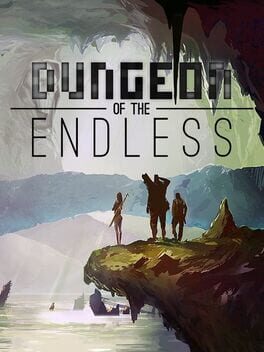
Dungeon of the Endless blends roguelite dungeon crawling with room-based tower defense, where you allocate resources to modules that generate power and defenses each turn. Its 'module management under pressure' loop echoes the anchor's upgrade-selection feel.
Key difference: Roguelite dungeon exploration structure, not pure wave defense.
Best for: Players wanting a dark sci-fi/fantasy setting with TD-lite depth.
Skip if: You want straightforward lane-based waves without exploration.
They Are Billions is a survival RTS where you fortify a base and survive enormous zombie hordes across timed waves, rewarding careful upgrade and expansion decisions. Its 'hold your ground through escalating waves' premise aligns with the anchor's core tension.
Key difference: Full colony-building RTS rather than focused single-tower defense.
Best for: Players wanting large-scale base building with wave pressure.
Skip if: You want a focused idle loop, not a full RTS to manage.
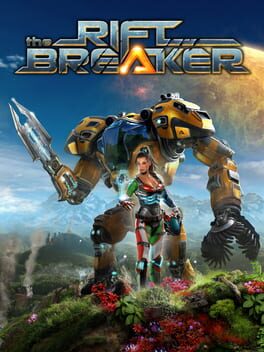
The Riftbreaker has you build and automate a base that auto-fires at alien waves while you manage resource upgrades — a hybrid of idle base-building and wave defense. Its auto-combat upgrade loop mirrors some of the anchor's idle feel.
Key difference: Active third-person action and full base-building required.
Best for: Players wanting idle auto-combat fused with action RPG.
Skip if: You dislike active base management between waves.
Clicker Heroes is a pure idle RPG where heroes auto-attack endless enemy waves while you spend gold on upgrades and passive abilities. Its incremental upgrade loop and endless wave structure share the anchor's idle progression DNA.
Key difference: No tower defense placement; pure idle number-scaler.
Best for: Players who want maximum idle automation with zero active play.
Skip if: You want strategic build decisions, not pure number scaling.
Cookie Clicker is the quintessential idle/incremental game where passive production chains grow exponentially as you unlock upgrades and buildings. It shares the anchor's idle progression loop and 'optimize your build' satisfaction.
Key difference: No enemies or waves; purely incremental production simulation.
Best for: Players who prioritize idle progression over any combat.
Skip if: You want any action or defense element in your idle game.
Multi-tower placement across a map, not a single tower.
PlayStation, Mobile, PC, Xbox, Nintendo
Infinitode 2: Infinite Tower Defense
93%
Strategy, Indie
Multi-tower placement on a full map, not a single tower.
Mobile, PC
Defense Grid: The Awakening
90%
Strategy, Indie
Multiple tower placement on a grid rather than one upgradeable tower.
PC, Xbox
Defense Grid 2
88%
Strategy, Indie
Classic multi-tower grid placement, not a single modular tower.
PlayStation, PC, Xbox, Nintendo
GemCraft - Chasing Shadows
88%
Strategy, Indie
Gem-combining crafting system across multiple towers, not one tower.
PC
Kingdom Rush
87%
Strategy, Indie
Hero unit and map-wide tower placement, not a single tower.
PC, Mobile, Xbox, Nintendo
Plants vs. Zombies
85%
Strategy
Lane-based grid with many plant towers, not a single upgradeable one.
PlayStation, PC, Mobile, Xbox, Nintendo
Vampire Survivors
85%
Indie
Moving character in an open arena rather than a fixed tower.
Xbox, PlayStation, PC, Mobile, Nintendo
Arknights
84%
Strategy
Gacha-style live-service with many deployed units instead of one tower.
Mobile
Mindustry
82%
Strategy, Indie
Large-scale factory building required, not just tower module selection.
PC, Mobile
Creeper World 3: Arc Eternal
80%
Strategy, Indie
Unique fluid-enemy mechanic instead of discrete wave marching.
PC
Orcs Must Die!
78%
Strategy, Indie
Active player-controlled combat alongside trap placement.
PC, Xbox
20 Minutes Till Dawn
78%
Strategy, Indie
Moving character roguelite structure, not a fixed tower.
Mobile, PC, Nintendo
Rogue Tower
77%
Strategy, Indie
Roguelite run structure with randomized card choices each run.
PC
The Last Spell
76%
Strategy, Indie
Turn-based hero RPG layer between wave-defense phases.
PlayStation, PC, Nintendo
What makes a game feel like Idle Tower Defense?
Three elements define the anchor's feel: deterministic waves (no random enemy spawns so you can plan), a module or upgrade selection system that rewards build theory over reflexes, and a satisfying idle/auto-combat loop where your setup does the work. Games like Defense Grid: The Awakening and Defense Grid 2 nail the deterministic wave puzzle feel perfectly — both feature fixed enemy paths you can study and optimize tower placement against with zero luck involved.
For the idle/module upgrade angle, Arknights comes closest in the candidate pool: each operator has a literal "Module" upgrade system you unlock, and the auto-battle feature lets stages play out passively once your build is set. Mindustry takes a different angle — its factory-automation layer means your defenses fire completely idle once constructed, rewarding careful build planning over active play.
Best picks if you want deeper build customization
If the module-crafting aspect of the anchor is what hooked you, focus on games where upgrade choices meaningfully change your strategy. Kingdom Rush and its sequel Kingdom Rush Frontiers offer two distinct upgrade branches per tower type, letting you specialize toward area damage, single-target burst, or utility — decisions that feel similar to slotting the right module combination. The Last Spell goes even further, combining a tower-defense perimeter with a hero build system of spells and passive upgrades you refine each night.
For something more mechanically niche, Defender's Quest: Valley of the Forgotten treats each deployed unit as a fully upgradeable 'tower' with its own skill tree, making every wave a question of which build loadout to bring — very close to the anchor's module-selection philosophy.
If you want the idle progression side over the tower defense side
Some players love Idle Tower Defense primarily for its incremental upgrade loop rather than the lane-based wave structure. For pure idle satisfaction, Clicker Heroes delivers endless auto-combat against waves of enemies while you invest gold into a growing roster of passive upgrades — no tower placement needed. Cookie Clicker strips away enemies entirely but delivers the same exponential upgrade dopamine of optimizing a build chain.
The best bridge between both worlds is Vampire Survivors (listed under Additional) — your character attacks idle-style while you choose weapon-upgrade modules every level to survive endless hordes, making it the closest feel to the anchor's idle-module-wave combination in a different genre wrapper.
Is there a game exactly like Idle Tower Defense but with more content?
Infinitode 2 is the closest equivalent with far more maps, a full tech-tree module system, and deterministic wave design. In the candidate pool, Bloons TD 6 offers the most content of any tower defense game with deep upgrade paths.
What tower defense games have a module or upgrade system similar to Idle Tower Defense?
Arknights features a literal Module upgrade system for units, GemCraft - Chasing Shadows uses gem-crafting as a module analog, and Defense Grid: The Awakening has a deep tower-type specialization system. All three reward build theory over reflexes.
Are there idle games with a tower defense element?
Vampire Survivors is the most popular hybrid — idle auto-attacks against endless waves with module-like weapon upgrades. Mindustry automates turret defense through factory building. Clicker Heroes uses auto-combat against waves as its idle hook.
What is a good tower defense game for someone who likes no randomization?
Defense Grid: The Awakening and Defense Grid 2 are the best picks — fully deterministic enemy paths and wave compositions you can plan against completely. Kingdom Rush campaigns are also deterministic with fixed enemy rosters per level.
What games have the same endless-wave survival feel as Idle Tower Defense?
Bloons TD 6's Freeplay mode, They Are Billions' survival maps, and Rogue Tower all focus on surviving escalating endless waves. For a purer idle take, Clicker Heroes and Vampire Survivors both structure their entire games around endless escalating enemy waves.
 93%
93%