Smash TV's formula is deceptively simple: drop into an arena, shoot everything that moves from all four sides, grab every power-up and prize in sight, clear the room, and do it again — faster, harder, with more enemies than should be physically possible. The satirical sci-fi TV-show wrapper gave it personality, but the real hook was the relentless twin-stick horde loop perfected by designer Eugene Jarvis, who had already invented it with Robotron: 2084 eight years earlier.
When players ask for "games like Smash TV" they're really looking for one or more of these things: top-down twin-stick shooting, arena-lock room-clearing, endless enemy hordes flooding from all sides, fast power-up and loot collection mid-fight, and an arcade score-chasing mindset. The ideal match nails at least three of those pillars.
Top pick:Nex Machina (in "additional") is the single closest pick — Eugene Jarvis co-designed it as a deliberate spiritual successor, and it reproduces Smash TV's room-by-room twin-stick horde shooting with modern bullet-hell density; if you want Smash TV in 2024, that is your game. From the candidate pool, The Binding of Isaac: Rebirth is the strongest choice, sharing the exact room-by-room structure, twin-stick shooting, and frantic mid-fight power-up collection that define Smash TV's core loop.
Some store buttons are affiliate links — we may earn a commission at no extra cost to you.
17 games like Smash T.V.
96%💎 Gem
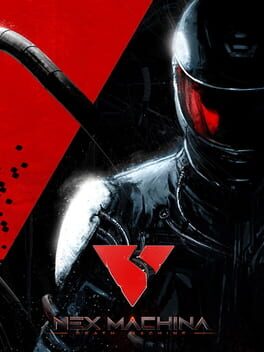
Nex Machina 2017
Nex Machina is a direct spiritual successor to Smash TV made by Eugene Jarvis himself: top-down twin-stick arena shooting with screen-filling bullet patterns, room-by-room clearing, and an obsessive arcade score loop.
Key difference: More bullet-hell density; no satirical TV-show framing.
Best for: Anyone who wants the purest modern Smash TV experience.
Skip if: You dislike high difficulty or bullet-hell density.
The Binding of Isaac: Rebirth is the closest modern equivalent: a top-down, room-by-room arena shooter where enemies flood in from all sides and you collect dozens of stacking power-up items to survive. Each cleared room leads to the next, mirroring Smash TV's studio-room structure almost exactly.
Key difference: Roguelite runs with heavy horror-grotesque theming instead of arcade TV-show satire.
Best for: Fans who want the room-clearing loop with massive replayability.
Skip if: You hate permadeath or disturbing religious/body-horror imagery.
Enter the Gungeon is a twin-stick roguelite where you clear room after room of bullet-spraying enemies and collect increasingly wild guns and items — the room-by-room prize-grabbing loop of Smash TV fully realised.
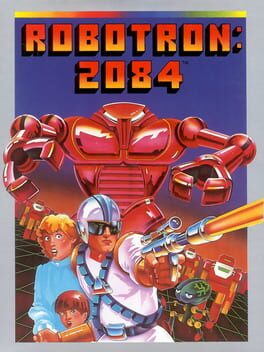
Robotron: 2084 is the direct ancestor of Smash TV — same designer, same studio, same dual-joystick twin-stick arena shooting against waves of robots from all sides. Smash TV is essentially Robotron with prizes and a game-show wrapper.
Key difference: Single-screen arena only; no room progression or boss fights.
Best for: Purists and arcade historians tracing Smash TV's lineage.
Skip if: You need room-to-room progression or modern graphics.
PCXbox
80%💎 Gem
Nuclear Throne 2015
Nuclear Throne is a top-down roguelite shooter where you push through rooms of bullet-spraying mutant enemies, grab weapon drops mid-fight, and must kill everything before moving on — the Smash TV loop distilled with brutal modern speed.
Key difference: Roguelite run structure; post-apocalyptic mutant theme.
Best for: Players who want Smash TV chaos at maximum speed.
Skip if: You dislike permadeath or pixel art aesthetics.
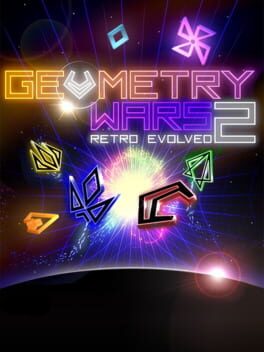
Geometry Wars: Retro Evolved 2 is a single-screen twin-stick arena shooter with waves of geometric enemies flooding from all directions and a leaderboard score-attack structure that captures Smash TV's arcade urgency perfectly.
Key difference: Single-screen arena only; abstract neon geometry, no rooms or loot.
Best for: Fans who want pure twin-stick arcade scoring without item collection.
Skip if: You want room progression, prizes, or boss encounters.
Xbox
72%
Hotline Miami 2012
Hotline Miami is a top-down room-clearing action game where you enter each floor, eliminate every enemy with brutal efficiency, and collect masks that modify your abilities — the violent room-purge structure mirrors Smash TV's DNA.
Key difference: Slow planning between ultra-fast kills; 80s crime setting, not sci-fi TV.
Best for: Players who want top-down horde clearing with one-hit lethality.
Skip if: You want twin-stick continuous shooting rather than tactical burst combat.
Hades tasks you with fighting through chambers of enemies in fast, top-down combat, collecting boons and upgrades between rooms in a run-based structure. The relentless horde feel and escalating power-ups echo Smash TV's momentum.
Key difference: Narrative-driven roguelite with Greek mythology, not pure arcade shooting.
Best for: Players who want horde-clearing action plus a rich story.
Skip if: You want a pure twin-stick shooter with no dialogue or RPG layering.
Cuphead is a run-and-gun arcade shooter with brutally intense action and a 1930s cartoon aesthetic, demanding pattern recognition and precise shooting against relentless enemies. The arcade DNA and punishing difficulty match Smash TV's tone.
Key difference: Side-scrolling run-and-gun and boss rush, not top-down arena.
Best for: Smash TV fans craving arcade-hard shooting with visual flair.
Skip if: You need a twin-stick perspective or horde waves over arenas.
Diablo puts you in isometric top-down dungeons clearing hordes of monsters room-by-room while looting weapons and power items — the loot-fuelled horde-clearing loop feels like Smash TV slowed down and deepened.
Key difference: Action-RPG with slow itemization, not a fast arcade shooter.
Best for: Smash TV fans who want longer sessions with deeper loot.
Skip if: You want twitch reflexes and score-attack arcade speed.
Doom (2016) captures Smash TV's philosophy of constant movement, aggressive enemy pressure, and arena-lock encounters where you must clear every threat before advancing. The sci-fi setting and horde combat feel spiritually connected.
Key difference: First-person 3D shooter, not top-down twin-stick.
Best for: Smash TV fans who want the horde-clearing aggression in first person.
Skip if: You specifically want top-down perspective and arcade score loops.
Left 4 Dead is a co-op shooter built around surviving endless waves of enemies swarming from all directions, with a premium on teamwork and positional awareness — the co-op horde survival core of Smash TV expanded into a full FPS.
Key difference: First-person, linear corridor levels, zombie horror instead of sci-fi TV.
Best for: Smash TV fans who loved the co-op mode and want modern horde survival.
Skip if: You want a solo, arcade, top-down experience.
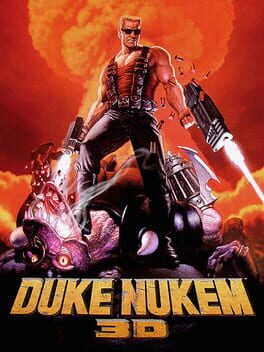
Duke Nukem 3D shares Smash TV's over-the-top sci-fi B-movie bravado, fast arcade combat, and collectible power-up loops, even if the perspective shifted to first-person. The satirical machismo and sci-fi enemy designs feel like cousins.
Key difference: First-person maze exploration instead of enclosed arena rooms.
Best for: Smash TV fans who appreciate the pulpy sci-fi satire alongside shooting.
Skip if: You need twin-stick controls or a score-attack loop.
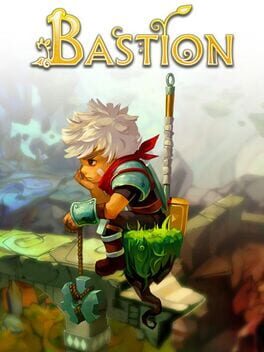
Bastion features isometric hack-and-shoot combat with constant enemy pressure and a steady stream of ability and weapon upgrades, echoing the feel of pushing through hostile gauntlets while gathering power.
Key difference: Narrative-driven action-RPG with platforming sections, not arcade arena combat.
Best for: Players who want isometric top-down action with a memorable soundtrack.
Skip if: You want pure horde shooting with no story or RPG stats.
NieR: Automata includes extended bullet-hell twin-stick sections alongside action combat, and its sci-fi android-vs-machine premise carries the same pulpy sci-fi spectacle as Smash TV's TV-show dystopia.
Key difference: Primarily a third-person action-RPG with a literary narrative.
Best for: Fans who want twin-stick bullet-hell moments wrapped in a deep game.
Skip if: You want pure arcade loop without 40 hours of story.
Control locks you in arena-like rooms that must be cleared of supernatural enemies before you can advance, with a sci-fi government-facility setting and an increasingly powerful moveset that rewards aggressive play.
Key difference: Third-person cover/physics shooter with a slow-burn mystery story.
Best for: Players who want the arena-lock room structure with modern visuals.
Skip if: You want fast arcade twin-stick shooting with no narrative.
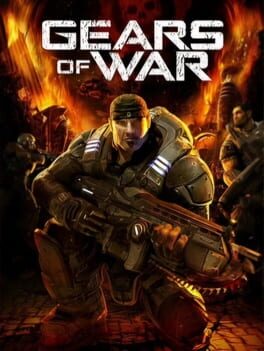
Gears of War popularized the wave-horde mode (Horde 2.0) and its core loop of clearing enemies from enclosed arenas under pressure has clear roots in games like Smash TV.
Key difference: Cover-based third-person shooter with a sci-fi war narrative.
Best for: Co-op fans who want organised horde combat with heavier production.
Skip if: You want top-down arcade gameplay without cover mechanics.
More bullet-hell density; no satirical TV-show framing.
PlayStation, PC
The Binding of Isaac: Rebirth
88%
Shooter, Arcade
Roguelite runs with heavy horror-grotesque theming instead of arcade TV-show satire.
PlayStation, PC, Nintendo, Mobile, Xbox
Enter the Gungeon
88%
Shooter, Arcade
Roguelite gun-pun theme; permadeath runs instead of coin-op credits.
PlayStation, PC, Mobile, Xbox, Nintendo
Robotron: 2084
85%
Shooter, Arcade
Single-screen arena only; no room progression or boss fights.
PC, Xbox
Nuclear Throne
80%
Shooter, Arcade
Roguelite run structure; post-apocalyptic mutant theme.
PlayStation, PC, Xbox, Nintendo
Geometry Wars: Retro Evolved 2
78%
Shooter, Action
Single-screen arena only; abstract neon geometry, no rooms or loot.
Xbox
Hotline Miami
72%
Shooter, Arcade
Slow planning between ultra-fast kills; 80s crime setting, not sci-fi TV.
Xbox, PlayStation, PC, Mobile, Nintendo
Hades
68%
Action
Narrative-driven roguelite with Greek mythology, not pure arcade shooting.
Xbox, PlayStation, PC, Mobile, Nintendo
Cuphead
55%
Shooter, Arcade
Side-scrolling run-and-gun and boss rush, not top-down arena.
PlayStation, PC, Xbox, Nintendo
Diablo
52%
Action
Action-RPG with slow itemization, not a fast arcade shooter.
PC, PlayStation
Doom
48%
Shooter, Action
First-person 3D shooter, not top-down twin-stick.
PlayStation, PC, Xbox
Left 4 Dead
44%
Shooter, Action
First-person, linear corridor levels, zombie horror instead of sci-fi TV.
PC, Xbox
Duke Nukem 3D
42%
Shooter, Action
First-person maze exploration instead of enclosed arena rooms.
PC
Bastion
40%
Action
Narrative-driven action-RPG with platforming sections, not arcade arena combat.
PlayStation, PC, Mobile, Xbox, Nintendo
NieR: Automata
38%
Action, Science fiction
Primarily a third-person action-RPG with a literary narrative.
PlayStation, PC
What makes a game truly feel like Smash TV?
Three pillars define the Smash TV feel: enclosed arenas where every enemy must die before you can advance, twin-stick or top-down free-aim shooting against enemies approaching from all directions simultaneously, and mid-combat item grabbing — prizes and power-ups scattered across the floor that reward aggressive positioning. Most "arena shooter" recommendations miss at least one of these, which is why so many "games like Smash TV" lists disappoint.
The Binding of Isaac: Rebirth hits all three perfectly: each room locks until cleared, enemies spawn from every wall, and power-up items blanket the floor. Enter the Gungeon (in the additional list) matches it almost beat for beat, adding a roguelite run structure. Both are the genre's true heirs inside the candidate pool and beyond.
If you want the horde-survival co-op feel instead
Smash TV was iconic in two-player co-op, and that shared-chaos energy survives in Left 4 Dead, which builds its entire design around four players surviving relentless enemy waves converging from all sides — the directions shift from top-down to first-person, but the "kill everything or it kills you" loop is recognisably the same. For a tighter, faster co-op horde experience, Hades doesn't support co-op directly, but its frantic room-clearing loop satisfies solo players who want that escalating enemy pressure.
Smash TV's arcade roots and what scratches the same itch today
Smash TV descended directly from Robotron: 2084 (listed in additional), and that dual-joystick DNA flows through the entire twin-stick shooter genre. If you want that pure, no-frills, single-screen arcade score loop, Geometry Wars: Retro Evolved 2 is the modern equivalent — same relentless wave pressure, same all-directions threat, same score-multiplier obsession. For players who prefer depth alongside the chaos, Nuclear Throne and Nex Machina both honour the original while adding modern roguelite or bullet-hell complexity that keeps the danger dial turned to maximum.
Nex Machina, co-designed by Smash TV's own Eugene Jarvis, is the closest modern equivalent — it reproduces the room-by-room twin-stick arena shooting with contemporary bullet-hell intensity. From games on major digital storefronts, The Binding of Isaac: Rebirth is the most widely available game that replicates the room-clearing, power-up-grabbing core loop almost exactly.
Is there a modern version of Smash TV?
Nex Machina (2017) is effectively a spiritual sequel, and Enter the Gungeon (2016) is the most popular modern game built on the same room-by-room twin-stick horde-clearing foundation. Both are available on PC and consoles.
What genre is Smash TV — is it a twin-stick shooter?
Yes. Smash TV is one of the definitive twin-stick arena shooters, using two joysticks (or analog sticks) to separate movement from aiming direction. It sits alongside Robotron: 2084 as a founding text of the genre.
Are there any free or browser-based games like Smash TV?
Several free browser-based twin-stick shooters exist inspired by Smash TV and Robotron, including fan ports of the original. Geometry Wars: Retro Evolved also had a free demo era. Nuclear Throne is occasionally available through subscription services like Xbox Game Pass.
What came before Smash TV — what inspired it?
Smash TV was directly inspired by Robotron: 2084 (1982), designed by the same person, Eugene Jarvis. Robotron established the twin-stick all-directions arena horde formula; Smash TV added room-to-room progression, prizes, boss fights, and the satirical Running Man-style game-show setting.
 96%💎 Gem