Five Nights at Freddy's earns its cult status through a deceptively simple but brutally effective design: you are trapped at a single location, you have limited power to spend on protection, and you must monitor camera feeds to track unpredictable animatronic threats closing in on you. The horror comes not from running or fighting but from knowing something is coming and being almost powerless to stop it—every second of silence is dread, every camera switch a gamble.
When players ask for games like FNaF, they're looking for that specific cocktail: helpless survival against a relentless threat, careful resource or attention management, atmospheric tension punctuated by sudden scares, and often a layered mystery hidden beneath the surface. The best matches share at least one—ideally two or three—of those ingredients.
Top pick:Outlast is the single closest match in this list: like FNaF it gives you a camera with limited battery, confines you in a dark building with creatures you cannot fight, and makes survival entirely about watching, hiding, and managing your resources—just with the freedom to move down the hallway.
Some store buttons are affiliate links — we may earn a commission at no extra cost to you.
20 games like Five Nights at Freddy's
90%
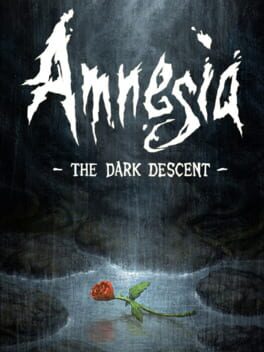
Amnesia: The Dark Descent 2010
Amnesia is the quintessential defenceless horror game: you hide in the dark from monsters you cannot fight, managing your character's sanity while piecing together a disturbing mystery. The helpless survival loop is the closest non-FNaF experience available.
Key difference: First-person exploration; you move freely rather than staying stationary.
Best for: FNaF fans wanting the purest 'survive without fighting' horror experience.
Skip if: You dislike slow-burn atmospheric horror without jump-scare pacing.
Outlast puts you in a terrifying building with no way to fight back, forcing you to hide and manage limited resources (camera battery) while monsters hunt you. The core FNaF loop of surviving the night against overwhelming threats translates almost perfectly here.
Key difference: First-person movement; you run and hide rather than watching cameras.
Best for: FNaF fans who want active movement instead of static defence.
Skip if: You dislike graphic gore or prolonged chase sequences.
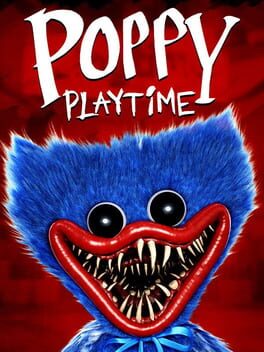
Poppy Playtime locks you in an abandoned toy factory hunted by giant, malevolent animatronic-style toys—an almost direct spiritual cousin to FNaF with similar creature design, lore mystery, and helpless survival gameplay.
Key difference: First-person movement with puzzle mechanics; not camera-based.
Best for: FNaF fans who want the exact same mascot-horror aesthetic in 3D.
Skip if: You prefer the static, resource-management desk gameplay of FNaF.
Alien: Isolation traps you aboard a space station with a relentless, unpredictable predator you must monitor via motion tracker and security feeds. The careful resource rationing and dread of being watched mirrors FNaF's tension almost beat-for-beat.
Key difference: Much longer campaign; horror is slow-burn stealth rather than rapid jump-scares.
Best for: Players who want FNaF's stalker-monitoring loop in a AAA package.
Skip if: You prefer short, punchy horror sessions over 15+ hour campaigns.
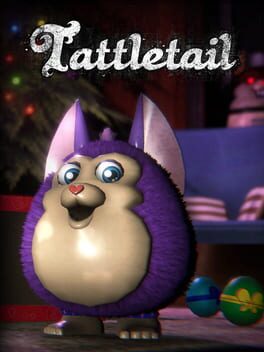
Tattletail is a compact, FNaF-inspired horror game where you manage a demanding toy-like creature over several nights while surviving a terrifying mother entity hunting you through the house—its nightly structure and resource management are directly drawn from FNaF's design.
Key difference: You move freely through a house rather than sitting at a fixed desk.
Best for: FNaF fans wanting the closest mechanical clone with a new monster.
Skip if: You want a long game; Tattletail is very short.
Resident Evil 7 traps you in a single claustrophobic location—a derelict farmhouse—with monsters you can barely fight off, emphasising survival, resource scarcity, and dread. Its first-person perspective and helpless early hours echo FNaF's atmosphere directly.
Key difference: Eventually gives you weapons and expands to combat-focused sections.
Best for: FNaF fans ready for a full-length story with grotesque creatures.
Skip if: You want purely passive, camera-based gameplay.
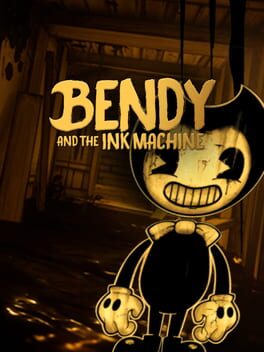
Bendy and the Ink Machine takes place in an abandoned cartoon studio haunted by ink-soaked versions of a beloved mascot, mixing FNaF's animatronic-horror trope with first-person exploration and deep environmental lore.
Key difference: First-person adventure with some combat later in the game.
Best for: FNaF fans who love mascot-based horror and hidden studio lore.
Skip if: You find repetitive stealth sections tedious.
SOMA is an atmospheric sci-fi horror game where you are utterly defenceless against creatures, relying on evasion and environmental awareness to survive. Like FNaF, the horror is amplified by a deep, disturbing lore hidden in the background.
Key difference: Story-driven and slow-paced; no power-management loop.
Best for: FNaF lore-hunters who love uncovering dark narrative mysteries.
Skip if: You need high-intensity jump-scare pacing throughout.
Until Dawn is a cinematic horror game set in an isolated lodge where monstrous killers hunt teenagers through the night. Like FNaF it thrives on tense surveillance, limited choices, and sudden brutal deaths.
Key difference: Narrative branching film-style game; no resource management.
Best for: FNaF fans who love horror lore but prefer story over mechanics.
Skip if: You want challenge-based gameplay over narrative decisions.
Papers, Please keeps you locked behind a single desk checkpoint, forcing you to scrutinise documents and monitor entrants under mounting time pressure—a bureaucratic survival loop uncannily close to FNaF's 'stay at your station, manage limited resources, don't die.' The dread is quieter but just as real.
Key difference: No monsters or jump scares; horror is moral and systemic.
Best for: Players who love FNaF's desk-bound tension without supernatural horror.
Skip if: You need explicit scares or supernatural threats.
Silent Hill 2 is a landmark psychological horror game set in a fog-choked town filled with grotesque creatures born from guilt and trauma. Its unsettling atmosphere, cryptic lore, and monster design occupy the same emotional register as FNaF's dread.
Key difference: Third-person action-exploration; much heavier on narrative and symbolism.
Best for: FNaF fans drawn to deep horror lore and psychological themes.
Skip if: You dislike slow-paced exploration or dated 3D graphics.
Dead Space traps you on a dark space station with relentless necromorph creatures, demanding careful resource management and constant threat awareness. The claustrophobic corridor horror and monster-tracking tension echo FNaF's survival feel.
Key difference: Third-person action with weapons; combat is central.
Best for: FNaF fans wanting horror escalation through a longer action game.
Skip if: You want defenceless, passive survival over combat.
The Resident Evil 2 remake pits you against the near-invulnerable Mr. X, forcing constant awareness of his footsteps and location—a real-time threat-monitoring mechanic that parallels FNaF's animatronic tracking. Resource scarcity and confined spaces add to the kinship.
Key difference: Third-person shooter with meaningful combat options.
Best for: Players ready to graduate from static horror to active survival.
Skip if: You find over-the-shoulder shooters boring in horror contexts.
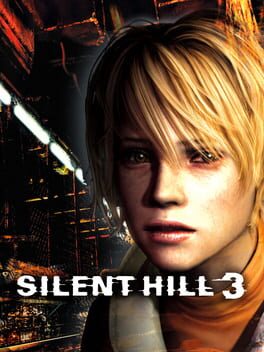
Silent Hill 3 follows up with one of the series' most viscerally disturbing monster rosters and a more personal horror story, sustaining intense dread throughout its runtime in ways FNaF fans will recognise.
Key difference: Third-person with combat; more action than SH2.
Best for: Fans of FNaF's grotesque creature design and thick atmosphere.
Skip if: You need modern graphics or control schemes.
PCPlayStation
62%
Resident Evil Village 2021
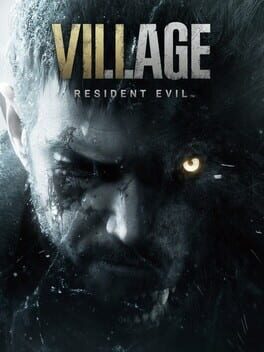
Resident Evil Village returns to first-person survival horror with memorable monster lords hunting you through confined locations. Its tense hide-and-survive sections—particularly the Beneviento house—recall FNaF's helpless dread precisely.
Key difference: Much more action-focused in its second half.
Best for: FNaF players wanting a modern first-person horror with great production.
Skip if: Pure survival horror fans; the game shifts to shooter later.
Inside is a dark, wordless platformer drenched in dystopian horror imagery and punctuated by sudden, brutal deaths from unseen pursuers. The atmosphere of helplessness and careful threat management rhymes with FNaF's tension.
Key difference: 2D side-scrolling platformer with no resource management.
Best for: FNaF fans wanting short, atmospheric horror they can finish in one sitting.
Skip if: You need explicit scares or monster-tracking gameplay.
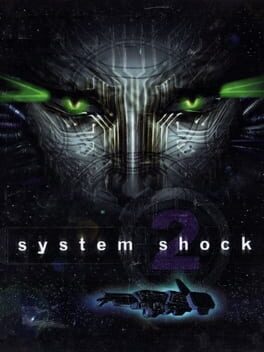
System Shock 2 strands you on a haunted spaceship with dwindling resources, audio logs revealing a horrifying backstory, and enemies that actively hunt you—a cocktail of dread, lore discovery, and survival that FNaF fans will find familiar.
Key difference: Deep RPG systems and first-person shooter combat.
Best for: FNaF lore-lovers ready for a complex, older-school horror RPG.
Skip if: You can't tolerate late-1990s interface complexity.
F.E.A.R. layers relentless supernatural horror—a ghostly girl appearing at random—over a competent shooter, generating genuine jump-scare dread similar to FNaF's sudden scares. The AI enemies are eerily tactical.
Key difference: Primarily a tactical shooter; horror is layered on top.
Best for: FNaF fans who also enjoy fast-paced first-person shooters.
Skip if: You want pure horror with no shooter mechanics.
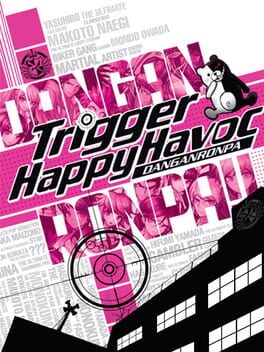
Danganronpa traps students in a school with a murderous bear forcing them to survive through investigation and logic. The theme of being locked in an enclosed space with an unpredictable mascot-like villain shares FNaF's specific flavour of dread.
Key difference: Visual novel with no real-time threat mechanics.
Best for: FNaF fans drawn to mascot-villain horror and mystery lore.
Skip if: You want real-time scares over narrative deduction.
Limbo is a monochrome horror platformer full of lethal traps and sudden deaths, creating an atmosphere of helpless dread that parallels FNaF's sense of vulnerability. Its short length matches FNaF's session-based play style.
Key difference: 2D puzzle platformer; no surveillance or resource management.
Best for: FNaF fans wanting a short, creepy indie experience.
Skip if: You need first-person perspective or jump scares.
First-person exploration; you move freely rather than staying stationary.
PlayStation, PC, Xbox, Nintendo
Outlast
88%
Indie, Action
First-person movement; you run and hide rather than watching cameras.
PlayStation, PC, Xbox, Nintendo
Poppy Playtime
87%
Indie, Action
First-person movement with puzzle mechanics; not camera-based.
Xbox, PlayStation, Mobile, PC, Nintendo
Alien: Isolation
85%
Action, Horror
Much longer campaign; horror is slow-burn stealth rather than rapid jump-scares.
PlayStation, PC, Xbox, Nintendo
Tattletail
82%
Indie, Action
You move freely through a house rather than sitting at a fixed desk.
PC
Resident Evil 7: Biohazard
78%
Action, Horror
Eventually gives you weapons and expands to combat-focused sections.
Xbox, PlayStation, Nintendo, PC, Mobile
Bendy and the Ink Machine
78%
Indie, Action
First-person adventure with some combat later in the game.
Xbox, PlayStation, PC, Mobile, Nintendo
Soma
75%
Indie, Action
Story-driven and slow-paced; no power-management loop.
PlayStation, PC, Xbox, Nintendo
Until Dawn
73%
Horror
Narrative branching film-style game; no resource management.
PlayStation
Papers, Please
71%
Simulator, Indie
No monsters or jump scares; horror is moral and systemic.
PC, Mobile, PlayStation
Silent Hill 2
70%
Horror, Survival
Third-person action-exploration; much heavier on narrative and symbolism.
PlayStation
Dead Space
65%
Action, Horror
Third-person action with weapons; combat is central.
PlayStation, PC, Xbox
Resident Evil 2
64%
Action, Horror
Third-person shooter with meaningful combat options.
Xbox, PlayStation, PC, Mobile
Silent Hill 3
62%
Action, Horror
Third-person with combat; more action than SH2.
PC, PlayStation
Resident Evil Village
62%
Action, Horror
Much more action-focused in its second half.
Xbox, PlayStation, Nintendo, PC, Mobile
What makes a game truly feel like Five Nights at Freddy's?
The FNaF formula rests on three pillars: defencelessness (you can't meaningfully fight back), active monitoring (you must track threats rather than wait passively), and resource pressure (power, battery, stamina—something finite that forces hard choices). Outlast nails all three. Alien: Isolation adds a fourth pillar FNaF players often don't realise they love: a single, intelligent predator whose unpredictable patrol patterns you learn across repeated attempts. Papers, Please is the dark-horse mechanical twin—same desk, same mounting dread, same finite resources, just bureaucratic horror instead of animatronic horror.
Games that share FNaF's atmosphere but not its loop—like Silent Hill 2 or SOMA—are still excellent follow-ups for players hooked by FNaF's disturbing lore and unsettling creature design rather than its specific resource-management challenge.
Best picks for FNaF fans who love mascot and animatronic horror specifically
FNaF's villains are uniquely disturbing because they are familiar, friendly objects made monstrous. Among the candidates, Danganronpa: Trigger Happy Havoc captures that exact feeling with Monokuma—a cheerful bear presiding over lethal, inescapable dread—while its mystery structure rewards the kind of lore obsession FNaF fans excel at. Outside the candidate pool, Poppy Playtime and Bendy and the Ink Machine are the most direct heirs: both involve abandoned entertainment facilities, beloved mascot-turned-monster designs, and layers of hidden lore to uncover.
If you want FNaF's horror but in a longer, story-driven package
Resident Evil 7: Biohazard is the best bridge between FNaF's first-person claustrophobic horror and a full narrative game—its opening hours especially, where you hide from Jack Baker with virtually no ability to fight back, feel like a direct spiritual sequel to night-shift survival. Until Dawn trades mechanics for narrative, letting you experience a full slasher-horror night with branching consequences, perfect for FNaF fans who became invested in the Fazbear lore and want characters they can care about surviving (or not) through the dark.
What is the scariest game similar to Five Nights at Freddy's?
Amnesia: The Dark Descent is widely considered the scariest direct match: like FNaF you cannot fight, you must hide, and the game actively punishes you for looking at the monster. Outlast is a close second, adding first-person camera mechanics and a relentless pursuer that mirrors FNaF's animatronic stalkers.
Are there games like FNaF where you can move around?
Yes. Outlast, Alien: Isolation, Resident Evil 7, and Poppy Playtime all share FNaF's defenceless survival horror but let you move freely through their environments instead of staying at a desk. All four involve monitoring threats and managing limited resources under pressure.
What games have a similar vibe to FNaF's animatronic horror?
Poppy Playtime and Bendy and the Ink Machine are the closest in theme—both feature corrupted mascot figures in abandoned entertainment facilities with deep hidden lore. Danganronpa also features a sinister bear mascot presiding over lethal confinement.
Is there a game like FNaF for players who like mystery and lore more than jump scares?
SOMA is the best pick: it's a first-person horror game with almost no combat, but its richly disturbing sci-fi narrative and environmental storytelling reward the same kind of obsessive lore-hunting FNaF fans excel at. Silent Hill 2 is the classic recommendation for horror that prioritises psychological depth over scares.
What free or very short games are similar to Five Nights at Freddy's?
Tattletail is a brief, cheap indie game with a nearly identical nightly survival structure. Slender: The Eight Pages is a free-to-play indie horror game with the same stripped-back tension and single terrifying pursuer that helped define the same era of indie horror FNaF emerged from.
 90%
90%