Diablo IV works because it nails a very specific formula: isometric or third-person dark-fantasy combat where killing hundreds of demons is never a chore, loot drops create a constant dopamine drip of power upgrades, and character builds have enough depth to sustain hundreds of hours of theorycrafting. The grim, horror-soaked world of Sanctuary—gothic cathedrals, plague-ridden villages, endless hellish dungeons—gives the grind an atmosphere that matters.
When someone searches for "games like Diablo IV," they want that same core itch: a satisfying combat loop, escalating loot progression, deep build customization, and an atmosphere that makes the grind feel meaningful. Whether that means another isometric ARPG, a darker action RPG, or a roguelite with emergent build synergies, the key is that sense of becoming unstoppably powerful through gear and skill choices.
Top pick:Path of Exile (in the additional list) is the single closest match—a free-to-play isometric ARPG built by Diablo veterans with the same demon-slaying loop, deeper passive customization, and more ruthless endgame—but from the candidate pool, Diablo II (id 126) is the undisputed pick: it is literally the game Diablo IV was designed to honor, sharing every structural element from isometric dungeon-crawling to legendary loot hunting to dark fantasy horror, and its remastered version holds up remarkably well.
Some store buttons are affiliate links — we may earn a commission at no extra cost to you.
Path of Exile is the definitive free-to-play Diablo heir: isometric demon-slaying with the deepest passive skill web in gaming, randomized maps, and a ruthless endgame loot economy set in a grim dark fantasy world.
Key difference: Staggeringly complex skill system with enormous learning curve.
Best for: Hardcore Diablo fans who want infinite build depth at no cost.
Skip if: You want Blizzard polish or a gentler onboarding experience.
Diablo II is the direct spiritual template for Diablo IV: isometric demon-slaying, randomized dungeons, class-specific skill trees, and an insatiable loot loop wrapped in grim dark fantasy. The shared DNA is unmistakable.
Key difference: Far more dated visuals and slower, clunkier interface.
Best for: Fans who want the purest, most revered ARPG pedigree.
Skip if: You need modern QoL features or online infrastructure.
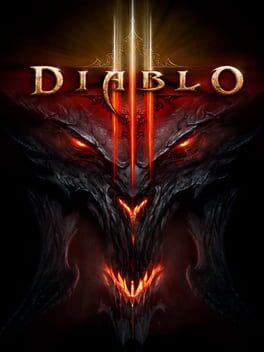
Diablo III refines the isometric hack-and-slash formula with tighter combat, deep class builds, and the legendary Greater Rift endgame loop—essentially Diablo IV's immediate predecessor sharing the same world and mechanics.
Key difference: More arcade-bright tone; less open world, more structured acts.
Best for: Players who want the same loop with a friendlier difficulty curve.
Skip if: You want Diablo IV's gritty horror atmosphere.
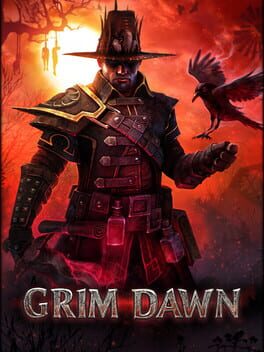
Grim Dawn is a critically loved isometric ARPG with dual-class builds, dark post-apocalyptic gothic fantasy, and loot-hunting loops that feel like a love letter to Diablo II fans.
Key difference: Dual-class system allows unique hybrid builds not possible in Diablo IV.
Best for: Diablo II veterans who want maximum build freedom and dark tone.
Skip if: You prefer a polished AAA presentation or live-service seasons.
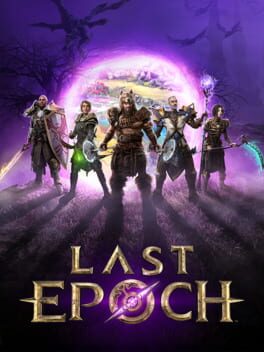
Last Epoch is a modern isometric ARPG with time-travel theming, the most granular loot-crafting system in the genre, and deep skill tree specializations—it's the freshest direct Diablo IV competitor.
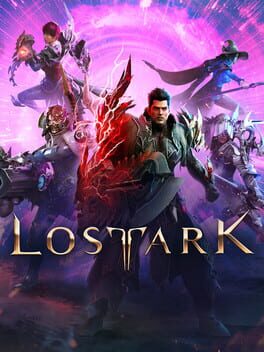
Lost Ark is an isometric action RPG with Diablo-style loot chasing, deep class specializations, and massive dungeon raids—it shares the same top-down combat perspective and endless endgame grind.
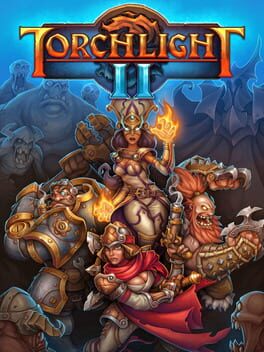
Torchlight II is a colorful but mechanically faithful Diablo-style ARPG with randomized dungeons, class skills, and deep loot systems—co-created by original Diablo designers.
Key difference: Lighter, more colorful art style; no horror tone.
Best for: Players who want Diablo's mechanics in a friendlier, more accessible package.
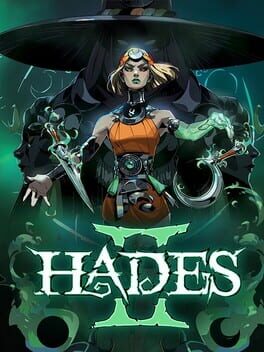
Hades II delivers fast, satisfying hack-and-slash runs through dark mythological underworlds with escalating build complexity through boons and weapon augments—scratching a similar dark-fantasy slaughter itch.
Key difference: Roguelite structure means permanent death; no open world.
Best for: Players who want tight, skill-expressive hack-and-slash with replayability.
Skip if: You need persistent character progression and loot drops.
Darksiders Genesis shifts the series to a top-down isometric perspective with co-op hack-and-slash combat, loot upgrades, and demon-slaying in a dark fantasy universe—essentially the closest structural Diablo lookalike in the pool.
Key difference: Fixed campaign structure; no randomized dungeons or loot rarity tiers.
Best for: Fans who want couch co-op Diablo-style gameplay in a narrative wrapper.
Skip if: You expect deep build diversity or endgame replayability.
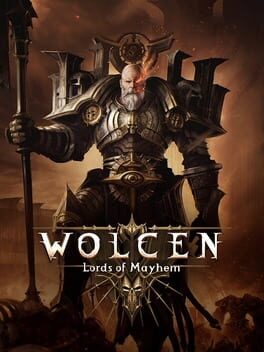
Wolcen features spectacular real-time hack-and-slash combat, gorgeous dark fantasy visuals, and a rotating passive skill ring system that invites deep theorycrafting—directly comparable to Diablo IV's structure.
Key difference: Significant bugs and thinner endgame content than Diablo IV.
Best for: Players who want Diablo IV's look and feel on a budget.
Skip if: You demand a polished, well-balanced experience.
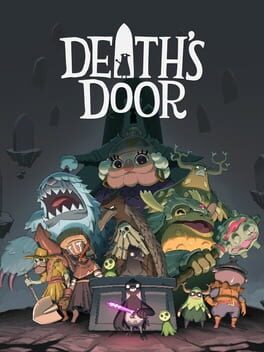
Death's Door pits you against a dark fantasy world full of scythes, souls, and escalating monster encounters with tight isometric action and RPG ability unlocks—compact but genuinely Diablo-adjacent.
Key difference: Much shorter, curated experience; no loot randomization.
Best for: Players who want a tightly designed dark-fantasy action RPG without grind.
Skip if: You need endless endgame progression loops.
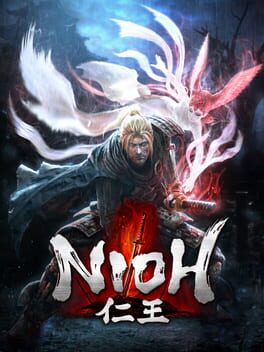
Nioh features one of the deepest loot and build systems in action gaming—thousands of gear pieces, passive affixes, and skill trees layered over punishing hack-and-slash combat set in dark, demon-infested environments.
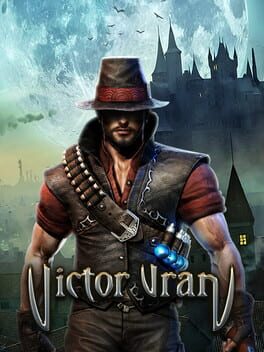
Victor Vran is an isometric ARPG where all characters use the same weapon and destiny card systems, creating flexible builds through loot selection rather than class gates—dark gothic monsters throughout.
Key difference: No class system; build identity comes entirely from equipped gear.
Best for: Players who want isometric ARPG loot without class commitment.
Skip if: You want deep class-specific skill trees.
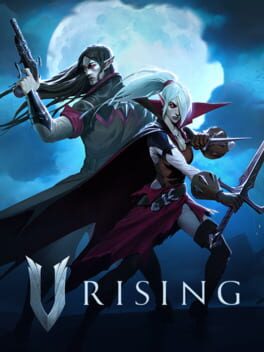
V Rising casts you as a vampire building power through dark lands, hunting powerful enemies for loot, blood powers, and gear in a dark gothic world with shared-world co-op—tone and loop rhyme strongly with Diablo IV.
Key difference: Survival-crafting base-building is the primary progression loop.
Best for: Players who want Diablo's dark atmosphere with a survival sandbox twist.
Skip if: You dislike resource gathering or base management.
The Binding of Isaac: Rebirth is a dungeon-crawling roguelite with hundreds of synergistic item builds, dark grotesque horror aesthetics, and an endlessly replayable loop of cleared rooms and boss fights.
Key difference: Twin-stick shooter roguelite; no persistent loot or skill trees.
Best for: Loot-build junkies who enjoy emergent synergies over long sessions.
Skip if: You want a third-person or isometric ARPG with direct combat.
Bloodstained: Ritual of the Night blends RPG character progression, dark gothic horror, and hundreds of soul-shard abilities—it shares Diablo's darkness, loot variety, and deep build tinkering in a Metroidvania structure.
Key difference: Side-scrolling Metroidvania instead of isometric open world.
Best for: Players who want dark gothic RPG loot in a classic 2D format.
Skip if: You need isometric perspective or open-world exploration.
Remnant: From the Ashes is a dark fantasy/sci-fi action RPG with procedurally generated dungeon zones, loot-driven builds, and brutal boss encounters designed around co-op—the procedural dungeons and loot loop echo Diablo IV clearly.
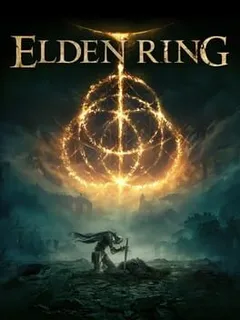
Elden Ring delivers dark fantasy demon-slaying across a massive open world with deep equipment builds and stats—the visual darkness, boss encounters, and loot hunt share DNA with Diablo IV even if the structure differs.
Key difference: Third-person Soulslike; one persistent world, no dungeon randomization.
Best for: Players wanting the darkest, most challenging fantasy RPG experience.
Skip if: You want isometric loot grinding over skill-testing action.
Bloodborne channels Diablo IV's dark horror aesthetic more purely than any Soulslike—hunted by grotesque demons in gothic streets, upgrading weapons with arcane builds in a relentlessly bleak world.
Key difference: Third-person; no loot rarity system, punishing difficulty is mandatory.
Best for: Players who want Diablo's horror tone with deep, high-skill action combat.
Skip if: You want a loot shower or isometric gameplay.
PlayStation
60%
Middle-earth: Shadow of Mordor 2014
Middle-earth: Shadow of Mordor features melee hack-and-slash combat through dark fantasy orc-infested open worlds with RPG gear upgrades and a nemesis system that makes every kill feel consequential.
Key difference: Third-person; nemesis system replaces loot grind as core progression.
Best for: Players who want hack-and-slash fantasy with narrative enemy persistence.
Skip if: You need deep build customization or randomized dungeons.
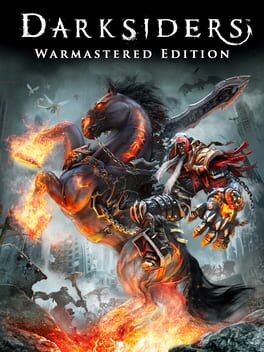
Darksiders: Warmastered Edition puts you in demon-slaying combat against apocalyptic dark-fantasy enemies with RPG upgrades and dungeon exploration—the tone and fantasy-horror world rhyme well with Diablo IV.
Key difference: Third-person Zelda-like puzzle dungeons; no loot randomization.
Best for: Fans of dark fantasy combat who want a story-first experience.
Skip if: You need endgame loot loops or isometric play.
Dragon Age: Origins is a dark fantasy RPG drenched in gothic horror imagery, deep party builds, and monster-slaying campaigns—sharing Diablo IV's bleak world and complex character customization.
Key difference: Party-based tactical RPG; no loot randomization or hack-and-slash pace.
Best for: Players who want Diablo's dark world with story depth and party tactics.
Skip if: You want fast action combat or continuous loot drops.
Blasphemous wraps brutal melee action and grotesque Catholic-horror imagery around demanding platformer combat—the dark religious aesthetic and punishing difficulty channel a similar darkness to Diablo IV.
Key difference: 2D precision platformer; no loot system or open world.
Best for: Players drawn to Diablo's dark religious horror art direction.
Skip if: You need isometric loot gameplay or want a character build system.
No class system; build identity comes entirely from equipped gear.
PlayStation, PC, Xbox
V Rising
70%
Role-playing (RPG), Action
Survival-crafting base-building is the primary progression loop.
PC, PlayStation
The Binding of Isaac: Rebirth
68%
Role-playing (RPG), Action
Twin-stick shooter roguelite; no persistent loot or skill trees.
PlayStation, PC, Nintendo, Mobile, Xbox
What makes a game truly feel like Diablo IV?
The Diablo formula rests on four pillars: isometric or top-down combat with screen-clearing ability, randomized or procedurally varied dungeons that make every run feel fresh, a loot system that drops items across rarity tiers with randomized affixes, and character builds deep enough to justify hundreds of hours of optimization. Most action games share one or two of these—Elden Ring has dark fantasy and deep builds but lacks isometric loot drops; God of War has the hack-and-slash but is linear. The games that come closest are the ones matching all four: Diablo II, Diablo III, Lost Ark, and the additional recommendation Last Epoch.
Dark atmosphere is a fifth element that separates Diablo IV from lighter alternatives. The game leans hard into gothic horror—demon lords, decaying flesh, religious iconography corrupted by evil. Games like Bloodborne and Grim Dawn understand this instinct even when their mechanics differ, making them feel spiritually correct even if structurally distinct.
Best co-op picks for Diablo IV fans
Diablo IV shines in co-op, and several alternatives match that social dungeon-crawling energy. Lost Ark is the strongest direct match—a full-scale ARPG MMO where group dungeon runs and raid content mirror Diablo IV's multiplayer loop with even more endgame depth. Darksiders Genesis offers local and online co-op hack-and-slash in a top-down perspective that directly echoes Diablo's layout. Remnant: From the Ashes is worth highlighting here too: its procedurally generated dungeon zones and loot drops are explicitly designed around two- to three-player co-op and reward the same kind of repeated farming runs Diablo veterans crave.
For a more casual or session-friendly co-op alternative, Minecraft Dungeons strips the Diablo formula down to its most accessible expression—four-player co-op dungeon runs, loot tiers, and enchantments—while V Rising turns the co-op experience into a gothic vampire power-fantasy survival sandbox that channels Diablo IV's dark world-building through a completely different mechanical lens.
If you love Diablo IV's build depth above everything else
Diablo IV's talent trees, skill modifiers, rune interactions, and legendary affixes offer one of gaming's best build-crafting sandboxes. If maximizing a character is your primary joy, the additional recommendation Path of Exile is non-negotiable—its passive skill web contains thousands of nodes and the itemization depth makes Diablo IV look shallow by comparison. From the candidate pool, Nioh deserves attention: its loot system generates gear with randomized affixes across seven rarity tiers, its soul-matching and forge systems enable deep min-maxing, and it shares Diablo IV's loop of farming specific bosses for specific drops.
Hades and Hades II approach build depth differently—through roguelite boon combinations that create surprising synergies each run—rewarding the same kind of theorycrafting instinct that makes Diablo IV's paragon board so compelling, just in shorter session-sized bursts rather than persistent progression.
Is there a game exactly like Diablo IV but free to play?
Lost Ark is the closest free-to-play match from the candidate list—an isometric ARPG with similar class builds, loot rarity tiers, and dungeon runs. Path of Exile (not in the candidate pool but highly recommended) is even closer: a free isometric ARPG with near-identical structure built by former Diablo developers, and its successor Path of Exile 2 is also free to play.
What game is most similar to Diablo IV for solo players?
Diablo II (Resurrected) is the most structurally identical solo experience. For something newer, Last Epoch offers solo-friendly isometric ARPG gameplay with a detailed loot-crafting system, while Grim Dawn's dual-class system and dark gothic world make it the best single-player Diablo alternative for players who want a complete offline experience.
What games have the same loot system as Diablo IV?
The best loot system matches are Diablo II, Diablo III, Lost Ark, and Last Epoch (from the additional list), all of which use color-coded rarity tiers, randomized affixes, and set/legendary items. Nioh (in the candidate pool) arguably has an even deeper loot system with weapon-type affixes and soul-matching, though its combat is third-person.
Are there any games like Diablo IV with a similar dark horror atmosphere?
Bloodborne captures the gothic horror atmosphere most purely—grotesque demons, religious dread, decaying Victorian environments—though it's a third-person Soulslike. Grim Dawn (additional list) hits the dark fantasy tone most accurately in isometric form. From the candidate pool, The Binding of Isaac: Rebirth and Blasphemous both channel disturbing dark religious horror in their aesthetics.
What should I play while waiting for Diablo IV season content?
Hades II is the best between-seasons option for short satisfying sessions. Lost Ark provides virtually unlimited endgame content with new raids and events. Path of Exile runs its own seasonal leagues with completely different mechanics every few months, meaning there is always new content to engage with on a schedule that rivals Diablo IV's own.
 98%
98%