Clair Obscur: Expedition 33 earns its devotion through a rare combination: turn-based party combat with real-time parry, dodge, and timing mechanics layered inside each exchange, a painterly Belle Époque French aesthetic unlike anything else in the genre, and an emotionally gutting story about grief, mortality, and the bonds forged by people marching toward certain death. It is simultaneously a love letter to classic JRPGs and a confident reinvention of what the genre can feel like in motion.
When players look for games like Expedition 33, they are really searching for that specific intersection: strategic turn-based or hybrid combat that rewards timing and party coordination, a world with a distinctive visual identity rather than generic fantasy, and a story weighty enough to carry genuine emotional devastation. The games below are selected for matching at least two of those pillars—not just for sharing the RPG genre tag.
Top pick:Metaphor: ReFantazio is the single closest match in the pool: it shares Expedition 33's stylized fantasy world, hybrid real-time-plus-turn-based combat, deep party character writing, and the sense of an emotionally charged journey building toward an overwhelming confrontation—making it the first game any Expedition 33 fan should load next.
Some store buttons are affiliate links — we may earn a commission at no extra cost to you.
21 games like Clair Obscur: Expedition 33
93%
Metaphor: ReFantazio 2024
Metaphor: ReFantazio is the closest modern analogue: a stylish, story-driven turn-based RPG with real-time action elements layered into combat, a richly imagined fantasy world, and deep party relationships. Both games share an obsession with atmosphere, emotional stakes, and turn-based battles that reward timing and tactical thinking.
Key difference: Social sim elements and calendar management add a second loop absent in Expedition 33.
Best for: Fans who want more turn-based depth plus daily-life structure.
Skip if: You disliked Persona's time-management systems.
Persona 5 Royal wraps a stylish, emotionally resonant story around turn-based combat with timing-based follow-up mechanics, confidant bonds, and a distinctive artistic vision. The sense of building a party of compelling characters toward a grand confrontation maps closely to Expedition 33's emotional core.
Key difference: High-school social sim loop and modern Tokyo setting instead of a painterly fantasy world.
Best for: Players who want the richest, most polished version of this formula.
Skip if: You want combat to stay purely in the fantasy/action register.
Chrono Trigger is the foundational classic for turn-based RPGs where party synergy, timed hits, and combo attacks between characters are central—exactly the mechanics Expedition 33 modernizes. Its storytelling ambition and emotional weight remain unmatched for the era.
Key difference: No real-time dodge; ATB system feels slower by modern standards.
Best for: Players who want the historical ancestor of Expedition 33's combat DNA.
Skip if: You need modern production values and fluid animations.
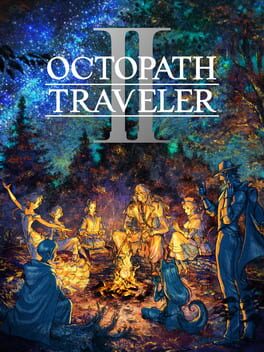
Octopath Traveler II combines a stunning watercolor pixel-art world with a classical turn-based combat system that rewards exploiting enemy weaknesses—mechanically and aesthetically very close to Expedition 33's DNA. Eight interweaving character stories each carry genuine emotional weight.
Key difference: Anthology structure means eight short stories rather than one unified narrative.
Best for: Players who want polished turn-based JRPG combat with gorgeous 2D art.
Skip if: You want a single cohesive story told through one protagonist arc.
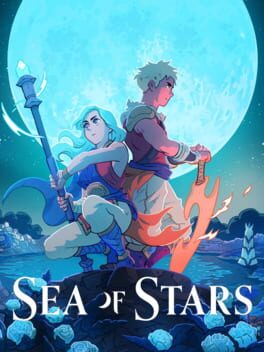
Sea of Stars is a love letter to classic turn-based RPGs with a gorgeous painted art style, timed button presses to boost attacks and block damage mid-combat, and a whimsical yet touching narrative. The real-time timing layer in an otherwise turn-based system is the direct mechanical parallel to Expedition 33.
Key difference: Lighter, more nostalgic tone; shorter and less narratively ambitious.
Best for: Players who want Expedition 33's timed combat in a shorter, cozier package.
Skip if: You need complex character builds and high mechanical challenge.
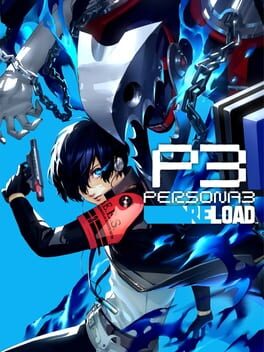
Persona 3 Reload reimagines one of the series' most emotionally devastating stories with polished turn-based combat, strong party character arcs, and a melancholy artistic identity. The themes of mortality and sacrifice resonate strongly with Expedition 33's tone.
Key difference: Day-management loop and calendar system structure your progression differently.
Best for: Fans drawn to Expedition 33's emotional weight and theme of death.
Skip if: You dislike calendar/social elements splitting focus from dungeon-crawling.
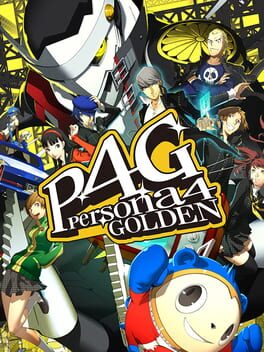
Persona 4 Golden delivers a warmly emotional, character-driven JRPG with turn-based combat, a killer cast of party members who each carry heavy personal narratives, and a mystery-plot backbone that builds to a memorable climax.
Key difference: Rural Japan setting; lighter, more comedic tone overall.
Best for: Players who prioritize strong ensemble character writing in an RPG.
Skip if: You want a darker, more visually striking world.
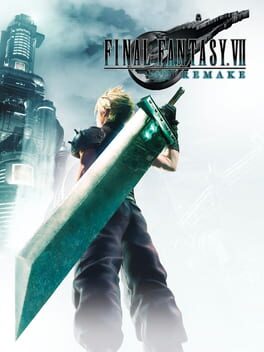
Final Fantasy VII Remake blends a turn-based command menu with real-time action in exactly the hybrid mode Expedition 33 refines—you switch between action pressure and strategic pausing to select abilities and items. It also shares a cinematic, emotionally charged party narrative.
Key difference: Episodic structure; much of the story is remake of a 1997 game's first act.
Best for: Players who want a higher-budget, combat-hybrid RPG feel.
Skip if: You haven't played the original and want a self-contained story.
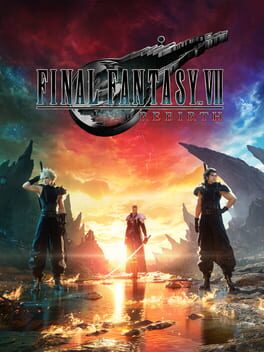
Final Fantasy VII Rebirth expands the hybrid ATB/action combat into an enormous open-world chapter, with rich party interactions and emotionally weighty story beats that echo Expedition 33's focus on loss and sacrifice among companions.
Key difference: Massive open world with side content bloat; requires playing Remake first.
Best for: Those who finished Remake and want the longest version of this combat style.
Skip if: You want a tightly paced, self-contained story.
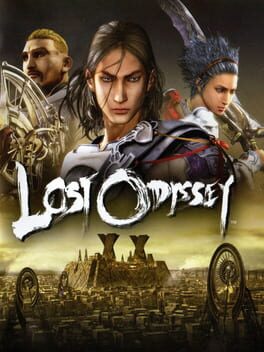
Lost Odyssey is a criminally overlooked classic turn-based JRPG by Final Fantasy creator Hironobu Sakaguchi, with a devastatingly emotional story about an immortal confronting accumulated grief and loss—thematically the closest game to Expedition 33's emotional core. Short-story vignettes between battles are among the most moving writing in RPGs.
Key difference: Xbox 360 exclusive (backwards compatible); classic menu-driven combat with no real-time layer.
Best for: Players who want Expedition 33's grief-and-mortality themes in a pure turn-based JRPG.
Skip if: You need modern production values or real-time combat elements.
Omori is a deeply unsettling, artistically distinctive indie turn-based RPG that hides profound emotional trauma beneath a whimsical surface—much like Expedition 33 uses beauty to frame grief. Its party-based combat is simple but its narrative devastates.
Key difference: Horror and psychological themes; pixel art; far darker tonal swings.
Best for: Players drawn to Expedition 33's grief-laden emotional storytelling.
Skip if: You are sensitive to themes of depression and self-harm.
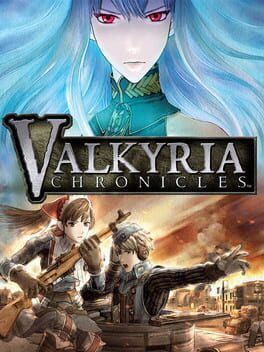
Valkyria Chronicles mixes turn-based strategy with real-time third-person movement and aiming during each unit's action—an analog to Expedition 33's blended timing system. It pairs this with a WWII-inspired dramatic story and richly illustrated watercolor visuals.
Key difference: Strategy-layer focus; squad management over individual character RPG depth.
Best for: Players who want real-time skill in a turn-based structure with gorgeous art direction.
Skip if: You dislike strategy-RPG hybridization or war settings.
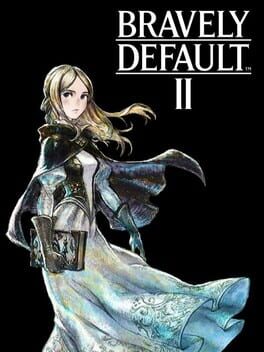
Bravely Default II builds a strategic turn-based RPG system around the Brave/Default mechanic—banking or spending future turns for burst windows—which creates the same moment-to-moment tension as Expedition 33's real-time timing layer. Its world has a stylized European fantasy aesthetic.
Key difference: Job-class system is deep but abstract; story is more conventional JRPG fare.
Best for: Players who want mechanically inventive turn-based combat with strategic depth.
Skip if: You prioritize cinematic presentation and narrative ambition over systems depth.
Tales of Arise is a story-driven JRPG with a beautiful painterly art style and real-time party combat where you manage abilities and boost attacks through timing and positioning. Its emotional narrative about liberation and sacrifice resonates with Expedition 33's themes.
Key difference: Fully real-time action combat rather than a turn-based or hybrid system.
Best for: Players who want Expedition 33's emotional story and visual style with faster combat.
Skip if: You prefer structured turn-based mechanics over action-RPG systems.
Yakuza: Like a Dragon reinvents the Yakuza series as a full turn-based RPG with bombastic personality, comedic but emotionally genuine party writing, and real camaraderie among an ensemble cast facing existential odds—a structural parallel to Expedition 33's expedition party dynamics.
Key difference: Modern Yokohama setting; comedic tone frequently undercuts dramatic moments.
Best for: Players who want turn-based combat with outsized personality and humor.
Skip if: You want a consistently serious or artistically refined tone.
Undertale pioneered the fusion of turn-based RPG menus with real-time bullet-hell dodge mechanics inside each enemy turn—a direct ancestor of Expedition 33's real-time parry and dodge layer. It also wraps an unexpectedly emotional narrative around its subversive structure.
Baldur's Gate 3 is a grand party-based RPG with rich character writing, consequential story choices, and turn-based tactical combat that rewards deep thought. Its ensemble of layered companions with personal story arcs mirrors Expedition 33's expedition-party feel.
Key difference: Full D&D ruleset and isometric tactics; far more systems complexity.
Best for: Players who want the deepest party-based RPG with turn-based combat.
Skip if: You want action-oriented or reflex-based combat moments.
Dragon Age: Origins is a party-based western RPG with tactical pauseable combat, a dark fantasy world, and companions who carry weighty personal narratives tied to your quest. The sense of building trust with a small group against an overwhelming threat echoes Expedition 33's expedition dynamic.
Key difference: Pauseable real-time tactics rather than true turn-based; grimmer, less artistic tone.
Best for: Players who want Western RPG companion depth with strategic group combat.
Skip if: You want a stylized art direction or Japanese RPG sensibility.
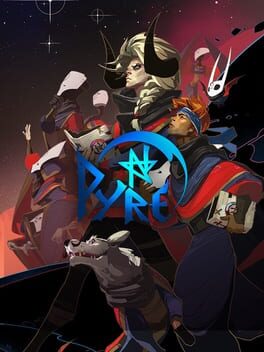
Pyre is Supergiant Games' most narrative-driven RPG: a richly written fantasy road-story about an exiled party seeking redemption, with a distinctive painted visual style and real-time sport-combat mechanics. Its melancholy beauty and ensemble cast echo Expedition 33's tone remarkably well.
Key difference: Combat is a real-time sport rather than a turn-based battle system.
Best for: Players drawn to Expedition 33's artistic style and emotional ensemble storytelling.
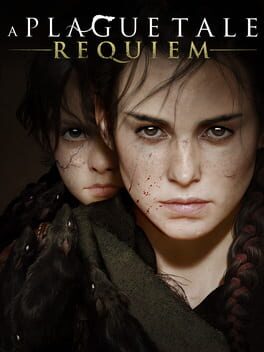
A Plague Tale: Requiem is a story-driven third-person adventure set in medieval France with a desperate, grief-saturated emotional core. While not an RPG, its Belle Époque-adjacent French atmosphere, pair-bond narrative intensity, and themes of loss align with Expedition 33's feel.
Key difference: No turn-based combat; linear stealth-action game rather than an RPG.
Best for: Players drawn to Expedition 33's French-inspired world and devastating emotional tone.
Skip if: You want party management or turn-based mechanics.
NieR: Automata shares Expedition 33's quality of wrapping philosophical, emotionally gut-punch storytelling around action-RPG combat, with characters defined by existential stakes and a stylized world that feels like art. The emotional ambition and weird narrative structure are close parallels.
Key difference: Full real-time hack-and-slash bullet-hell action; no turn-based layer.
Best for: Players who want the emotional ambition of Expedition 33 in a faster, more kinetic combat game.
Skip if: You want turn-based strategy in your RPG battles.
Social sim elements and calendar management add a second loop absent in Expedition 33.
Xbox, PlayStation, Nintendo, PC
Persona 5 Royal
90%
Role-playing (RPG), Adventure
High-school social sim loop and modern Tokyo setting instead of a painterly fantasy world.
Xbox, PlayStation, PC, Nintendo
Chrono Trigger
88%
Role-playing (RPG), Fantasy
No real-time dodge; ATB system feels slower by modern standards.
Nintendo
Octopath Traveler II
88%
Role-playing (RPG), Action
Anthology structure means eight short stories rather than one unified narrative.
Xbox, PlayStation, PC, Nintendo
Sea of Stars
87%
Role-playing (RPG), Adventure
Lighter, more nostalgic tone; shorter and less narratively ambitious.
Xbox, PlayStation, Nintendo, Mobile, PC
Persona 3 Reload
86%
Role-playing (RPG), Adventure
Day-management loop and calendar system structure your progression differently.
Xbox, PlayStation, Nintendo, PC
Persona 4 Golden
85%
Role-playing (RPG), Adventure
Rural Japan setting; lighter, more comedic tone overall.
PlayStation
Final Fantasy VII Remake
84%
Role-playing (RPG), Adventure
Episodic structure; much of the story is remake of a 1997 game's first act.
Xbox, PlayStation, Nintendo, PC
Final Fantasy VII Rebirth
83%
Role-playing (RPG), Adventure
Massive open world with side content bloat; requires playing Remake first.
Xbox, Nintendo, PC, PlayStation
Lost Odyssey
82%
Role-playing (RPG)
Xbox 360 exclusive (backwards compatible); classic menu-driven combat with no real-time layer.
Xbox
Omori
80%
Role-playing (RPG), Adventure
Horror and psychological themes; pixel art; far darker tonal swings.
Xbox, PlayStation, Nintendo, PC
Valkyria Chronicles
79%
Role-playing (RPG), Action
Strategy-layer focus; squad management over individual character RPG depth.
PlayStation
Bravely Default II
79%
Role-playing (RPG), Adventure
Job-class system is deep but abstract; story is more conventional JRPG fare.
PC, Nintendo
Tales of Arise
78%
Role-playing (RPG), Adventure
Fully real-time action combat rather than a turn-based or hybrid system.
Xbox, PlayStation, PC
Yakuza: Like a Dragon
77%
Role-playing (RPG), Adventure
Modern Yokohama setting; comedic tone frequently undercuts dramatic moments.
Xbox, PlayStation, PC
What Makes a Game Feel Like Clair Obscur: Expedition 33?
The defining quality is the timed turn-based combat loop—battles that are structured and strategic but demand real-time reflexes for parries, dodges, and button prompts that can flip the outcome of an encounter. Sea of Stars nails this with its timed block and attack system, while Undertale was arguably the indie game that proved you could embed real-time dodge mechanics inside a turn-based menu and create something electric. Both capture the feeling that every enemy turn is an active challenge, not a passive wait.
Beyond mechanics, Expedition 33's second pillar is its painterly, non-generic world design paired with genuine narrative ambition. Metaphor: ReFantazio delivers on both counts with an intricate fantasy civilization and combat that flows between action and turn-based modes. Valkyria Chronicles offers watercolor visuals and a war-story emotional backbone that similarly elevates its hybrid combat system above genre convention.
If You Want the Deepest Turn-Based Party RPGs
For players who want to go further into party-based turn-based strategy, Baldur's Gate 3 offers the most complex ruleset and companion writing in modern RPGs, while Chrono Trigger remains the most perfectly paced classic example of the form, with combo attacks between party members that directly anticipate what Expedition 33 does with its Synergy systems. Persona 5 Royal sits between them in complexity, adding social mechanics that deepen your investment in the party before battles even begin.
For a more recent and emotionally devastating companion, Lost Odyssey (in our additional picks) stands out as the hidden classic most similar to Expedition 33's thematic heart—a turn-based JRPG built entirely around an immortal experiencing grief across centuries, told partly through beautifully written short-story vignettes. It is the game Expedition 33 players most commonly discover too late.
Games That Match Expedition 33's Emotional and Artistic Ambition
Omori and Pyre are the two hidden gems in this list most likely to resonate with players drawn to Expedition 33's emotional weight. Omori uses a cheerful turn-based RPG surface to hide a story about grief and trauma that is genuinely harrowing in its final hours—the structural comparison to Expedition 33's relationship with death is striking. Pyre, from Supergiant Games, delivers the most beautifully written ensemble journey in indie RPGs, with a painterly visual style and the same quality of making every party member feel irreplaceable.
NieR: Automata takes a different path—real-time action rather than turn-based—but achieves the same emotional devastation and philosophical ambition. If what moved you most about Expedition 33 was its story of people confronting inevitable loss with grace, NieR: Automata is the action-RPG equivalent: formally inventive, visually distinctive, and deeply unwilling to let you feel comfortable.
Is Clair Obscur: Expedition 33 turn-based or action?
It is a turn-based RPG where each character acts in sequence, but it layers real-time mechanics into every turn: you can parry or dodge enemy attacks with timed button inputs, and offensive abilities sometimes require quick-time execution. The result feels like a hybrid that demands active engagement throughout every battle phase.
What games have the same timed attack and parry system as Expedition 33?
Sea of Stars is the closest recent indie match—it uses timed button presses to boost attacks and reduce incoming damage within a turn-based structure. Undertale pioneered real-time dodge mechanics inside turn-based menus. The Persona series uses timed follow-up prompts, and Final Fantasy VII Remake blends an ATB command menu with real-time pressure in a similar spirit.
Are there other games with a French or Belle Époque setting like Expedition 33?
A Plague Tale: Requiem (and its prequel, Innocence) is set in medieval France and shares Expedition 33's emotional intensity and European atmosphere. Lost Odyssey has orchestral European influences in its world design. For pure Belle Époque aesthetics specifically, Expedition 33 is unusually singular—most other fantasy RPGs draw from British, Japanese, or broadly medieval European settings.
What is the best game to play after finishing Expedition 33?
Metaphor: ReFantazio is the single best next game: it shares the hybrid turn-based combat, a richly imagined fantasy world, deep party character writing, and a story about a small group confronting an overwhelming systemic evil. Persona 5 Royal is the longer-established version of that formula if you want more hours in that style.
Does Clair Obscur: Expedition 33 have similar games on older platforms?
Chrono Trigger (SNES, DS, PC) is the foundational ancestor—party-based turn-based combat with combo mechanics and an emotionally rich story. Final Fantasy VII (PS1, PC, modern ports) shares the melancholy ensemble RPG structure. Valkyria Chronicles (PS3, PC) offers the hybrid real-time-in-turn-based feel with a distinctive illustrated art style. All three remain highly playable today.
 93%
93%