Peak earns its devoted following by making the act of climbing itself the entire game: every handhold decision, every rope placement, and every stamina call to a teammate carries real consequence on a mountain that reshapes itself daily. The co-op is genuinely load-bearing — you cannot simply drag a friend along, you need them.
When players ask for games like Peak, they are really asking for one or more of three things: the physical tension of traversal (routes matter, falls punish), the co-op dependency (your squad's communication determines survival), or the procedural freshness (the world changes so every run feels discovered). The best picks on this page deliver at least two of those three.
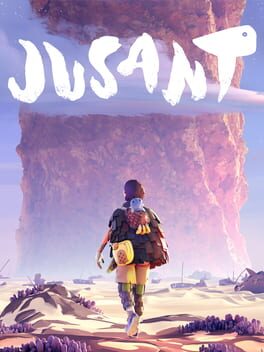
Top pick:Jusant is the single closest pick: it is, purely and simply, a climbing game built around reading vertical terrain and managing grip stamina biome by biome — if you want to understand what Peak is doing mechanically in a solo, curated, and critically praised form, Jusant is where you go first.
Some store buttons are affiliate links — we may earn a commission at no extra cost to you.
21 games like Peak
97%💎 Gem
Jusant 2023
Jusant is a dedicated vertical climbing game where you manage hand-grip stamina, place pitons, and ascend a massive dried-out tower biome by biome. The physicality of reading routes and managing energy is the closest experience in gaming to Peak's core loop.
Key difference: Strictly solo, narrative-focused, no procedural generation.
Best for: Players who want Peak's climbing feel in a curated, atmospheric solo journey.
Skip if: You play for co-op chaos or daily fresh routes.
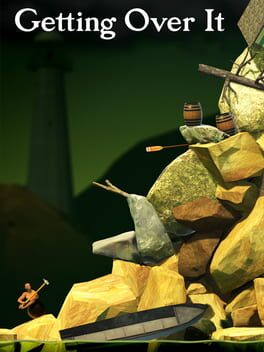
The definitive video-game climbing experience: a single punishing ascent where losing your grip can send you plummeting back to the start, demanding patience, route-reading, and acceptance of failure — Peak's soul in its purest distilled form.
Key difference: Strictly solo, intentionally cruel, no tools or team.
Best for: Players who want Peak's risk-of-falling tension at maximum cruelty.
Skip if: You need co-op or any reward loop beyond reaching the top.
Celeste is a precision platformer set on a mountain where stamina-dash management and reading vertical terrain are central mechanics — the same tension of committing to a move and risking losing ground. The mountain as metaphor and obstacle is identical in spirit.
Key difference: Pure solo, pixel-art 2D, no cooperative tools.
Best for: Players who want Peak's stamina/commitment tension in a masterfully designed solo form.
Skip if: You need 3D traversal or co-op to stay engaged.
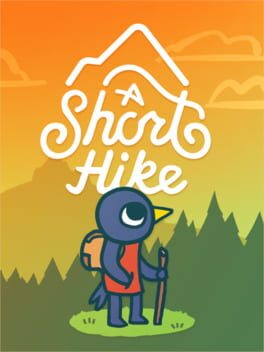
A Short Hike has you climbing a mountain island — collecting gear, talking to characters, and reaching the summit — in a breezy open-world that captures the same "ascend and explore" premise as Peak without the peril.
Key difference: Relaxed, no enemies, no stamina danger, very short.
Best for: Players who want Peak's mountain-island premise in a chill solo form.
Skip if: You want tension, co-op, or procedural replayability.
Split Fiction is a mandatory co-op platformer-adventure that constantly shifts biomes and mechanics, demanding tight communication and complementary actions between partners — the same cooperative dependency that Peak builds through rope-sharing and stamina calls.
Key difference: Strictly two-player only, scripted levels, no procedural generation.
Best for: Duos who want Peak's co-op necessity in a polished story package.
Skip if: You play solo or want more than two players.
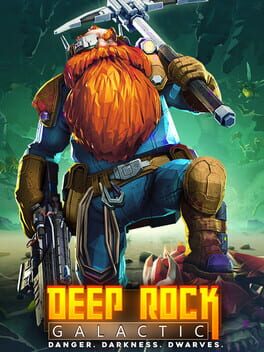
Deep Rock Galactic sends a squad of up to four into procedurally generated cave systems with distinct biomes, shared resource management, and enemies that punish going alone — the same co-op dependency and procedural variety as Peak, underground instead of overhead.
Key difference: Shooter combat is the primary loop; no vertical climbing stamina.
Best for: Four-player groups who love Peak's team-survival tension with more action.
Skip if: You want traversal/climbing as the core mechanic rather than gunplay.
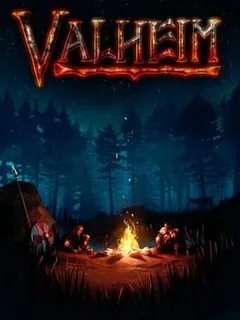
Valheim drops a co-op squad into a procedurally generated world with five distinct biomes of escalating danger, shared stamina-gated traversal, and crafting-tool progression — the co-op biome-by-biome survival structure matches Peak's loop closely.
Key difference: Massive crafting/building game; climbing is incidental, not the focus.
Best for: Groups wanting Peak's co-op multi-biome survival in a longer progression game.
Skip if: You want focused climbing; Valheim is broad survival.
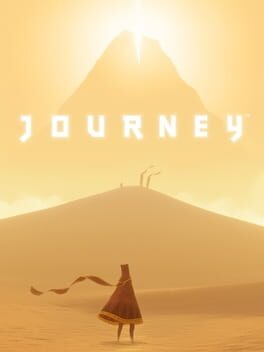
Journey is a wordless traversal experience that culminates in ascending a mountain, sharing the ascent with one anonymous other player. The meditative focus on movement, terrain-reading, and cooperation without explicit communication mirrors Peak's quiet co-op spirit.
Key difference: Solo or anonymous two-player only, no tools, no stamina system.
Best for: Players who want Peak's emotional mountain-ascent feeling distilled.
Skip if: You need mechanical depth, stamina systems, or four-player squads.
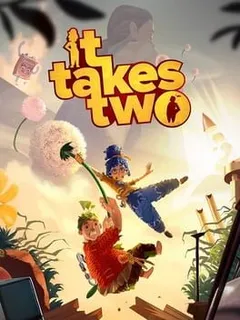
A strictly two-player co-op platformer that constantly reinvents its traversal mechanics across varied environments, demanding constant partner communication — the co-op dependency and biome variety closely mirrors Peak's duo-climbing dynamic.
Key difference: Narrative-driven, curated levels, no procedural generation.
Best for: Duos wanting Peak's co-op necessity in a polished story-driven form.
Skip if: You want solo play, four players, or roguelite replayability.
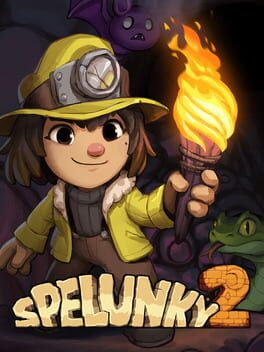
Spelunky 2 is a procedurally generated platformer where every run through distinct underground biomes brings new hazards, and death resets all progress — the same punishing procedural structure as Peak, just underground with roguelite runs instead of daily seeds.
Key difference: Solo or local co-op, true roguelite resets, no climbing-tool loop.
Best for: Players who love Peak's procedural danger and permadeath stakes.
Skip if: You need online co-op or literal climbing mechanics.
A co-op roguelite where a squad progresses through procedurally generated stages with distinct biomes, shared run management, and scaling difficulty — the daily-run co-op structure and biome variety align with Peak's design pillars.
Key difference: Third-person shooter combat; no climbing or stamina traversal.
Best for: Players who love Peak's roguelite co-op runs with more combat depth.
Skip if: You want traversal as the core loop rather than shooting.
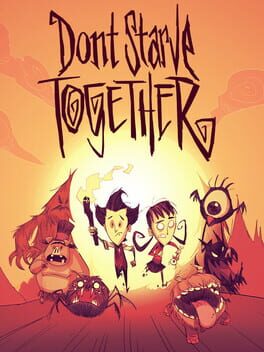
Don't Starve Together puts a co-op squad in a procedurally generated world with distinct biomes, shared resource management, and enemies that demand coordination — survival loop and team dependency closely echo Peak's group management.
Key difference: Top-down 2D, no climbing; survival is about crafting and hunger.
Best for: Groups wanting Peak's co-op survival tension in a longer-form game.
Skip if: You want traversal and vertical gameplay as the core.
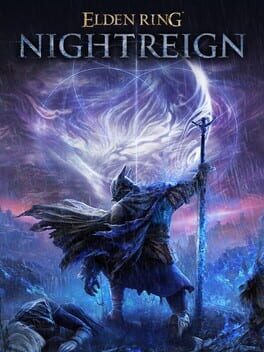
Elden Ring Nightreign is a three-player roguelite survival run through procedurally varied zones, demanding active cooperation and shared stamina-style management under a ticking clock — structurally very close to Peak's daily-run, multi-biome squad format.
Key difference: Heavy Souls combat; much steeper mechanical learning curve.
Best for: Players who want Peak's timed co-op roguelite structure with deep combat.
Skip if: You want accessible, casual co-op or literal climbing.
Grounded is a co-op survival game where a four-player squad explores a procedurally varied backyard, gathers resources, and tackles escalating threats together — the four-player co-op dependency and biome-crossing survival match Peak's group dynamic.
Key difference: Base-building survival in miniature suburbia, not mountain climbing.
Best for: Groups who want Peak's four-player co-op survival in a longer-form game.
Skip if: You want climbing mechanics or daily procedural seeds.
Left 4 Dead 2 moves a four-player co-op squad through distinct environmental chapters with dynamic difficulty, punishing players who separate and rewarding tight teamwork — the same co-op dependency and "don't get left behind" tension as Peak.
Key difference: Shooter, horror-themed, no traversal/climbing mechanics.
Best for: Groups wanting Peak's four-player squad tension in a faster, action-focused package.
Skip if: You want climbing, exploration, or non-combat co-op.
Ultimate Chicken Horse is a competitive-cooperative platformer where players collectively build and traverse improvised obstacle courses — the same chaotic, laugh-filled co-op energy as Peak, with platforming as the shared language.
Key difference: Competitive as well as cooperative; level building is the main loop.
Best for: Friend groups wanting Peak's chaotic co-op fun in a party game.
Skip if: You want a serious challenge or procedural exploration.
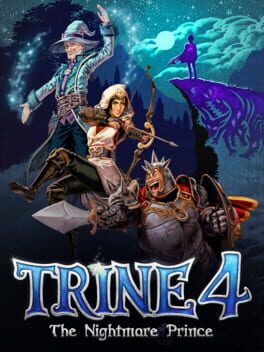
Trine 4 is a co-op platformer-puzzler with up to four players navigating environmental obstacles using complementary abilities — shared problem-solving and terrain navigation echo Peak's cooperative traversal structure.
Key difference: Fixed levels, puzzle-focused, no stamina or survival stakes.
Best for: Groups wanting Peak's co-op traversal puzzles in a polished fairy-tale setting.
Skip if: You need procedural variety or survival tension.
R.E.P.O. is a chaotic co-op extraction game where a squad manages shared resources in procedurally generated environments under constant threat — the team communication and "don't fail the group" stakes closely mirror Peak's co-op pressure.
Key difference: Physics-comedy extraction loop rather than climbing; horror tone.
Best for: Friend groups who love Peak's chaotic co-op communication under pressure.
Skip if: You want exploration or climbing; this is object-carrying comedy.
Portal 2's co-op mode forces two players to communicate and physically depend on each other to traverse test chambers — the puzzle-traversal co-dependency is structurally similar to Peak's rope-and-piton teamwork.
Key difference: Indoor puzzle game, no survival stakes, two-player only.
Best for: Duos who love Peak's collaborative traversal in a clean puzzle format.
Skip if: You want outdoor exploration, four players, or stamina systems.
Death Stranding centers on outdoor traversal across hostile terrain with stamina management, tool preparation (ladders, ropes, cargo balancing), and reading routes — the traversal loop feels distinctly Peak-adjacent even if the framing is different.
Key difference: Primarily solo, narrative-heavy sci-fi, no co-op climbing.
Best for: Players who love Peak's careful traversal and tool-prep gameplay loop alone.
Mirror's Edge is built entirely around reading environments for movement routes and committing to traversal lines under pressure — the same spatial awareness and momentum-reading that climbing in Peak demands, just in an urban setting.
Key difference: Solo, urban parkour, no stamina depletion on holds, no co-op.
Best for: Players who love Peak's route-reading and movement commitment in a solo action game.
Skip if: You need co-op or a mountain/nature setting.
Strictly solo, narrative-focused, no procedural generation.
Xbox, PC, PlayStation
Getting Over It with Bennett Foddy
90%
Platform, Adventure
Strictly solo, intentionally cruel, no tools or team.
PC, Mobile
Celeste
88%
Platform, Adventure
Pure solo, pixel-art 2D, no cooperative tools.
PlayStation, PC, Xbox, Nintendo
A Short Hike
85%
Adventure, Indie
Relaxed, no enemies, no stamina danger, very short.
PlayStation, PC, Xbox, Nintendo
Split Fiction
82%
Platform, Adventure
Strictly two-player only, scripted levels, no procedural generation.
Xbox, Nintendo, PC, PlayStation
Deep Rock Galactic
80%
Adventure, Indie
Shooter combat is the primary loop; no vertical climbing stamina.
Xbox, PlayStation, PC
Valheim
78%
Adventure, Indie
Massive crafting/building game; climbing is incidental, not the focus.
Xbox, PC, Nintendo, PlayStation
Journey
75%
Platform, Adventure
Solo or anonymous two-player only, no tools, no stamina system.
PlayStation, PC, Mobile
It Takes Two
75%
Platform, Adventure
Narrative-driven, curated levels, no procedural generation.
Xbox, PlayStation, PC, Nintendo
Spelunky 2
74%
Platform, Adventure
Solo or local co-op, true roguelite resets, no climbing-tool loop.
Xbox, PlayStation, PC, Nintendo
Risk of Rain 2
72%
Adventure, Indie
Third-person shooter combat; no climbing or stamina traversal.
Xbox, PlayStation, PC, Nintendo
Don't Starve Together
70%
Adventure, Indie
Top-down 2D, no climbing; survival is about crafting and hunger.
PC, Nintendo
Elden Ring Nightreign
68%
Action, Open world
Heavy Souls combat; much steeper mechanical learning curve.
Xbox, PlayStation, PC
Grounded
68%
Adventure, Action
Base-building survival in miniature suburbia, not mountain climbing.
Xbox, PlayStation, PC, Nintendo
Left 4 Dead 2
65%
Action
Shooter, horror-themed, no traversal/climbing mechanics.
PC, Xbox
What makes a game feel like Peak?
Peak's DNA has three strands: traversal as the primary mechanic (not combat or story), mandatory co-op dependency (tools and stamina are shared problems), and procedural daily variation (the mountain is never the same). Very few games hit all three simultaneously, which is why Peak feels so distinct.
Jusant nails the traversal strand better than anything else in the pool — its grip system and piton placement are the most mechanically faithful analogue. Deep Rock Galactic and Elden Ring Nightreign hit the co-op dependency and procedural variety strands without the climbing. Celeste captures the stamina-and-commitment tension of climbing through pure 2D platforming design.
Best co-op picks for Peak fans
If the co-op is why you love Peak, your top alternatives are Split Fiction (the most mechanically inventive mandatory-co-op game of 2025, constantly shifting environments), Deep Rock Galactic (four-player squad survival in procedurally generated caves with genuine role interdependence), and Left 4 Dead 2 (the classic test of whether four players can hold a formation under pressure). All three will punish a squad that doesn't communicate.
For a more laid-back co-op adventure that still demands teamwork, Portal 2's co-op mode and Trine 4 both build traversal puzzles that require one player to support another — the same rope-and-piton logic, abstracted into puzzle form.
If you love the mountain-climbing setting specifically
Jusant and A Short Hike are the two games that most directly share Peak's mountain-island premise. Jusant is tense and deliberate; A Short Hike is breezy and warm — together they cover the full emotional range of what "climbing a mountain in a game" can feel like. Getting Over It with Bennett Foddy (in the additional list) is the third essential: a single punishing ascent that captures exactly the "one slip and you've lost everything" dread Peak builds on procedural terrain.
Journey earns a mention here too — its final act is a literal mountain ascent shared with a stranger, and the wordless cooperation it demands is pure Peak energy compressed into 90 minutes.
Is there a game exactly like Peak but with more content?
Valheim is the closest expansion of Peak's concept: a co-op squad traverses five biomes of escalating danger with shared stamina-gated movement and crafting-tool progression, but it's a full survival game with dozens of hours of content rather than a focused climbing experience.
What is the best solo game for Peak fans?
Jusant is the answer if you want climbing mechanics; Celeste is the answer if you want the stamina-commitment tension and mountain theme. Getting Over It with Bennett Foddy is the answer if you want Peak's punishing "a slip costs everything" philosophy at maximum intensity.
Are there other co-op games like Peak with procedurally generated levels?
Deep Rock Galactic, Risk of Rain 2, and Elden Ring Nightreign all combine online co-op with procedurally generated environments and distinct biomes. Deep Rock is the most accessible; Nightreign is the most structurally similar to Peak's timed daily-run format.
What should I play while waiting for Peak's mountain to reset?
A Short Hike takes about 90 minutes to reach the summit and is a perfect between-sessions palette cleanser. Split Fiction is a longer co-op adventure you can run with a partner in the same time it takes the mountain to refresh.
Does anything replicate Peak's stamina and tool management?
Jusant replicates grip-stamina most faithfully. Death Stranding replicates the broader loop of tool preparation (ladders, ropes, cargo) and careful terrain reading, though in a sci-fi solo context. Celeste's dash-and-hold stamina system is the closest 2D equivalent.
 97%💎 Gem