Corepunk's appeal lies in its rare combination of top-down MMORPG structure and a genuine fog-of-war exploration system layered over a seamless open world that blends dark fantasy with science fiction. Add deep professions, guild systems, PvP battlegrounds, and monster-camp grinding and you have a game that feels like a modern revival of classic isometric MMO design.
When players ask for games like Corepunk, they're really looking for one or more of these elements: a top-down or isometric perspective in a living world, meaningful exploration with discovery tension, MMORPG social scaffolding (guilds, professions, PvP), and a hybrid fantasy/sci-fi aesthetic that feels dark and mysterious rather than cartoonish.
Top pick:Albion Online is the single closest match to Corepunk available right now — it is a top-down MMORPG with fog-of-war map exploration, open-world PvP, a player-driven profession economy, guild warfare, and monster camps, making it functionally the same genre executed at a polished, fully released scale.
Some store buttons are affiliate links — we may earn a commission at no extra cost to you.
18 games like Corepunk
95%
Albion Online 2017
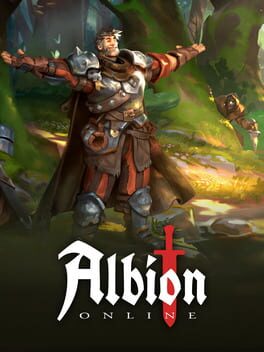
Albion Online is the closest analogue to Corepunk: a top-down MMORPG with guild warfare, open-world PvP zones, a deep profession and crafting economy, monster camps, and fog-of-war map exploration. It is virtually the same genre blueprint.
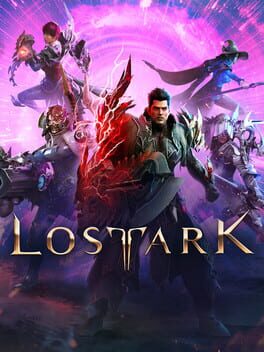
Lost Ark is a top-down isometric MMORPG with guilds, battlegrounds, diverse classes, professions, open-world monster camps, and a seamless world to explore — matching nearly every feature pillar Corepunk advertises.
Key difference: More vertical progression treadmill; Korean MMO monetization.
Best for: Players who want a polished, populated version of Corepunk's vision.
Skip if: You dislike heavy MMO grind or pay-to-progress mechanics.
Path of Exile is a top-down isometric MMORPG-adjacent ARPG with staggering build depth, passive skill trees, endgame map farming, and extensive league systems. Its dark fantasy tone and monster-camp grinding match Corepunk's core loop directly.
Key difference: Solo/small-group focused; no guild battlegrounds or professions.
Best for: Players wanting the deepest possible ARPG build system.
Skip if: You need full MMO social systems and PvP battlegrounds.
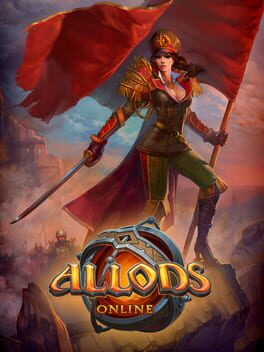
Allods Online is a free-to-play MMORPG blending fantasy and sci-fi in a rich open world with guilds, quests, battlegrounds, and profession systems that closely mirror Corepunk's structure. The top-down-adjacent camera and faction warfare give it a familiar multiplayer RPG rhythm.
Key difference: Free-to-play with aggressive monetization pressure.
Best for: Players wanting a full MMORPG feature set for free.
Guild Wars 2 delivers a seamless open world MMORPG with dynamic events, diverse professions/crafting, guilds, and PvP battlegrounds — all core pillars Corepunk shares. Its horizontal progression rewards exploration thoroughly.
Key difference: Third-person action combat instead of top-down.
Best for: Players wanting polished, populated MMORPG servers.
Skip if: You specifically want isometric or top-down perspective.
Ultima Online is a founding top-down MMORPG with open-world exploration, professions, guild warfare, player-driven economy, and fog-of-war — one of the earliest games to combine all of Corepunk's design pillars in one package.
Key difference: Very old engine; niche active playerbase today.
Best for: Historians of the genre and sandbox MMO purists.
Skip if: You need modern graphics or a large active playerbase.
Final Fantasy XI Online is a classic MMORPG with deep professions, guilds, open-world exploration, and challenging monster camps demanding party coordination — all hallmarks of the Corepunk experience. Its lore depth is exceptional.
Key difference: Much older engine; very slow early-game pacing.
Best for: Lore-hungry players who enjoy deep MMORPG systems.
Skip if: You want modern visuals or solo-friendly content.
Dungeons & Dragons Online is a free MMORPG with quest-driven dungeon runs, class professions, guilds, and a fantasy open world. Its structured quest content and group play feel similar to Corepunk's challenging camp and dungeon design.
Key difference: Dungeon-instance focused rather than seamless open world.
Best for: D&D fans who want a classic MMORPG loop.
Skip if: You dislike loading-screen-gated dungeon instances.
Diablo II is the blueprint for top-down ARPG loot games — isometric view, monster camp grinding, build depth, and a dark fantasy world that Corepunk draws direct inspiration from. Multiplayer sessions capture a similar social chaos.
Key difference: No persistent open world or profession/crafting depth.
Best for: Players wanting the purest top-down combat loop.
Skip if: You need guild structures and live MMO social features.
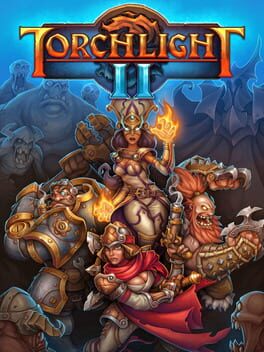
Torchlight II is a top-down action RPG with multiplayer, diverse character classes, rich loot systems, and a bright fantasy-meets-steampunk world. Its class customization and dungeon farming feel very close to Corepunk's combat identity.
Key difference: No persistent online world or guild/battleground systems.
Best for: Players who love Diablo-style loot but want more colour.
Skip if: You want a living MMO world with other players around.
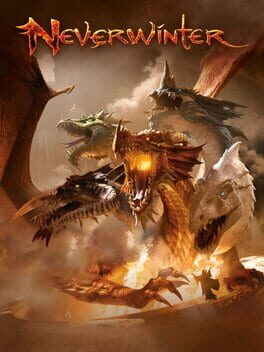
Neverwinter is a free-to-play MMORPG set in the Forgotten Realms with guilds, professions, open zones, dungeons, and PvP battlegrounds sharing Corepunk's structural checklist. Its D&D fantasy lore is deeply developed.
Key difference: Third-person action combat; heavy cash-shop economy.
Best for: D&D lore fans wanting a populated, free MMORPG.
Skip if: You want top-down perspective or minimally monetized MMOs.
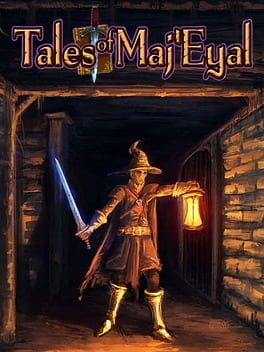
Tales of Maj'Eyal is a top-down RPG that uses a genuine fog-of-war exploration system — one of the few games that replicates that specific Corepunk mechanic directly. Deep class systems and dangerous monster zones reward careful exploration.
Key difference: Turn-based roguelike rather than real-time MMO action.
Best for: Players who love Corepunk's fog-of-war discovery loop.
Skip if: You dislike turn-based or permadeath mechanics.
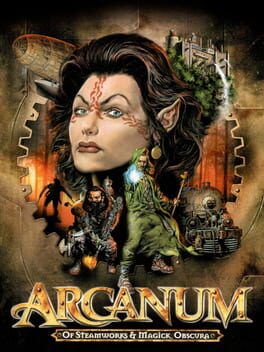
Arcanum blends fantasy and steampunk sci-fi in an isometric open RPG world — matching Corepunk's hybrid genre DNA almost exactly. Extensive crafting, factions, and a rich world to discover reward curious explorers.
Key difference: Single-player, turn-based; very old engine.
Best for: Lore and world-building fans who enjoy sci-fi/fantasy fusions.
Skip if: You need modern multiplayer or real-time combat.
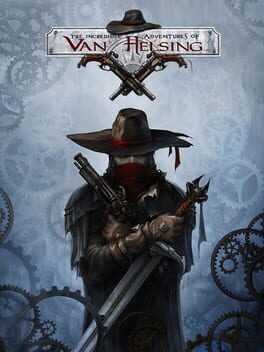
Van Helsing mixes gothic fantasy and steampunk in a top-down ARPG with skill trees, item crafting, and a strong monster-camp grinding loop. Its hybrid visual tone (dark fantasy + industrial sci-fi) evokes Corepunk's aesthetic closely.
Key difference: Linear story structure rather than open sandbox MMO.
Best for: Solo players wanting a top-down ARPG with atmosphere.
Skip if: You need guilds, battlegrounds, or real MMO social features.
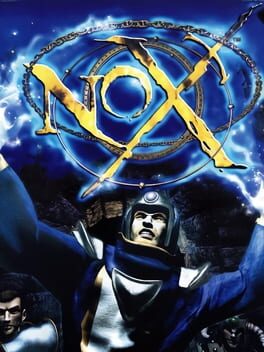
Nox is a forgotten top-down action RPG (2000) with three distinct class paths, multiplayer arena PvP, and fantasy monster-camp grinding that shares Corepunk's isometric combat DNA. Its multiplayer modes include team battlegrounds.
Key difference: Early-2000s production values; very short campaign.
Best for: Retro ARPG fans and hidden gem hunters.
Skip if: You need modern visuals or a persistent world.
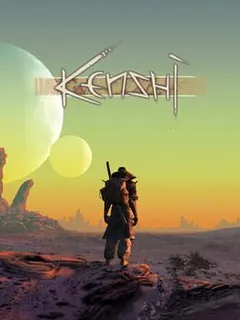
Kenshi is a top-down open-world RPG set in a brutal sci-fi/fantasy hybrid wasteland where you build a character, recruit squad members, and explore a fog-shrouded map. Its faction systems and sandbox depth echo Corepunk's world ambition.
Key difference: No structured quests or MMORPG multiplayer; ultra-punishing.
Best for: Sandbox survival fans who want an open-world sci-fi/fantasy blend.
Skip if: You dislike unguided, extremely difficult survival sandboxes.
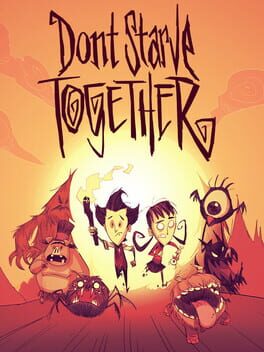
Don't Starve Together uses a top-down view and genuine fog-of-war map exploration in a shared multiplayer world, making map discovery a tense shared activity similar to Corepunk. Crafting, biome exploration, and monster camps are all present.
Key difference: Survival horror tone; no character progression or guilds.
Best for: Co-op players who love fog-of-war exploration tension.
Skip if: You dislike survival mechanics or permadeath.
Dragon Age: Origins is a deep fantasy RPG with party management, rich lore, varied quest structures, and challenging monster encounters that share Corepunk's commitment to meaningful world-building and tactical combat depth.
Key difference: Single-player only; isometric-option but not MMO.
Best for: Lore-first RPG fans who want authored story depth.
Skip if: You want multiplayer or persistent open-world features.
More vertical progression treadmill; Korean MMO monetization.
PC
Path of Exile
85%
Role-playing (RPG), Fantasy
Solo/small-group focused; no guild battlegrounds or professions.
PlayStation, PC, Xbox
Allods Online
82%
Role-playing (RPG), Fantasy
Free-to-play with aggressive monetization pressure.
PC
Guild Wars 2: Heart of Thorns
78%
Role-playing (RPG), Fantasy
Third-person action combat instead of top-down.
PC
Ultima Online
78%
Role-playing (RPG), Fantasy
Very old engine; niche active playerbase today.
PC
Final Fantasy XI Online
75%
Role-playing (RPG), Fantasy
Much older engine; very slow early-game pacing.
PC, Xbox, PlayStation
Dungeons & Dragons Online
73%
Role-playing (RPG), Fantasy
Dungeon-instance focused rather than seamless open world.
PC
Diablo II
72%
Role-playing (RPG), Fantasy
No persistent open world or profession/crafting depth.
PC
Torchlight II
70%
Role-playing (RPG), Fantasy
No persistent online world or guild/battleground systems.
PlayStation, PC, Xbox, Nintendo
Neverwinter
70%
Role-playing (RPG), Fantasy
Third-person action combat; heavy cash-shop economy.
PlayStation, PC, Xbox
Tales of Maj'Eyal
68%
Role-playing (RPG), Fantasy
Turn-based roguelike rather than real-time MMO action.
PC
Arcanum: of Steamworks and Magick Obscura
65%
Role-playing (RPG), Fantasy
Single-player, turn-based; very old engine.
PC
The Incredible Adventures of Van Helsing
62%
Role-playing (RPG), Fantasy
Linear story structure rather than open sandbox MMO.
PlayStation, PC, Xbox, Nintendo
Nox
60%
Role-playing (RPG), Fantasy
Early-2000s production values; very short campaign.
PC
What makes a game truly feel like Corepunk?
The key ingredients are a top-down or isometric camera, a persistent multiplayer world, fog-of-war exploration that rewards curiosity, and layered MMO systems — professions, guilds, battlegrounds. Very few games tick every box. Albion Online and Lost Ark come closest among released titles, sharing the isometric MMORPG blueprint almost entirely. Within the candidate pool, Tales of Maj'Eyal is the rare single-player game that actually uses a fog-of-war system and dangerous, rewarding monster zones in a top-down RPG context.
Diablo II and Torchlight II capture the isometric combat feel and monster-camp grinding without the MMO social layer, making them solid entry points for players primarily drawn to Corepunk's action RPG combat rather than its persistent world.
If you want the sci-fi/fantasy hybrid aesthetic
Corepunk's world stands out for blending technology and magic in a single gritty setting. Arcanum: Of Steamworks and Magick Obscura is an overlooked isometric classic that does exactly this — steam-powered industrialism colliding with elven magic — and rewards deep lore exploration. Kenshi takes a darker approach, dropping you into a top-down open world where crumbling sci-fi and tribal fantasy coexist in a lawless sandbox.
For a more action-focused version of the same aesthetic, The Incredible Adventures of Van Helsing trades Corepunk's MMO scale for a top-down co-op ARPG set in a gothic-steampunk eastern Europe, keeping the visual tone and monster-slaying loop intact.
Best multiplayer and co-op alternatives
If co-op or guild play is the core draw, Guild Wars 2 offers the most polished MMORPG alternative with a fully seamless open world, extensive profession systems, and structured PvP battlegrounds. Don't Starve Together is a surprising pick for players specifically drawn to Corepunk's fog-of-war tension — its shared map is shrouded until explored, and co-op survival in an unknown world creates a similar atmosphere of cautious discovery.
Path of Exile serves players who want deep build theory and grinding in a dark isometric world; its seasonal leagues function similarly to Corepunk's milestone content releases, keeping the endgame fresh.
Is there anything exactly like Corepunk already released?
Albion Online is the closest released game: a top-down MMORPG with fog-of-war, professions, guild warfare, and open-world PvP. Lost Ark is another strong match as a polished isometric MMORPG with guilds and battlegrounds, though its perspective is camera-locked rather than using fog of war.
What games have fog of war like Corepunk?
Fog of war in an RPG context is rare. Tales of Maj'Eyal uses it directly in top-down dungeon and world exploration. Albion Online and Ultima Online have historically used it in their open-world maps. Don't Starve Together applies fog of war to co-op survival exploration. Most modern MMORPGs have abandoned the mechanic, which makes Corepunk distinctive.
What is the best Corepunk alternative for solo players?
Arcanum: Of Steamworks and Magick Obscura for lore and world-building depth; Diablo II or Torchlight II for the top-down ARPG combat loop; and Tales of Maj'Eyal for the fog-of-war exploration experience specifically. None are MMOs, but each captures a distinct pillar of Corepunk's design.
Are there any top-down MMORPGs besides Corepunk and Albion Online?
Yes — Ultima Online is the historical originator of the genre and remains playable on free shards. Allods Online has a top-down-adjacent isometric style with full MMORPG features including guilds and PvP. Final Fantasy XI Online and Dungeons & Dragons Online are older MMORPGs with comparable systems, though their cameras are more traditional third-person.
What game has the most similar world-building and lore depth to Corepunk?
Among MMORPGs, Final Fantasy XI Online and Guild Wars 2 are known for exceptional lore depth. For single-player alternatives, Arcanum and Dragon Age: Origins both build richly layered worlds where the interplay of magic and technology (or nature and politics) creates genuine narrative texture comparable to Corepunk's worldbuilding ambitions.
 95%
95%