Assassin's Creed II earned its reputation through a rare combination: a charismatic protagonist with a personal revenge arc, fluid rooftop parkour across living Renaissance cities, and a stealth-action combat system that rewards patience and timing. The Animus framing layered science-fiction intrigue over meticulously recreated history, making every climb up a Florentine tower feel both thrilling and meaningful.
When players ask for games like AC II, they're really asking for one or more of its core pillars: third-person open-world traversal with vertical freedom, stealth-driven assassination planning, richly historical or cinematic settings, and a narrative of an underdog reshaping history. The best alternatives deliver at least two of those pillars convincingly.
Top pick:Assassin's Creed Brotherhood is the single closest pick — it runs on the same engine, stars Ezio at the peak of his powers, and adds the Brotherhood recruitment layer without diluting anything that made AC II great; if you finished the second game and want more, start here before branching out.
Some store buttons are affiliate links — we may earn a commission at no extra cost to you.
23 games like Assassin's Creed II
97%
Assassin's Creed Brotherhood 2010
Brotherhood picks up directly where AC II leaves off, keeping Ezio, Rome as the open playground, and the same free-running/counter-kill combat loop. It adds the Brotherhood recruitment mechanic for extra tactical depth.
Key difference: Adds a meta-layer: training and deploying assassin recruits.
Best for: Anyone who finished AC II and wants more Ezio immediately.
The original AC established the Animus framing, rooftop parkour, and assassination-contract loop across Holy Land cities. Less mechanically polished but shares the exact same DNA as AC II.
Key difference: Far more repetitive mission structure; no RPG progression.
Best for: Completionists who want Ezio's story from the beginning.
Skip if: You bounced off its notorious mission repetition already.
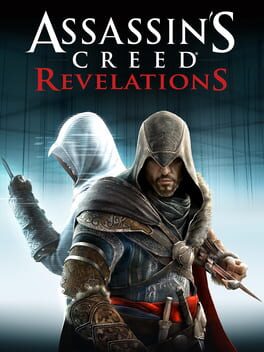
Revelations closes Ezio's trilogy in Constantinople, preserving the parkour-and-stab loop with hook-blade traversal and a hook-blade zipline system. The conspiracy narrative reaches its emotional peak here.
Key difference: Adds tower-defense bomb-crafting segments that divide opinion.
Best for: Players who want story closure on Ezio's arc.
Skip if: Tower-defense mini-games sound like a dealbreaker.
Origins rebuilds the AC formula in ancient Egypt with a fully overhauled RPG combat system, vast open world, and a revenge-and-conspiracy story that consciously echoes AC II's emotional beats.
Key difference: Full action-RPG combat replaces counter-kill system; much larger and more varied map.
Best for: AC II fans ready for the series' modern reinvention with deeper systems.
Skip if: You prefer the old fluid counter-kill combat over hitbox-based RPG fights.
Black Flag transplants the AC formula to the 18th-century Caribbean, adding a full open-ocean sailing/naval combat layer around the same city parkour and stealth assassination missions.
Key difference: Naval gameplay dominates; land sections are a minority.
Best for: Players who want AC's feel plus a pirate fantasy.
Skip if: Sea travel and ship combat don't interest you at all.
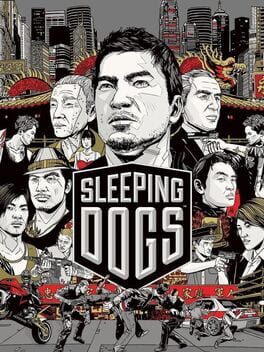
Sleeping Dogs drops you into Hong Kong as an undercover cop who climbs, vaults, and brawls through an open city — the melee combat system and narrative of a man playing two roles mirror AC II's core loop remarkably well.
Key difference: Contemporary Hong Kong setting; no parkour, more brutal martial arts combat.
Best for: AC II fans who want the best open-world melee brawler the genre produced.
Skip if: Historical setting and stealth assassination are your primary reasons to play.
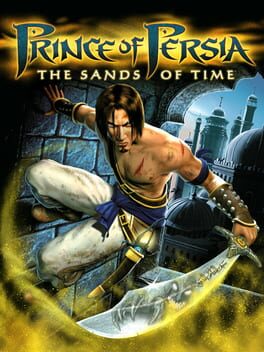
Prince of Persia: The Sands of Time is the spiritual predecessor to AC's parkour — wall-running, ledge-jumping, acrobatic melee combat in a historical-fantasy palace. Ubisoft Montreal made both.
Key difference: Linear levels replace open-world exploration; time-rewind replaces death.
Best for: Fans who love AC II's platforming more than its open world.
Skip if: You need a large open city to roam freely.
Odyssey expands Origins' RPG framework into ancient Greece with dialogue choices, romance options, and mercenary bounty systems layered over familiar parkour and assassination gameplay.
Key difference: Massive dialogue-tree RPG scope dwarfs AC II's tighter story experience.
Best for: Players who want AC in ancient Greece with near-endless content.
Skip if: You prefer compact narratives and classic stealth over open-world RPG sprawl.
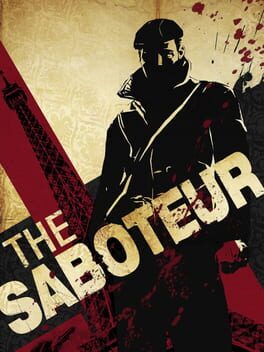
The Saboteur is set in Nazi-occupied Paris and asks you to climb landmarks, assassinate officers, and liberate neighbourhoods — the structural and tonal overlap with AC II's occupation-of-Italy narrative is striking.
Key difference: WWII setting with a muscle-car-and-jazz aesthetic; shooting heavier than stealth.
Best for: AC II fans who want a historical open-world liberation fantasy they've probably missed.
Skip if: You need polished production values and refined melee combat.
AC III moves the series to Revolutionary America with the same climbing, stealth, and Animus conspiracy narrative. Connor's hunting/naval mechanics expand the sandbox.
Key difference: Protagonist and tone are darker, slower-burning than Ezio.
Best for: Players drawn to the historical-conspiracy story above all.
Skip if: Ezio's charisma and Italian setting were the main draw.
Shadow of Mordor copies AC's climbing-and-stealth open-world structure almost beat-for-beat, then adds the Nemesis system where captains remember and adapt to your tactics. Set in Tolkien's Middle-earth.
Key difference: Nemesis system creates emergent rivalries absent from AC.
Best for: AC II fans who want deeper systems wrapped around familiar traversal.
Skip if: You dislike fantasy settings or Lord of the Rings lore.
Arkham City is an open-world playground where Batman glides, grapple-hooks, and detective-stealths across a walled-off criminal city. The freeflow combat system shares AC II's rhythmic counter-kill feel.
Key difference: Detective vision and gadget puzzles replace historical exploration.
Best for: AC fans who want the best third-person melee system in the genre.
Skip if: Superhero license and sci-fi gadgetry feel off-brand to you.
Arkham Knight expands the Arkham City formula into a larger open Gotham with the same freeflow combat and predator-stealth rooms, plus a Batmobile that polarizes fans.
Key difference: Batmobile tank sections mandatory throughout the main story.
Best for: Players who loved Arkham City and want a bigger canvas.
Arkham Asylum is a tighter, more focused stealth-action game than AC II but perfected the rhythmic melee counter system and predator-room stealth that the whole genre borrowed from.
Key difference: Contained asylum environment, not a free-roaming open world.
Best for: Players who prefer focused level design over open-world sprawl.
Skip if: Open-world freedom is non-negotiable for you.
Dishonored casts you as a framed assassin using supernatural powers to kill or ghost-run through a Victorian-steampunk city. Creative assassination approaches and a morality-driven narrative echo AC II strongly.
Key difference: First-person perspective and supernatural powers replace parkour.
Best for: Players who obsessed over AC II's assassination planning.
Skip if: You need third-person visuals and historical realism.
Uncharted 4 is a cinematic third-person adventure built on climbing, scrambling, and cover shooting across gorgeous historical locations. The globe-trotting treasure-hunter tone mirrors AC II's adventurous energy.
Key difference: Linear chapter structure; no open world or stealth as core systems.
Best for: AC II fans drawn to the cinematic historical adventure narrative.
Skip if: You need open-world freedom and stealth as primary loops.
Uncharted 2 blends climbing, melee brawls, and setpiece action in historical foreign cities — a structural cousin to AC II without the stealth or open world. Pacing and production are exceptional.
Key difference: Much more linear and shooter-focused than AC II.
Best for: Players who want the adventure tone in a tighter action package.
Skip if: Stealth and open-world exploration are why you play AC.
Marvel's Spider-Man nails the joyful open-world traversal fantasy that AC II pioneered, swapping parkour for web-swinging across Manhattan. The third-person combat and gadget-stealth options feel familiar.
Key difference: Superhero power fantasy instead of grounded historical stealth.
Best for: Players who loved AC II's traversal more than its setting.
Skip if: Historical grounding and stealth realism matter most to you.
Tomb Raider (2013) is a third-person action-adventure built on climbing, melee, stealth, and exploration across a semi-open island. The survival crafting and brutal tone differ but the moment-to-moment traversal clicks.
Key difference: Survival horror tone and crafting replace historical intrigue.
Best for: AC fans who want climbing-and-stealth with a stronger action-survival edge.
Skip if: Open historical cities and conspiracy narratives are your core draw.
Sekiro is set in Sengoku Japan and features stealth kill-chains, rooftop grappling, and a narrative dripping in historical mystery — the surface aesthetics overlap with AC II's DNA significantly.
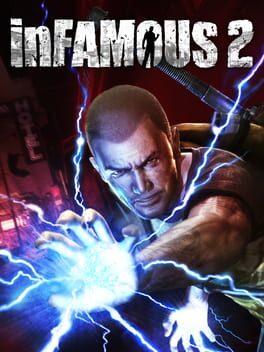
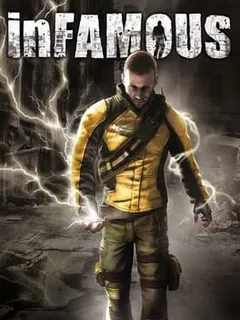
inFamous 2 is a third-person open-world game built on vertical traversal, climbing, and using superhuman powers to fight or stealth through a living city — the kinetic urban exploration echoes AC II's best moments.
Watch Dogs 2 replaces AC's Renaissance parkour with hacking and modern San Francisco, but the third-person open-world structure, optional stealth approaches, and Ubisoft mission design feel closely related.
Key difference: Hacking replaces parkour as the core traversal and infiltration tool.
Best for: AC II fans who want a modern Ubisoft open world with a lighter tone.
Skip if: Historical settings and melee-stealth are non-negotiable for you.
Bully casts you as a clever underdog navigating an open campus with stealth mischief, exploration, and social manipulation — it captures the same playful 'outcast becoming legend' arc that makes Ezio endearing.
Key difference: School social sandbox, no combat depth or historical grounding.
Best for: Players who loved Ezio's character journey and sandbox mischief.
Skip if: Action combat and historical atmosphere are why you play AC.
Adds a meta-layer: training and deploying assassin recruits.
PlayStation, PC, Xbox
Assassin's Creed
92%
Platform, Adventure
Far more repetitive mission structure; no RPG progression.
PlayStation, Xbox
Assassin's Creed Revelations
90%
Adventure, Action
Adds tower-defense bomb-crafting segments that divide opinion.
PlayStation, PC, Xbox
Assassin's Creed Origins
89%
Adventure, Action
Full action-RPG combat replaces counter-kill system; much larger and more varied map.
Xbox, PlayStation, PC
Assassin's Creed IV Black Flag
88%
Adventure, Action
Naval gameplay dominates; land sections are a minority.
PlayStation, PC, Nintendo, Xbox
Sleeping Dogs
88%
Adventure, Action
Contemporary Hong Kong setting; no parkour, more brutal martial arts combat.
PlayStation, PC, Xbox
Prince of Persia: The Sands of Time
87%
Platform, Adventure
Linear levels replace open-world exploration; time-rewind replaces death.
Xbox, PlayStation, Nintendo, PC
Assassin's Creed Odyssey
85%
Adventure, Action
Massive dialogue-tree RPG scope dwarfs AC II's tighter story experience.
Xbox, PlayStation, PC
The Saboteur
84%
Adventure, Action
WWII setting with a muscle-car-and-jazz aesthetic; shooting heavier than stealth.
PlayStation, PC, Xbox
Assassin's Creed III
83%
Adventure, Action
Protagonist and tone are darker, slower-burning than Ezio.
PlayStation, PC, Nintendo, Xbox
Middle-earth: Shadow of Mordor
83%
Adventure, Action
Nemesis system creates emergent rivalries absent from AC.
PlayStation, PC, Xbox
Batman: Arkham City
82%
Adventure, Action
Detective vision and gadget puzzles replace historical exploration.
PlayStation, PC, Xbox, Nintendo
Batman: Arkham Knight
80%
Adventure, Action
Batmobile tank sections mandatory throughout the main story.
PlayStation, PC, Xbox, Nintendo
Batman: Arkham Asylum
79%
Adventure, Action
Contained asylum environment, not a free-roaming open world.
PlayStation, PC, Xbox, Nintendo
Dishonored
79%
Adventure, Action
First-person perspective and supernatural powers replace parkour.
PlayStation, PC, Xbox
What makes a game feel like Assassin's Creed II?
Three pillars define the AC II experience: vertical open-world traversal (climbing any surface to survey the city), stealth-led assassination design (choosing when to ghost and when to counter-kill), and a historical setting with personal narrative stakes. Games that hit all three — like Assassin's Creed Brotherhood and Middle-earth: Shadow of Mordor — feel closest. Games that nail two of the three, like Batman: Arkham City (traversal + stealth combat) or Dishonored (stealth + personal narrative), still scratch a significant part of the itch.
Prince of Persia: The Sands of Time is the most underrated pick on this list: Ubisoft Montreal made it directly before AC, and you can see every parkour mechanic being prototyped — wall-runs, ledge grabs, acrobatic combat — in a tight historical-fantasy package most modern players have never touched.
Best picks if you loved Ezio's story above the gameplay
If the revenge arc, the charismatic protagonist, and the conspiracy narrative were your main draw, look to Uncharted 4: A Thief's End and Uncharted 2: Among Thieves for cinematic historical adventure with a likeable lead, even though their open-world freedom is limited. The Witcher 3: Wild Hunt — while deeper in RPG systems — shares the experience of inhabiting a richly detailed historical-fantasy world where your choices feel weighty and the side stories are as compelling as the main quest.
For a closer structural match, Sleeping Dogs (in the additional picks) deserves special attention: the story of Wei Shen playing two roles while navigating a criminal underworld is the most emotionally resonant AC II parallel in the genre, wrapped in slick hand-to-hand combat that rivals Arkham's freeflow system.
If you want the stealth-assassination fantasy pushed further
Dishonored is the purest evolution of AC II's assassination-planning fantasy: every target can be neutralised in a dozen creative ways, the world reacts to your lethality, and the Victorian-steampunk city rewards patient, observant play just as Florence and Venice did. Sekiro: Shadows Die Twice pushes the historical stealth-and-blade fantasy to its most demanding extreme — rooftop grappling in feudal Japan, shinobi kill-chains, and a story steeped in intrigue — but requires accepting punishing precision combat in place of AC II's forgiving counter-kill rhythm.
Is Assassin's Creed Brotherhood worth playing after AC II?
Absolutely — Brotherhood is the direct continuation of Ezio's story, runs on the same engine with refined mechanics, and adds the satisfying Brotherhood recruitment system. Most fans consider it at least as good as AC II and sometimes better.
What game has the best parkour similar to Assassin's Creed II?
Marvel's Spider-Man captures the joyful open-world traversal fantasy most directly (though web-swinging replaces parkour). For pure free-running closest to AC II, Prince of Persia: The Sands of Time is the historical ancestor, and the Assassin's Creed series itself — Origins, Odyssey — continues to refine the system.
Are there games like AC II set in real historical periods?
Yes — Assassin's Creed Origins (ancient Egypt), Assassin's Creed Odyssey (ancient Greece), Sekiro: Shadows Die Twice (Sengoku Japan), and The Saboteur (WWII Paris) all combine real historical settings with third-person action. Uncharted 2 and 4 use historical backdrops for cinematic adventure.
What's the best game like AC II for fans of stealth over combat?
Dishonored is the strongest recommendation: its assassination missions reward patient observation and creative approach selection more deeply than AC II does, and the morality system gives ghosting playthroughs extra weight.
Is Middle-earth: Shadow of Mordor basically Assassin's Creed in Middle-earth?
In mechanical terms, largely yes — Shadow of Mordor directly borrowed AC's climbing, open-world structure, and counter-kill combat. Its unique addition is the Nemesis system, where enemy captains remember encounters and evolve, creating emergent rivalries that AC II never attempted.
 97%
97%