A Little to the Left is beloved for one precise feeling: the deeply satisfying click of putting something exactly where it belongs. Whether it's lining up pencils by length, stacking books by color, or nudging cutlery into a perfect grid, the game turns the small domestic act of tidying into a meditative puzzle. Add a playful, mischievous cat that undoes your work, and you have a cozy loop that is genuinely low-stress yet mentally engaging.
When players ask for games like A Little to the Left, they're really chasing a very specific combination: tactile object manipulation, cozy/kid-friendly tone, satisfying visual completion, and zero combat or time pressure. The best alternatives share at least two of those pillars — not just a generic "puzzle" or "indie" tag.
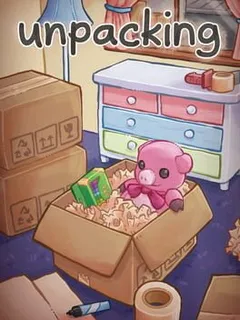
Top pick:Unpacking is the single closest match in the candidate pool: it is also entirely about placing everyday household objects into the right spots, offers zero fail states, and delivers that same warm "ahhh, tidy" release with every correctly placed item — making it the obvious first pick for any A Little to the Left fan.
Some store buttons are affiliate links — we may earn a commission at no extra cost to you.
Unpacking has you drag household items out of boxes and arrange them into a home, room by room. The same tactile satisfaction of finding the "right" place for everyday objects is the entire point — no combat, no dialogue, pure spatial puzzle cozy.
Key difference: Narrative-driven; each room tells a wordless story about a life.
Best for: Anyone who wants that organizing loop with emotional depth.
Skip if: You dislike slow-paced games with no clear win conditions.
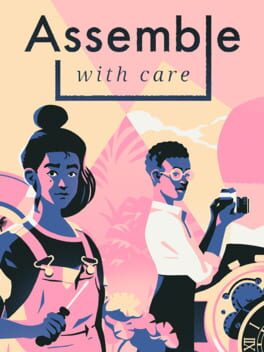
Assemble with Care by ustwo games has you carefully disassemble and reassemble broken everyday objects — cameras, record players, radios — using tactile drag-and-click mechanics. It shares ALTTL's domestic object focus, cozy aesthetic, and the deep satisfaction of making something whole and tidy.
Key difference: Repair/disassembly rather than sorting and arrangement.
Best for: ALTTL fans who want the same object intimacy with a warm story.
Skip if: You dislike linear, short (2-hour) narrative puzzle games.
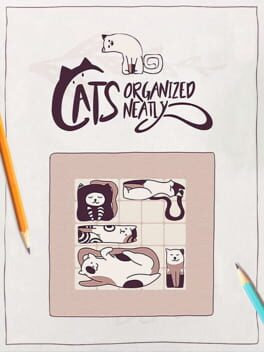
Cats Organized Neatly is a grid-puzzle game about fitting differently shaped cats into a snug rectangle — it combines ALTTL's cat theme with the satisfying spatial arrangement loop of fitting pieces into exactly the right spot.
Key difference: Tetromino-style grid logic rather than freeform arrangement.
Best for: Cat lovers who want a pure spatial puzzle challenge.
Skip if: You want open-ended cozy play rather than strict grid solutions.
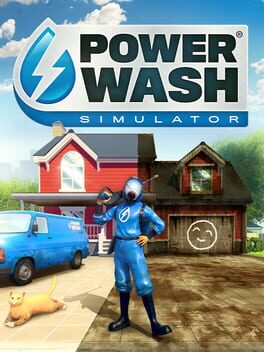
PowerWash Simulator delivers the same deeply satisfying completion loop — instead of arranging items you blast away grime, revealing a clean surface. The "ahhh, tidy" feeling is nearly identical, and the pacing is just as unhurried.
Key difference: Pure cleaning rather than spatial arrangement or puzzle logic.
Best for: Players who love the relaxing completion feel, not puzzle challenge.
Skip if: You want actual brain-teasing puzzles rather than meditative repetition.
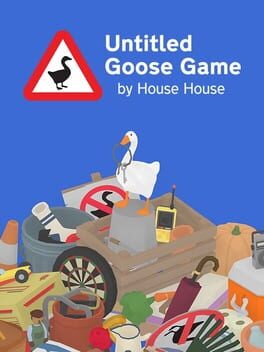
Untitled Goose Game puts you in control of a mischievous goose disrupting orderly everyday environments — a direct tonal mirror of the chaos-loving cat in A Little to the Left. Light puzzle tasks involve rearranging, stealing, and placing objects.
Key difference: You play the chaos agent, not the tidy-up hero.
Best for: Fans of the cat subplot who want to be the menace.
Skip if: You want genuine organization satisfaction rather than comedic disruption.
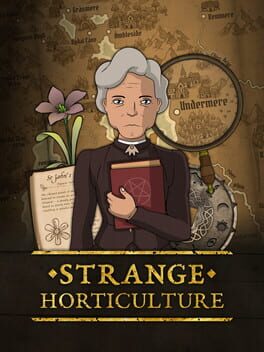
Strange Horticulture tasks you with sorting and identifying mysterious plants by cross-referencing books and visual clues — a desk-organizer puzzle loop wrapped in a cozy occult atmosphere. The careful, tactile sorting feel maps closely onto A Little to the Left.
Key difference: Dark mystery narrative replaces lighthearted household coziness.
Best for: Players who want the sorting loop with a story and stakes.
Skip if: You dislike slow reading-heavy games or dark themes.
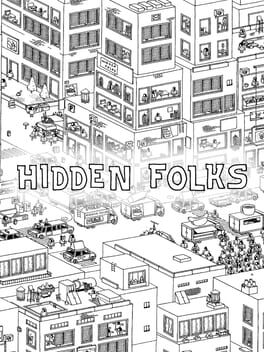
Hidden Folks is a hand-drawn seek-and-find puzzle game in which you comb meticulously detailed scenes of everyday life for tiny hidden characters. The careful visual attention to cluttered, charming spaces echoes ALTTL's focus on household detail.
Key difference: Seek-and-find rather than arrange-and-organize.
Best for: Players who love scrutinizing cluttered, cozy illustrations.
Skip if: You want active object manipulation, not passive searching.
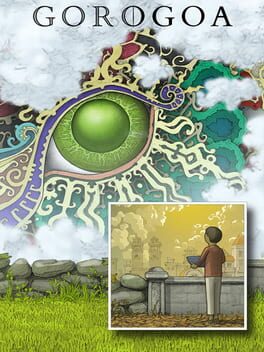
Gorogoa is a hand-illustrated puzzle game where you slide, zoom, and layer illustrated panels to discover hidden connections — entirely mouse-driven tactile puzzle manipulation with an unhurried, artistic feel very close to ALTTL's pacing.
Key difference: Abstract, layered panel logic rather than physical object placement.
Best for: Players who want the tactile puzzle feel with artistic depth.
Skip if: You want clear, legible puzzle rules over impressionistic logic.
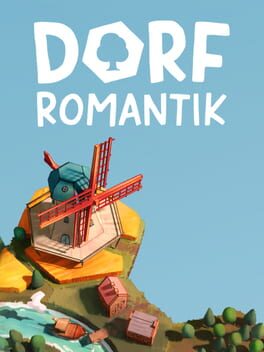
Dorfromantik is a serene tile-placement puzzle game — you place hexagonal landscape tiles to form pleasing, harmonious arrangements. The satisfaction of a perfectly matched row of trees or river is the same "that fits perfectly" joy as sorting household items.
Key difference: Abstract tile board rather than physical everyday objects.
Best for: Players who want endless, low-stress arrangement satisfaction.
Skip if: You dislike abstract strategy and want narrative or object recognition.
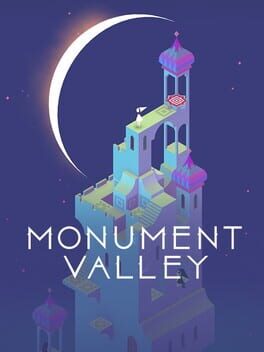
Monument Valley is a quiet, beautiful puzzle game where you rotate and slide impossible Escher-like architecture to guide a silent princess. Its slow, tactile manipulation of objects in space shares ALTTL's contemplative, satisfying puzzle rhythm.
Key difference: 3D geometry puzzles rather than real-world object organization.
Best for: Mobile players who want short, beautiful puzzle sessions.
Skip if: You want recognizable everyday objects and cat comedy.
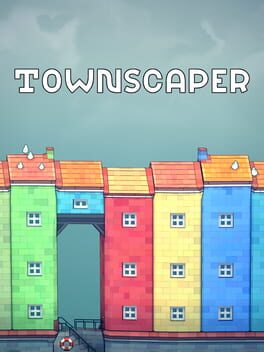
Townscaper is a relaxing town-building toy where clicking places colorful building blocks that auto-arrange into charming architecture. The freeform aesthetic satisfaction of arranging items to look pleasing is essentially ALTTL's core feeling in a different medium.
Key difference: Freeform creative sandbox with no puzzles or goals.
Best for: Players who want pure, zero-pressure aesthetic arranging.
Skip if: You need discrete puzzle solutions and a clear sense of completion.
Animal Crossing: New Horizons shares ALTTL's cozy loop of arranging and decorating spaces with everyday (or whimsical) objects. Placing furniture just right, organizing your island, and the gentle daily rhythm all scratch the same itch.
Key difference: Open-ended life-sim with social features, not a discrete puzzle set.
Best for: Players who want infinite cozy organizing without a finish line.
Skip if: You want clear puzzle solutions rather than freeform decoration.
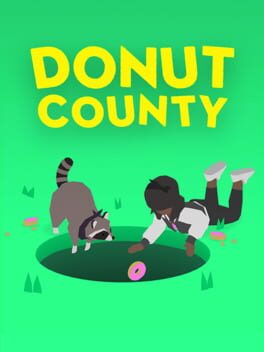
Donut County is a short, charming puzzle game about a hole in the ground that swallows everyday objects — you interact with and displace the same type of mundane household items as ALTTL, wrapped in a witty, kid-friendly comedy tone.
Key difference: You destroy and swallow objects rather than organize them.
Best for: Kids and players wanting a 2–3 hour cozy comedy puzzle.
Skip if: You want longer, more varied puzzle content.
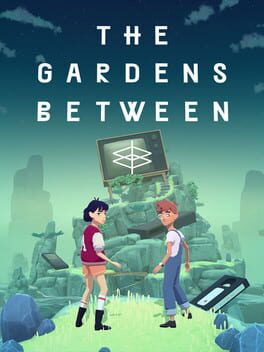
The Gardens Between is a gentle puzzle game about manipulating time to guide two children through memory-diorama islands. Its quiet, meditative interaction with small everyday objects (lanterns, tents, records) mirrors ALTTL's nostalgic domestic warmth.
Key difference: Time-rewind mechanic rather than spatial arrangement puzzles.
Best for: Players moved by quiet, wordless, bittersweet puzzle storytelling.
Skip if: You want physical object manipulation rather than timeline logic.
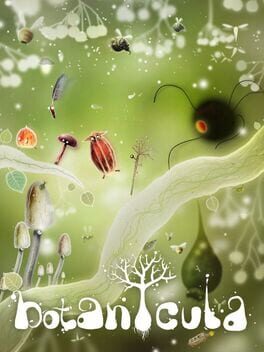
Botanicula is a whimsical point-and-click puzzle adventure from Amanita Design where you interact with curious small objects and creatures to solve gentle puzzles. Its playful, child-friendly comedy and tactile clicking feel closely match ALTTL's tone.
Key difference: Point-and-click adventure structure with a narrative through-line.
Best for: Fans of quirky, hand-crafted puzzle art with animal characters.
Skip if: You want household/real-world objects rather than fantasy critters.
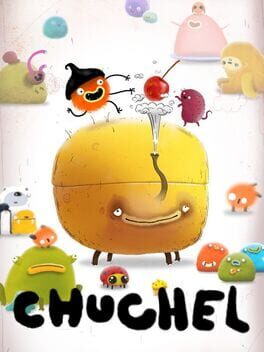
Chuchel is a slapstick point-and-click puzzle game about a furry creature trying to get a cherry. It shares ALTTL's playful, kid-friendly comedy and gentle tactile puzzle feel, with absurdist household-adjacent object interactions.
Key difference: Purely comedic and absurdist; puzzles are more logic-based than spatial.
Best for: Players who loved ALTTL's cat humor and want more cartoon chaos.
Skip if: You want the calm, meditative organization feel over comedy chaos.
Papers, Please is fundamentally about sorting and scrutinizing documents on a desk — a stressful procedural puzzle with a distinctive "tidy the pile" loop. If you loved organizing in ALTTL, the desk-bound item inspection here shares mechanical DNA.
Key difference: Tense political thriller tone, timed pressure — the opposite of cozy.
Best for: Players who want the sorting loop with moral weight and narrative.
Skip if: You come to ALTTL specifically to relax without stress or urgency.
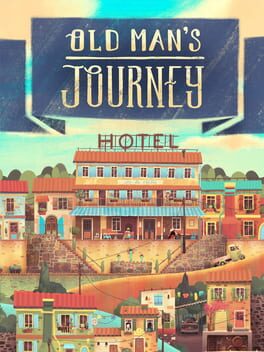
Old Man's Journey is a quiet puzzle game where you reshape rolling hills to clear a path, interacting with a world of small domestic and natural objects. Its gentle pace and focus on life's small details echo ALTTL's cozy contemplative mood.
Key difference: Environmental path-reshaping puzzles, not object arrangement.
Best for: Players who want a short emotional cozy puzzle with a tender story.
Skip if: You want replayable, varied puzzle content over a 90-minute story.
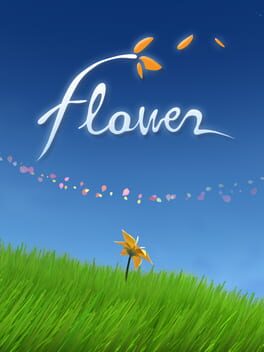
Flower is a serene, wordless experience where you guide petals across landscapes restoring color and life. The meditative, zero-fail cozy feel and pure aesthetic satisfaction are shared with ALTTL even though the mechanics differ.
Key difference: Flow-based motion game; no object sorting or spatial puzzle logic.
Best for: Players wanting pure relaxation with zero cognitive challenge.
Skip if: You want discrete puzzles with satisfying "click" solutions.
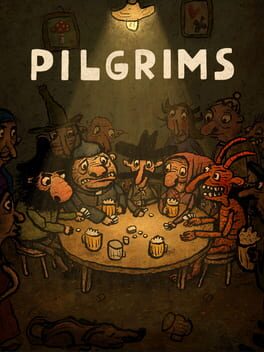
Pilgrims is a short, charming point-and-click puzzle game by Amanita Design where you collect quirky characters and items and use them creatively to solve problems. Its playful tone, small object interactions, and brevity match ALTTL's spirit.
Key difference: Inventory-combination adventure rather than spatial organization.
Best for: Players who want a short, whimsical object-puzzle in under 2 hours.
Skip if: You want longer puzzle content with household-object themes.
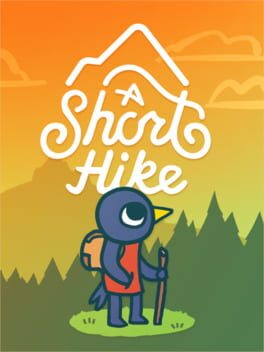
A Short Hike is a cozy open-world exploration game about hiking a small island and helping animal residents. It shares ALTTL's relaxed pace, zero-stress feel, and charm, though it swaps organizing puzzles for gentle exploration.
Key difference: Open-world hiking explorer, not a puzzle organization game.
Best for: Players who loved ALTTL's cozy vibe and want a chill exploration break.
Skip if: You specifically want tactile sorting and arrangement puzzles.
Narrative-driven; each room tells a wordless story about a life.
Xbox, PlayStation, PC, Mobile, Nintendo
Assemble With Care
90%
Puzzle, Indie
Repair/disassembly rather than sorting and arrangement.
Mobile, PC
Cats Organized Neatly
82%
Puzzle, Indie
Tetromino-style grid logic rather than freeform arrangement.
PC, Nintendo
PowerWash Simulator
75%
Indie
Pure cleaning rather than spatial arrangement or puzzle logic.
Xbox, PlayStation, PC, Mobile, Nintendo
Untitled Goose Game
73%
Puzzle, Indie
You play the chaos agent, not the tidy-up hero.
PlayStation, PC, Xbox, Nintendo
Strange Horticulture
72%
Puzzle
Dark mystery narrative replaces lighthearted household coziness.
Xbox, PlayStation, Mobile, PC, Nintendo
Hidden Folks
70%
Puzzle, Indie
Seek-and-find rather than arrange-and-organize.
PC, Mobile, Nintendo
Gorogoa
70%
Puzzle, Indie
Abstract, layered panel logic rather than physical object placement.
PlayStation, Mobile, PC, Xbox, Nintendo
Dorfromantik
68%
Puzzle, Indie
Abstract tile board rather than physical everyday objects.
Xbox, PlayStation, PC, Nintendo
Monument Valley
65%
Puzzle, Indie
3D geometry puzzles rather than real-world object organization.
Xbox, PC, Mobile, Nintendo
Townscaper
65%
Indie
Freeform creative sandbox with no puzzles or goals.
Xbox, Mobile, PC, Nintendo
Animal Crossing: New Horizons
63%
Kids
Open-ended life-sim with social features, not a discrete puzzle set.
Nintendo
Donut County
62%
Puzzle, Indie
You destroy and swallow objects rather than organize them.
PlayStation, Mobile, PC, Xbox, Nintendo
The Gardens Between
60%
Puzzle, Indie
Time-rewind mechanic rather than spatial arrangement puzzles.
PlayStation, PC, Mobile, Xbox, Nintendo
Botanicula
60%
Puzzle, Indie
Point-and-click adventure structure with a narrative through-line.
PC, Mobile
What makes a game feel like A Little to the Left?
The DNA of A Little to the Left rests on three pillars: tactile object manipulation (you click and drag real-feeling items), visual/spatial satisfaction (the right answer looks obviously correct, not just logically correct), and a cozy, zero-stakes tone. Games that nail all three are rare. Unpacking is the purest match — same mechanic, same domestic setting, same unhurried rhythm. Gorogoa and Strange Horticulture both offer that careful, deliberate object-handling feel, even though their settings differ.
Games that share only the "cozy" tag but lack the tactile sorting core — like open-world adventures or life-sims — scratch a different itch. PowerWash Simulator is interesting because it captures the satisfying completion loop ("the surface is now perfectly clean") without any arrangement logic, making it a great palette-cleanser between ALTTL sessions.
Best picks if you love the mischievous cat angle
The cat in A Little to the Left isn't just decoration — it introduces a playful adversarial wrinkle to the organizing fantasy. If that chaos energy is what you're after, Untitled Goose Game flips the premise entirely: you are the mischievous animal disrupting a carefully ordered world, scattering objects that tidy NPCs have arranged. It's the same domestic world viewed from the other side. Chuchel and Botanicula (both by Amanita Design) offer similarly playful creature-led comedy with gentle object-puzzle interaction and a kid-friendly absurdist sense of humor.
Short, beautiful puzzle games for when you want something meditative
A Little to the Left is best played in short, satisfying bursts — one or two puzzle solutions at a time. The Gardens Between and Old Man's Journey share that same bite-sized contemplative quality, both built around gentle manipulation of small objects or environments and a quiet, wordless emotional tone. For something visually stunning on a similar timescale, Monument Valley and its sequel offer hand-crafted puzzle art you can finish in an afternoon, with the same careful click-and-drag interaction that makes ALTTL so tactilely pleasing.
Is there a game exactly like A Little to the Left but with more content?
Unpacking is the closest equivalent with a full narrative arc across eight rooms spanning decades of a character's life. It has more overall playtime and adds an emotional story layer while keeping the same core loop of placing everyday objects into pleasing arrangements.
Are there mobile games similar to A Little to the Left?
Monument Valley and Monument Valley 2 are the highest-quality mobile puzzle games with a similar cozy, tactile feel. Cats Organized Neatly is a more direct match — a mobile/PC grid puzzle game about fitting cats into tight spaces — and it's extremely affordable.
What should I play after A Little to the Left if I want something a bit more challenging?
Strange Horticulture adds a mystery narrative and requires genuine deduction — sorting plants by cross-referencing illustrated books — so the organization loop comes with more cognitive weight. Baba Is You is a step further: its rule-manipulation puzzles can be genuinely difficult, though the tactile puzzle satisfaction is similar.
Is A Little to the Left good for kids?
Yes — it has a Kids theme tag, zero violence, and straightforward visual puzzles. Untitled Goose Game (rated E10+), Chuchel, and Botanicula are similarly kid-appropriate alternatives with the same playful humor and simple object interactions.
Does A Little to the Left have co-op, and are there similar co-op puzzle games?
A Little to the Left is primarily a single-player experience. For cozy co-op puzzle games with a similar gentle tone, It Takes Two is the most acclaimed option — it's built entirely around two players manipulating objects and environments together through imaginative puzzle scenarios.
 95%
95%