Unpacking works because it strips away all the noise of conventional games—combat, failure, leaderboards—and replaces it with something almost everyone recognises: the quiet ritual of moving into a new home and arranging your things. The puzzles are spatial and tactile, but the real hook is environmental storytelling: every drawer of postcards, every shelf of books, every childish toy kept into adulthood tells you something true about a person you never meet.
When players ask for games like Unpacking, they're really asking for one or more of three things: the meditative zen of organising objects, the warmth of a cosy low-pressure simulation, or the intimacy of a story told through space and things rather than cutscenes and dialogue. The best matches on this list deliver at least one of those, and the very best deliver all three.
Top pick:What Remains of Edith Finch is the single closest pick for the core of what makes Unpacking special: it is entirely about exploring a family home room by room, with each space functioning as a silent, object-filled biography of a person who is no longer there—and like Unpacking, it makes you feel genuine emotion for characters you never once speak to.
Some store buttons are affiliate links — we may earn a commission at no extra cost to you.
A Little to the Left is a direct genre sibling to Unpacking: you sort, stack, and organise everyday household objects into satisfying arrangements, with a cat who occasionally undoes your work. It shares the same domestic object-based puzzle loop and cosy, wordless charm.
Key difference: Shorter vignettes with no overarching life narrative; pure tidying focus.
Best for: Anyone who loved Unpacking's core sorting mechanic above all else.
Skip if: You want a story told across years of a character's life.
What Remains of Edith Finch tells a family's history entirely through exploring a house full of objects and memories, with no combat and no explicit dialogue. Like Unpacking, every room is a capsule of someone's life, and the story emerges purely from the space itself.
Key difference: Linear and time-limited; each room is a self-contained mini-game vignette.
Best for: Fans who loved Unpacking's environmental storytelling above all else.
Skip if: You want open-ended tidying or spatial puzzles.
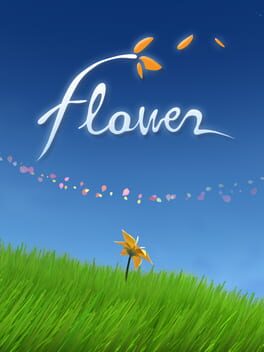
Flower is a wordless, meditative experience driven entirely by movement and sensation rather than objectives or combat. Its zen pacing and emotional resonance without explicit narrative mirror Unpacking's quiet, contemplative tone.
Key difference: Abstract and kinetic rather than object-based; no home or inventory.
Best for: Players who want pure zen atmosphere with zero friction.
Skip if: You need a clear narrative or tangible puzzle goals.
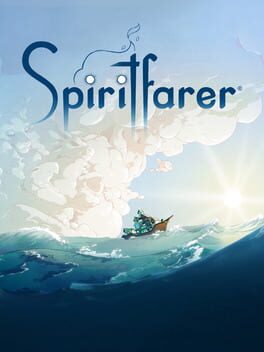
Spiritfarer is a cosy management game about ferrying spirits to the afterlife, with a deeply emotional narrative told through the personal belongings, homes, and memories of each passenger. Its combination of home-building, caring labour, and intimate storytelling mirrors Unpacking's emotional warmth.
Key difference: Real-time crafting, farming, and platforming alongside the narrative.
Best for: Players who want Unpacking's emotional depth in a longer, richer game.
Skip if: You want pure spatial puzzle mechanics with no resource management.
Animal Crossing: New Horizons centres on decorating a home and island, placing furniture and objects exactly where you want them. The cozy, low-stakes loop of arranging possessions and personalising a living space is the closest console equivalent to Unpacking's core pleasure.
Key difference: Ongoing live-service game requiring daily sessions over months.
Best for: Players who want Unpacking's decoration loop with a social and progression layer.
Skip if: You want a finite story told through a single playthrough.
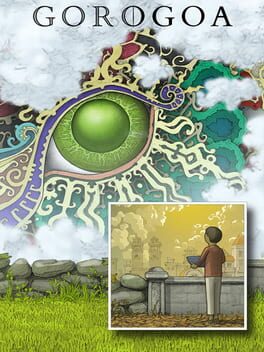
Gorogoa is a hand-illustrated point-and-click puzzle game where you arrange and layer panels to solve abstract spatial puzzles, all in near-total silence. Its gentle, wordless storytelling and tactile object manipulation feel spiritually close to Unpacking.
Key difference: Puzzles are abstract and surreal, not domestic or narrative-grounded.
Best for: Puzzle lovers who value artistry and quiet contemplation over narrative.
Skip if: You want a clear real-world setting or relatable life story.
Lake is a narrative simulator about a woman who temporarily moves back to her small hometown and delivers mail, reconnecting with her past through the familiar objects and spaces of her old life. The theme of a person's possessions and home revealing who they are is Unpacking's DNA.
Key difference: Dialogue-heavy with branching choices; no spatial puzzle mechanic.
Best for: Unpacking fans who want a slow, reflective narrative about life choices.
Skip if: You want hands-on object placement or tidying gameplay.
Firewatch is a first-person narrative adventure about one person's emotional life, told through exploration of a specific place and the objects and letters within it. The intimate drama of a character revealed gradually through their surroundings echoes Unpacking's storytelling method.
Key difference: First-person and dialogue-heavy with a mystery thriller arc.
Best for: Unpacking fans who want more explicit narrative and voice acting.
Skip if: You want quiet puzzle mechanics; Firewatch is primarily a walking sim.
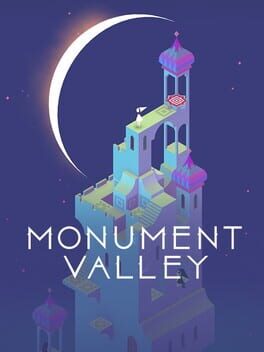
Monument Valley is a quiet, beautiful point-and-click puzzle game about guiding a silent figure through impossible architecture. Its meditative pacing and lack of combat or failure pressure give it the same calm, low-stakes feel as Unpacking.
Key difference: Abstract Escher-inspired geometry; no domestic or narrative context.
Best for: Mobile players wanting a short, polished zen puzzle session.
Skip if: You want object-placement or home-decorating mechanics.
Abzu is a wordless underwater exploration game built around atmosphere and quiet discovery, with no combat and no dialogue. Its meditative flow and story told purely through environment and imagery share Unpacking's gentle, non-verbal emotional language.
Key difference: All movement and spectacle; no puzzles or object interaction.
Best for: Players who want pure sensory relaxation over mechanical engagement.
Skip if: You want hands-on sorting, placing, or organising as the core loop.
A Short Hike is a tiny, charming open-world indie about exploring a small island at your own pace with no pressure, no combat, and a warm cast of characters. Its relaxed tempo and cosy domestic details feel closely related to Unpacking's invitation to simply exist in a space.
Key difference: Platforming traversal is the main mechanic, not object placement.
Best for: Players who want a gentle, heartwarming short experience under two hours.
Skip if: You specifically want spatial puzzle or tidying mechanics.
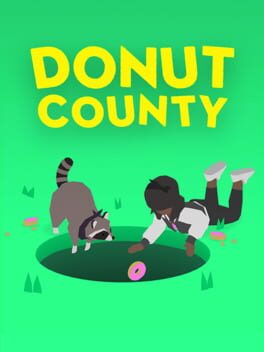
Donut County is a casual indie puzzle game about a hole that swallows objects one by one, with a light comedic story told through brief character vignettes. Its short playtime, zero-pressure design, and focus on objects as storytelling props make it a close tonal sibling to Unpacking.
Key difference: Comic and absurd rather than emotional and intimate.
Best for: Players wanting a very short, breezy indie with object-based play.
Skip if: You want genuine organisation or home-decoration gameplay.
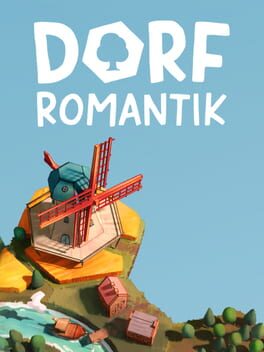
Dorfromantik is a meditative tile-placement puzzle game where you quietly build a peaceful village landscape with no pressure or enemies. Its zen, score-free mode and tactile satisfaction of fitting pieces into a growing whole share Unpacking's calm, spatial pleasure.
Key difference: Abstract landscape-building with no story or domestic theme.
Best for: Players who want infinite, low-stress spatial puzzle sessions.
Skip if: You want narrative or emotional storytelling through objects.
Life Is Strange is a narrative adventure where a teenage girl's environment—her dorm room, her photographs, her belongings—tells you everything about her emotional life, much like Unpacking. The game pauses regularly to let you examine objects and piece together personal history.
Key difference: Dialogue choices and supernatural time-rewind mechanics drive the plot.
Best for: Unpacking fans who want explicit character drama with voiced story.
Skip if: You want puzzle mechanics and no dialogue or cutscenes.
Alba: A Wildlife Adventure is a warm, low-pressure indie about a girl exploring a small Spanish town and caring about her environment, with gentle puzzles and a cosy narrative about belonging and memory. Its unhurried pace and emotional sincerity feel close to Unpacking.
Key difference: Outdoor environmental activism rather than indoor domestic organisation.
Best for: Younger players or adults wanting a gentle, optimistic short narrative.
Skip if: You want the specific satisfaction of spatial object-placement puzzles.
Stray casts you as a cat exploring a detailed, atmospheric world where the story is embedded in objects, posters, and rooms rather than cutscenes. The tactile joy of bumping into things and investigating spaces shares Unpacking's spirit of discovery through environment.
Key difference: Third-person platforming and light puzzle-solving in a sci-fi city.
Best for: Players who want a short, atmospheric indie with strong world design.
Skip if: You want pure zen organisation with no action or traversal.
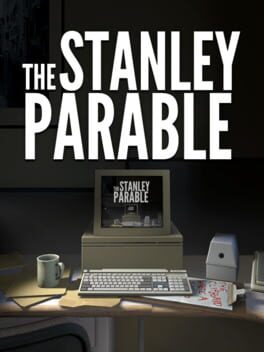
The Stanley Parable is a deeply introspective walking narrative about a single office worker's space, told entirely through the environment and an omniscient narrator. Its short, replayable vignettes and focus on what one person's surroundings reveal about their life echo Unpacking's intimate premise.
Key difference: Meta-comedic and philosophical rather than earnest and emotional.
Best for: Players who want existential wit with their environmental storytelling.
Skip if: You want a sincere emotional arc or any spatial puzzle mechanics.
The Sims 4 includes a robust home-furnishing mode where you place, rotate, and arrange objects in domestic spaces to build a life for a virtual person—directly analogous to Unpacking's spatial organisation loop.
Key difference: Vast open-ended life simulation with no authored story or end state.
Best for: Players who want endless, creative home decoration with no narrative constraints.
Skip if: You want a curated, finished story that ends meaningfully.
Papers, Please is a point-and-click simulator where you sort, inspect, and arrange documents at a border checkpoint—a mundane mechanical loop that quietly builds a powerful human story, much like Unpacking turns object-sorting into emotional narrative.
Key difference: Stressful, morally heavy, and set in a dystopian bureaucratic context.
Best for: Unpacking fans who want their sorting mechanic to carry moral weight.
Skip if: You want relaxation; Papers, Please is deliberately oppressive.
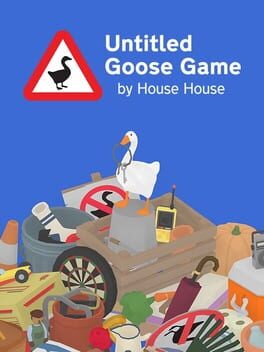
Untitled Goose Game is a light indie puzzle-sim about interacting with everyday domestic objects and spaces in a British village. Its playful focus on ordinary objects and low-stakes consequences shares Unpacking's sense of mundane delight.
Key difference: Mischievous chaos comedy rather than quiet, emotional introspection.
Best for: Players who want object-interaction humour in a cosy setting.
Skip if: You want a sincere personal story or relaxing, pressure-free play.
Shorter vignettes with no overarching life narrative; pure tidying focus.
Xbox, PlayStation, Mobile, PC, Nintendo
What Remains of Edith Finch
91%
Puzzle, Indie
Linear and time-limited; each room is a self-contained mini-game vignette.
Xbox, PlayStation, PC, Mobile, Nintendo
Flower
80%
Puzzle, Simulator
Abstract and kinetic rather than object-based; no home or inventory.
PlayStation, PC, Mobile
Spiritfarer
80%
Simulator, Indie
Real-time crafting, farming, and platforming alongside the narrative.
PlayStation, PC, Xbox, Nintendo
Animal Crossing: New Horizons
79%
Simulator
Ongoing live-service game requiring daily sessions over months.
Nintendo
Gorogoa
77%
Point-and-click, Puzzle
Puzzles are abstract and surreal, not domestic or narrative-grounded.
PlayStation, Mobile, PC, Xbox, Nintendo
Lake
74%
Simulator, Indie
Dialogue-heavy with branching choices; no spatial puzzle mechanic.
Xbox, PlayStation, PC, Nintendo
Firewatch
73%
Indie, Drama
First-person and dialogue-heavy with a mystery thriller arc.
PlayStation, PC, Xbox, Nintendo
Monument Valley
72%
Point-and-click, Puzzle
Abstract Escher-inspired geometry; no domestic or narrative context.
Xbox, PC, Mobile, Nintendo
Abzu
70%
Puzzle, Indie
All movement and spectacle; no puzzles or object interaction.
PlayStation, PC, Xbox, Nintendo
A Short Hike
69%
Indie
Platforming traversal is the main mechanic, not object placement.
PlayStation, PC, Xbox, Nintendo
Donut County
67%
Puzzle, Indie
Comic and absurd rather than emotional and intimate.
PlayStation, Mobile, PC, Xbox, Nintendo
Dorfromantik
66%
Puzzle, Simulator
Abstract landscape-building with no story or domestic theme.
Xbox, PlayStation, PC, Nintendo
Life Is Strange
64%
Puzzle, Indie
Dialogue choices and supernatural time-rewind mechanics drive the plot.
PlayStation, PC, Mobile, Xbox
Alba: A Wildlife Adventure
63%
Indie
Outdoor environmental activism rather than indoor domestic organisation.
Xbox, PlayStation, PC, Mobile, Nintendo
What makes a game feel like Unpacking?
Three things define Unpacking's feel: a domestic, object-level perspective on space; a story told without words through the things people keep; and a complete absence of failure states. Very few games hit all three, which is why the closest matches on this list tend to be small indie games rather than blockbusters. What Remains of Edith Finch nails the wordless storytelling through objects in a home, while A Little to the Left (not in the main candidate pool but added above) nails the tactile sorting loop almost exactly. Gorogoa captures the meditative, tactile quality of rearranging meaningful things in silence.
Games that share only the 'cosy' or 'relaxing' label without the domestic object focus—like open-world adventures or farming sims—often disappoint Unpacking fans. The organising and the intimacy have to go together.
If you want home decoration over puzzle-solving
If what you loved most was deciding where to put the cat poster and rearranging the bookshelf until it felt right, then Animal Crossing: New Horizons is your game. Its Happy Home Paradise DLC in particular distils the experience into pure interior design work for clients, with no time pressure and total creative freedom. The Sims 4 is the other obvious answer: Build Mode lets you furnish entire homes object by object indefinitely, though you supply your own story rather than receiving one.
Best short, story-first picks for Unpacking fans
Unpacking takes around three to four hours and tells a complete, satisfying story with a beginning and an end—a rare shape for a game. What Remains of Edith Finch is similarly short and complete. Firewatch clocks in at four to six hours and delivers the same sense of a specific person's life revealed through a specific place. For something even shorter and lighter, Donut County and A Short Hike both finish in ninety minutes and leave you with a warm feeling rather than a cliffhanger. All four respect your time the way Unpacking does.
Is there a game exactly like Unpacking but with more content?
A Little to the Left (not in the main pool above but listed in our additional picks) is the closest mechanical match—it's a sorting and tidying puzzle game about everyday household objects. For a longer experience that shares Unpacking's emotional depth, Spiritfarer pairs home-building with a rich multi-hour narrative.
What games have the same relaxing, no-fail vibe as Unpacking?
Flower, Abzu, and A Short Hike are all essentially impossible to fail and are designed to be calming rather than challenging. Animal Crossing: New Horizons has no failure state in its decoration mode. Gorogoa is gentle enough that most players never feel stuck for long.
Are there games like Unpacking on mobile?
Monument Valley is the standout mobile recommendation—it's a quiet, beautiful point-and-click puzzle with no combat and a short, atmospheric story. Donut County also plays well on mobile and has a similar casual, cosy charm.
What games tell a story through the environment without dialogue, like Unpacking does?
What Remains of Edith Finch is the gold standard for this: you explore a house and each room silently tells you a complete life story. Abzu and Flower tell wordless emotional arcs through pure imagery. The Stanley Parable explores a single person's workspace as narrative, though it adds a narrator's voice.
Is Unpacking more of a puzzle game or a walking simulator?
It sits between the two. The spatial block-fitting—making sure every object has a logical, valid home in the room—gives it genuine puzzle structure with constraints and correct solutions. But the pacing, absence of timers, and emotional focus make it feel closer to an interactive experience than a traditional puzzle game. Players who love both genres tend to love Unpacking; players who want hard puzzles or action may find it too gentle.
 97%
97%