Sprinkle Islands earns its fans through a deceptively simple idea: you control a water-spraying fire truck and must route your limited stream — bouncing it off platforms, triggering buttons, riding elevators — to extinguish fires hidden behind obstacles. The pleasure is in the physics: water behaves realistically, and every level is a contained puzzle that rewards patience and lateral thinking over reflexes.
When players look for games like Sprinkle Islands, they're really chasing two things: real-time physics manipulation (aiming or routing a resource through an environment) and bite-sized level puzzles with a satisfying 'click' when the solution lands. The best alternatives share that loop of indirect control — using the world itself as your tool.
Top pick:Where's My Water? is the single closest match: Disney's underground water-routing physics puzzler shares Sprinkle Islands' fluid simulation, touch controls, cartoon tone, and level-by-level structure almost beat for beat — if you only play one game from this list, make it that one.
Some store buttons are affiliate links — we may earn a commission at no extra cost to you.
15 games like Sprinkle Islands
95%
Where's My Water? 2011
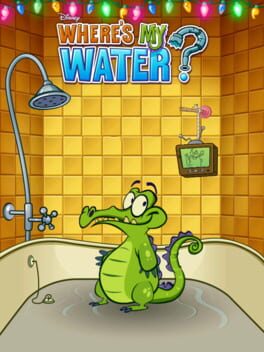
Disney's water physics puzzler has you digging channels to route flowing water to a goal — the closest match to Sprinkle Islands' fluid simulation and level-based puzzle structure on mobile.
Key difference: You dig channels rather than aim a hose; no fire trucks.
Best for: Anyone who loved Sprinkle's water physics on a touchscreen.
Skip if: You want 3D environments or console-style controls.
PCMobile
80%
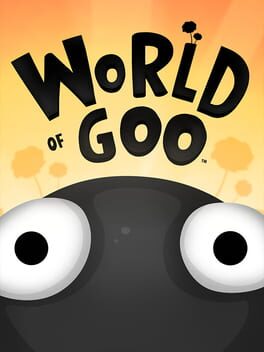
World of Goo 2008
World of Goo is a physics puzzle game about connecting goo balls to build structures and reach a goal pipe — sharing Sprinkle Islands' real-time physics manipulation and escalating level design.
Key difference: Construction mechanic instead of water/fire; more sandbox-like.
Best for: Physics puzzle fans who want more engineering creativity.
Skip if: You want straightforward fluid routing without building.
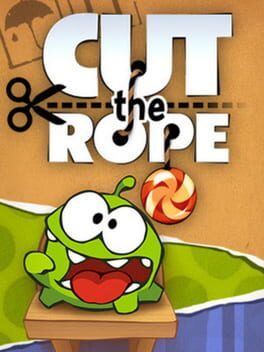
Cut the Rope is a mobile physics puzzle where you slice ropes and trigger objects to deliver candy to a target — the same 'use the environment step-by-step to reach a goal' loop as Sprinkle Islands.
Key difference: Rope-cutting mechanic; no fire or water simulation.
Best for: Casual mobile puzzle fans who want clean, tactile challenges.
Skip if: You want more complex multi-stage puzzle environments.
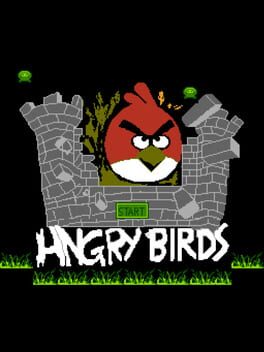
Angry Birds is the definitive mobile physics puzzle where you aim a projectile to demolish structures and reach targets — sharing Sprinkle Islands' intuitive arc-aiming and destructive satisfaction.
Key difference: Offensive projectile mechanic; no water or fire extinguishing.
Best for: Players who liked Sprinkle's aiming and trajectory mechanics.
Skip if: You want fluid simulation over rigid-body destruction.
Nintendo
68%💎 Gem
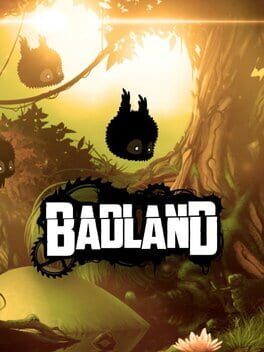
Badland 2013
Badland is a physics-based mobile side-scroller where you guide a creature through obstacle-laden levels using one-touch controls — sharing Sprinkle Islands' mobile-first tactile puzzle feel.
Key difference: Creature-navigation flight mechanic; no fire or water.
Best for: Touch-puzzle fans wanting atmospheric physics obstacle courses.
Skip if: You want clear puzzle goals over reactive physics flow.
Braid is a level-based puzzle platformer built around manipulating a single mechanic — time — to solve increasingly clever environmental puzzles. Like Sprinkle Islands, each level is a self-contained puzzle demanding you rethink how physics and cause-and-effect work.
Key difference: Time manipulation replaces water; no fire-fighting theme.
Best for: Players who love 'aha!' moments in tightly designed levels.
Skip if: You want physics-fluid or touch-oriented casual play.
Limbo chains together physics-based environmental puzzles — levers, ropes, gravity — in a side-scrolling space, similar to how Sprinkle Islands uses obstacles and buttons to route your extinguishing efforts.
Key difference: Dark horror atmosphere; no water or fire mechanic.
Best for: Puzzle fans who want physics-object interaction with atmosphere.
Skip if: You dislike grim aesthetics or want bright, casual tone.
Inside is a linear puzzle platformer where you manipulate the environment — switches, elevators, water currents — to progress, echoing Sprinkle Islands' button-and-obstacle puzzle structure.
Key difference: Story-driven and dark; no direct fire-fighting gameplay.
Best for: Players who enjoyed Sprinkle's environmental logic on a bigger stage.
Skip if: You want colourful, lighthearted, score-based puzzles.
Valiant Hearts features physics-and-item puzzles where you use objects, switches, and environmental elements to solve obstacles — structurally close to Sprinkle Islands' 'route your resource' design.
Key difference: WWI story focus; no fluid simulation or fire.
Best for: Players who want environmental puzzles with a gentle narrative.
Skip if: You want pure arcade score-chasing with no story.
Machinarium is a mechanical point-and-click puzzle game where you manipulate objects, pipes, and machinery to solve each room — sharing Sprinkle Islands' satisfaction of rerouting something through an environment to reach a goal.
Key difference: Slow point-and-click pacing; no real-time fluid physics.
Best for: Puzzle lovers who want inventive machine-based logic puzzles.
Skip if: You want fast-paced, real-time arcade challenge.
Plants vs. Zombies is a casual strategy-puzzle game played in short, level-based bursts with a cartoonish tone — matching Sprinkle Islands' accessible pick-up-and-play feel and mobile roots.
Fez is a puzzle platformer where rotating the 3D world to create 2D sightlines solves each level — the same 'think differently about your tool to reach the target' loop that defines Sprinkle Islands.
Key difference: Perspective-rotation mechanic; no fire or water theme.
Best for: Puzzle fans who love a single clever mechanic iterated deeply.
Skip if: You want real-time action or water physics.
Tetris is the quintessential arcade puzzle game with simple controls and escalating challenge — sharing Sprinkle Islands' pick-up-and-play accessibility and score-based arcade loop.
Key difference: Abstract falling-block mechanic; no environment or story.
Best for: Players wanting pure puzzle arcade with no narrative.
Skip if: You want physics simulation or goal-based environmental puzzles.
Little Nightmares uses physics objects, levers, and platforming to overcome each obstacle-puzzle in a sequence of contained rooms — structurally similar to Sprinkle Islands' level-by-level obstacle navigation.
Key difference: Horror tone, platforming focus, no resource management.
Best for: Puzzle platformer fans who want more atmospheric production.
Skip if: You want colourful, child-friendly, touch-casual games.
Brothers: A Tale of Two Sons is a co-operative puzzle adventure where each analogue stick controls one character, creating a clever indirect-control puzzle feel reminiscent of Sprinkle Islands' touch-based manipulation.
Key difference: Emotional narrative focus; controls two characters, no physics fluid.
Best for: Players who liked Sprinkle's tactile control novelty.
Skip if: You want replay-focused, score-graded arcade puzzles.
Perspective-rotation mechanic; no fire or water theme.
PlayStation, PC, Mobile, Xbox, Nintendo
Tetris
38%
Puzzle, Arcade
Abstract falling-block mechanic; no environment or story.
Nintendo
Little Nightmares
37%
Puzzle
Horror tone, platforming focus, no resource management.
PlayStation, Mobile, PC, Xbox, Nintendo
Brothers: A Tale of Two Sons
35%
Puzzle
Emotional narrative focus; controls two characters, no physics fluid.
PlayStation, PC, Mobile, Xbox, Nintendo
What makes a game truly feel like Sprinkle Islands?
The core of Sprinkle Islands is indirect resource routing — you don't solve puzzles by pressing a button, you aim water and use the environment to redirect it. That's why the best alternatives, like Where's My Water? and Cut the Rope, feel so similar: each asks you to guide something (water, candy, goo) through an obstacle-filled space using physics rather than direct action.
From the broader candidate list, Braid and Machinarium come closest in spirit: both present self-contained puzzle levels where you manipulate a single mechanic deeply — time and machinery respectively — and reward the same methodical 'how do I get X to Y?' thinking that Sprinkle Islands is built on.
Best casual and mobile-style alternatives
Sprinkle Islands was built for mobile first — short sessions, star ratings, one-more-level pull. Angry Birds and Cut the Rope are the genre pillars that share this DNA: each level takes under two minutes, controls are single-touch, and three-star mastery gives completionists a reason to replay. Plants vs. Zombies is slightly longer per run but keeps the same colourful, low-stakes puzzle energy.
For something less mainstream, Badland is a standout hidden gem: a physics obstacle-course on mobile with one-thumb controls and gorgeous atmosphere that most 'games like Sprinkle' lists overlook entirely.
If you want more environmental physics puzzles on PC or console
On larger screens, Limbo and Inside are the sharpest translations of Sprinkle Islands' 'use the environment's objects and switches to reach a goal' structure — both chain physics-object puzzles in linear level sequences and nail the satisfaction of a well-timed solution. World of Goo bridges the gap nicely: originally a PC game with full controller support, its goo-structure physics has the same tactile, real-time manipulation feel as aiming your water cannon.
Where's My Water? by Disney is the closest match — it's also a mobile water-physics puzzle game where you route flowing water through obstacle-filled levels to reach a goal, with the same real-time fluid simulation and level-based structure.
Are there PC versions of games like Sprinkle Islands?
Yes. World of Goo is a well-regarded PC physics puzzle game with a similar 'manipulate a physical substance to reach a target' core loop. Braid and Limbo also share the level-based environmental puzzle structure on PC, though their mechanics differ from water routing.
Is Sprinkle Islands good for kids?
Yes — it has a colourful, cartoon aesthetic and simple touch controls. Similar kid-friendly options include Where's My Water?, Cut the Rope, and Plants vs. Zombies, all of which share the accessible difficulty curve and non-violent puzzle focus.
What genre is Sprinkle Islands?
It sits at the intersection of physics puzzle and casual arcade. Its closest genre relatives are mobile physics puzzlers like Angry Birds (projectile physics) and Where's My Water? (fluid routing), rather than traditional platformers or action games.
Are there games like Sprinkle Islands with a fire or rescue theme?
Sprinkle Islands is fairly unique in combining water-physics puzzles with a fire-fighting rescue theme. The original Sprinkle (2011) by the same developer, Mediocre, is the direct predecessor and virtually identical in concept — it's the obvious first port of call if you haven't played it.
 95%
95%