Mortal Kombat (2011) landed as a revelation: a hard reboot that gave the series a full cinematic story mode, refined 2D fighting mechanics with special-cancel combos, and kept the franchise's signature brutality — X-ray attacks, spine-ripping fatalities, and a dark fantasy mythology that blends martial arts tournament drama with genuine horror. It proved fighting games could tell real stories while still being mechanically serious.
When fans ask for games like MK2011, they're usually chasing some combination of three things: the 1v1 competitive fighting structure with a diverse roster of characters, the dark/gory action aesthetic, or the surprisingly deep single-player story mode. The best picks below deliver at least one — and the strongest deliver all three.
Top pick:Mortal Kombat X is the single closest pick: built by the same NetherRealm team on a virtually identical engine, it keeps every MK2011 hallmark — 2D footsies, fatalities, combo cancels, and a full cinematic story — while adding character variations that deepen the game substantially, making it the essential next stop for any MK2011 fan.
Some store buttons are affiliate links — we may earn a commission at no extra cost to you.
20 games like Mortal Kombat
98%
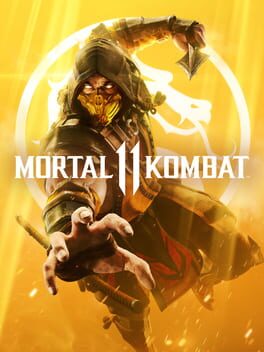
Mortal Kombat 11 2019
The direct follow-up to MK X, MK11 is the most polished NetherRealm fighter to date, with the Krushing Blow/Fatal Blow systems, an excellent Towers of Time mode, and a time-bending story that directly continues MK 2011's narrative.
Key difference: Slower, more neutral-focused footsie gameplay than MK2011.
Best for: MK2011 fans wanting the definitive modern entry in the series.
Skip if: You prefer a faster, more aggressive offensive game.
The direct sequel to MK (2011), Mortal Kombat X keeps the same 2D fighting system, brutal fatalities, and cinematic story mode, advancing the timeline 25 years. Character variations let you tailor each fighter's moveset to your preferred playstyle.
Key difference: Faster, more aggressive neutral game with run mechanic.
Best for: MK2011 fans who want more of the same with a new roster.
Skip if: You prefer the classic MK2011 character lineup.
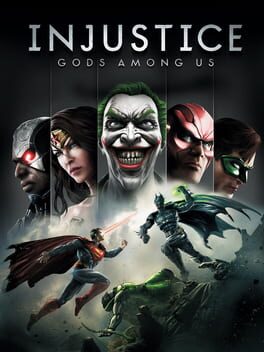
Built by the same NetherRealm Studios team on a nearly identical engine, Injustice: Gods Among Us swaps ninjas for DC superheroes but delivers the same combo-heavy 2D fighting, full story mode, and cinematic presentation. The interactive stage hazards add a layer of environmental tactics.
Key difference: DC Universe setting replaces dark fantasy/horror tone.
Best for: MK fans who also enjoy superhero fiction.
Skip if: You need gore; this is much less graphic than MK.
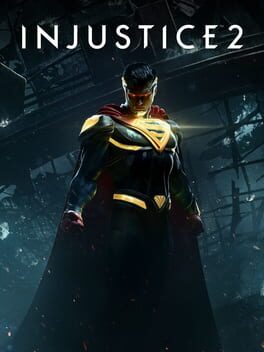
Injustice 2 refines NetherRealm's formula with a gear system that lets you customize fighters' stats and appearance, wrapped in another full cinematic story. The mechanics are the tightest the studio produced before MK11.
Key difference: RPG-lite loot system changes fighter stats.
Best for: Players who want more post-game progression than MK2011 offers.
Skip if: You dislike gear-gated competitive balance.
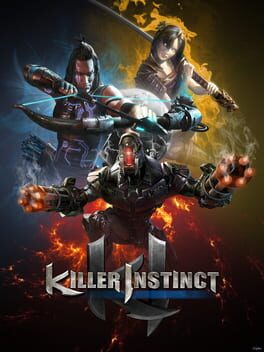
Killer Instinct (2013/2016) is the closest Western fighting game rival to MK in terms of dark fantasy spectacle, elaborate combo system, and gory style — its Combo Breaker mechanic creates intense mind-game exchanges much like MK's wake-up game.
Key difference: Free-to-play rotating roster model; no fatalities.
Best for: MK fans who want deep combo systems with a dark aesthetic.
Skip if: You need a large base roster from day one.
SoulCalibur II is a weapon-based 3D fighter with a dark fantasy setting, a large roster of distinctive characters, and a robust single-player Weapon Master mode. Its emphasis on spacing and guard impacts gives it a strategic depth similar to MK's neutral game.
Key difference: 3D movement and weapons instead of 2D grounded combat.
Best for: MK fans who want dark fantasy aesthetics in a 3D fighter.
Skip if: You need a gory, brutal tone; SoulCalibur is comparatively restrained.
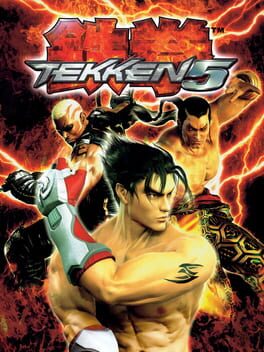
Tekken 5 is widely regarded as the peak of the classic Tekken era, offering deep 3D fighting mechanics, a strong roster, and a Devil Within story mode. Its focus on punishing precision and combo execution scratches a similar competitive itch to MK.
Key difference: Fully 3D sidestep system versus MK's 2D plane.
Best for: MK players ready to invest in a technical 3D fighter.
Skip if: You want a cinematic story mode; Tekken 5's is slim.
Tekken 3 is a landmark 3D fighter with tight mechanics, a memorable roster, and fast-paced combat. Its Tekken Force mode and mini-games give it more single-player content than most fighters of its era.
Key difference: Lighter tone and no fatalities or gore.
Best for: Players who want a classic, highly polished 3D fighter.
Skip if: You need modern rollback netcode or online features.
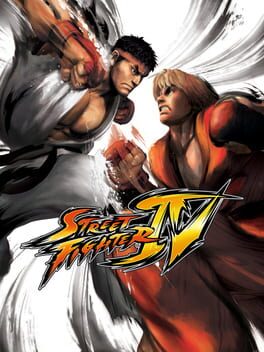
Street Fighter IV revitalized 2D competitive fighting with a comeback-mechanic Focus Attack system, a large and balanced roster, and a dedicated arcade story mode. Its accessibility-to-depth ratio mirrors what MK2011 tried to achieve.
Key difference: No blood or fatalities; tone is vibrant rather than dark.
Best for: MK fans wanting the definitive 2D SF competitive experience.
Skip if: You dislike learning traditional quarter-circle motion inputs.
Guilty Gear: Strive - Guilty Gear 25th Anniversary: Special Additional Color Pack 2023
Guilty Gear Strive is the most approachable entry in the legendary arc-system fighter series, featuring stunning anime visuals, an elaborate lore-heavy story mode, and deep Roman Cancel mechanics for high-level expression.
Key difference: Anime aesthetic and faster neutral; no gore.
Best for: MK story-mode fans who want the deepest competitive 2D fighter.
Skip if: You dislike anime aesthetics or fast air movement.
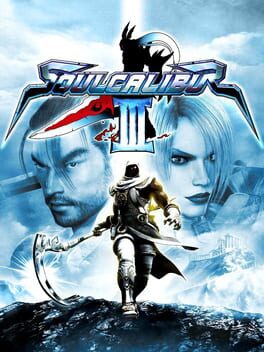
SoulCalibur III adds a robust Create-a-Soul character creator and a chess-like strategy Chronicles of the Sword mode to the weapon-fighter formula. Dark fantasy lore and villain-heavy narrative give it tonal overlap with MK's mythology.
Key difference: Weapon-based 3D combat with no fatalities.
Best for: Players who loved MK's roster variety and lore depth.
Skip if: You find 3D spacing harder to learn than 2D footsies.
PlayStation
74%
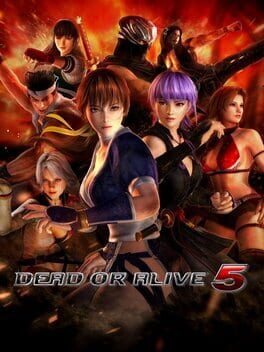
Dead or Alive 5 2012
Dead or Alive 5 is a polished 3D fighter with a counter-heavy triangle system and a surprisingly robust story mode spanning multiple character arcs, offering a competitive depth MK fans will appreciate.
Key difference: Counter-based triangle system; less gore; 3D movement.
Best for: MK players who prefer 3D fighters with strong story modes.
Skip if: You find the fanservice aesthetic distracting.
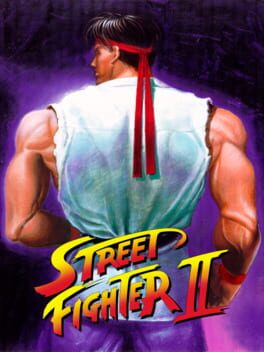
Street Fighter II defined competitive 2D fighting with its six-button layout, charge characters, and tight spacing game — all cornerstones MK built upon. Still highly playable and the root of the genre.
Key difference: No story mode, far smaller roster, purely arcade-focused.
Best for: Players curious about the genre's roots.
Skip if: You need modern mechanics or online matchmaking.
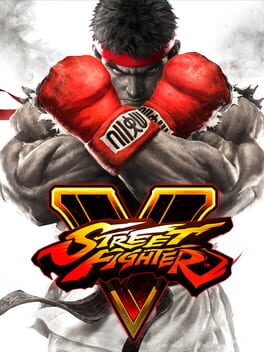
Street Fighter V offers real-time V-Skill and V-Trigger mechanics that reward aggressive play and mind-games, much like MK's pressure systems. Its cinematic story mode was added post-launch and is surprisingly lengthy.
Key difference: Controversial DLC model and smaller base roster at launch.
Best for: MK fans who want the competitive SF scene experience.
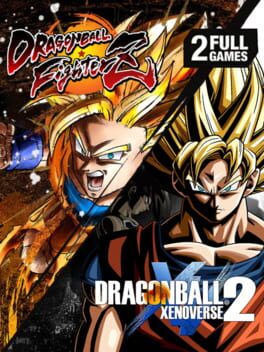
A 3-on-3 tag fighter from Arc System Works that shares MK's love of franchise fan-service and cinematic presentation, with tight assist mechanics and dramatic super moves that echo MK's X-ray spectacle.
Key difference: Tag-team system and anime license replace dark fantasy tone.
Best for: MK fans who want jaw-dropping visual supers and roster depth.
Skip if: You want 1v1 grounded fighting; tag assists change everything.
PlayStation
70%
Ultimate Marvel vs. Capcom 3 2011
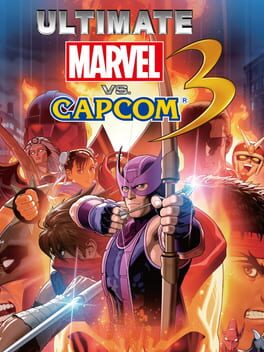
Ultimate Marvel vs. Capcom 3 is a fast, chaotic 3-on-3 tag fighter with assist mechanics and hyper combo finishers. The wild visual spectacle and huge roster of iconic characters mirrors MK's fan-service appeal.
Key difference: Tag-team air-dasher; very different pacing and combo style.
Best for: MK fans who want flashy, high-damage combo expression.
Skip if: You prefer slower, more grounded footsie-based neutral.
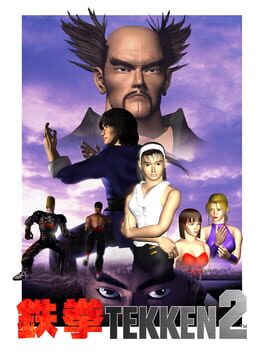
Tekken 2 expanded on the original with a larger roster, improved graphics, and the debut of several iconic fighters. Its straightforward button layout and satisfying juggles made it a gateway 3D fighter much like MK2011 served as a gateway reboot.
Key difference: Very limited single-player content by modern standards.
Best for: Fighting game historians wanting Tekken's formative peak.
Skip if: You need online play or contemporary production values.
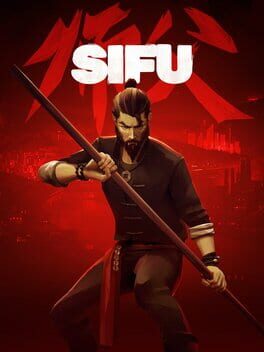
Sifu is a third-person brawler centered on precise martial arts combat — parries, counters, and strike chains — with a brutal difficulty curve and stunning action choreography. While not a traditional fighter, it captures MK's love of authentic hand-to-hand combat mastery.
Key difference: Single-player only; roguelite aging mechanic; no versus mode.
Best for: MK fans who love the martial arts craft over competition.
Skip if: You want PvP or a traditional fighting game structure.
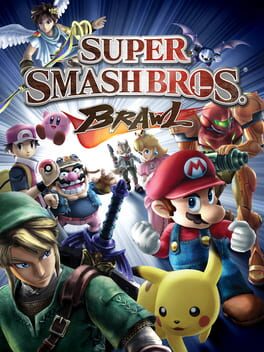
Super Smash Bros. Brawl is a platform fighter with a massive crossover roster and solid single-player Subspace Emissary story mode — the most narrative-focused Smash ever made. Shares MK2011's celebration-of-franchise energy.
Key difference: Platform fighter with stocks, not rounds; no blood or fatalities.
Best for: Players who enjoy big-roster crossover fighters with story.
Skip if: You specifically want a traditional 2D or 3D fighter.
God of War III is a visceral hack-and-slash with over-the-top brutal executions, Greek mythology, and spectacular boss fights — tonal cousins to MK's mythology-laden gore. The satisfying kill animations have genuine kinship with fatalities.
Key difference: Third-person action-adventure, not a 1v1 fighting game.
Best for: MK fans who love brutal mythology-based combat in single-player.
Skip if: You need competitive head-to-head gameplay.
Slower, more neutral-focused footsie gameplay than MK2011.
Xbox, PlayStation, PC, Nintendo
Mortal Kombat X
97%
Fighting, Action
Faster, more aggressive neutral game with run mechanic.
PlayStation, PC, Xbox
Injustice: Gods Among Us
91%
Fighting, Action
DC Universe setting replaces dark fantasy/horror tone.
PlayStation, Nintendo, Xbox
Injustice 2
90%
Fighting, Action
RPG-lite loot system changes fighter stats.
PlayStation, PC, Xbox
Killer Instinct
88%
Fighting, Action
Free-to-play rotating roster model; no fatalities.
PC, Xbox
SoulCalibur II
82%
Fighting, Action
3D movement and weapons instead of 2D grounded combat.
—
Tekken 5
80%
Fighting, Action
Fully 3D sidestep system versus MK's 2D plane.
PlayStation
Tekken 3
78%
Fighting, Action
Lighter tone and no fatalities or gore.
—
Street Fighter IV
78%
Fighting, Action
No blood or fatalities; tone is vibrant rather than dark.
PlayStation, Mobile, PC, Xbox
Guilty Gear: Strive - Guilty Gear 25th Anniversary: Special Additional Color Pack
78%
Action
Anime aesthetic and faster neutral; no gore.
Xbox, PlayStation, PC
SoulCalibur III
74%
Fighting, Action
Weapon-based 3D combat with no fatalities.
PlayStation
Dead or Alive 5
74%
Fighting, Action
Counter-based triangle system; less gore; 3D movement.
PlayStation, Xbox
Street Fighter II
72%
Fighting, Action
No story mode, far smaller roster, purely arcade-focused.
—
Street Fighter V
72%
Fighting, Action
Controversial DLC model and smaller base roster at launch.
PlayStation, PC
Dragon Ball FighterZ and Dragon Ball Xenoverse 2 Double Pack
72%
Fighting
Tag-team system and anime license replace dark fantasy tone.
PlayStation
What makes a game feel like Mortal Kombat 2011?
Three pillars define the MK2011 feel: a grounded 2D fighting system with special-cancel combos and a clear offensive/defensive rhythm, a dark fantasy/horror aesthetic punctuated by over-the-top violent finishers, and a cinematic story mode that treats the franchise mythology seriously. Games that nail all three — Injustice 2 and Injustice: Gods Among Us, both from the same NetherRealm studio — feel almost identical in execution. Games that share the competitive 2D fighter structure without the gore, like Street Fighter IV and Street Fighter V, still scratch the same core mechanical itch.
The dark mythology and brutality angle is harder to replicate in traditional fighters. SoulCalibur II comes closest with its weapon-wielding anti-heroes and dark fantasy lore, while God of War III captures the mythological brutality in a different genre entirely. For players who love MK's brutal hand-to-hand craftsmanship outside the competitive format, Sifu is a hidden gem worth seeking out.
Best picks if you love MK's story mode above all else
MK2011 revolutionized fighting game story modes, and that legacy lives most directly in NetherRealm's own output. Injustice: Gods Among Us and Injustice 2 both feature multi-hour cinematic stories with dramatic stakes, branching character moments, and fully voiced cutscenes — essentially MK2011's template applied to DC heroes. Outside NetherRealm, Street Fighter V added a comparable cinematic story mode post-launch, and Super Smash Bros. Brawl's Subspace Emissary remains the most ambitious single-player campaign in a platform fighter.
For players drawn to MK's rich lore and mythology rather than the fighting mechanics themselves, God of War III delivers brutal mythological spectacle in action-adventure form, with fatality-level execution animations and a narrative that takes its gods-and-monsters world seriously.
3D fighters vs. 2D fighters: which camp fits you?
MK2011 plays on a 2D plane with full 3D graphics — a hybrid that makes it feel distinct from both pure 2D fighters and 3D fighters. If you lean into the 2D mechanic, Street Fighter IV and Guilty Gear Strive (in additional picks) are the benchmarks for competitive depth. If you prefer the freedom of 3D sidestep movement, Tekken 5 and Tekken 3 remain the gold standard, with SoulCalibur II adding a dark-fantasy roster for MK-adjacent atmosphere. Killer Instinct (additional) sits closest to MK's niche: a dark-fantasy 2D fighter with elaborate combo systems and gruesome finishers, but none of MK's own franchised characters.
Is Injustice: Gods Among Us basically the same game as Mortal Kombat 2011?
Very nearly. Both were developed by NetherRealm Studios on essentially the same engine, with the same 2D fighting mechanics, combo-cancel systems, cinematic story modes, and single-player ladder structure. The primary differences are the DC superhero roster replacing MK's fighters, greatly reduced gore (no fatalities), and interactive stage hazards. If you loved MK2011's gameplay feel, Injustice will be immediately comfortable.
What is the best Tekken game to play if I love Mortal Kombat?
Tekken 5 (or its enhanced arcade version Dark Resurrection) is the most recommended starting point — it has a large balanced roster, satisfying combo execution, and the Devil Within story mode for single-player content. Be aware Tekken uses 3D sidestep movement rather than a 2D plane, which changes the neutral game significantly compared to MK.
Are there any games like Mortal Kombat with a good story mode?
Yes. NetherRealm's own Injustice 2 and Mortal Kombat X both have full cinematic story campaigns. Mortal Kombat 11 (not in the candidate pool) is arguably the best story mode in the fighting genre. Outside NetherRealm, Street Fighter V added a multi-chapter story post-launch, and Guilty Gear Strive has an elaborate movie-style story presentation.
What's a good Mortal Kombat-like game for someone new to fighting games?
Injustice 2 is the gentlest entry point: the gear system and multiverse mode give casual players plenty to do, the story is accessible, and the NetherRealm tutorial is thorough. Super Smash Bros. Brawl is even more approachable if platform fighting is acceptable. For something closer to MK's tone, Sifu is an excellent single-player alternative that requires no knowledge of fighting game fundamentals.
Is Killer Instinct similar to Mortal Kombat?
Killer Instinct shares MK's dark fantasy aesthetic, large combo systems, and over-the-top character designs, making it the closest Western competitor to MK's specific niche. However, it uses a unique Combo Breaker/Counter Breaker mind-game system rather than MK's special-cancel structure, and it has no fatalities. Its free-to-play rotating roster model is also quite different from MK's all-in-one approach.
 98%
98%