Ghost of Tsushima is loved for its marriage of fluid, cinematic katana combat — from honorable open duels to ghost-path stealth assassinations — with a breathtaking open world that rewards unhurried exploration through feudal Japan's fog-draped forests, golden pampas fields, and torii-gate shrines. The historical setting, spare but emotional storytelling, and the core tension between samurai honor and pragmatic survival give it a distinct identity few games match.
When players search for games like Ghost of Tsushima, they're usually chasing one or more of its signature elements: satisfying third-person melee with parry timing, a stunning historical open world that feels alive, meaningful stealth options alongside head-on combat, or a lone warrior narrative with real emotional weight. The best alternatives share at least two of these pillars.
Top pick:Sekiro: Shadows Die Twice is the single closest match: it places you in feudal Japan with a katana, demands precise parry mastery in intense one-on-one duels, layers stealth infiltration over its encounters, and delivers a dramatic lone-warrior narrative — the only meaningful gap is that Sekiro is far harder and lacks Tsushima's open-world freedom, but no other game captures the feel of that katana so faithfully.
Some store buttons are affiliate links — we may earn a commission at no extra cost to you.
20 games like Ghost of Tsushima
95%
Sekiro: Shadows Die Twice 2019
Sekiro is the closest game to Ghost of Tsushima in feel: a lone samurai in historical Japan using a katana against overwhelming odds, with heavy emphasis on precise parry-based melee duels and stealth infiltration. Both demand patience and reward mastery of blade timing.
Key difference: Far harder, Soulslike difficulty with no difficulty options.
Best for: Players who want deeper, more punishing sword combat.
Skip if: You want a relaxing open-world exploration loop.
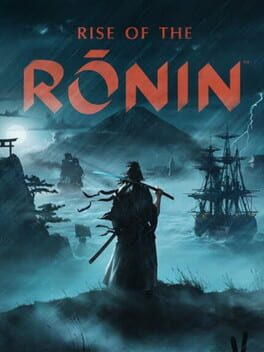
Rise of the Ronin is the most direct spiritual successor to Ghost of Tsushima: an open-world action RPG in 19th-century Japan with fluid katana combat, stealth options, and a samurai navigating political upheaval — built by Team Ninja.
Key difference: Slightly later historical period; more complex RPG systems and branching allegiances.
Best for: Anyone who finished Tsushima and wants more of exactly the same feel.
Skip if: You dislike Team Ninja's stat-heavy design philosophy.
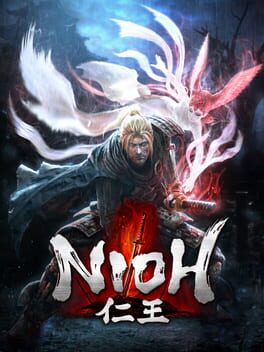
Nioh puts you in feudal Japan fighting samurai and yokai with a deep stance-based weapon system that rewards learning enemy patterns, much like Tsushima's duels. Both games layer stealth options over intense melee encounters in historical Japanese settings.
Key difference: Loot-heavy, stats-driven RPG systems rather than streamlined gear.
Best for: Fans who want more build depth and replayability.
Skip if: You dislike dense loot menus and stat management.
God of War (2018) shares Tsushima's cinematic third-person melee combat, emotionally heavy narrative, and gorgeous world design. Both games put a warrior protagonist through a personal and martial journey with satisfying hack-and-slash combat as the core loop.
Key difference: Norse mythology setting instead of historical Japan.
Best for: Players who prioritize story and spectacle alongside combat.
Skip if: You want open-world freedom over semi-linear progression.
Shadow of Mordor blends fluid open-world stealth and melee combat with a living nemesis system that makes every encounter feel personal — sharing Tsushima's mix of head-on sword fights and silent takedowns against an occupying army.
Key difference: Nemesis system creates procedurally personal enemy hierarchies.
Best for: Players who loved assassinating Mongol commanders stealthily.
Skip if: You want a grounded historical setting over dark fantasy.
Assassin's Creed Origins delivers a vast, historically detailed open world (ancient Egypt) with bow combat, stealth takedowns, and a revenge-driven protagonist — all core pillars of Tsushima's appeal, just in a different era.
Key difference: Ancient Egypt setting; more emphasis on bow and stealth than melee.
Best for: Players who love Tsushima's exploration and historical atmosphere.
Skip if: You want tight, weighty sword duels over crowd control.
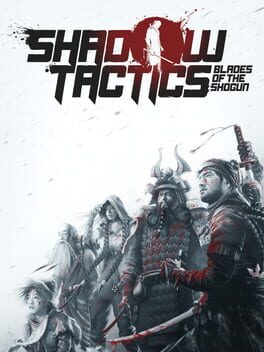
Shadow Tactics is a real-time stealth tactics game set in feudal Japan with samurai, shinobi, and geisha navigating Edo-period missions — the thematic overlap with Tsushima's Ghost path (stealth, honor vs pragmatism, Japan) is remarkable despite the genre shift.
Key difference: Top-down tactical strategy, not third-person action.
Best for: Tsushima fans who loved the Ghost/stealth side of the game.
Skip if: You only enjoy direct hack-and-slash combat.
The Witcher 3 is the gold standard for open-world action RPGs with meaningful exploration, layered side quests, and melee combat against a variety of enemies — it scratches the same itch as Tsushima's vast, discovery-filled open world.
Key difference: Dense dialogue systems, crafting, and alchemy instead of Japanese aesthetics.
Best for: Players who want the deepest open-world RPG storytelling.
Skip if: You want fast fluid combat over deliberate RPG pacing.
Assassin's Creed Odyssey is a massive historical RPG open world with melee and bow combat, stealth, and an honor-vs-ruthlessness morality thread — many structural similarities to Tsushima's open-world loop.
Key difference: Ancient Greece setting; bloated side content and RPG dialogue trees.
Best for: Players who want 80+ hours of historical open-world content.
Skip if: You prefer Tsushima's focused, elegant pacing.
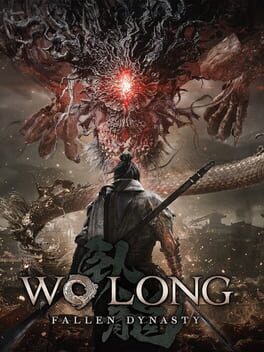
Wo Long transplants Team Ninja's precise parry-and-counter sword combat into Three Kingdoms China, with a spiritual-corruption narrative and fast-paced melee duels that feel adjacent to Tsushima's one-on-one katana standoffs.
Key difference: Chinese Three Kingdoms setting; faster, more aggressive parry timing than Sekiro or Tsushima.
Best for: Players who want East Asian historical melee action with Soulslike depth.
Skip if: You want an open world or gentler difficulty curve.
Assassin's Creed II pioneered the template Tsushima refines: parkour-enabled open-world exploration, stealth assassinations, and historical drama framed around a warrior reclaiming his homeland.
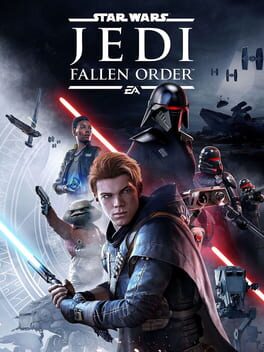
Jedi: Fallen Order adapts the katana-like lightsaber into third-person Soulslike parry combat with exploration and traversal — a clear spiritual neighbor to Tsushima's blend of precise melee, environment navigation, and cinematic storytelling.
Key difference: Sci-fi Star Wars universe; Metroidvania progression structure.
Best for: Tsushima fans who also love Star Wars.
Skip if: You want a historical setting and open-world freedom.
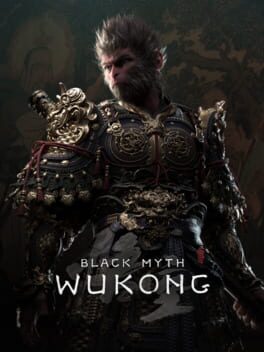
Black Myth: Wukong delivers gorgeous third-person hack-and-slash melee combat rooted in East Asian mythology with stunning environmental art direction and boss-centric design — it shares Tsushima's cinematic weight and Asian cultural richness.
Key difference: Chinese mythology; much harder boss-focused structure, no open world.
Best for: Players drawn to Tsushima's Asian cultural aesthetic and combat feel.
Skip if: You want open-world exploration over linear boss gauntlets.
NieR: Automata shares Tsushima's third-person hack-and-slash melee combat, emotionally resonant drama, and open-world traversal, while adding bullet-hell elements and one of gaming's most acclaimed narratives.
Key difference: Post-apocalyptic sci-fi; meta-narrative and multiple mandatory playthroughs.
Best for: Players who want combat and story in equal, unusual measure.
Horizon Zero Dawn combines open-world exploration, bow combat as a primary weapon, stealth mechanics against larger enemies, and a strong narrative — all pillars of Tsushima — just filtered through a sci-fi prehistoric aesthetic.
Key difference: Sci-fi/post-apocalyptic setting; bow is primary, melee is secondary.
Best for: Players who loved Tsushima's bow and stealth more than the katana.
Skip if: You want historical grounding and pure melee sword play.
Hellblade: Senua's Sacrifice is a cinematic hack-and-slash through Celtic and Norse mythology with brutal melee combat and an intensely personal psychological narrative — sharing Tsushima's tone of a lone warrior carrying immense spiritual weight.
Key difference: Deeply unsettling psychological horror framing and extremely linear.
Best for: Players who loved Tsushima's dramatic, introspective tone.
Skip if: You want open-world exploration or multiple playstyles.
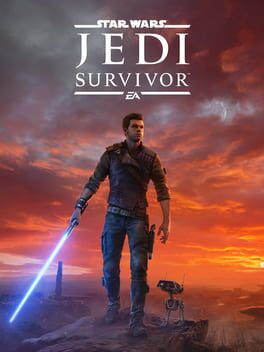
Jedi: Survivor expands Fallen Order with richer combat stances, a larger open world, and more exploration freedom — moving even closer to Tsushima's feel of mastering multiple combat styles in a visually striking environment.
Key difference: Broader open zones but still sci-fi, not historical.
Best for: Players who want more variety than Fallen Order offered.
Skip if: You dislike Star Wars lore and sci-fi aesthetics.
Metal Gear Solid V is one of the most sophisticated stealth-action open worlds ever made, rewarding creative approaches to enemy camps — comparable to Tsushima's ghost path, with bases to liberate, hostages to rescue, and lethal or non-lethal options.
Key difference: Cold War Africa/Afghanistan; systems-heavy military sandbox, no melee focus.
Best for: Players who played Tsushima entirely as the Ghost.
Skip if: You want sword combat and historical immersion.
Uncharted 4 blends cinematic third-person action with historical mystery, stealth sequences, and breathtaking setpiece adventure — it shares Tsushima's polish, pacing, and single-player narrative quality even if the combat differs.
Key difference: Cover-shooter gunplay replaces melee swordplay; linear story.
Best for: Players who value cinematic storytelling and production quality most.
Skip if: You want open-world freedom and melee-first combat.
Batman: Arkham City introduced the flow-state melee combat template (countering, predator stealth in open environments) that Tsushima later perfected in its own idiom — both reward rhythmic combat and map-wide stealth stalking.
Key difference: Superhero comic-book setting; gadget-focused stealth over sword duels.
Best for: Players who loved Tsushima's stealth predator sequences most.
Skip if: You want historical setting and grounded sword combat.
Far harder, Soulslike difficulty with no difficulty options.
PlayStation, PC, Xbox
Rise of the Ronin
93%
Role-playing (RPG), Adventure
Slightly later historical period; more complex RPG systems and branching allegiances.
PC, PlayStation
Nioh
90%
Role-playing (RPG), Hack and slash/Beat 'em up
Loot-heavy, stats-driven RPG systems rather than streamlined gear.
PlayStation
God of War
85%
Role-playing (RPG), Hack and slash/Beat 'em up
Norse mythology setting instead of historical Japan.
PlayStation, PC
Middle-earth: Shadow of Mordor
82%
Role-playing (RPG), Hack and slash/Beat 'em up
Nemesis system creates procedurally personal enemy hierarchies.
PlayStation, PC, Xbox
Assassin's Creed Origins
81%
Role-playing (RPG), Adventure
Ancient Egypt setting; more emphasis on bow and stealth than melee.
Xbox, PlayStation, PC
Shadow Tactics: Blades of the Shogun
80%
Action, Stealth
Top-down tactical strategy, not third-person action.
PlayStation, PC, Nintendo, Xbox
The Witcher 3: Wild Hunt
78%
Role-playing (RPG), Adventure
Dense dialogue systems, crafting, and alchemy instead of Japanese aesthetics.
Xbox, PlayStation, PC, Nintendo
Assassin's Creed Odyssey
76%
Role-playing (RPG), Adventure
Ancient Greece setting; bloated side content and RPG dialogue trees.
Xbox, PlayStation, PC
Wo Long: Fallen Dynasty
76%
Role-playing (RPG), Adventure
Chinese Three Kingdoms setting; faster, more aggressive parry timing than Sekiro or Tsushima.
Xbox, PlayStation, PC
Assassin's Creed II
74%
Adventure, Action
Renaissance Italy setting; parkour traversal instead of horseback exploration.
PlayStation, PC, Xbox
Star Wars Jedi: Fallen Order
73%
Adventure, Action
Sci-fi Star Wars universe; Metroidvania progression structure.
Xbox, PlayStation, PC
Black Myth: Wukong
73%
Role-playing (RPG), Hack and slash/Beat 'em up
Chinese mythology; much harder boss-focused structure, no open world.
Xbox, PC, PlayStation
NieR: Automata
72%
Role-playing (RPG), Hack and slash/Beat 'em up
Post-apocalyptic sci-fi; meta-narrative and multiple mandatory playthroughs.
PlayStation, PC
Horizon Zero Dawn
72%
Role-playing (RPG), Adventure
Sci-fi/post-apocalyptic setting; bow is primary, melee is secondary.
PlayStation, PC
What makes a game truly feel like Ghost of Tsushima?
The Tsushima formula rests on three interlocking pillars: weighty, parry-driven melee combat where individual encounters feel meaningful rather than spammy; a historically grounded open world that uses geography and culture as storytelling tools; and a dual identity between honorable direct combat and pragmatic stealth. Games that nail all three are rare. Sekiro: Shadows Die Twice comes closest on the combat side, while Nioh adds feudal Japan atmosphere. For the open-world exploration and discovery loop, Assassin's Creed Origins and The Witcher 3 are the strongest alternatives, even if their swordplay is less refined.
Stealth purists who favored the Ghost path should look at Shadow Tactics: Blades of the Shogun — despite being a top-down tactics game, its feudal Japan setting, mix of shinobi tools, and moral weight around "dishonorable" methods mirror Tsushima's ghost arc almost perfectly, and it's a standout most recommendation lists overlook.
If you want more open-world samurai and warrior narratives
Rise of the Ronin (not in the candidate pool but essential) is the most direct successor: Team Ninja built an open-world 19th-century Japan action RPG with the same blend of katana stances, stealth, and a warrior-at-a-crossroads story. On the candidate list, Middle-earth: Shadow of Mordor is the best structural equivalent — its Nemesis system makes liberating enemy camps from an occupying force feel personal in exactly the way defeating Mongol commanders does in Tsushima, and its flow-state melee is similarly satisfying.
For players drawn to the dramatic personal narrative over mechanics, God of War (2018) and God of War Ragnarök are essential: both share Tsushima's cinematic weight, gorgeous world design, and the theme of a warrior reckoning with violence and legacy, even if the Norse mythology and semi-linear structure differ.
Hidden gems and underrated picks Ghost of Tsushima fans miss
Hellblade: Senua's Sacrifice is consistently overlooked in Tsushima recommendation lists, but its razor-focused melee combat, stunning historical aesthetic, and deeply personal lone-warrior narrative hit the same emotional register. It's shorter and more linear but arguably more intense. Similarly, Shadow Tactics: Blades of the Shogun is one of the finest stealth games set in feudal Japan ever made — if you spent most of Tsushima sneaking through camps and backstabbing sentries, Shadow Tactics will feel like a direct extension of that fantasy, just from a different camera angle.
NieR: Automata is another underappreciated match: its hack-and-slash melee, open-world exploration, and genuinely moving narrative about sacrifice and identity parallel Tsushima's themes surprisingly closely, and it's one of the most acclaimed action RPGs of the last decade that Tsushima fans routinely overlook.
Is Sekiro: Shadows Die Twice similar to Ghost of Tsushima?
Sekiro is the closest game to Ghost of Tsushima in setting and combat feel — both star a lone Japanese warrior using a katana in a historical Asian setting with stealth options and intense one-on-one sword duels. The key difference is difficulty: Sekiro is a demanding Soulslike with no difficulty options, while Tsushima lets you adjust the challenge freely. If you enjoyed Tsushima's duels and want them deeper and harder, Sekiro is the natural next step.
What open-world RPG is most like Ghost of Tsushima?
For pure open-world exploration scope and side-quest quality, The Witcher 3: Wild Hunt is the closest match — its vast handcrafted world, meaningful side stories, and fluid melee combat share Tsushima's DNA, just in a dark fantasy setting. If you want a historical setting specifically, Assassin's Creed Origins (ancient Egypt) or Assassin's Creed Odyssey (ancient Greece) capture the same loop of liberating a beautiful historical open world through stealth and combat.
Are there any games like Ghost of Tsushima set in feudal Japan?
Several games share the feudal Japan setting. Sekiro: Shadows Die Twice (2019) and Nioh / Nioh 2 are the strongest action matches. Shadow Tactics: Blades of the Shogun is an excellent stealth tactics game in Edo-period Japan. Rise of the Ronin (2024, PlayStation 5) is the most structurally similar: an open-world samurai action RPG by Team Ninja set in 19th-century Japan.
Is Ghost of Tsushima similar to the Assassin's Creed series?
Yes, meaningfully so. Both feature open historical worlds, stealth assassinations, and a protagonist navigating a moral conflict between direct combat and pragmatic tactics. Tsushima is widely considered a refinement of the Assassin's Creed formula with tighter, more satisfying melee combat and a more focused narrative. Assassin's Creed Origins and Odyssey are the closest AC entries, as they added deeper RPG systems and more open exploration to the classic formula.
What should I play after finishing Ghost of Tsushima?
For the purest continuation of the feeling, try Sekiro: Shadows Die Twice for deeper sword combat, or Assassin's Creed Origins for a new historical open world. If you want a similar emotional tone with different mechanics, God of War (2018) is the strongest choice. Rise of the Ronin (if you have a PS5) is arguably the most direct follow-up in setting and structure. For a hidden gem, Shadow Tactics: Blades of the Shogun will scratch the feudal Japan stealth itch in a completely different but equally rewarding way.
 95%
95%