Poptropica earned its devoted fanbase by doing something deceptively simple: wrapping clever, kid-safe puzzle adventures inside a colorful virtual world where your character is entirely your own. Each island drops you into a self-contained mystery or story challenge that demands observation, exploration, and problem-solving rather than reflexes or combat—making it genuinely educational without ever feeling like homework.
When players go looking for games like Poptropica, they're really searching for that combination: themed worlds with a beginning and an end, characters to talk to, puzzles that require actual thinking, and an atmosphere that's cheerful, safe, and just a little bit silly. The best alternatives nail at least two of those four pillars.
Top pick:Roblox is the single closest match to Poptropica in spirit and structure—a safe online world where players hop between distinct themed experiences, customize their avatar, and complete adventure-style challenges, but with a massive and ever-growing library that keeps the island-hopping feeling fresh indefinitely.
Some store buttons are affiliate links — we may earn a commission at no extra cost to you.
Roblox is the closest living equivalent to Poptropica—a kid-safe virtual world where players jump between distinct user-made adventure games, customize their avatar, and solve varied challenges across themed experiences.
Key difference: Multiplayer, user-created content; no fixed island storylines.
Best for: Kids who love Poptropica's variety and social element.
Skip if: You prefer curated, authored story adventures over player-made games.
Club Penguin was a browser-based kid virtual world with character customization, themed mini-games, and island exploration—essentially Poptropica's closest structural sibling in the MMO space.
Key difference: Social MMO focus; mini-games over narrative puzzle islands.
Best for: Kids who loved Poptropica's virtual-world and customization side.
Skip if: You want solo story-driven puzzle adventures.
Mobile
72%
Animal Crossing: New Horizons 2020
Animal Crossing: New Horizons shares Poptropica's core loop of exploring a cheerful virtual world, customizing your character and space, and completing low-stakes tasks at your own pace. Both are built around kid-friendly charm and gentle progression rather than combat.
Key difference: No puzzle-story islands; it's open-ended life simulation.
Best for: Kids who love the social/customization side of Poptropica.
Skip if: You want structured puzzle adventures with a clear goal.
Wizard101 sends young players through a series of richly themed world-islands, each with story quests, NPC dialogue, and puzzles to unlock progression—mirroring Poptropica's episodic adventure design in a polished online setting.
Key difference: Card-based combat system replaces pure puzzle-solving.
Best for: Kids ready for a structured online RPG with island adventures.
Skip if: You dislike any combat or gatekeeping progression systems.
Neopets is a browser-based kid virtual world packed with mini-games, exploration, character care, and themed lands to visit—sharing Poptropica's approachable, kid-safe sense of a whole world to discover.
Key difference: Pet-raising and economy focus over puzzle-story adventures.
Best for: Kids who enjoy collecting, customizing, and world exploration.
Skip if: You want clear story objectives and island-clearing progression.
Pokémon Emerald uses distinct themed regions (analogous to Poptropica islands), each with its own puzzle-flavored challenges and NPCs to help. The kid-friendly adventure tone and zone-by-zone progression map almost directly onto Poptropica's structure.
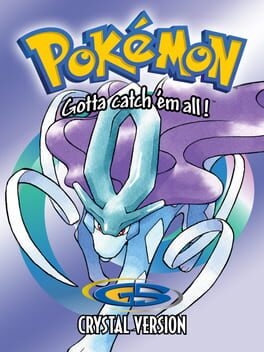
Pokémon Crystal delivers the same themed-region exploration and problem-solving in a compact, kid-safe package. The sense of arriving somewhere new and figuring out what's going on mirrors Poptropica island adventures well.
Key difference: Older Game Boy Color hardware; no internet features.
Best for: Retro-curious kids or parents seeking classic handheld play.
Skip if: You need modern graphics or a browser-based experience.
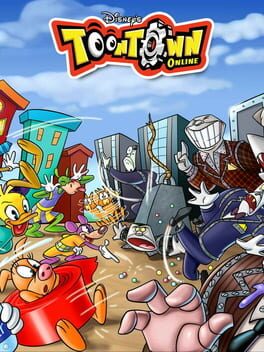
Toontown Online was a kid-friendly MMO where players traveled distinct themed neighborhoods, completed story-style missions, and customized cartoon characters—structurally and tonally very close to Poptropica's island design.
Key difference: Multiplayer MMO with gag-based combat against Cogs.
Best for: Poptropica fans who want cooperative themed-world adventures.
Skip if: You want a single-player experience with no combat whatsoever.
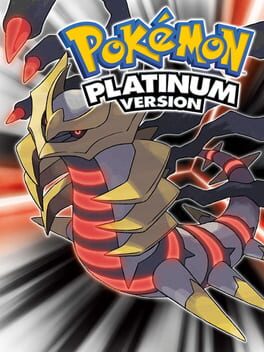
Pokémon Platinum expands on the formula with more puzzles, story mystery, and distinct themed areas that each demand a different approach—paralleling Poptropica's episodic island design. The tone remains entirely appropriate for younger players.
Key difference: More complex systems and a longer main story arc.
Best for: Kids who've outgrown simpler Poptropica-style games.
Skip if: You dislike menus, stats, or managing a team.
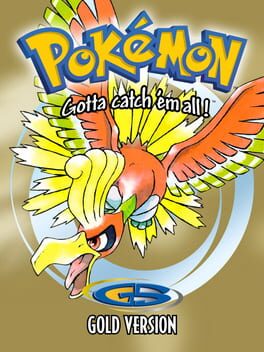
Pokémon Gold captures the spirit of adventuring across distinct zones, talking to quirky characters, and solving mini-problems to advance—a near-perfect structural parallel to Poptropica's island quest format.
Minecraft offers the same sense of traveling a world full of surprises and solving problems with limited resources, wrapped in a completely kid-safe sandbox. The exploration and discovery loop feels familiar to Poptropica island-hopping.
Key difference: No guided narrative islands; totally open-ended sandbox.
Best for: Kids who want more freedom and creative building.
Skip if: You prefer story-driven guided adventures with dialogue.
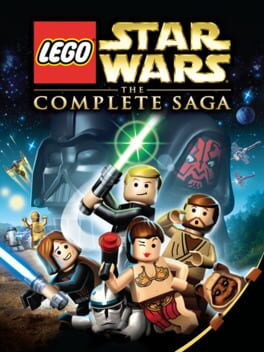
LEGO Star Wars: The Complete Saga strings together self-contained themed levels full of environmental puzzles and collectibles, each with a beginning and end—much like a Poptropica island. The humor and kid-friendly tone are a strong match.
Key difference: Action-platformer with combat, not a point-and-click puzzler.
Best for: Kids who love story-driven level-by-level adventure.
Skip if: You dislike light combat or need a virtual-world feel.
Plants vs. Zombies is a highly polished kid-safe puzzle game with a goofy cartoon aesthetic and clear level-by-level structure. The sense of clever problem-solving and approachable difficulty echoes Poptropica's puzzle ethos.
Key difference: Tower-defense mechanics replace exploration and narrative.
Best for: Kids who enjoy the puzzle-solving aspect of Poptropica most.
Skip if: You want to explore and talk to characters in a virtual world.
Spore lets players travel through distinct evolutionary stages—each feeling like a new themed world—with light puzzle and strategy elements in a kid-accessible package. The sense of wonder and discovery parallels Poptropica's island-hopping.
Key difference: Gameplay style shifts dramatically between stages.
Best for: Curious kids who love variety and creative character design.
Skip if: You want consistent point-and-click puzzle adventures.
Super Mario Odyssey sends Mario to a series of self-contained themed kingdoms, each packed with puzzles and collectibles to solve in sequence—structurally very close to Poptropica's island model. The art is bright and welcoming for all ages.
Key difference: 3D platformer skills required; no virtual-world socialization.
Best for: Kids comfortable with a controller and 3D movement.
Skip if: You want a browser game or pure story/dialogue experience.
Ratchet & Clank moves through distinct themed planets, each with NPCs, gadget-based puzzles, and a story mission—mirroring Poptropica's island chapter format in 3D. The tone is comedic and completely kid-appropriate.
Key difference: Action combat and platforming are central, not optional.
Best for: Kids ready for more action alongside their puzzle adventure.
Skip if: You dislike shooters or want a calm exploration pace.
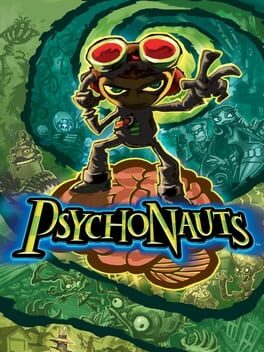
Psychonauts sends the player into a series of wildly different themed mental worlds, each with its own puzzle logic and quirky characters to interact with—the closest console equivalent to Poptropica's distinct island-per-story design. The humor is kid-friendly and clever.
Key difference: Platforming skill and combat required between puzzle sections.
Best for: Older kids who love weird, imaginative themed worlds.
Skip if: You dislike 3D platforming challenges or darker humor.
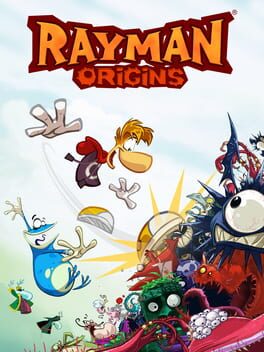
Rayman Origins features a string of distinct themed worlds, each bursting with color and personality, with level completion providing that same satisfying island-cleared feeling Poptropica delivers. Completely appropriate for young players.
Key difference: Pure 2D platforming; no dialogue, narrative, or world exploration.
Best for: Kids who love colorful, cheerful level-based adventures.
Skip if: You want story, puzzles, or character interaction.
The Sims shares Poptropica's appeal of deep character customization, a safe virtual world to inhabit, and open-ended social interaction with a cast of quirky NPCs. Both reward creative self-expression over combat skill.
Key difference: Life simulation, not puzzle adventure; no island quests.
Best for: Kids drawn to Poptropica's customization and virtual life angle.
Skip if: You want structured problems to solve and clear story goals.
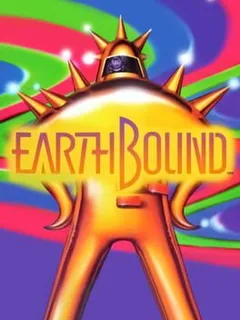
EarthBound travels through a sequence of quirky themed towns and locations, each with its own story problem to solve through exploration and talking to NPCs—a structure surprisingly close to Poptropica islands. The offbeat humor keeps it engaging for curious younger players.
Key difference: Turn-based RPG combat; older hardware and longer playtime.
Best for: Kids ready for a deeper narrative and retro-style RPG.
Skip if: You want no combat and a quick browser-playable adventure.
Nintendo
At a glance
Game
Match
Shared DNA
Biggest difference
Platforms
Roblox
82%
Adventure
Multiplayer, user-created content; no fixed island storylines.
PlayStation, Mobile, PC, Xbox
Club Penguin
78%
Adventure
Social MMO focus; mini-games over narrative puzzle islands.
Mobile
Animal Crossing: New Horizons
72%
—
No puzzle-story islands; it's open-ended life simulation.
Nintendo
Wizard101
72%
Role-playing (RPG), Adventure
Card-based combat system replaces pure puzzle-solving.
PlayStation, PC, Xbox, Nintendo
Neopets Browser
70%
—
Pet-raising and economy focus over puzzle-story adventures.
Older Game Boy Color hardware; no internet features.
Nintendo
Toontown Online
68%
Role-playing (RPG)
Multiplayer MMO with gag-based combat against Cogs.
PC
Pokémon Platinum Version
67%
Role-playing (RPG), Adventure
More complex systems and a longer main story arc.
Nintendo
Pokémon Gold Version
67%
Role-playing (RPG), Adventure
Day/night cycle adds time-based gameplay variety.
Nintendo
Minecraft: Java Edition
65%
Adventure
No guided narrative islands; totally open-ended sandbox.
PC
LEGO Star Wars: The Complete Saga
62%
Adventure
Action-platformer with combat, not a point-and-click puzzler.
PlayStation, Nintendo, Mobile, PC, Xbox
Plants vs. Zombies
58%
—
Tower-defense mechanics replace exploration and narrative.
PlayStation, PC, Mobile, Xbox, Nintendo
Spore
56%
Role-playing (RPG), Adventure
Gameplay style shifts dramatically between stages.
PC
Super Mario Odyssey
55%
Adventure
3D platformer skills required; no virtual-world socialization.
Nintendo
What makes a game feel like Poptropica?
Three things define the Poptropica experience: distinct self-contained worlds (each with its own theme and logic), puzzle-forward progression that rewards curiosity over twitch skill, and a safe, kid-friendly tone. Games that nail all three are rare—Wizard101 comes closest among online titles, while Pokémon Emerald replicates the zone-by-zone story structure in handheld form better than almost anything else in this list.
Character customization is the fourth pillar, and here Animal Crossing: New Horizons and Roblox lead the field. If the virtual-world identity aspect matters most to you, those two are the natural next stop after Poptropica.
Best picks for younger or less experienced players
Animal Crossing: New Horizons, Plants vs. Zombies, and LEGO Star Wars: The Complete Saga are the safest bets for the youngest Poptropica fans—all three are completely age-appropriate, require no prior gaming experience, and deliver a satisfying sense of exploration and problem-solving without frustration. LEGO Star Wars in particular captures the episodic "clear this world, move to the next" pacing that Poptropica island fans will immediately recognize.
For kids ready to step up to a handheld RPG, any of the Pokémon entries (Gold, Crystal, Emerald, or Platinum) provide the same sense of arriving somewhere new, meeting quirky NPCs, and solving what's gone wrong before moving on—just with a battle layer added on top.
If you loved the puzzle-adventure islands specifically
Psychonauts is the hidden gem on this list that most "games like Poptropica" articles miss entirely: it sends players into a sequence of wildly imaginative themed worlds, each with its own puzzle logic, visual style, and cast of characters to interact with—the structure is almost a 3D console translation of what Poptropica does in browser form. Older kids and parents will find the humor genuinely funny rather than just tolerated.
EarthBound is another underrated pick for the puzzle-and-exploration angle: each town in its world presents a distinct problem to untangle through exploration and NPC conversation, and the offbeat charm matches Poptropica's tone more closely than any realistic open-world game ever could.
What games are most similar to Poptropica for kids?
The closest matches are Roblox (virtual world with themed adventures and avatar customization), Animal Crossing: New Horizons (friendly open world with character customization), and the Pokémon handheld games (zone-by-zone adventure with problem-solving). For a browser-style experience, Wizard101 replicates Poptropica's island structure best.
Is there a game exactly like Poptropica but still active?
Roblox is the best living alternative—it's free, browser and app accessible, kid-safe, and lets players hop between thousands of themed adventure experiences while customizing their avatar, much like Poptropica's island model. Wizard101 is also still active and closely mirrors the island-quest structure.
What should a Poptropica fan play on a console or Nintendo Switch?
Super Mario Odyssey is the best Switch pick—it visits a series of themed kingdoms, each packed with puzzles and collectibles to find in sequence. Pokémon Sword or Shield (not in our candidate pool but widely available) replicates the zone-by-zone adventure feel, and Animal Crossing: New Horizons nails the customizable virtual-world side.
Are there any Poptropica-like games that are educational?
Poptropica itself was designed around reading comprehension and problem-solving. Among alternatives, the Pokémon games build reading, strategy, and memory skills. EarthBound rewards careful observation and talking to every NPC—habits that carry over into real-world literacy. Wizard101 also incorporates trivia challenges alongside its adventure content.
Why don't most 'games like Poptropica' lists feel accurate?
Most recommendation engines match on broad genre tags like 'Adventure' and return titles like Grand Theft Auto or The Witcher—games with nothing in common with Poptropica's kid-safe, puzzle-first, island-hopping design. The real matches are games with themed self-contained world chapters, approachable puzzle logic, and a cheerful tone: Pokémon, Animal Crossing, LEGO games, and virtual worlds like Roblox.
 82%
82%